Hip Replacement Abroad for Zimbabwean Patients: Cost, Recovery, & Best Hospitals
Explore affordable hip replacement options abroad for Zimbabweans including costs, recovery times, and top hospitals.
Last Updated On 29 April 202611m


Medical professional with 10+ years’ experience in diagnosis, patient care, and clinical leadership.
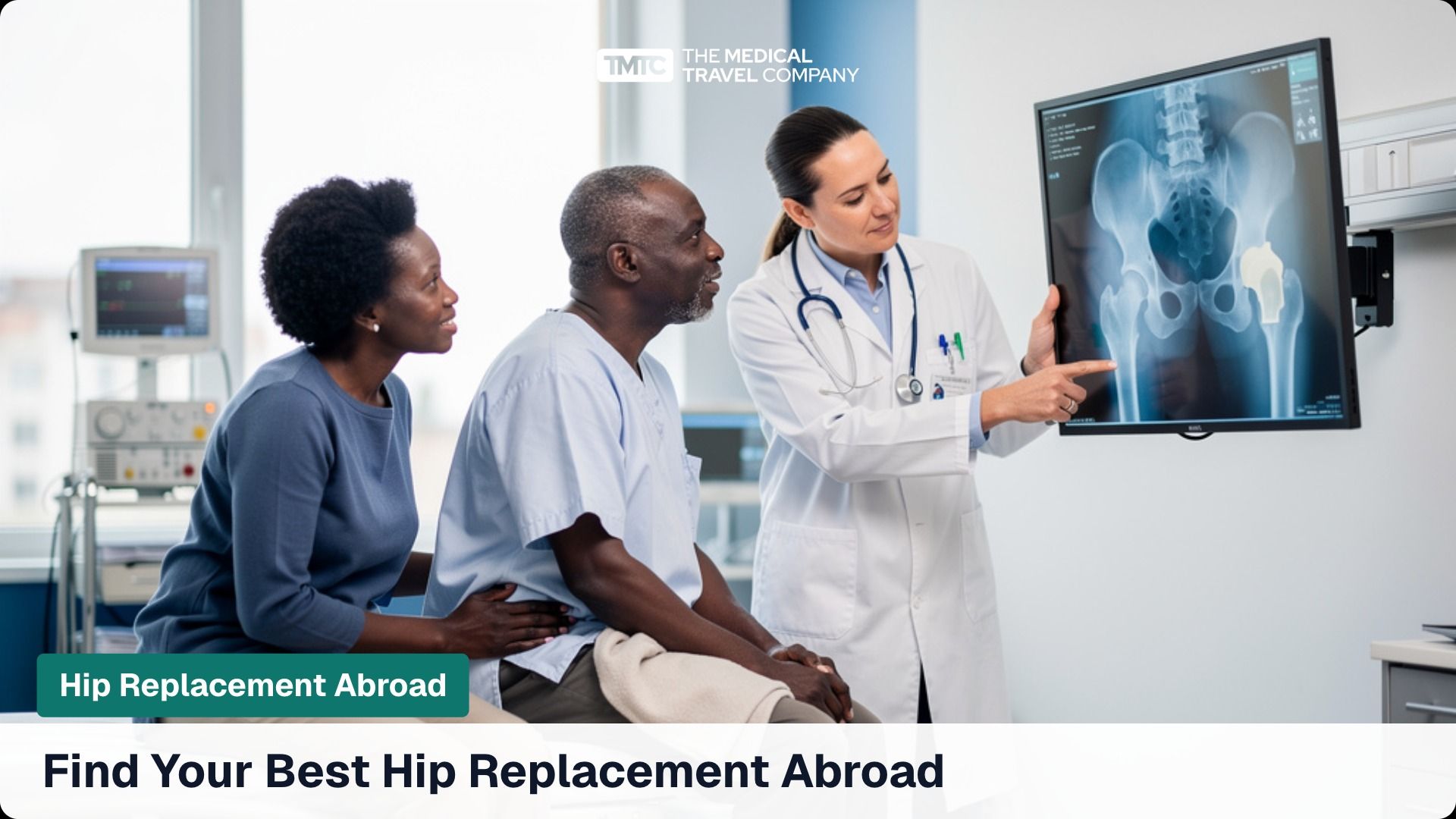
Hip pain doesn't have to control your life. For Zimbabweans facing the prospect of hip replacement surgery, the local healthcare system may not always offer the most affordable or timely solutions. Many patients are discovering that seeking hip replacement abroad can provide world-class care at a fraction of the cost, with shorter waiting times and access to cutting-edge medical technology.
Whether you're dealing with severe arthritis, a hip fracture, or other joint complications, understanding your options for hip replacement surgery abroad can open doors to a pain-free future. Let's explore how Zimbabwean patients can access quality healthcare beyond their borders while saving significantly on medical costs.
Understanding Hip Replacement Surgery
Hip replacement surgery involves removing damaged or diseased parts of your hip joint and replacing them with artificial components called prostheses. This procedure can dramatically reduce pain and restore mobility for patients suffering from conditions like osteoarthritis, rheumatoid arthritis, or hip fractures.
What is Hip Replacement Surgery?
During hip replacement, your surgeon removes the damaged cartilage and bone from your hip joint. The femoral head - the ball at the top of your thighbone - is replaced with a metal or ceramic ball attached to a metal stem. The hip socket in your pelvic bone is resurfaced with a metal shell, often with a plastic, ceramic, or metal liner.
Most hip replacements last 15-20 years or longer with proper care. The surgery typically takes 1-2 hours, and patients can often return home within 1-4 days. For Zimbabwean patients considering hip replacement surgery abroad, the procedure follows international standards with experienced surgeons.
Types of Hip Replacement Surgeries
Total hip replacement replaces both the ball and socket of your hip joint. This is the most common type, recommended when arthritis or injury affects the entire joint. Partial hip replacement, also called hemiarthroplasty, only replaces the femoral head and is typically used for certain types of hip fractures in elderly patients.
Minimally invasive hip replacement uses smaller incisions and specialized techniques to reduce tissue damage. This approach can lead to faster recovery times and less post-operative pain, making it an attractive option for patients traveling abroad for surgery.
Hip Replacement Cost Abroad Compared to Local Options
The cost difference between hip replacement surgery in Zimbabwe and abroad can be substantial. While private healthcare in Zimbabwe can be expensive with limited options, seeking treatment abroad often provides better value for money with superior facilities and shorter wait times.
Cost Comparison: Zimbabwe vs. Popular Destinations
| Country | Hip Replacement Cost | Hospital Stay | Recovery Time |
|---|---|---|---|
| Zimbabwe (Private) | $8,000 - $12,000 | 5-7 days | 8-12 weeks |
| UK | $4,500 - $7,000 | 2-4 days | 6-8 weeks |
| India | $3,500 - $5,500 | 3-5 days | 6-8 weeks |
| South Africa | $4,000 - $6,500 | 3-4 days | 6-10 weeks |
| Turkey | $3,000 - $5,000 | 2-4 days | 6-8 weeks |
These costs include surgery, hospital stay, surgeon fees, and basic aftercare. Many destinations offer package deals that can reduce overall expenses by 40-60% compared to private treatment in Zimbabwe. Patients considering regional options may also find excellent care in neighboring countries.
Factors Influencing Hip Replacement Costs Abroad
Several factors affect the total cost of your hip replacement abroad. The type of implant - ceramic, metal, or plastic - can vary in price. Premium implants designed to last longer may cost more upfront but offer better long-term value.
Hospital choice significantly impacts costs. Accredited international hospitals with JCI certification typically charge more but offer higher standards of care. Surgeon experience and reputation also affect pricing, though this often correlates with better outcomes and fewer complications.
Additional costs include pre-operative tests, post-surgery physiotherapy, medications, and accommodation for companions. Many medical tourism facilitators offer comprehensive packages that bundle these services for transparency and convenience.
Planning Your Travel for Hip Surgery Abroad
Organizing medical travel requires careful planning, but the process can be straightforward with proper guidance. From choosing the right destination to handling visa requirements, here's what Zimbabwean patients need to know.
Choosing the Right Country for Your Surgery
Popular destinations for Zimbabwean patients include the UK, South Africa, India, and Turkey. The UK offers English-speaking care with excellent standards, while India provides cost-effective treatment with internationally trained surgeons. South Africa combines proximity with quality healthcare infrastructure.
Consider factors like language barriers, cultural familiarity, flight duration, and visa requirements. Patients often prefer destinations where they can communicate easily with medical staff and feel comfortable during recovery. Regional African options may provide cultural familiarity while maintaining international standards.
Essential Travel Preparations
Pre-Surgery Travel Checklist
- Obtain valid passport with at least 6 months validity
- Apply for medical visa or tourism visa (as required)
- Arrange travel insurance covering medical procedures abroad
- Book accommodation near the hospital for recovery period
- Organize medical records and test results translation
- Plan for companion travel and extended stay arrangements
- Confirm pre-operative consultation appointments
- Arrange post-surgery follow-up care in Zimbabwe
Most countries require medical visas for surgical procedures, which typically need hospital documentation and proof of funds. Processing times vary from 1-4 weeks, so apply early. Some destinations offer visa-on-arrival for medical tourists, simplifying the process.
Best Hospitals and Surgeons for Hip Replacement
Selecting the right hospital and surgeon is crucial for successful hip replacement surgery. Look for facilities with international accreditation and surgeons with extensive experience in hip replacement procedures.
What Makes a Hospital Excellent for Hip Surgery
Top hospitals for hip replacement typically hold JCI (Joint Commission International) accreditation or equivalent certifications. They feature dedicated orthopedic departments with state-of-the-art operating theaters, advanced imaging equipment, and specialized rehabilitation facilities.
Look for hospitals with high success rates, low infection rates, and comprehensive post-operative care programs. Many leading facilities offer patient coordination services specifically for international patients, helping with everything from airport transfers to accommodation arrangements.
Finding Expert Hip Replacement Surgeons
Experienced hip replacement surgeons typically perform 200+ procedures annually. They should be board-certified in orthopedic surgery with fellowship training in joint replacement. Many top surgeons have trained or practiced in multiple countries, bringing diverse expertise to their practice.
Research surgeons' credentials, patient reviews, and published research. The best surgeons stay current with latest techniques and technology. Don't hesitate to request a consultation to discuss your specific case and surgical approach. Quality surgeons welcome questions and provide detailed explanations.
Hip Replacement Recovery Timeline
Understanding the recovery process helps you plan your time abroad and prepare for returning home. Hip replacement recovery follows predictable stages, though individual timelines may vary based on age, health status, and surgical approach.
Initial Recovery: First 6 Weeks
Most patients stand and walk short distances within 24 hours of surgery using assistive devices. Hospital stays typically last 2-4 days for uncomplicated cases. During this time, physiotherapy begins immediately to prevent blood clots and maintain joint mobility.
You'll need to stay near the hospital for 1-2 weeks post-surgery for follow-up appointments and initial rehabilitation. Many patients can fly home after 10-14 days, though long flights require special precautions like compression stockings and regular movement.
Pain management improves significantly within the first week. Most patients reduce pain medications gradually and return to light daily activities by 2-3 weeks. Driving is usually possible after 4-6 weeks, depending on which hip was replaced and your vehicle's transmission type.
Long-term Recovery: 6 Weeks to 6 Months
Between 6-12 weeks, patients typically discontinue walking aids and return to normal walking patterns. This period requires continued physiotherapy to strengthen muscles and improve range of motion. Most patients return to desk jobs by 6-8 weeks and physical jobs by 12-16 weeks.
Full recovery takes 3-6 months, with some patients experiencing continued improvement up to one year post-surgery. Regular exercise becomes important for maintaining joint health and preventing complications. Activities like swimming, cycling, and walking are excellent for hip health.
Success Rates and What to Expect
Hip replacement surgery has excellent success rates when performed by experienced surgeons in accredited facilities. Understanding these statistics helps set realistic expectations for your recovery and long-term outcomes.
Hip Replacement Success Statistics
| Success Metric | Rate | Timeframe |
|---|---|---|
| Pain relief achieved | 95-98% | 3-6 months |
| Return to normal activities | 90-95% | 3-6 months |
| Implant survival | 95% | 10 years |
| Implant survival | 85% | 20 years |
| Patient satisfaction | 90-95% | Long-term |
| Complication rate | 2-5% | Overall |
These success rates apply to procedures performed in accredited facilities by experienced surgeons. Factors like patient age, overall health, bone quality, and adherence to post-operative instructions significantly influence outcomes.
Factors That Improve Success Rates
Younger, healthier patients typically experience better outcomes, but age alone doesn't disqualify anyone from surgery. Pre-operative fitness, smoking cessation, and weight management improve healing and reduce complications.
Choosing experienced surgeons and accredited hospitals dramatically improves success rates. Surgeons performing high volumes of hip replacements have lower complication rates and better patient outcomes. Following post-operative instructions and attending physiotherapy sessions are crucial for optimal recovery.
Restoring Mobility After Hip Surgery
Hip replacement surgery aims to eliminate pain and restore normal mobility. With proper rehabilitation and lifestyle adjustments, most patients achieve better mobility than they had before surgery, especially those who lived with chronic pain for years.
Mobility Recovery for Different Age Groups
Elderly patients may take longer to recover but can achieve excellent results with dedicated rehabilitation. Age-appropriate goals focus on maintaining independence, preventing falls, and returning to enjoyable activities rather than high-impact sports.
Younger patients often return to more demanding activities, including recreational sports. However, high-impact activities like running or contact sports may be limited to preserve implant longevity. Low-impact exercises like swimming, cycling, and golf are ideal for all ages.
Long-term Mobility Maintenance
Maintaining Hip Health After Surgery
- Perform daily range-of-motion exercises as recommended
- Maintain healthy weight to reduce joint stress
- Stay active with low-impact exercises like swimming or walking
- Attend regular follow-up appointments with your surgeon
- Avoid high-impact activities that could damage your implant
- Monitor for signs of infection or implant problems
- Consider physiotherapy refresher sessions if needed
Regular exercise maintains muscle strength and joint flexibility. Patients who stay active typically experience better long-term outcomes and implant longevity. Many find they can participate in activities they couldn't enjoy for years due to hip pain.
Making the Right Choice for Your Hip Replacement
Hip replacement surgery abroad offers Zimbabwean patients access to world-class care at affordable prices. With proper planning and the right medical team, you can achieve excellent outcomes while saving significantly on medical costs.
The key to success lies in choosing accredited hospitals, experienced surgeons, and comprehensive care packages that include follow-up support. Many patients find that seeking treatment abroad not only solves their hip problems but also provides a positive experience with personalized attention and modern facilities.
Whether you're considering treatment in the UK, India, South Africa, or other destinations, research your options thoroughly. Compare costs, read patient testimonials, and consult with multiple providers to find the best fit for your needs and budget.
Don't let hip pain limit your quality of life. With affordable healthcare options abroad and expert guidance through the process, you can regain your mobility and return to the activities you love. Take the first step by consulting with medical tourism specialists who can help you explore your options and plan your journey to better health.
References:
- This article was compiled using information from reputable medical sources and healthcare industry reports. For specific medical advice regarding your hip replacement surgery, please consult with qualified orthopedic surgeons and healthcare providers.
Related Articles


Ready to open the door to better health?