Shoulder Replacement Abroad: A Comprehensive Guide for Zimbabwean Patients
Explore shoulder replacement options abroad, costs, recovery, and expert care for Zimbabwean patients seeking relief from shoulder pain.
Last Updated On 29 April 202610m


Medical professional with 10+ years’ experience in diagnosis, patient care, and clinical leadership.
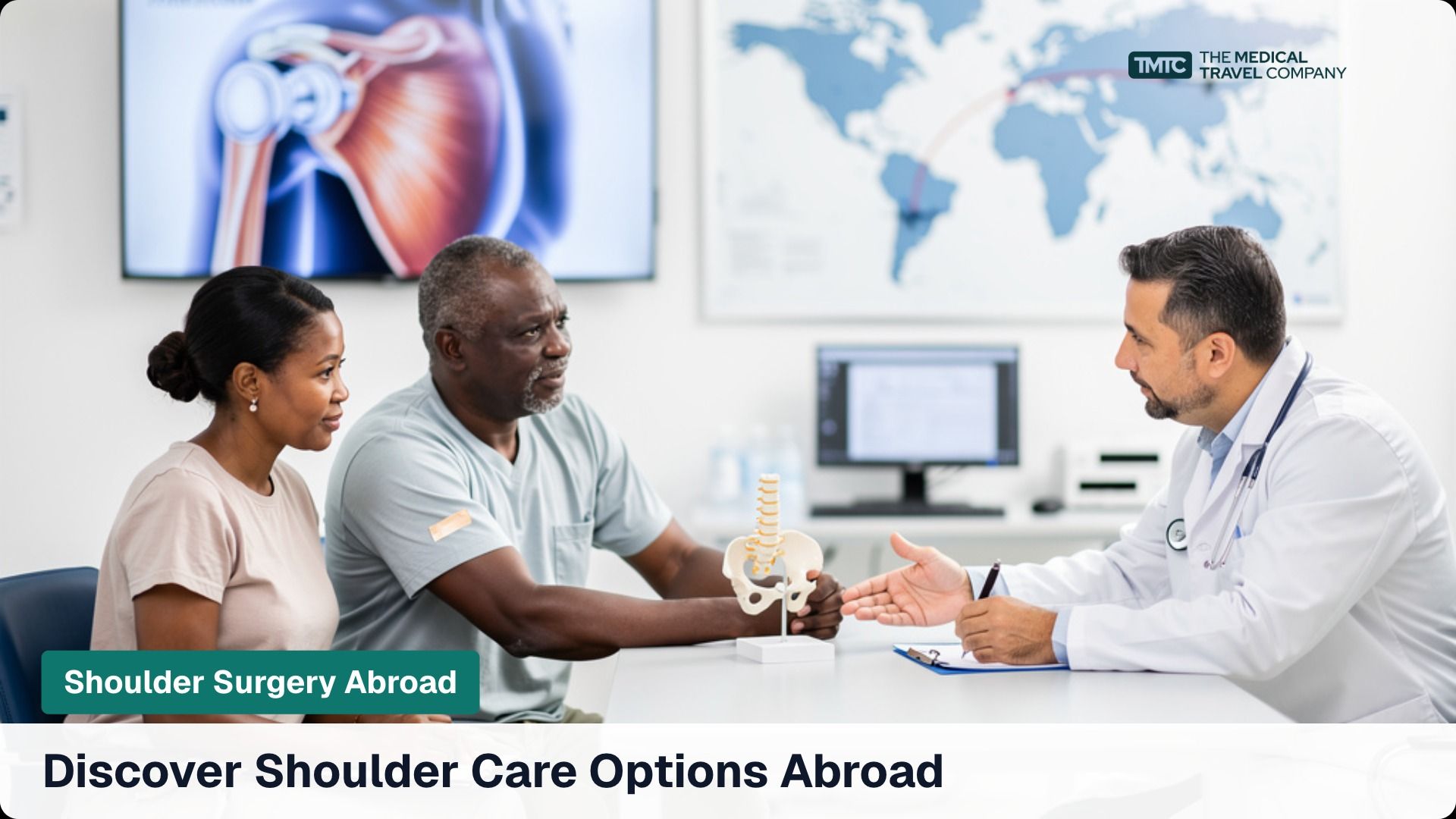
Chronic shoulder pain can transform simple daily tasks like reaching for a cup or getting dressed into agonizing challenges. For Zimbabwean patients struggling with severe arthritis, rotator cuff damage, or joint deterioration, shoulder replacement surgery abroad offers access to world-class care at affordable prices. This comprehensive guide walks you through everything you need to know about pursuing shoulder replacement abroad, from understanding different surgical options to managing your recovery journey.
Understanding Shoulder Replacement Surgery
Shoulder replacement surgery involves removing damaged portions of your shoulder joint and replacing them with artificial components. This procedure can dramatically reduce pain and restore mobility for patients whose shoulder joints have been severely damaged by arthritis, injury, or degenerative conditions.
What is Shoulder Replacement Surgery?
During shoulder replacement surgery, surgeons replace the damaged ball and socket portions of your shoulder with prosthetic components made from metal and plastic materials. The procedure is typically recommended when conservative treatments like physiotherapy, medication, or injections no longer provide adequate pain relief.
The surgery addresses conditions such as severe osteoarthritis, rheumatoid arthritis, fractures, or avascular necrosis where the shoulder joint has deteriorated beyond repair. Research shows that patients achieve better outcomes when surgeons perform more than 10 shoulder replacement operations annually, highlighting the importance of choosing experienced specialists.
Types of Shoulder Replacement Surgeries
Three main types of shoulder replacement procedures are available, each designed for specific conditions:
Total shoulder replacement replaces both the ball (humeral head) and socket (glenoid) components. This procedure works best for patients with intact rotator cuff muscles and provides excellent pain relief with good range of motion.
Partial shoulder replacement, also called hemiarthroplasty, replaces only the ball portion while leaving the natural socket intact. This option suits patients with certain fractures or conditions where the socket remains healthy.
Reverse shoulder replacement switches the normal anatomy by placing the ball component on the shoulder blade and the socket on the upper arm bone. This innovative approach helps patients with severe rotator cuff tears who can't benefit from traditional replacement methods. For more information about specific procedures, explore our shoulder replacement surgery options.
Why Consider Shoulder Replacement Abroad?
Seeking shoulder replacement surgery abroad provides Zimbabwean patients with access to advanced medical facilities, experienced surgeons, and cutting-edge technology while offering significant cost savings compared to many developed countries.
Benefits of Traveling for Surgery
International medical facilities often feature the latest surgical equipment and techniques that may not be readily available locally. Many overseas hospitals specialize in joint replacement procedures, giving their surgical teams extensive experience with complex cases.
You'll receive personalised treatment plans tailored to your specific condition and lifestyle needs. International hospitals frequently offer comprehensive care packages that include pre-operative assessment, surgery, post-operative monitoring, and rehabilitation support all under one roof.
Another significant advantage is reduced waiting times. While local healthcare systems may have lengthy queues for elective procedures, international facilities often schedule surgeries within weeks rather than months.
World-Class Care at Affordable Prices
The cost differential between shoulder replacement surgery abroad versus in developed countries can be substantial. Even when factoring in travel expenses, accommodation, and extended stay requirements, many patients save 40-70% on their total medical costs.
These savings don't come at the expense of quality. Many international hospitals maintain accreditation from organizations like the Joint Commission International (JCI) and employ surgeons trained at prestigious institutions worldwide.
Cost of Shoulder Replacement Abroad
Understanding the financial aspects of shoulder replacement abroad helps you plan effectively and make informed decisions about your treatment options.
| Country | Total Shoulder Replacement | Partial Replacement | Reverse Replacement |
|---|---|---|---|
| India | $4,000 - $8,000 | $3,500 - $6,500 | $6,000 - $10,000 |
| Turkey | $6,000 - $12,000 | $5,000 - $9,000 | $8,000 - $14,000 |
| Thailand | $8,000 - $15,000 | $6,000 - $11,000 | $10,000 - $18,000 |
| United Kingdom | $15,000 - $25,000 | $12,000 - $18,000 | $18,000 - $30,000 |
Factors Influencing Cost
Several elements affect your total treatment cost beyond the surgery itself. Hospital choice significantly impacts pricing, with premium private facilities charging more than standard hospitals while offering enhanced amenities and services.
The complexity of your case also influences cost. Revision surgeries or procedures requiring specialized implants typically cost more than straightforward primary replacements. Your surgeon's experience level and reputation may affect fees as well.
Hidden costs to consider include visa fees, travel insurance, accommodation for you and any accompanying family member, meals, local transportation, and potential extended stay if complications arise. Factor in post-operative physiotherapy costs and follow-up appointments as well.
What to Expect During and After Surgery
Proper preparation and understanding the surgical process helps reduce anxiety and sets realistic expectations for your recovery journey.
Pre-Surgery Requirements
- Complete medical history review and physical examination
- Blood tests, ECG, and chest X-ray
- MRI or CT scan of your shoulder joint
- Medication review and adjustment if needed
- Pre-operative consultation with anesthesiologist
- Arrival at destination country 2-3 days before surgery
Surgical Procedures
Shoulder replacement surgery typically takes 2-3 hours and is performed under general anesthesia. Your surgeon makes an incision on the front of your shoulder to access the joint. The damaged bone and cartilage are carefully removed, and the artificial components are positioned and secured.
Modern surgical techniques emphasize minimally invasive approaches when possible, resulting in smaller incisions, less tissue damage, and potentially faster recovery. Proper anesthesia and perioperative care significantly impact surgical outcomes, which is why choosing facilities with experienced anesthesiology teams is crucial.
Recovery Timeline
Your hospital stay typically lasts 2-4 days following surgery. Pain management begins immediately, and gentle range of motion exercises start within 24 hours to prevent stiffness and promote healing.
Most patients remain in their treatment country for 10-14 days post-surgery for initial recovery monitoring and suture removal. Your arm will be supported in a sling for 4-6 weeks, with gradual increase in movement as healing progresses.
Recovery and Rehabilitation
Successful recovery from shoulder replacement surgery depends heavily on following your rehabilitation plan and working closely with physiotherapy professionals.
Post-Operative Care Essentials
- Take prescribed medications as directed for pain and infection prevention
- Keep incision site clean and dry
- Attend all scheduled follow-up appointments
- Avoid lifting anything heavier than a coffee cup for 6 weeks
- Sleep in an upright position or recliner for comfort
- Begin gentle pendulum exercises as instructed
Physiotherapy and Rehab Options
Physiotherapy typically begins within days of surgery with passive range of motion exercises. Your therapist will guide your shoulder through movements without you using your own muscle power initially. This approach prevents stiffness while protecting healing tissues.
Many international hospitals provide comprehensive physiotherapy services during your stay, and some offer continued remote monitoring once you return home. The transition to active exercises usually occurs around 6-8 weeks post-surgery, with strengthening exercises introduced gradually.
Consider arranging continued physiotherapy support in Zimbabwe before you travel. Having a local physiotherapist familiar with post-surgical shoulder rehabilitation ensures continuity of care once you return home.
Mobility After Surgery
Recovery timelines vary significantly between individuals, but most patients notice substantial pain relief within the first few weeks. Full recovery typically takes 3-6 months, with some patients continuing to see improvements up to a year post-surgery.
You can expect to return to light daily activities like eating, writing, and computer work within 2-4 weeks. Driving becomes possible once you're no longer taking narcotic pain medications and can safely operate vehicle controls, usually around 4-8 weeks.
Sports and heavy lifting activities require medical clearance, typically granted 3-4 months after surgery, once your shoulder has fully healed and strength has returned.
Long-Term Outcomes and Pain Management
Shoulder replacement surgery offers excellent long-term results for most patients, with studies showing high satisfaction rates and significant pain reduction lasting many years.
Managing Long-Term Shoulder Pain
Most patients experience dramatic pain relief following shoulder replacement surgery. Research indicates that over 90% of patients report good to excellent outcomes at 10 years post-surgery, with many achieving near-complete pain elimination.
Modern prosthetic components are designed to last 15-20 years or longer with proper care. Maintaining appropriate activity levels, following up with regular check-ups, and protecting your shoulder from injury helps ensure longevity.
Some patients may experience occasional mild discomfort, especially during weather changes or after increased activity. These symptoms are typically manageable with over-the-counter pain relievers and gentle stretching.
Alternatives Besides Replacement
Before considering shoulder replacement, doctors often explore less invasive options. Rotator cuff repair surgery may be appropriate if your joint structure remains intact but supporting muscles are damaged. This procedure involves reattaching torn tendons to bone.
Arthroscopic shoulder surgery can address certain conditions like impingement syndrome or small tears through minimally invasive techniques. However, when joint damage is extensive, replacement surgery often provides superior long-term relief.
Non-surgical options like corticosteroid injections, hyaluronic acid treatments, or platelet-rich plasma therapy may provide temporary relief but typically don't address underlying structural problems that cause chronic pain.
Taking the Next Steps
If you're considering shoulder replacement abroad, the first step is obtaining a thorough evaluation of your condition. Gather your medical records, including recent X-rays or MRI scans, to share with international surgical teams during consultation.
Research potential destinations and hospitals carefully. Look for facilities with international accreditation, experienced orthopedic teams, and positive patient reviews. Consider factors like language barriers, cultural differences, and available support services for international patients.
Many hospitals offer virtual consultations that allow you to discuss your case with surgeons before traveling. This approach helps determine if you're a good candidate for surgery and allows you to ask specific questions about the procedure and recovery process.
Expert guidance throughout this process can make the difference between a successful treatment journey and unnecessary complications. Professional medical tourism facilitators can help coordinate your care, arrange logistics, and ensure you receive the highest quality treatment available. For personalized support with your shoulder replacement journey abroad, consider exploring specialized shoulder replacement programs designed specifically for international patients.
Don't let chronic shoulder pain limit your quality of life any longer. With proper planning and the right medical team, shoulder replacement abroad can provide the relief you've been seeking while offering significant cost savings and access to world-class care.
References:
-
BMJ- Research on surgical volume and patient outcomes in shoulder replacement surgery
-
National Center for Biotechnology Information- Anesthesia and perioperative care considerations for orthopedic surgery
-
Lybrate- Information on shoulder replacement specialists and treatment options
-
Massachusetts General Hospital- Expert insights on orthopedic surgery and patient outcomes
Related Articles

Ready to open the door to better health?