Exploring Spine Surgery Abroad: A Growing Choice for Patients in Zimbabwe
Discover why more Zimbabwe patients are choosing spine surgery abroad for affordable, world-class care.
Last Updated On 29 April 20269m


Medical professional with 10+ years’ experience in diagnosis, patient care, and clinical leadership.
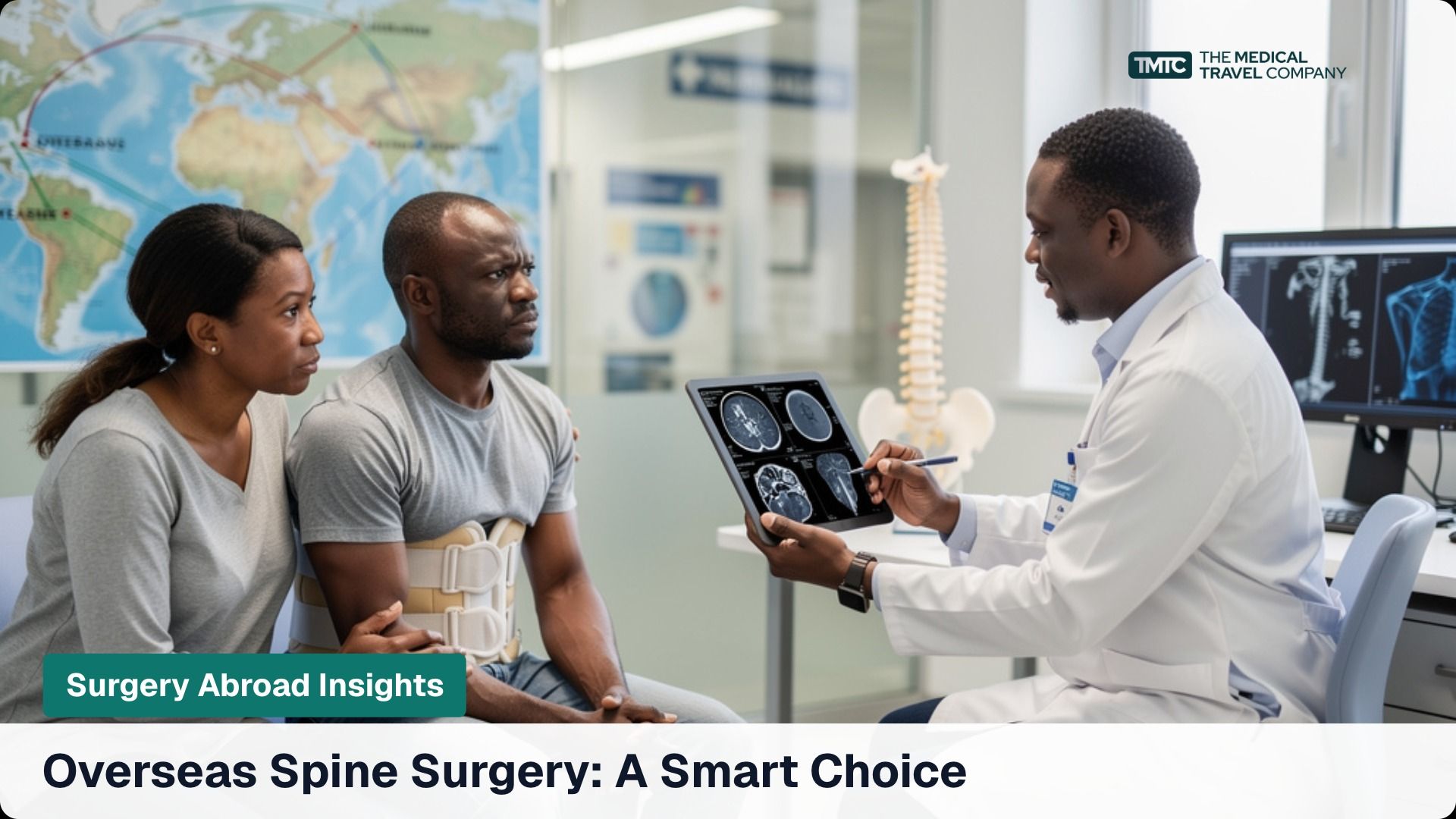
When chronic back pain affects your daily life, finding the right treatment becomes a priority. For many Zimbabwean patients, traditional local options aren't always accessible or affordable. That's why an increasing number are looking beyond borders for spine surgery solutions that offer both quality care and reasonable costs.
Introduction to Spine Surgery Abroad
Spine surgery encompasses various procedures designed to address chronic back pain, spinal disorders, and structural problems that conservative treatments can't resolve. These procedures range from minimally invasive techniques to complex spinal reconstructions, all aimed at restoring function and reducing pain.
The global medical travel industry has seen remarkable growth, with spine surgery being one of the most sought-after procedures abroad. Patients are drawn to international destinations that offer advanced technology, experienced specialists, and significantly lower costs compared to traditional healthcare markets.
For Zimbabwean patients specifically, seeking spine surgery abroad has become an increasingly viable option. The combination of limited local specialized facilities and high treatment costs has led many to explore international alternatives that provide world-class care at a fraction of the price.
Understanding Spine Surgery Options
Modern spine surgery offers various approaches depending on your specific condition. Back surgery might involve addressing herniated discs, spinal stenosis, or degenerative disc disease. Each condition requires a tailored approach to ensure the best possible outcome.
Types of Spine Surgery Available
Common procedures include herniated disc surgery, which removes damaged disc material pressing on nerves, and spinal fusion surgery, which permanently connects two or more vertebrae. Laminectomy procedures remove bone spurs or portions of vertebrae to relieve pressure on the spinal cord.
For patients requiring joint replacement, similar orthopedic expertise is available through procedures like hip replacement surgery in Kenya and knee replacement surgery in Ghana, often performed by the same specialized surgical teams.
Minimally Invasive Techniques
Minimally invasive spine surgery has revolutionized treatment options. These procedures use smaller incisions, specialized instruments, and advanced imaging to achieve the same results as traditional open surgery. Recovery times are typically shorter, with less tissue damage and reduced post-operative pain.
Techniques like endoscopic discectomy or percutaneous vertebroplasty allow surgeons to address specific problems with minimal disruption to surrounding tissues. This approach is particularly beneficial for older patients or those with multiple health conditions.
Cost Comparison: Local vs International
| Procedure | Zimbabwe (USD) | International Cost (USD) | Potential Savings |
|---|---|---|---|
| Herniated Disc Surgery | $8,000–12,000 | $3,500–5,500 | Up to 54% |
| Spinal Fusion | $15,000–25,000 | $6,000–10,000 | Up to 60% |
| Minimally Invasive Spine Procedures | $10,000–18,000 | $4,000–7,500 | Up to 58% |
| Complex Spinal Reconstruction | $20,000–35,000 | $8,000–15,000 | Up to 57% |
These cost differences make international spine surgery an attractive option for many Zimbabwean patients. The savings often cover travel expenses and extended stays, while still providing access to world-class medical care.
Benefits of Choosing Surgical Procedures Abroad
International spine surgery offers advantages that extend beyond cost savings. The combination of advanced facilities, experienced surgical teams, and comprehensive care packages creates an environment where patients can focus on recovery.
World-Class Care Standards
Leading international spine hospitals maintain accreditation from globally recognized organizations. These facilities invest in cutting-edge technology, including robotic-assisted surgery systems, advanced imaging equipment, and state-of-the-art operating theaters.
Spine specialists at these centers often have extensive international training and experience with complex cases. Many have completed fellowships at renowned institutions and maintain ongoing education in the latest surgical techniques.
Personalized Treatment Plans
International spine centers emphasize individualized care. Your treatment begins with comprehensive diagnostic imaging and thorough consultations. Surgeons review your complete medical history, current symptoms, and lifestyle factors to develop a personalized treatment plan.
This approach ensures that you receive the most appropriate procedure for your specific condition. Whether you need a simple discectomy or complex multi-level fusion, the treatment plan addresses your unique circumstances and recovery goals.
Expert Guidance Throughout Your Journey
Comprehensive Support Services
- Pre-operative consultations and medical clearance coordination
- Travel and accommodation arrangements for patients and families
- Language interpretation services and cultural liaison support
- 24/7 medical support during your stay
- Post-operative follow-up care and recovery monitoring
- Coordination with local physicians for ongoing care
These comprehensive support services ensure a seamless experience from initial consultation through complete recovery. Many facilities also provide connections to other specialized treatments, such as shoulder replacement surgery in Botswana or ACL reconstruction treatment in Nigeria, when patients need multiple procedures.
Insights on Rehabilitation and Recovery
Understanding what to expect during recovery helps you prepare mentally and physically for your spine surgery journey. Recovery timelines vary depending on the procedure complexity and your individual healing response.
What to Expect Post-Surgery
Immediately after surgery, you'll spend time in a recovery area where medical staff monitor your vital signs and pain levels. Most patients stay in the hospital for 1-3 days, depending on the procedure complexity. During this time, you'll begin gentle movements and receive pain management guidance.
The first few weeks focus on wound healing and gradual activity increases. You'll likely wear a brace for support and follow specific movement restrictions to protect the surgical site. Many patients notice some immediate pain relief, though full benefits may take several months to realize.
Comprehensive Rehabilitation Process
Physical therapy typically begins within days of surgery, starting with simple exercises to maintain circulation and prevent complications. As healing progresses, therapy becomes more intensive, focusing on strength building, flexibility improvement, and functional movement patterns.
Most rehabilitation programs last 3-6 months, with the intensity and duration adjusted based on your progress. International spine centers often coordinate with rehabilitation facilities in Zimbabwe to ensure continuity of care after you return home.
Long-Term Management Strategies
Successful spine surgery recovery extends far beyond the immediate healing period. Long-term management involves maintaining proper posture, regular exercise, weight management, and ergonomic workplace adjustments. These lifestyle modifications help protect your investment in surgery and prevent future problems.
Many patients benefit from ongoing relationships with physical therapists, chiropractors, or other healthcare providers who understand spinal disorders. Regular check-ups and imaging studies help monitor your progress and catch any potential issues early.
Surgery Risks and Considerations
Like any surgical procedure, spine surgery carries inherent risks that you should understand before making your decision. However, modern techniques and experienced surgical teams have significantly reduced complication rates.
Understanding Potential Risks
Common surgery risks include infection, bleeding, and adverse reactions to anesthesia. Spine-specific risks might include nerve damage, spinal fluid leaks, or hardware complications in fusion procedures. Blood clots and pneumonia are general risks associated with any surgery requiring hospitalization.
Failed back surgery syndrome, where pain persists or worsens after surgery, occurs in a small percentage of cases. This emphasizes the importance of proper patient selection and realistic expectations about surgical outcomes.
Risk Mitigation Strategies
Choosing an experienced surgeon and accredited facility significantly reduces your risk profile. International spine centers often have lower infection rates due to strict protocols and modern facilities. Pre-operative optimization, including managing diabetes or stopping smoking, further improves outcomes.
Thorough pre-operative evaluation helps identify patients who aren't good surgical candidates. This includes psychological assessment, as mental health significantly impacts surgical outcomes and recovery success.
Making an Informed Decision
The decision to undergo spine surgery should never be rushed. Take time to research your options, get multiple opinions, and understand both the benefits and risks. Consider your age, overall health, activity level, and personal goals when evaluating treatment options.
International spine surgery might be right for you if conservative treatments have failed, your condition significantly impacts your quality of life, and you're physically and mentally prepared for the recovery process. The combination of expertise, affordability, and comprehensive care makes it an increasingly attractive option for many Zimbabwean patients.
Making the Right Choice for Your Health
Choosing spine surgery abroad represents more than just a medical decision - it's an investment in your future quality of life. The combination of world-class care, significant cost savings, and comprehensive support services has made this option increasingly popular among Zimbabwean patients.
The key factors that make international spine surgery attractive include access to advanced surgical techniques, experienced specialists, modern facilities, and comprehensive care coordination. These elements work together to provide outcomes that often exceed what's available through traditional local options.
When you're ready to explore spine surgery options, thorough research and consultation with qualified international spine centers can help you make an informed decision. Many facilities offer virtual consultations to discuss your specific condition and treatment options before you travel.
Key Considerations for Spine Surgery Abroad
- Cost savings of 50-60% compared to local options while maintaining high quality standards
- Access to minimally invasive techniques and advanced surgical technology
- Comprehensive care packages including travel coordination and recovery support
- Experienced spine specialists with international training and expertise
- Shorter wait times compared to local healthcare systems
Your spine health affects every aspect of your daily life. If conservative treatments haven't provided relief and surgery is recommended, exploring international options could be the key to reclaiming your mobility and quality of life. The combination of expert care, advanced technology, and significant cost savings makes spine surgery abroad an increasingly compelling choice for Zimbabwean patients seeking the best possible outcomes.
References:
- Information in this article is based on current medical literature, international healthcare guidelines, and established medical travel industry standards. Cost comparisons reflect current market rates from multiple international spine surgery centers and local healthcare providers.
Related Articles

Ready to open the door to better health?