Knee Replacement Abroad for Zimbabwean Patients: Your Complete Cost & Recovery Guide
Explore the cost, recovery, and benefits of knee replacement abroad for Zimbabwean patients seeking world-class care.
Last Updated On 29 April 20268m

Medical professional with 10+ years’ experience in diagnosis, patient care, and clinical leadership.
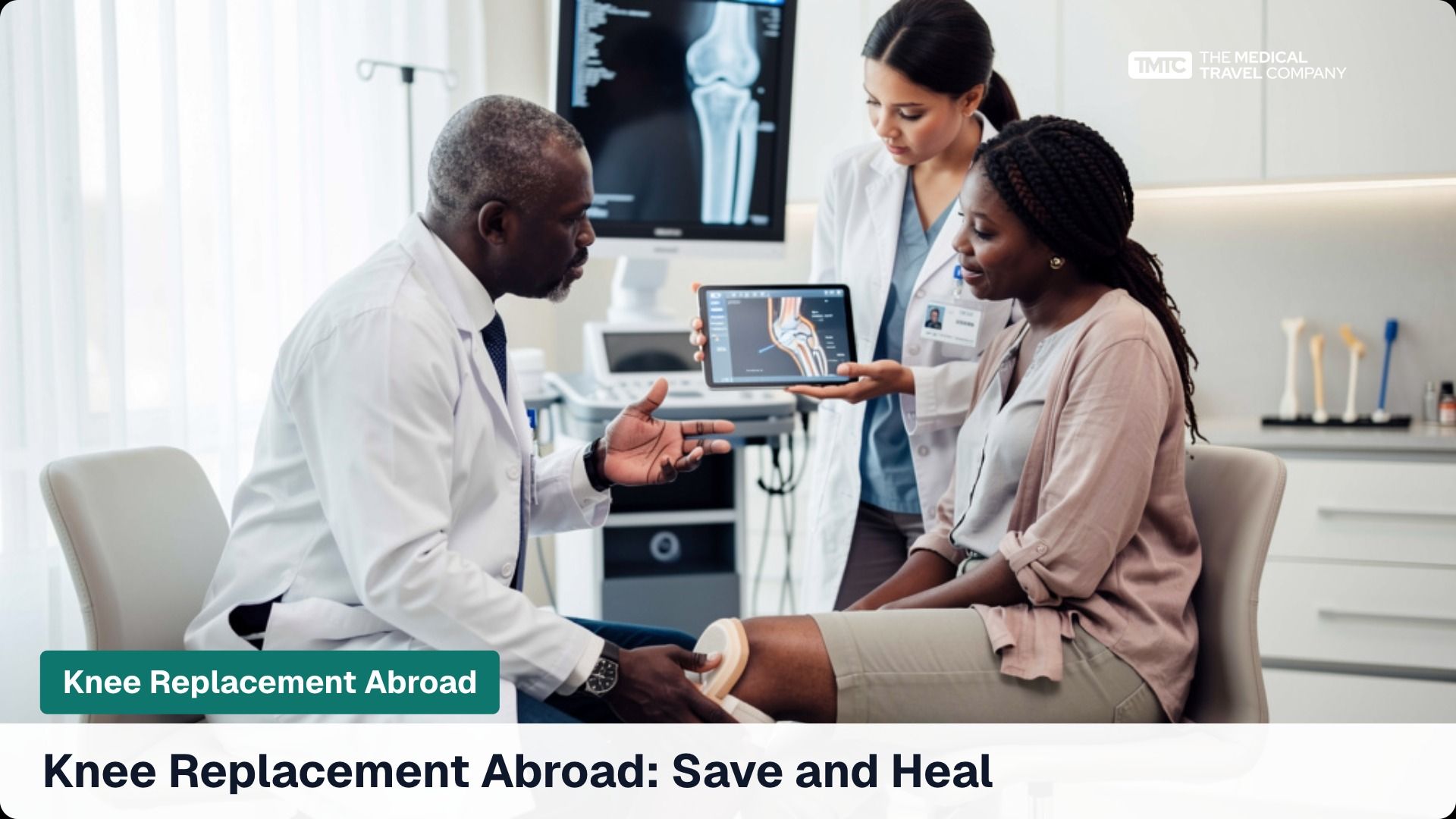
Living with chronic knee pain affects every aspect of your daily life, from climbing stairs to walking to the market. For many Zimbabwean patients, accessing timely and affordable knee replacement surgery locally presents significant challenges. Limited specialist availability, extended waiting lists, and high costs often leave patients searching for alternatives abroad.
Medical tourism for orthopedic procedures has become an increasingly viable option for Zimbabwean patients seeking world-class care at affordable prices. Countries like India, Turkey, and Thailand now offer knee replacement surgery packages specifically designed for international patients, combining expert surgical care with comprehensive recovery support.
Why Consider Knee Replacement Abroad?
The decision to seek knee replacement surgery abroad often comes down to three key factors: accessibility, affordability, and quality of care. Zimbabwe's healthcare system faces ongoing challenges that can significantly impact orthopedic surgery availability.
Healthcare infrastructure in many African regions struggles with resource limitations and specialist shortages. The African Regional Health Report highlights how inadequate resources and limited specialist availability affect surgical care delivery across the continent.
International medical facilities often provide immediate access to experienced orthopedic surgeons, state-of-the-art surgical equipment, and comprehensive rehabilitation programs. Many hospitals abroad specifically cater to international patients, offering personalised treatment plans that include pre-surgery consultations, surgery, hospital stay, and post-operative care.
The expertise available abroad often includes surgeons who perform hundreds of knee replacements annually, compared to the limited number of specialists available in Zimbabwe. This volume of experience typically translates to better surgical outcomes and reduced complication rates.
Cost Overview of Knee Replacement Abroad
Understanding the financial aspects of knee replacement abroad is crucial for making an informed decision. While costs vary by destination and hospital, most international packages offer significant savings compared to private healthcare in Zimbabwe or other developed countries.
| Country | Total Knee Replacement Cost | Package Inclusions | Recovery Time |
|---|---|---|---|
| India | $3,000 - $5,000 | Surgery, 5-day hospital stay, physiotherapy | 4-6 weeks |
| Turkey | $4,000 - $7,000 | Surgery, accommodation, transfers, follow-ups | 4-8 weeks |
| Thailand | $6,000 - $10,000 | Surgery, hotel stay, rehabilitation program | 6-8 weeks |
| Malaysia | $5,000 - $8,000 | Surgery, hospital stay, initial physiotherapy | 4-6 weeks |
Several factors influence the overall cost of your knee replacement abroad. Surgeon expertise and hospital accreditation significantly impact pricing, with renowned specialists and internationally accredited facilities typically charging premium rates. The type of knee implant selected also affects costs, with advanced robotic knee replacement options commanding higher fees.
Most medical tourism packages include comprehensive services beyond just the surgery itself. Typical packages cover pre-operative consultations, surgical procedure, hospital accommodation, basic physiotherapy sessions, and sometimes even airport transfers and guest house accommodation for accompanying family members.
Choosing the Right Surgeon and Hospital
Selecting the best knee surgeons abroad requires careful research and consideration of multiple factors. Your choice of surgeon and hospital directly impacts your surgical outcome, recovery experience, and long-term results.
Essential Criteria for Selecting Your Knee Surgeon
- Board certification in orthopedic surgery with specialization in knee replacement
- Minimum 5 years experience performing total knee replacements
- Annual volume of at least 100 knee replacement surgeries
- Fellowship training in joint replacement or sports medicine
- Published research or presentations in orthopedic journals
- Patient testimonials and references from previous international patients
- Hospital affiliation with internationally accredited medical facilities
- Availability for post-operative follow-up consultations
Hospital accreditation serves as a crucial indicator of quality and safety standards. Look for facilities accredited by international organizations such as Joint Commission International (JCI) or similar regional accrediting bodies. These accreditations ensure hospitals meet stringent safety protocols, infection control measures, and quality care standards.
While cost considerations are important, the cheapest option isn't always the best value. Focus on finding reputable hospitals that offer transparent pricing, clear communication in English, and comprehensive care packages that include pre and post-operative support.
Many patients find success researching hospitals that specifically market to international patients, as these facilities typically have established protocols for managing overseas patients, including assistance with visa applications, airport transfers, and accommodation arrangements.
Understanding the Recovery Process
Knee replacement recovery time varies significantly between patients, but understanding the typical timeline helps you plan your stay abroad and return to normal activities. Most patients require 4-8 weeks for basic recovery, with full rehabilitation taking 3-6 months.
Research shows that structured rehabilitation programs significantly improve outcomes for musculoskeletal conditions. WHO's Package of Interventions for Rehabilitation emphasizes the importance of early mobilization and progressive physiotherapy in orthopedic recovery.
The first week after surgery focuses on pain management, wound healing, and initial mobility. Most patients begin walking with assistance within 24-48 hours post-surgery. Physiotherapy typically starts on day one or two, initially focusing on gentle range-of-motion exercises and gradually progressing to weight-bearing activities.
Weeks 2-6 involve progressive strengthening and mobility improvement. During this phase, you'll work on walking longer distances, climbing stairs, and rebuilding muscle strength around your new knee joint. Many medical tourism packages include physiotherapy sessions during your initial stay, with detailed home exercise programs for continued recovery.
The role of physiotherapy after knee surgery cannot be overstated. Professional physiotherapists help patients regain strength, flexibility, and function while preventing complications such as blood clots or joint stiffness. Many hospitals abroad provide English-speaking physiotherapists experienced in working with international patients.
For continuing care back in Zimbabwe, ensure your chosen hospital provides comprehensive discharge planning, including detailed exercise protocols, medication guidelines, and clear instructions for follow-up care with local healthcare providers.
Long-Term Care and Outcomes
Walking after knee surgery abroad follows a predictable progression for most patients. Within the first few days, you'll walk short distances with assistance. By week 2-3, most patients walk independently for basic activities, and by 6-8 weeks, you should manage most normal walking activities without aids.
Long-term success depends heavily on following a structured rehabilitation program and maintaining realistic expectations. Modern knee implants typically last 15-20 years with proper care, and most patients experience significant pain reduction and improved mobility compared to their pre-surgery condition.
Alternative treatments for knee pain should always be considered before surgery. Conservative options include physiotherapy, weight management, anti-inflammatory medications, and injections. However, when conservative treatments fail to provide adequate relief, knee replacement often represents the most effective solution for severe arthritis or joint damage.
Many patients benefit from exploring robotic knee replacement benefits, which can offer more precise implant positioning and potentially faster recovery times. Several international hospitals now offer robotic-assisted surgery as part of their knee replacement programs.
Planning for long-term follow-up care requires coordination between your overseas surgical team and local healthcare providers in Zimbabwe. Ensure you receive comprehensive medical records, implant information, and clear guidelines for ongoing monitoring and care.
Making Your Decision and Next Steps
The benefits of knee replacement abroad for Zimbabwean patients extend beyond cost savings to include access to experienced surgeons, advanced facilities, and comprehensive care packages designed specifically for international patients.
When considering knee replacement abroad, focus on hospitals with proven track records in international patient care, transparent pricing, and comprehensive support services. Research patient testimonials, verify surgeon credentials, and ensure clear communication channels for pre and post-operative questions.
The decision to undergo knee replacement surgery abroad requires careful planning and consideration. Start by consulting with orthopedic specialists to confirm you're a suitable candidate for surgery, then research reputable hospitals and surgeons in your preferred destination country.
For Zimbabwean patients seeking world-class knee replacement care, international medical tourism offers access to experienced surgeons, advanced surgical techniques, and comprehensive recovery programs at significantly reduced costs compared to private healthcare in many developed countries.
Taking the next step involves contacting reputable medical tourism facilitators or directly reaching out to internationally accredited hospitals that specialize in orthopedic care for overseas patients. Many facilities offer virtual consultations to assess your condition and provide detailed treatment recommendations before you travel.
References:
- The African Regional Health Report- WHO African Region health challenges and resource limitations
- Supporting the implementation of Osteoarthritis Management Programs in low-and middle-income settings- Osteoarthritis management barriers in Africa
- Package of interventions for rehabilitation Module 2 Musculoskeletal conditions- WHO rehabilitation guidelines for musculoskeletal conditions
- The Work of the World Health Organization in the African Region- Current healthcare capacity and development in African regions
Related Articles

Ready to open the door to better health?