Fertility Surgeries Abroad for Zimbabwean Patients: Exploring Options and Positive Outcomes
Discover affordable and effective fertility surgery options abroad for Zimbabwean patients, ensuring world-class care and improved chances of conception.
Last Updated On 29 April 20268m

Medical professional with 10+ years’ experience in diagnosis, patient care, and clinical leadership.
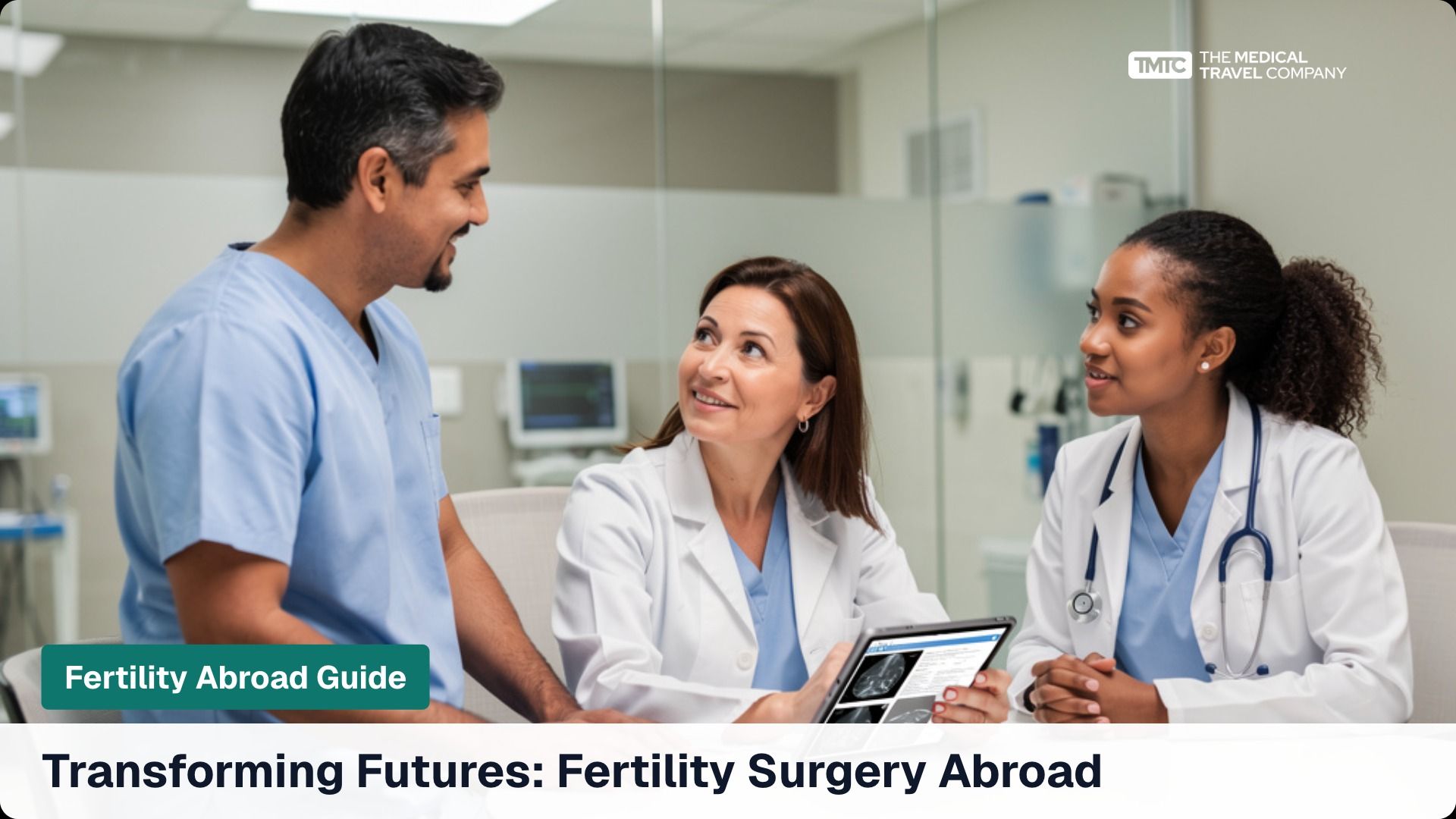
For couples struggling with infertility, the journey to parenthood can feel overwhelming, especially when local treatment options are limited or financially challenging. Many Zimbabwean patients are discovering that seeking fertility surgery abroad offers access to world-class care, advanced surgical techniques, and significantly more affordable treatment options. These medical procedures can address underlying conditions that prevent conception and dramatically improve your chances of starting a family.
Why Consider Fertility Surgery Abroad
Fertility surgery encompasses a range of procedures designed to correct structural problems affecting reproductive organs. Common surgeries include hysteroscopy to remove uterine polyps or fibroids, laparoscopic procedures for endometriosis, and tubal surgery to repair damaged fallopian tubes. These minimally invasive techniques can restore normal reproductive function when conservative treatments haven't worked.
The primary reasons Zimbabwean patients look abroad include cost savings of up to 70% compared to private healthcare in developed countries, access to cutting-edge technology and techniques, shorter waiting times, and comprehensive care packages that include travel assistance. Countries like India, Thailand, and Turkey have become popular destinations for their combination of affordability, quality, and English-speaking medical staff.
International fertility centers often provide personalized treatment plans tailored to your specific diagnosis and needs. This individualized approach, combined with state-of-the-art facilities and experienced surgeons, can significantly improve surgical outcomes compared to limited local options.
Understanding Reproductive Surgery Costs
The financial aspect of fertility treatment is often the determining factor for many couples. Understanding the true cost breakdown helps you make informed decisions about where to seek care.
Cost Comparison Breakdown
| Procedure | Zimbabwe (USD) | India (USD) | Savings |
|---|---|---|---|
| Hysteroscopy | $2,500-4,000 | $800-1,500 | 60-70% |
| Laparoscopic Surgery | $3,500-6,000 | $1,200-2,500 | 65-75% |
| Fibroid Removal | $3,000-5,500 | $1,000-2,200 | 65-70% |
| Endometriosis Surgery | $4,000-7,000 | $1,500-3,000 | 60-75% |
| Tubal Surgery | $2,800-4,500 | $900-1,800 | 65-70% |
These figures include surgeon fees, hospital charges, and basic aftercare. However, you'll need to factor in additional costs like flights (typically $800-1,200), accommodation ($30-80 per night), and local transportation. Even with these expenses, most patients save 50-60% on their total treatment costs.
Hidden Costs to Consider
Beyond the obvious expenses, consider costs for pre-surgical consultations, medical tests, travel insurance, extended stay if complications arise, and follow-up care once you return home. Some medical tourism companies offer all-inclusive packages that bundle these services, making budgeting more predictable.
Many international fertility centers work with specialized fertility programs that can help coordinate your entire treatment journey, from initial consultation to post-surgery care.
Popular Fertility Surgery Options
Different surgical approaches address specific fertility challenges. Understanding your options helps you discuss the most appropriate treatment with your chosen fertility specialist.
Laparoscopic Fertility Surgery
Laparoscopic surgery uses tiny incisions and a small camera to perform procedures with minimal tissue damage. This technique is highly effective for treating endometriosis, removing ovarian cysts, and correcting structural abnormalities in the reproductive organs. Recovery time is typically 1-2 weeks, significantly shorter than traditional open surgery.
The benefits include reduced scarring, faster healing, lower infection risk, and less post-operative pain. Success rates for conception after laparoscopic endometriosis surgery range from 40-60% within the first year, depending on the severity of the condition and your age.
Hysteroscopy Procedures
Hysteroscopy allows surgeons to examine and treat problems inside the uterus using a thin, lighted instrument. This procedure effectively removes uterine polyps, small fibroids, and scar tissue that can interfere with implantation or cause recurrent pregnancy loss.
Most hysteroscopy procedures are completed in under an hour and can be performed as day surgery. Studies show that removing intrauterine abnormalities can improve pregnancy rates by 15-20% for women undergoing IVF treatment or trying to conceive naturally.
Fibroid Removal Procedures
Uterine fibroids affect up to 40% of women of reproductive age and can significantly impact fertility. Myomectomy, the surgical removal of fibroids while preserving the uterus, can be performed laparoscopically, hysteroscopically, or through open surgery depending on fibroid size and location.
Key Benefits of Fibroid Removal for Fertility
- Improves embryo implantation rates by creating better uterine environment
- Reduces risk of miscarriage associated with large fibroids
- Alleviates heavy menstrual bleeding that can indicate hormonal imbalances
- Restores normal uterine shape and function for better pregnancy outcomes
- Can improve success rates for both natural conception and assisted reproduction
The approach chosen depends on factors like fibroid size, number, and location. Your surgeon will discuss which technique offers the best balance of effectiveness and preservation of fertility potential.
Benefits of Gynecological Surgery Abroad
Choosing surgery abroad isn't just about cost savings – it's about accessing comprehensive care that may not be readily available locally. International fertility centers often provide a level of service and technology that can significantly improve your treatment experience and outcomes.
World-class facilities abroad typically feature the latest surgical equipment, including high-definition cameras for laparoscopy, advanced electrosurgical devices, and state-of-the-art operating theaters designed specifically for fertility procedures. This technology enables more precise surgery with better outcomes and faster recovery times.
The personalized care approach means your treatment team will coordinate every aspect of your journey. From pre-surgical optimization to post-operative recovery, you'll receive individual attention that's often impossible in overloaded healthcare systems. Many centers assign dedicated patient coordinators who speak English and understand the unique needs of international patients.
Support services extend beyond the medical procedure itself. Many international centers offer assistance with travel arrangements, comfortable accommodation options, translation services when needed, and connections to local support groups for patients facing similar fertility challenges.
The Path to Conception After Surgery
Understanding what to expect after fertility surgery helps you prepare mentally and physically for your recovery journey and optimize your chances of conception.
Recovery Timelines and Expectations
Recovery varies by procedure type and individual healing patterns. Hysteroscopy typically requires 3-7 days of rest, while laparoscopic procedures may need 1-2 weeks before returning to normal activities. Open surgical procedures generally require 4-6 weeks for complete healing.
Most surgeons recommend waiting 1-3 months before attempting conception, allowing your reproductive organs to heal completely and hormone levels to normalize. This waiting period also gives you time to implement lifestyle changes that support fertility, such as optimizing nutrition, managing stress, and maintaining appropriate body weight.
Fertility Improvement After Surgery
Success rates vary significantly based on the underlying condition treated, your age, and overall health status. Women who undergo surgery for endometriosis see conception rates of 40-60% within 12 months. Fibroid removal can improve pregnancy rates by 25-35%, while correcting tubal problems may restore fertility in 30-70% of cases.
If natural conception doesn't occur within 6-12 months post-surgery, many patients explore assisted reproductive technologies like IUI or consider more advanced treatments. The surgical correction often improves the success rates of these procedures as well.
Ongoing Support and Resources
Staying connected with your surgical team is important for long-term success. Many international centers offer telemedicine follow-up consultations, allowing you to discuss concerns or complications without traveling. Some facilities also provide access to fertility counselors who can help you navigate the emotional aspects of your journey.
Back home in Zimbabwe, connecting with local fertility support groups or working with reproductive endocrinologists who understand your surgical history helps ensure continuity of care. Some patients also benefit from fertility-enhancing therapies that complement their surgical treatment.
Making the Decision: Next Steps
Choosing fertility surgery abroad requires careful planning and consideration of multiple factors. Start by obtaining comprehensive fertility testing locally to understand exactly what surgical intervention might benefit you. This information helps international specialists provide accurate treatment recommendations and cost estimates.
Research potential destinations thoroughly, considering factors like language barriers, travel requirements, quality accreditations, and surgeon credentials. Many reputable fertility centers maintain international accreditations and employ surgeons trained in Europe or North America.
Schedule virtual consultations with potential surgical teams before committing to travel. These consultations help you assess communication quality, understand the proposed treatment approach, and feel confident in your chosen medical team. Most reputable centers offer these preliminary consultations at no charge.
Consider the timing of your surgery carefully, accounting for recovery period, work commitments, and optimal timing for conception attempts. Some couples choose to combine their surgical journey with egg freezing procedures to preserve fertility while addressing underlying structural problems.
The decision to pursue fertility surgery abroad represents hope and determination in your journey toward parenthood. With careful planning, appropriate medical team selection, and realistic expectations, many Zimbabwean couples have successfully overcome fertility challenges through international treatment options. The combination of advanced surgical techniques, world-class care, and significant cost savings makes this path increasingly attractive for couples seeking effective solutions to their fertility struggles.
References:
- World Health Organization - Global fertility rates and surgical intervention outcomes
- International Federation of Fertility Societies - Surgical treatment guidelines for reproductive disorders
- American Society for Reproductive Medicine - Success rates for fertility surgery procedures
- European Society of Human Reproduction and Embryology - International treatment standards and outcomes
Related Articles

Ready to open the door to better health?