IVF Options for Zimbabwe Couples: Exploring Treatment Abroad for Your Family
Discover IVF options for couples in Zimbabwe and learn about treatment abroad. Explore costs, success rates, and personalized fertility care.
Last Updated On 29 April 20268m


Medical professional with 10+ years’ experience in diagnosis, patient care, and clinical leadership.
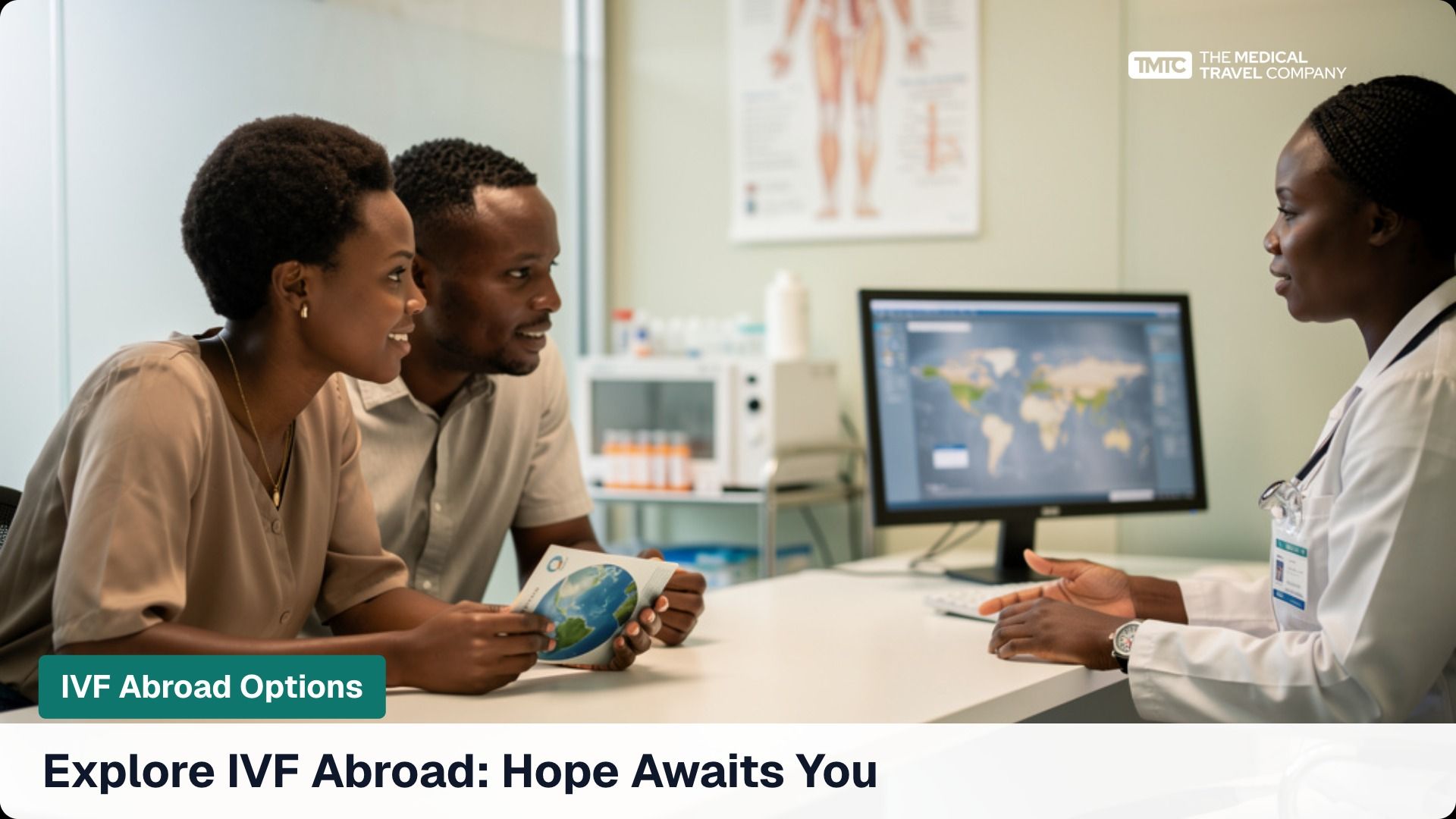
When you're ready to start or expand your family but face fertility challenges, the journey ahead can feel overwhelming. For couples in Zimbabwe, understanding your IVF options - both locally and abroad - is crucial for making informed decisions about your fertility treatment.
Zimbabwe's fertility care landscape has evolved significantly, with local clinics now offering advanced treatments alongside the growing option of seeking care internationally. Many couples find themselves weighing the benefits of staying close to home versus pursuing treatment in countries known for world-class fertility care at more affordable rates.
Understanding IVF: Your Path to Parenthood
In Vitro Fertilization, commonly known as IVF, is a fertility treatment where an egg is combined with sperm in a laboratory dish. Once fertilization occurs, the resulting embryo is transferred to your uterus.
The IVF process typically involves several key stages. First, you'll receive hormone medications to stimulate your ovaries to produce multiple eggs. Your doctor will monitor your progress through blood tests and ultrasounds. When your eggs are mature, they're retrieved through a minor surgical procedure.
Meanwhile, sperm is prepared in the laboratory. The eggs and sperm are combined, and after 3-5 days of development, the healthiest embryo is selected for transfer into your uterus. About two weeks later, you'll take a pregnancy test to determine if the treatment was successful.
IVF Options Within Zimbabwe
Zimbabwe has several fertility clinics that provide comprehensive IVF services. These facilities offer personalized treatment plans tailored to your specific needs and circumstances.
Local Fertility Clinics and Success Rates
Zimbabwean fertility clinics typically report success rates ranging from 25% to 40% per IVF cycle, depending on factors like your age and the cause of infertility. Women under 35 generally have higher success rates, while those over 40 may see lower rates.
The cost of IVF in Zimbabwe typically ranges from $3,000 to $5,000 per cycle, not including medications, which can add another $1,000 to $2,000. These costs can vary significantly between clinics and based on your individual treatment requirements.
| Age Group | Success Rate in Zimbabwe | Average Cost per Cycle (USD) |
|---|---|---|
| Under 35 Years | 35–40% | $4,000–5,500 |
| 35–37 Years | 30–35% | $4,000–5,500 |
| 38–40 Years | 25–30% | $4,000–5,500 |
| Over 40 Years | 15–25% | $4,000–5,500 |
Advantages of Seeking IVF Treatment Abroad
Many Zimbabwean couples are discovering significant benefits in pursuing fertility treatment internationally. Countries like India, South Africa, and Thailand have become popular destinations for couples seeking high-quality, affordable fertility care.
World-Class Care and Advanced Technology
International fertility centers often feature state-of-the-art laboratories, cutting-edge technology, and specialists with extensive experience treating diverse patient populations. Many of these facilities are accredited by international healthcare organizations, ensuring high standards of care.
These centers frequently offer advanced techniques like preimplantation genetic testing (PGT), which can help identify genetic abnormalities before embryo transfer. Such technologies may not be readily available in all Zimbabwean clinics. You can learn more about comprehensive fertility care options in Kenya available internationally.
Cost Advantages
Treatment abroad can offer substantial savings. For instance, IVF treatment in India typically costs 50-70% less than similar treatments in Western countries, while maintaining comparable success rates. Even when factoring in travel and accommodation costs, many couples find significant overall savings.
Countries like India offer comprehensive IVF packages for Batswana that include multiple treatment cycles, accommodation, and personalized support throughout your journey.
Comparing Costs: Zimbabwe vs. International Options
Understanding the financial commitment involved in IVF treatment helps you plan effectively for your fertility journey.
| Treatment Component | Zimbabwe Cost (USD) | India Cost (USD) | South Africa Cost (USD) |
|---|---|---|---|
| IVF Cycle | $3,000–5,000 | $1,500–2,500 | $2,500–4,000 |
| Medications | $1,000–2,000 | $300–600 | $800–1,200 |
| Additional Procedures | $500–1,500 | $200–800 | $400–1,000 |
| Travel & Accommodation | N/A | $800–1,500 | $600–1,200 |
| Total Estimated Cost | $4,500–8,500 | $2,800–5,400 | $3,800–7,400 |
When considering treatment abroad, remember to factor in multiple visits - you'll likely need an initial consultation, the treatment cycle itself, and potentially follow-up appointments. Some couples choose to combine their treatment with a vacation, making the experience less stressful.
The IVF Process: What to Expect During Your Cycle
Whether you choose treatment in Zimbabwe or abroad, understanding the IVF process helps you prepare mentally and physically for the journey ahead.
Key Stages of Your IVF Cycle
- Initial consultation and fertility testing (2-4 weeks)
- Ovarian stimulation with hormone medications (8-14 days)
- Regular monitoring with blood tests and ultrasounds
- Egg retrieval procedure (outpatient, 20-30 minutes)
- Fertilization and embryo development (3-5 days)
- Embryo transfer procedure (15-20 minutes)
- Two-week wait before pregnancy test
Understanding IVF Risks and Age Considerations
Like any medical procedure, IVF carries some risks. The most common include ovarian hyperstimulation syndrome (OHSS), multiple pregnancies, and the emotional stress of treatment. Your age significantly impacts both success rates and potential complications.
Women under 35 have the highest success rates and lowest risk of complications. After age 35, both egg quality and quantity decline, which can affect treatment outcomes. Most clinics don't have strict age limits, but success rates decrease significantly after age 42.
If you're considering egg freezing treatment for Kenyans as a way to preserve your fertility for the future, the best time to do this is in your twenties or early thirties when egg quality is optimal.
Making an Informed Decision About Your Treatment Location
Choosing between local and international treatment requires careful consideration of multiple factors beyond just cost.
Key Questions to Ask Yourself
Before making your decision, consider these important questions: How comfortable are you with traveling for medical treatment? Do you have support systems in place if you choose treatment abroad? What's your timeline for starting a family? How many treatment cycles can you afford?
Also think about the emotional aspects. Some couples prefer staying close to home where they have family support, while others find the change of environment during treatment abroad refreshing and less stressful.
Gathering Expert Guidance
Regardless of where you choose to receive treatment, consulting with fertility specialists is essential. Many international clinics offer virtual consultations, allowing you to explore your options without immediate travel commitments.
Consider seeking second opinions from multiple specialists. This helps you understand different treatment approaches and gives you confidence in your chosen path. Some couples start with consultations locally and then explore international options.
Support and Counseling Throughout Your Journey
The fertility journey can be emotionally challenging. Look for clinics that provide comprehensive support services, including counseling, support groups, and patient coordinators who can guide you through the process.
If you're considering treatment abroad, ensure your chosen clinic provides adequate support in English and has experience working with international patients. Many reputable centers assign dedicated coordinators to help with travel arrangements, accommodation, and communication.
Taking Your Next Steps Toward Parenthood
Your fertility journey is unique, and the right choice for your family depends on your specific circumstances, preferences, and goals. Whether you choose treatment in Zimbabwe or abroad, the most important step is starting the conversation with qualified specialists who can assess your situation.
We understand that every couple's fertility journey is different, which is why we provide personalized treatment plans and comprehensive support from your first consultation through to successful pregnancy. Our experienced team is here to guide you every step of the way.
Many couples find it helpful to schedule consultations with both local and international clinics to compare options directly. This allows you to ask specific questions about success rates, treatment protocols, costs, and support services.
Remember that fertility treatment is an investment in your future family. While cost is certainly a consideration, factors like success rates, quality of care, and your comfort level with the treatment team are equally important.
If you're exploring comprehensive fertility care options, consider learning more about specialized IVF programs in Uganda that offer personalized treatment plans and expert guidance throughout your journey.
Take that first step today by reaching out to fertility specialists who can provide the expert guidance you need to make informed decisions about your path to parenthood. Your dream of starting or expanding your family is within reach with the right support and treatment approach.
References
Information in this article is based on current medical knowledge and treatment protocols. Specific success rates, costs, and treatment options may vary based on individual circumstances and chosen healthcare providers. Always consult with qualified fertility specialists for personalized medical advice and treatment recommendations.
Related Articles

Ready to open the door to better health?