Shoulder Replacement Abroad: What Nigerian Patients Should Expect
Explore the journey of shoulder replacement abroad for Nigerian patients, covering costs, recovery, and expert guidance.
Last Updated On 29 April 20269m


Medical professional with 10+ years’ experience in diagnosis, patient care, and clinical leadership.
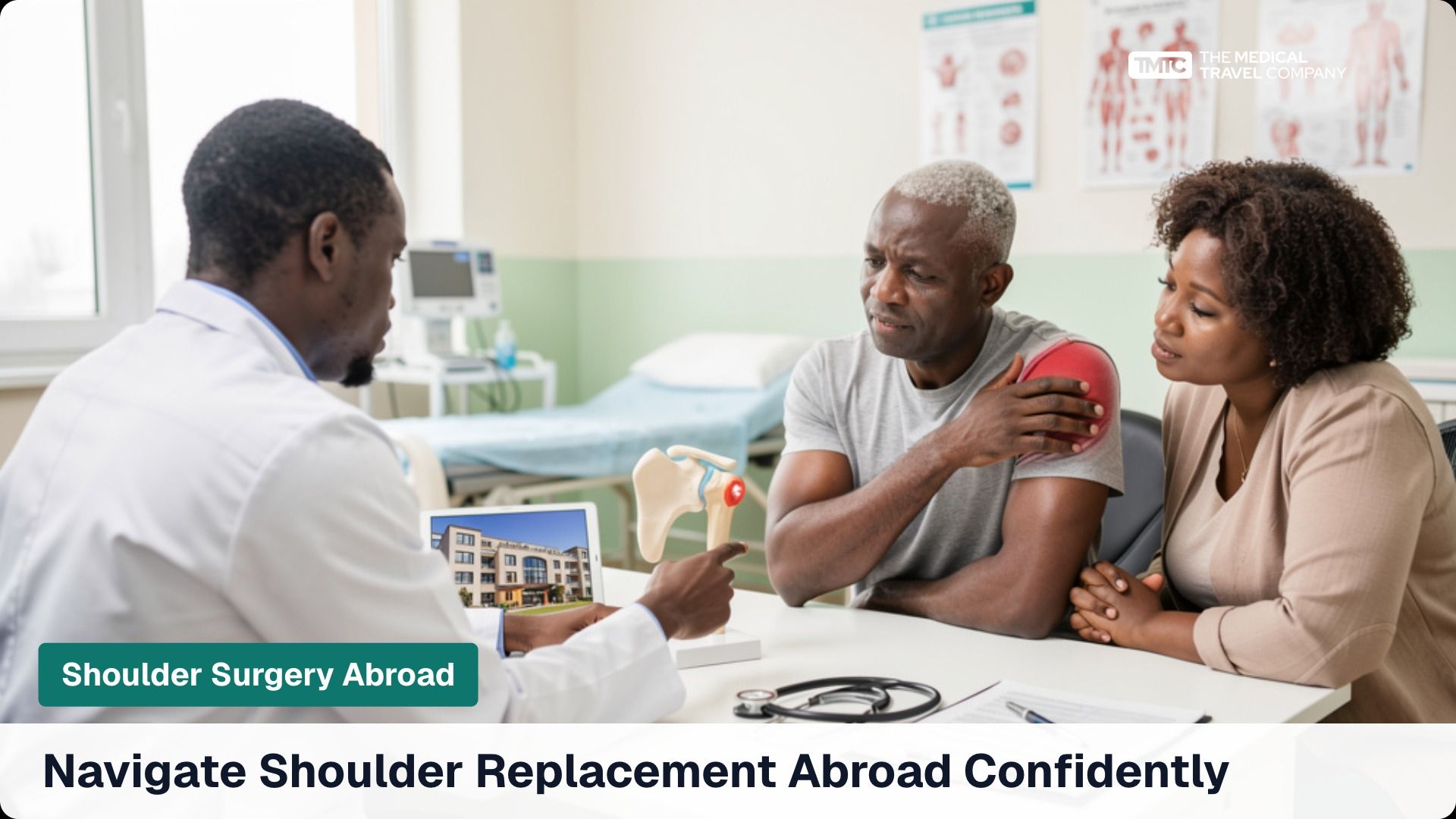
Living with chronic shoulder pain can severely limit your daily activities and quality of life. For many Nigerian patients, shoulder replacement surgery abroad offers access to world-class care, advanced technology, and affordable healthcare solutions. This comprehensive guide will walk you through everything you need to know about pursuing shoulder replacement surgery overseas.
Understanding Shoulder Replacement Surgery
Shoulder replacement surgery is a procedure where damaged parts of the shoulder joint are replaced with artificial implants. This surgery can dramatically improve mobility and reduce pain for patients suffering from severe arthritis, rotator cuff tears, or other shoulder conditions.
What is Shoulder Replacement Surgery?
During shoulder replacement surgery, your surgeon removes damaged bone and cartilage from your shoulder joint and replaces them with metal and plastic components. The goal is to restore pain-free movement and improve your overall shoulder function. This procedure can be life-changing for patients who haven't found relief through conservative treatments like physiotherapy or medication.
Types of Shoulder Replacement
There are two main types of shoulder replacement: total shoulder replacement and partial shoulder replacement. Total shoulder replacement involves replacing both the ball and socket of your shoulder joint, while partial replacement only replaces the ball portion. Your surgeon will determine which type is best based on your specific condition and the extent of damage to your joint. For patients considering shoulder replacement surgery, understanding these options is crucial for making informed decisions.
Why Consider Shoulder Replacement Abroad?
Many Nigerian patients are discovering the advantages of seeking shoulder replacement surgery abroad. The combination of expert medical care, cost savings, and access to cutting-edge technology makes international treatment an attractive option.
World-Class Care
International medical centers often provide access to highly experienced orthopedic surgeons who specialize in shoulder procedures. These specialists have performed thousands of surgeries and stay current with the latest techniques and technologies. You'll receive the same level of care that patients from developed countries expect, with English-speaking medical teams and internationally accredited facilities.
Affordable Healthcare
One of the most compelling reasons to consider shoulder replacement abroad is the significant cost savings. Patients can often save 50-70% compared to similar procedures in private Nigerian facilities, even when factoring in travel and accommodation costs. This makes high-quality orthopedic care accessible to middle-class families who might otherwise struggle to afford it.
Access to Advanced Technology
International medical centers invest heavily in the latest surgical equipment and minimally invasive techniques. You'll have access to modern operating theaters, advanced imaging technology, and state-of-the-art implants that may not be readily available in Nigeria. This technology can lead to better outcomes, shorter recovery times, and improved long-term results.
What to Expect: Procedure and Preparation
Proper preparation is essential for a successful shoulder replacement abroad. Understanding the process helps you feel more confident and ensures the best possible outcome.
Initial Consultation
Your journey begins with a comprehensive evaluation of your condition. Many international providers offer virtual consultations where you can share your medical history, X-rays, and MRI results. During this consultation, your surgeon will assess whether you're a good candidate for shoulder replacement and discuss your treatment options. This initial assessment is crucial for creating a personalised treatment plan that addresses your specific needs.
Pre-Surgery Preparations
Before traveling for surgery, you'll need to complete several important steps. These typically include blood tests, cardiac clearance, and sometimes additional imaging studies. Your medical team will provide you with a detailed checklist of required tests and preparations. It's also important to arrange for post-surgery care and rehabilitation, as proper physiotherapy shoulder rehab is essential for optimal recovery.
Pre-Surgery Preparation Checklist
- Complete blood work and medical clearances
- Obtain necessary travel documents and visas
- Arrange accommodation near the medical facility
- Plan for post-surgery care and assistance
- Organize time off work for recovery period
- Prepare home environment for recovery
- Arrange follow-up care in Nigeria
Shoulder Surgery Cost Abroad
Understanding the financial aspects of shoulder replacement abroad helps you budget appropriately and compare options effectively.
Comparative Cost Analysis
The shoulder surgery cost abroad varies depending on the destination and facility, but significant savings are possible. Countries like India, Turkey, and Thailand offer high-quality care at competitive prices. While private shoulder replacement in Nigeria might cost between ₦8-15 million, the same procedure abroad could cost ₦3-6 million, including travel expenses.
| Location | Approximate Cost (₦) | Quality Rating | Travel Time from Nigeria |
|---|---|---|---|
| Nigeria (Private) | 8-15 million | Good | N/A |
| India | 3-5 million | Excellent | 8-10 hours |
| Turkey | 4-6 million | Excellent | 6-8 hours |
| Thailand | 5-7 million | Excellent | 12-14 hours |
Hidden Costs to Consider
When budgeting for shoulder replacement abroad, factor in additional expenses beyond the surgery itself. These include visa fees, flights, accommodation, meals, and potential extended stays for complications. You should also consider the cost of a companion, as you'll need assistance during recovery. Some patients find it helpful to budget an additional 20-30% above the quoted surgical fees for these extras.
Recovery After Shoulder Replacement Surgery
Understanding the recovery process helps set realistic expectations and ensures you're prepared for the healing journey ahead.
Expected Recovery Timeline
The shoulder surgery recovery time varies for each patient, but most people can expect significant improvements within 3-6 months. Initial healing takes about 6-8 weeks, during which you'll need to protect the surgical site and follow strict movement restrictions. Full recovery, including return to normal activities, typically takes 4-6 months with proper rehabilitation.
Mobility After Shoulder Surgery
Regaining mobility after shoulder surgery is a gradual process that requires patience and dedication. You'll start with gentle range-of-motion exercises within the first few days after surgery. As healing progresses, your physiotherapy program will advance to include strengthening exercises and functional movements. Most patients achieve 80-90% of normal shoulder function by six months post-surgery. For comprehensive orthopedic care, consider exploring advanced shoulder replacement options that include detailed rehabilitation protocols.
Minimally Invasive Techniques
Many international centers offer minimally invasive shoulder surgery techniques that can reduce recovery time and improve outcomes. These approaches use smaller incisions, preserve more healthy tissue, and often result in less post-operative pain. Minimally invasive shoulder surgery can lead to faster healing, reduced scarring, and quicker return to daily activities compared to traditional open surgery techniques.
Long-Term Management and Care
Successful shoulder replacement requires ongoing attention to maintain optimal function and prevent complications.
Rotator Cuff vs Replacement
It's important to understand the difference between rotator cuff surgery and shoulder replacement. Rotator cuff surgery repairs torn tendons around the shoulder joint, while shoulder replacement addresses joint damage from arthritis or severe injury. Some patients may benefit from rotator cuff repair before considering replacement, while others need joint replacement surgery first. Your surgeon will help determine which approach is best for your specific condition.
Long-Term Shoulder Pain Treatment
After shoulder replacement, long term shoulder pain treatment focuses on maintaining joint function and preventing complications. This includes regular follow-up appointments, continued exercise programs, and monitoring for signs of implant wear or loosening. Most patients experience dramatic pain relief that lasts for decades, but staying proactive about shoulder health helps ensure the best long-term outcomes. Additionally, exploring other joint treatments like ACL reconstruction may be beneficial for patients with multiple orthopedic concerns.
Patient Testimonials and Success Stories
Real patient experiences provide valuable insights into the shoulder replacement journey abroad and its transformative impact on quality of life.
Real Experiences
Nigerian patients who have undergone shoulder replacement abroad consistently report high satisfaction levels with their care and outcomes. Many describe the experience as professionally managed from start to finish, with clear communication, comfortable facilities, and attentive medical staff. Patients appreciate the personalized attention they receive and the comprehensive support throughout their treatment journey.
Patient Success StoryAfter years of struggling with severe shoulder arthritis, I decided to pursue treatment abroad. The entire experience exceeded my expectations - from the initial consultation to the post-operative care. Six months later, I'm pain-free and back to enjoying activities I thought I'd never do again. The quality of care and cost savings made it the best healthcare decision I've ever made.
Impact on Quality of Life
The transformative impact of successful shoulder replacement extends far beyond pain relief. Patients report improved sleep quality, increased independence, and the ability to return to hobbies and activities they love. Many describe feeling like they've regained years of their lives, with renewed confidence and energy to pursue personal and professional goals.
Next Steps and Getting Started
Taking the first step toward shoulder replacement abroad requires careful planning and expert guidance to ensure the best possible outcome.
Finding the Right Facility
Choosing the right healthcare provider is crucial for successful shoulder replacement abroad. Look for facilities with international accreditation, experienced orthopedic surgeons, and strong patient testimonials. Consider factors like language support, post-operative care programs, and the facility's track record with international patients. Don't hesitate to request virtual consultations with multiple providers to compare their approaches and recommendations.
Preparing for Your Trip
Once you've chosen your medical provider, careful trip preparation ensures a smooth experience. Work closely with your medical coordinator to arrange all necessary documentation, travel logistics, and accommodation. Many facilities offer comprehensive packages that include airport transfers, accommodation, and even tourist activities for your recovery period.
Travel Preparation Checklist
- Confirm surgery dates and travel itinerary
- Arrange travel insurance that covers medical procedures abroad
- Pack comfortable clothing suitable for recovery
- Organize medication supplies for the trip
- Prepare copies of all medical records and test results
- Plan entertainment for recovery period
- Set up communication with family back home
Shoulder replacement abroad offers Nigerian patients an opportunity to access world-class orthopedic care while achieving significant cost savings. With proper preparation, expert guidance, and realistic expectations, you can look forward to a successful surgery and improved quality of life. The journey may seem daunting initially, but thousands of patients have successfully navigated this path to pain-free shoulders and renewed mobility. Take the first step by researching qualified providers and scheduling an initial consultation to explore your options.
References
- Medical Tourism Research and Information - Orthopedic surgery outcomes and cost analysis
- International Healthcare Accreditation Standards - Quality metrics for overseas medical facilities
- Nigerian Medical Association - Guidelines for medical treatment abroad
- Journal of Shoulder and Elbow Surgery - Recovery timelines and rehabilitation protocols
- Patient Testimonial Database - Real experiences from Nigerian patients treated abroad
Related Articles

Ready to open the door to better health?