Knee Replacement Abroad for Nigerian Patients: Cost, Recovery & Expert Insights
Explore affordable knee replacement options abroad. Learn about costs, recovery, and the best surgeons for Nigerian patients.
Last Updated On 29 April 20269m


Medical professional with 10+ years’ experience in diagnosis, patient care, and clinical leadership.
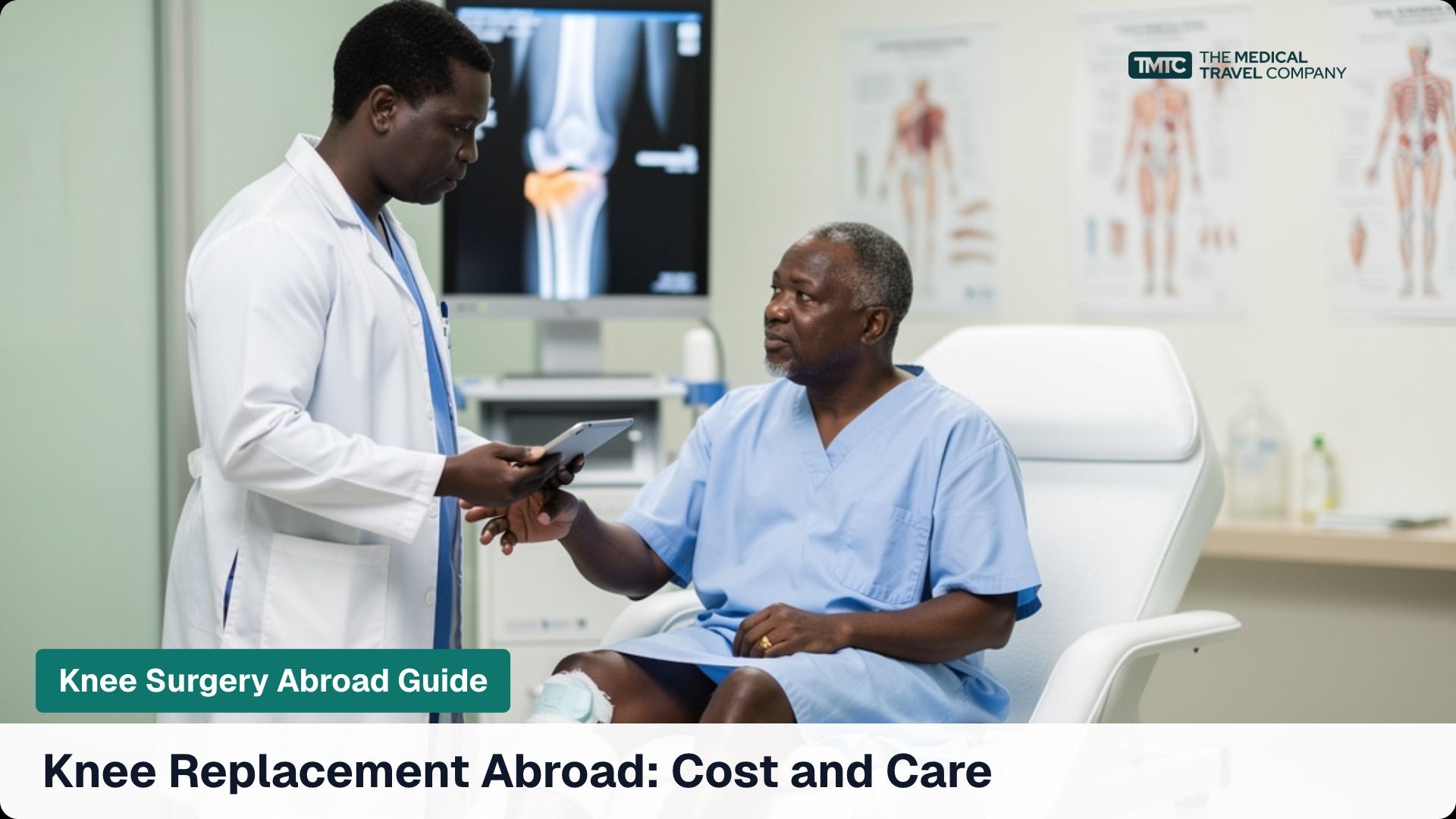
If you're living with chronic knee pain in Nigeria, you've probably wondered about your treatment options. While local healthcare has its merits, many Nigerian patients are discovering that knee replacement abroad offers world-class care at significantly more affordable rates. This comprehensive guide will walk you through everything you need to know about getting knee surgery outside Nigeria, from costs and recovery timelines to choosing the right surgeon for your needs.
Understanding Knee Replacement Abroad
Total knee replacement surgery involves removing damaged cartilage and bone from your knee joint and replacing it with an artificial implant made of metal and plastic components. This procedure can dramatically reduce pain and restore mobility when conservative treatments haven't provided relief.
What Makes Surgery Abroad Attractive?
Many Nigerian patients choose overseas treatment for several compelling reasons. First, you'll often save 40-70% compared to private healthcare costs in Nigeria while accessing advanced medical technology that might not be readily available locally. Countries like the UK, India, and Turkey have established medical tourism programs specifically designed to provide seamless experiences for international patients.
Additionally, shorter waiting times mean you can get your surgery scheduled within weeks rather than months. You'll also benefit from comprehensive care packages that include everything from airport transfers to post-surgery accommodation, making the entire process surprisingly straightforward.
Cost of Knee Replacement Abroad
Understanding the financial aspect is crucial when planning your surgery abroad. The total cost varies significantly depending on your chosen destination, the type of implant used, and the level of care you select.
| Country | Average Cost (USD) | Hospital Stay | Key Benefits |
|---|---|---|---|
| UK | $12,000-18,000 | 3-5 days | NHS-standard care, English-speaking |
| India | $4,000-8,000 | 5-7 days | Highly experienced surgeons, cost-effective |
| Turkey | $6,000-12,000 | 4-6 days | Modern facilities, comprehensive packages |
| Thailand | $8,000-15,000 | 5-7 days | Luxury care, tourism opportunities |
| Czech Republic | $7,000-14,000 | 4-5 days | EU standards, competitive pricing |
Hidden Costs to Budget For
Beyond the surgery itself, you'll need to account for additional expenses. Flight costs typically range from $800-2,500 depending on your destination. Accommodation for your recovery period can add $50-200 per night, though many medical tourism packages include this. Don't forget to budget for travel insurance specifically covering medical procedures abroad, which usually costs 3-5% of your total trip value.
Some patients also choose to extend their stay for tourism, which can help justify the travel costs while you recover. If you're considering knee replacement surgery in the UK, remember that comprehensive packages often include many of these ancillary costs.
Choosing the Best Knee Surgeons Abroad
Your surgeon's expertise will directly impact your surgery outcome and recovery experience. When researching specialists abroad, focus on those with extensive experience in knee replacement procedures specifically.
Essential Criteria for Surgeon Selection
Look for surgeons who perform at least 100 knee replacements annually and have board certifications in orthopedic surgery. Check if they're affiliated with internationally accredited hospitals and whether they have specific experience treating international patients. Many top surgeons also specialize in robotic knee replacement techniques, which can offer more precise implant positioning.
Ask about their complication rates and patient satisfaction scores. Reputable surgeons will be transparent about their outcomes and happy to provide references from previous patients. If you're exploring options across different countries, consider that knee replacement surgery in Kenya and other African destinations might offer familiar cultural contexts alongside international standards.
Top International Medical Destinations
The UK leads in medical tourism for Africans due to established NHS standards and English-speaking environments. India offers world-class care at the most competitive prices, with many surgeons trained in Western countries. Turkey has rapidly emerged as a premium destination, combining European standards with Middle Eastern hospitality.
What to Expect During Recovery
Recovery from knee replacement surgery follows a predictable timeline, though individual experiences vary. Understanding what's ahead helps you plan appropriately and set realistic expectations.
Your Recovery Timeline
The first 24-48 hours focus on pain management and initial mobility. Most patients start walking with assistance within hours of surgery. Your hospital stay typically lasts 3-7 days depending on your progress and the medical protocols in your chosen country.
Week 1-2 involves gentle mobility exercises and wound care. You'll likely use walking aids during this period. Weeks 3-6 mark significant improvement as swelling reduces and strength returns. Most patients can walk independently by week 6, though you might still experience some discomfort.
Full recovery typically takes 3-6 months, with some patients reporting continued improvement up to a year post-surgery. The key is following your physiotherapy program religiously and not rushing the process.
Essential Recovery Milestones
- Day 1-2: Begin assisted walking with physical therapist
- Week 1: Manage pain with prescribed medications and ice
- Week 2-3: Start outpatient physiotherapy sessions
- Week 4-6: Transition from walking aids to independent walking
- Month 3: Resume most daily activities with minimal discomfort
- Month 6: Return to recreational activities as approved by surgeon
Physiotherapy After Knee Surgery
Physiotherapy isn't optional—it's essential for optimal recovery. Your therapy will begin in the hospital and continue for several months post-surgery. The initial focus is on reducing swelling, maintaining range of motion, and building basic strength.
Many medical tourism packages include initial physiotherapy sessions, but you'll need to arrange continued care once you return to Nigeria. Consider this when budgeting for your overall treatment. Some patients also benefit from exploring ACL reconstruction and other related procedures if they have multiple joint issues.
Benefits of Robotic Knee Replacement
Robotic-assisted knee replacement represents the latest advancement in orthopedic surgery. This technology allows surgeons to plan your procedure using 3D imaging and execute it with computer-assisted precision.
How Robotic Surgery Works
Before surgery, detailed CT scans create a 3D model of your knee. The robotic system helps your surgeon position the implant with sub-millimeter accuracy, potentially leading to better alignment and longer-lasting results. The robot doesn't perform the surgery autonomously—your surgeon maintains complete control while benefiting from enhanced precision.
Advantages Over Traditional Techniques
Patients often experience less tissue damage during robotic procedures, which can translate to reduced pain and faster recovery. The precision of implant placement may also extend the lifespan of your new knee joint. While robotic knee replacement costs more initially, many patients find the potential benefits justify the additional expense.
Recovery times are often 2-4 weeks shorter with robotic techniques, and patients report better range of motion and knee function compared to traditional approaches. However, the most crucial factor remains your surgeon's skill and experience, regardless of the technology used.
Planning Your Journey for Knee Surgery Abroad
Successful medical tourism requires careful planning, but the process doesn't have to be overwhelming. Most reputable medical tourism companies provide dedicated coordinators who guide you through each step.
Preparing for Your Trip
Start by obtaining all necessary medical records, including recent X-rays, MRI results, and blood work. Ensure your passport has at least six months validity and research visa requirements for your destination. Many countries offer medical visas specifically for patients seeking treatment.
Schedule a pre-surgery consultation to discuss your specific needs and expectations. This might be conducted via video call or during a preliminary visit. Purchase comprehensive travel insurance that covers medical procedures abroad—this is non-negotiable for your safety and financial protection.
What to Expect on Arrival
Most medical tourism programs include airport pickup and transport to your accommodation. You'll typically have a day or two for final consultations and pre-operative tests before your surgery. This adjustment period helps you recover from jet lag and feel more comfortable in your new environment.
Your care coordinator will handle logistical details like appointment scheduling and translation services if needed. This seamless experience allows you to focus entirely on your health and recovery rather than navigating unfamiliar systems.
Patient Success StoryThe entire experience exceeded my expectations. From the moment I arrived at the airport, everything was handled professionally. My knee replacement surgery was successful, and the aftercare was exceptional. Six months later, I'm pain-free and wish I'd done this sooner. — Sarah O., Lagos
A Path to Pain-Free Living
Knee replacement abroad offers Nigerian patients access to world-class care at affordable prices, often with shorter waiting times than local options. Whether you choose the UK for familiar language and NHS standards, India for cost-effectiveness, or Turkey for comprehensive packages, the key is selecting experienced surgeons and accredited facilities.
Remember that successful outcomes depend on careful planning, realistic expectations, and commitment to your recovery program. The investment in your mobility and quality of life can be life-changing, giving you years of pain-free movement and independence.
If you're ready to explore your options for knee replacement surgery or want to learn more about personalised treatment plans, consider scheduling a consultation with experienced medical tourism coordinators. They can provide detailed cost breakdowns, surgeon recommendations, and help you understand which destination best fits your needs and budget.
Don't let knee pain continue limiting your life. With proper planning and expert guidance, your journey to pain-free living can begin sooner than you think. Take the first step by researching your options and connecting with reputable medical tourism providers who understand the specific needs of Nigerian patients seeking care abroad.
References
- American Academy of Orthopaedic Surgeons - Total Knee Replacement surgery statistics and outcomes
- International Medical Tourism Association - Global medical tourism trends and cost comparisons
- Journal of Arthroplasty - Recovery timelines and physiotherapy effectiveness in knee replacement patients
- Medical Tourism Magazine - Robotic surgery benefits and patient outcomes in knee replacement
- World Health Organization - International healthcare quality standards and patient safety guidelines
Related Articles

Ready to open the door to better health?