Knee Replacement Abroad: A Complete Guide for Nigerian Patients
Explore the ultimate guide to knee replacement abroad for Nigerian patients, including costs, recovery, and healthcare options.
Last Updated On 29 April 202613m


Medical professional with 10+ years’ experience in diagnosis, patient care, and clinical leadership.
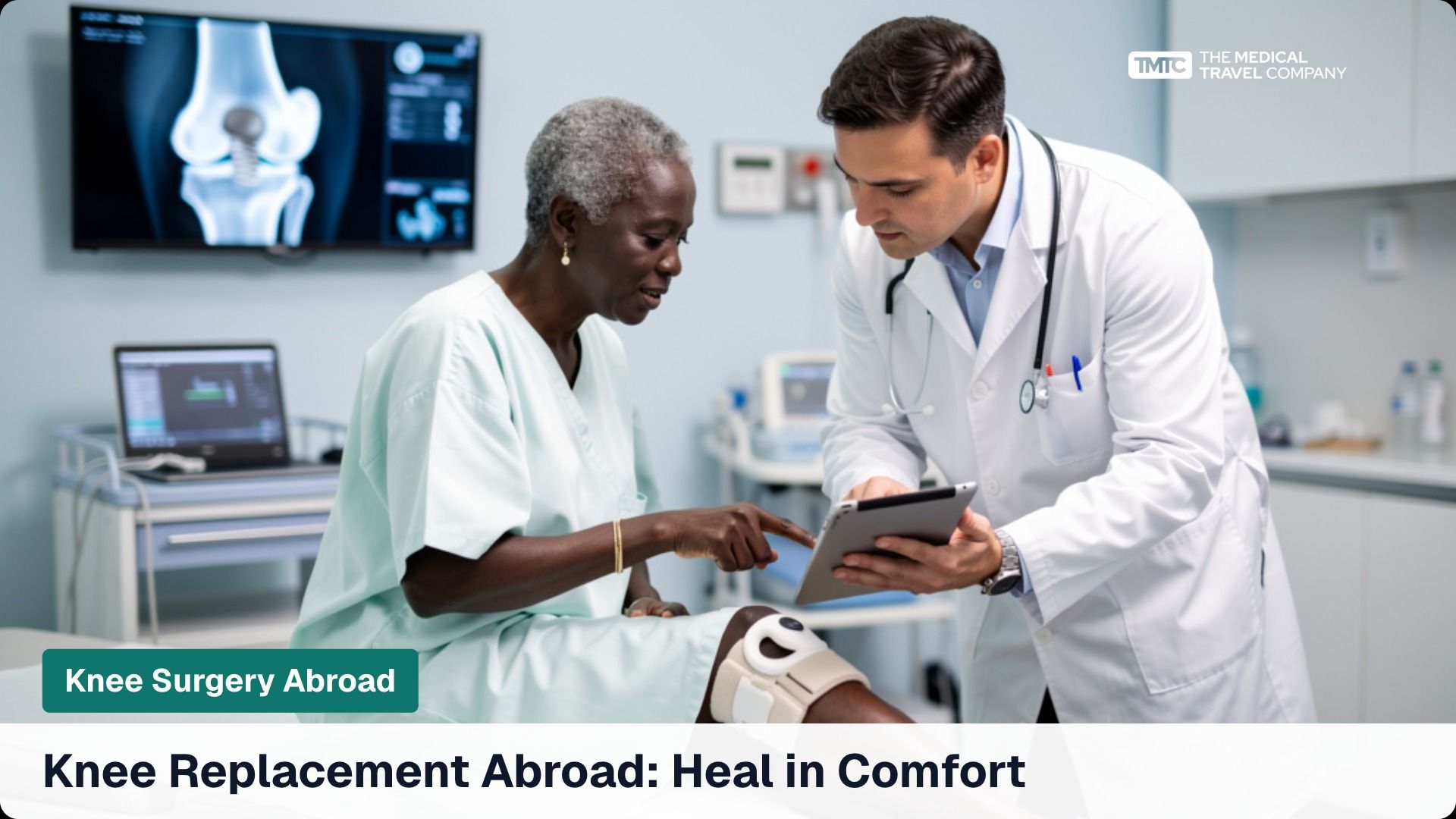
Living with chronic knee pain doesn't have to be your reality. For many Nigerians facing severe arthritis, injuries, or degenerative joint conditions, knee replacement surgery offers a path back to pain-free mobility and improved quality of life.
While knee replacement procedures are available in Nigeria, many patients are choosing to travel abroad for their surgery. This decision isn't just about cost savings – it's about accessing world-class care, advanced surgical techniques, and comprehensive recovery programs that ensure the best possible outcomes.
Whether you're just beginning to consider your options or you're ready to take the next step, this guide will walk you through everything you need to know about getting knee replacement surgery abroad as a Nigerian patient.
Understanding Knee Replacement Surgery
Knee replacement surgery involves removing damaged cartilage and bone from your knee joint and replacing it with an artificial joint made from metal and plastic components. This procedure can dramatically reduce pain and restore function to your knee.
Types of knee replacement procedures
There are two main types of knee replacement procedures to consider. Total knee replacement removes the entire knee joint and replaces it with an artificial one. This is the most common type and typically recommended for severe arthritis affecting the whole knee.
Partial knee replacement, also called unicompartmental knee replacement, only replaces the damaged part of your knee. This option works well if arthritis affects just one section of your knee joint. Recovery is often faster, and the surgery is less invasive than total replacement.
Your orthopedic surgeon will determine which type is best for you based on X-rays, MRI scans, and a physical examination of your knee. The choice depends on how much of your knee is damaged and your overall health condition.
Benefits of knee replacement
The primary benefit is significant pain relief. Most patients experience dramatic improvement in their daily comfort levels within weeks of surgery. You'll likely find activities that were once painful – like walking, climbing stairs, or getting up from chairs – become much easier.
Improved mobility is another major advantage. Many patients can return to activities they enjoyed before their knee problems started. While high-impact sports might be limited, most daily activities and many recreational pursuits become possible again.
Modern knee implants are designed to last 15-20 years or more with proper care. This means most patients can expect decades of improved quality of life from their surgery.
Why Consider Knee Replacement Abroad?
Medical tourism has grown significantly as patients seek high-quality healthcare at more affordable prices. For Nigerian patients, traveling abroad for knee replacement offers several compelling advantages beyond just cost savings.
Access to advanced technology and techniques
Many international hospitals specializing in orthopedic surgery use the latest surgical techniques and implant technologies. This includes computer-assisted surgery, robotic-assisted procedures, and advanced implant materials that may not be widely available in Nigeria.
These technological advances can lead to more precise surgery, better implant positioning, and potentially faster recovery times. Some international facilities also offer minimally invasive techniques that result in smaller incisions and less tissue damage.
Comprehensive care packages
International medical tourism facilities often provide complete care packages that include pre-surgery consultations, the surgery itself, post-operative care, physiotherapy, and even accommodation for patients and their companions.
This comprehensive approach ensures continuity of care and removes the stress of coordinating different aspects of your treatment. Many facilities also provide dedicated international patient coordinators who speak English and understand the specific needs of Nigerian patients.
For those considering knee replacement surgery in the UK, patients benefit from world-renowned orthopedic expertise and state-of-the-art facilities that have pioneered many modern knee replacement techniques.
Cost considerations
While the initial cost of traveling abroad might seem significant, the total expense – including travel, accommodation, and surgery – is often less than private healthcare costs in Nigeria for equivalent quality care.
Additionally, many international facilities offer transparent pricing with no hidden costs, making it easier to budget for your procedure. Some destinations also offer favorable exchange rates that can make treatment even more affordable for Nigerian patients.
Choosing the Right Destination for Your Surgery
Selecting the right country and hospital for your knee replacement is a crucial decision that will impact your experience and outcomes. Several factors should guide your choice.
Popular destinations for Nigerian patients
The United Kingdom remains a top choice for many Nigerian patients due to historical ties, language similarities, and excellent healthcare standards. UK hospitals offer some of the world's most experienced orthopedic surgeons and advanced facilities.
India has become increasingly popular for medical tourism, offering high-quality care at very competitive prices. Many Indian hospitals have international accreditation and English-speaking staff, making them accessible for Nigerian patients.
Turkey has emerged as a strong destination for orthopedic procedures, combining European standards of care with more affordable pricing. Turkish hospitals often cater specifically to international patients.
Other African countries like South Africa and Kenya also offer quality orthopedic care. For those staying closer to home, knee replacement surgery in Kenya provides excellent care with shorter travel times and similar cultural contexts.
Key factors to evaluate
Hospital accreditation is essential. Look for facilities with international accreditation from organizations like Joint Commission International (JCI) or similar bodies. This ensures the hospital meets rigorous international standards for safety and quality.
Surgeon experience matters significantly. Research the credentials and experience of the orthopedic surgeons who will perform your procedure. Look for board certification, fellowship training, and experience specifically with knee replacement surgery.
Consider the recovery environment. Some destinations offer dedicated recovery facilities or partnerships with rehabilitation centers. This can be particularly important for knee replacement, where post-surgery physiotherapy is crucial for optimal outcomes.
Language and cultural comfort shouldn't be overlooked. Choose a destination where you feel comfortable communicating and where staff understand your cultural needs and preferences.
What to Expect: Before, During, and After Surgery
Understanding the entire process helps you prepare mentally and physically for your knee replacement journey. Each phase has specific requirements and expectations.
Pre-surgery preparations
Your journey begins with a comprehensive medical evaluation. This typically includes blood tests, X-rays, and sometimes an MRI or CT scan to assess your knee damage and plan the surgery. Many international facilities can review your medical records remotely before you travel.
Pre-surgery consultations may happen via video call, allowing you to meet your surgeon and ask questions before traveling. This also gives your medical team time to address any concerns or additional tests needed before your arrival.
Physical preparation is important too. Your surgeon may recommend exercises to strengthen the muscles around your knee and improve your overall fitness before surgery. This can help speed your recovery.
Travel arrangements should be made well in advance. You'll need to arrange flights, accommodation (often provided by the medical facility), and ensure your passport and any required visas are up to date.
The surgery day experience
On the day of surgery, you'll typically arrive at the hospital several hours before your procedure. The medical team will complete final preparations, including anesthesia consultation and surgical site preparation.
The surgery itself usually takes 1-2 hours, depending on the complexity of your case and the type of replacement needed. Most knee replacements are performed under general anesthesia, though some surgeons may use regional anesthesia.
After surgery, you'll spend time in the recovery room before being moved to your hospital room. Most patients stay in the hospital for 2-4 days, depending on their progress and the hospital's protocols.
Post-operative care and recovery
Recovery begins immediately after surgery. Physical therapy usually starts within 24 hours, beginning with simple movements and gradually progressing to more complex exercises. This early movement is crucial for preventing complications and promoting healing.
Pain management is a priority during early recovery. Your medical team will use a combination of medications and techniques to keep you comfortable while allowing you to participate in rehabilitation.
Most patients can travel home 5-10 days after surgery, depending on their progress and the distance of travel. Your surgeon will provide specific guidelines for your journey home and ongoing care.
Follow-up care is essential. Many international facilities provide virtual follow-up appointments, and you'll need to arrange ongoing physiotherapy and monitoring once you return to Nigeria.
Understanding the Costs
Cost is often a major factor in the decision to seek knee replacement abroad. Understanding the full financial picture helps you make an informed choice and budget appropriately.
Breaking down the expenses
Surgery costs vary significantly by destination. In the UK, knee replacement can cost between £15,000-25,000, while in India, the same procedure might cost $3,000-6,000. Countries like Turkey and some African nations fall somewhere in between.
Additional expenses include flights, accommodation, meals, and local transportation. Many medical tourism facilities offer package deals that include accommodation and some meals, which can help control costs and ensure convenience.
Don't forget about costs related to extended stay. If complications arise or recovery takes longer than expected, you might need extended accommodation and care. It's wise to budget for this possibility.
Consider companion costs too. Most patients travel with a family member or friend for support, which doubles accommodation and meal expenses but provides invaluable emotional support during recovery.
Factors affecting cost
Hospital choice significantly impacts cost. Premium private hospitals with luxury amenities cost more than standard private facilities, though both may offer excellent medical care.
The type of implant used affects pricing. Standard implants are less expensive than advanced designs with special features like longer-lasting materials or computer-assisted fitting.
Complexity of your case influences cost. If you need revision surgery (replacing a previous artificial knee) or have complications that require additional procedures, costs will be higher.
Insurance and payment options
Some Nigerian health insurance plans may cover international treatment, particularly if the required procedure isn't available locally or if there are long waiting times. Check with your insurance provider about coverage for overseas treatment.
Many international medical facilities offer financing options or payment plans that can make treatment more accessible. Some work with medical loan companies that specialize in funding international treatments.
Consider medical travel insurance, which covers complications related to medical tourism. This additional protection can provide peace of mind and financial protection if unexpected issues arise.
Rehabilitation and Recovery
Successful knee replacement isn't just about the surgery – rehabilitation plays a crucial role in achieving the best possible outcome. Your commitment to recovery determines how well your new knee functions.
The importance of physiotherapy
Physiotherapy begins in the hospital and continues for several months after surgery. The initial goals are reducing swelling, restoring basic movement, and preventing complications like blood clots.
As healing progresses, physiotherapy focuses on strengthening the muscles around your new knee, improving flexibility, and restoring normal walking patterns. This process typically takes 3-6 months for full recovery.
Consistency with physiotherapy exercises is crucial. Patients who diligently follow their exercise programs typically achieve better outcomes than those who don't maintain regular therapy.
Recovery timeline expectations
The first 2 weeks focus on wound healing and basic mobility. You'll likely use walking aids like crutches or a walker during this period, gradually transitioning to a cane as your strength improves.
At 6 weeks, most patients have good basic mobility and can perform daily activities with minimal assistance. Driving is usually possible around this time, depending on which knee was replaced and your comfort level.
Full recovery typically takes 3-6 months. By this time, most patients can return to most normal activities, including work (depending on job requirements), recreational activities, and sports like swimming or cycling.
Continuing care in Nigeria
Arrange physiotherapy services in Nigeria before your surgery. Many international facilities can provide specific rehabilitation protocols for your Nigerian physiotherapist to follow.
Regular follow-up with orthopedic specialists in Nigeria is important for long-term success. These doctors can monitor your progress, address any concerns, and coordinate care with your overseas surgical team if needed.
For patients who've had excellent experiences with international care, some choose to explore additional orthopedic procedures through similar medical tourism programs when needed.
Success Stories and Patient Experiences
Real patient experiences provide valuable insights into what you can expect from knee replacement abroad. These stories highlight both the challenges and rewards of medical tourism.
Measuring success in knee replacement
Success is measured in several ways. Pain relief is usually the most immediate and noticeable improvement. Most patients experience significant pain reduction within weeks of surgery.
Functional improvement is equally important. This includes your ability to walk longer distances, climb stairs without difficulty, and return to activities you enjoyed before your knee problems began.
Patient satisfaction rates for knee replacement are generally high, with studies showing that 85-95% of patients report satisfaction with their results. Success rates are similar whether surgery is performed domestically or abroad, provided the facility and surgeon meet high standards.
Common concerns and how they're addressed
Many patients worry about being far from home during recovery. Reputable medical tourism facilities address this by providing comprehensive support services, including 24-hour medical care and assistance with any complications that might arise.
Language barriers are another common concern. Most international facilities catering to Nigerian patients have English-speaking staff and often employ patient coordinators who specifically work with African patients.
Quality concerns can be addressed by researching facility accreditations, surgeon credentials, and patient reviews. Many international hospitals actually exceed the standards found in Nigerian private healthcare facilities.
For patients considering multiple joint issues, some medical tourism programs offer comprehensive packages. Those needing both hip and knee work often explore options like hip replacement in Ghana as part of a coordinated treatment plan.
Making Your Decision
Choosing to have knee replacement surgery abroad is a significant decision that requires careful consideration of multiple factors. The key is finding the right balance between quality, cost, and convenience for your specific situation.
Start by consulting with orthopedic specialists both in Nigeria and internationally. Many medical tourism facilitators offer free initial consultations that can help you understand your options without commitment.
Consider your support system. Having family or friends who can accompany you and assist during recovery is valuable. Also think about your work and family responsibilities – international treatment typically requires 2-4 weeks away from home.
Don't rush your decision. Take time to research facilities, speak with former patients if possible, and ensure you're comfortable with your choice. A well-planned medical tourism experience can provide excellent results and value.
Remember that knee replacement, whether done at home or abroad, is an investment in your quality of life. The goal is to return you to pain-free mobility and active living. With proper planning and the right medical team, this goal is highly achievable.
If you're ready to explore your options for knee replacement surgery abroad, expert guidance can help you navigate the choices and find the best solution for your needs. The journey to pain-free mobility begins with taking that first step toward world-class care.
References:
- Information in this guide is based on current medical literature and international healthcare standards. Readers are encouraged to consult with qualified orthopedic surgeons and medical tourism facilitators for personalized advice regarding their specific conditions and treatment options.
Related Articles

Ready to open the door to better health?