Orthopaedic Surgeries Abroad for Nigerian Patients: Cost Comparison and Options
Explore affordable orthopedic surgery options abroad for Nigerians. Compare costs, recovery, and best countries for bone and joint surgeries.
Last Updated On 29 April 20269m
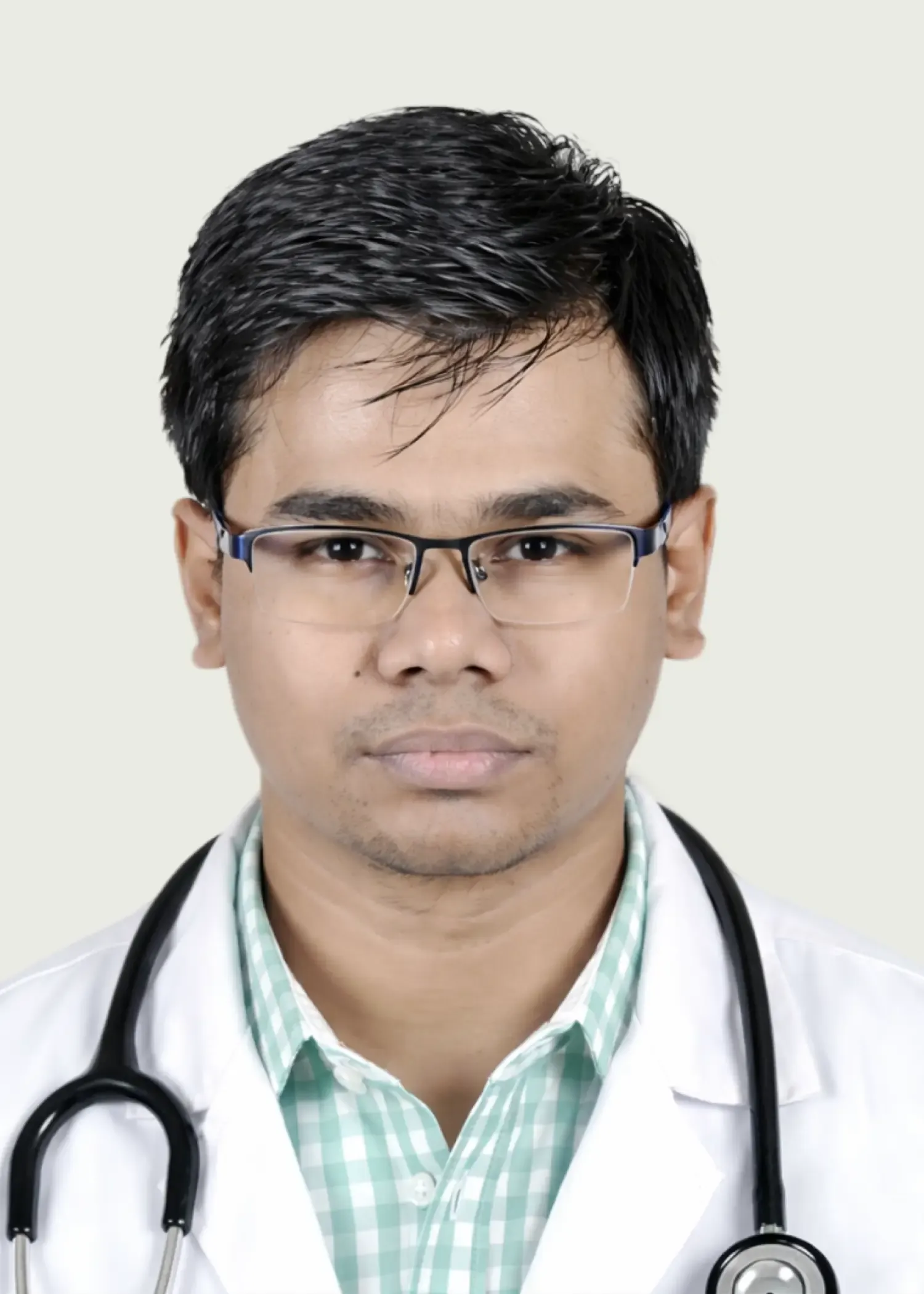

Medical professional with 10+ years’ experience in diagnosis, patient care, and clinical leadership.
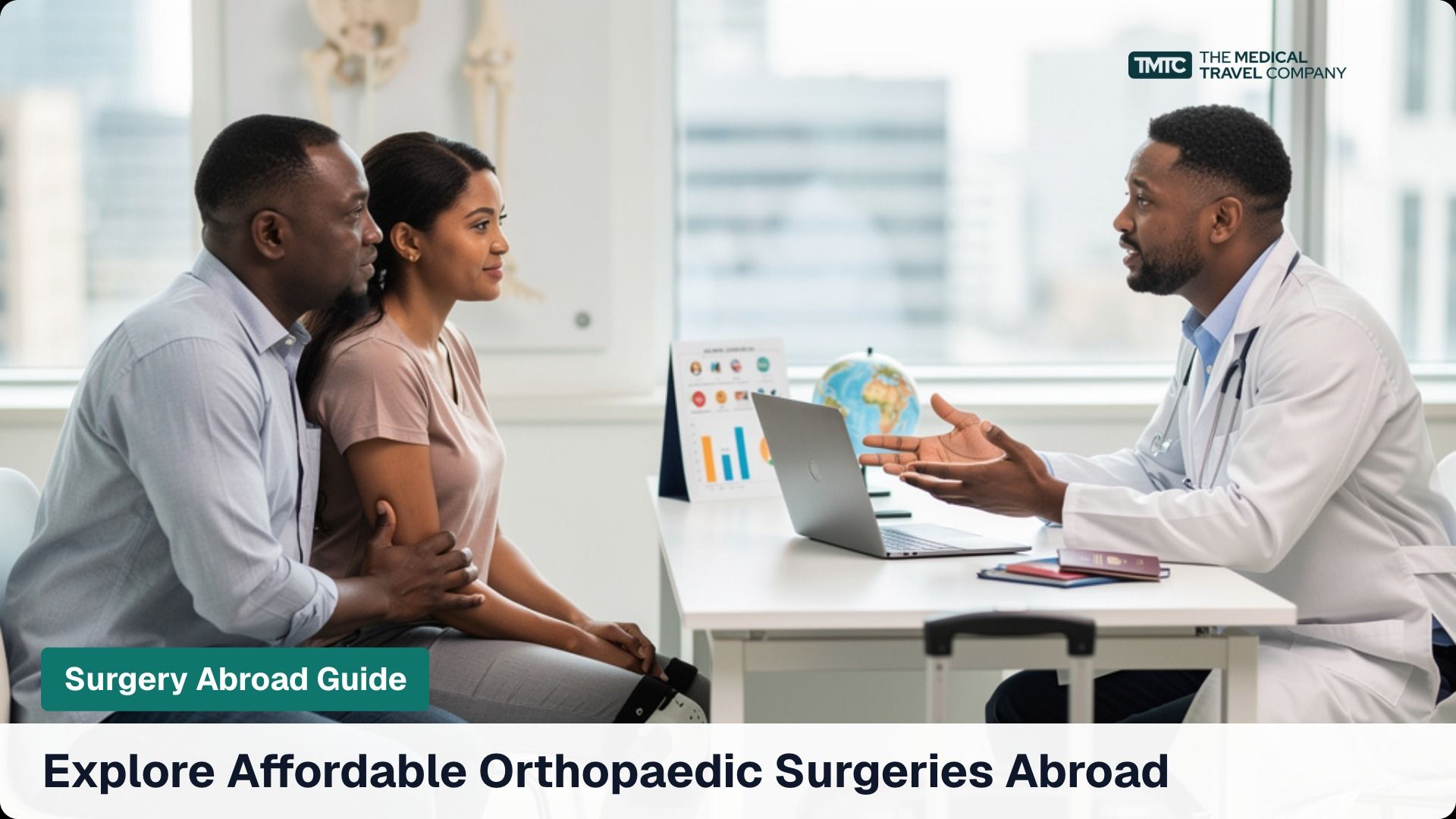
If you're facing joint pain or bone problems that require surgical intervention, you've probably discovered that orthopaedic surgery costs in Nigeria can be overwhelming. The good news? You don't have to choose between quality care and financial stability. Thousands of Nigerian patients are finding world-class orthopaedic treatments abroad at a fraction of the cost they'd pay locally, often with superior outcomes and shorter waiting times.
Why Nigerian Patients Choose Orthopaedic Surgery Abroad
The decision to seek orthopaedic surgery abroad isn't just about cost – though savings of 40-70% certainly matter. Nigerian patients are discovering that international medical centers offer advanced surgical techniques, shorter recovery times, and comprehensive care packages that simply aren't available locally.
Leading international hospitals specializing in bone and joint surgery have invested heavily in cutting-edge technology like robotic-assisted surgery systems and minimally invasive techniques. These advances mean smaller incisions, reduced pain, and faster healing. What might require 6-8 weeks of recovery locally could be cut to 3-4 weeks abroad with these advanced approaches.
Language barriers that once concerned Nigerian patients have largely disappeared. Most international medical centers now employ Nigerian coordinators or English-speaking staff who understand your cultural preferences and can communicate directly with your family back home throughout your treatment journey.
Top Countries for Nigerian Orthopaedic Patients
Not all medical tourism destinations are created equal. Based on patient outcomes, cost-effectiveness, and ease of access for Nigerians, several countries stand out as exceptional choices for orthopaedic surgery.
India leads the pack for Nigerian patients seeking affordable orthopaedic care. With over 200 JCI-accredited hospitals and surgeons trained at top American and European institutions, India offers world-class care at 60-80% less than Western countries. Direct flights from Lagos make travel convenient, and many hospitals offer all-inclusive packages that cover surgery, accommodation, and local transportation.
Turkey has emerged as another excellent option, particularly for joint replacement surgeries. Turkish hospitals combine European standards with competitive pricing, and the country's medical tourism infrastructure is well-developed. Many facilities offer translation services in English and have experience treating African patients.
Thailand and Malaysia also attract Nigerian patients, especially those seeking a combination of high-quality medical care and a comfortable recovery environment. Both countries offer excellent knee replacement surgery options with international-standard facilities.
Cost Comparison: What You'll Actually Pay
Understanding real costs helps you make informed decisions. Here's what Nigerian patients typically spend on common orthopaedic procedures abroad, including all medical expenses:
| Procedure | Nigeria (Private) | India | Turkey | Thailand |
|---|---|---|---|---|
| Hip Replacement | $15,000-25,000 | $4,500-7,000 | $6,000-9,000 | $8,000-12,000 |
| Knee Replacement | $12,000-20,000 | $4,000-6,500 | $5,500-8,500 | $7,500-11,000 |
| Shoulder Surgery | $8,000-15,000 | $3,000-5,000 | $4,000-6,500 | $5,500-8,500 |
| Spinal Fusion | $20,000-35,000 | $6,000-10,000 | $8,000-13,000 | $10,000-16,000 |
| ACL Reconstruction | $6,000-12,000 | $2,500-4,000 | $3,500-5,500 | $4,500-7,000 |
These costs typically include surgeon fees, hospital charges, implants, medications, and post-operative care. Many international hospitals also offer package deals that include accommodation for a companion and airport transfers, making your total experience more predictable and budget-friendly.
What drives these cost differences? Lower overhead costs, government support for medical tourism, and competitive markets allow international hospitals to offer the same quality of care at significantly reduced prices. You're not compromising on quality – you're benefiting from economic advantages.
Common Orthopaedic Procedures Available Abroad
International medical centers offer the full spectrum of orthopaedic treatments, from routine procedures to complex surgeries that might not be readily available in Nigeria.
Joint replacement surgeries are among the most popular choices for Nigerian patients. Shoulder replacement surgery abroad uses the latest implant technologies and minimally invasive techniques that reduce scarring and speed recovery. Hip and knee replacements benefit from computer-assisted surgery that ensures perfect implant positioning for longer-lasting results.
Spine surgery abroad often incorporates advanced techniques like endoscopic discectomy and artificial disc replacement that preserve more natural spine movement. These procedures, performed through tiny incisions, mean you could be walking the same day as your surgery instead of facing weeks of bed rest.
Sports injury treatments, including ACL reconstruction, use arthroscopic techniques that professional athletes worldwide prefer. The same surgeons who treat international sports teams are available to Nigerian patients at accessible prices.
Complex procedures like limb reconstruction, tumor surgeries, and pediatric orthopaedics are available at specialized centers abroad. These treatments often require expertise that's concentrated in major international medical hubs, giving you access to specialists you might not find locally.
Recovery and Rehabilitation: What to Expect
Recovery abroad isn't just about the surgery – it's about comprehensive rehabilitation that sets you up for long-term success. International hospitals have developed integrated care models that combine immediate post-operative care with structured rehabilitation programs.
Most patients stay in the destination country for 7-14 days, depending on their procedure. During this time, you'll work with physiotherapists who specialize in post-surgical recovery and can adjust your rehabilitation plan based on your progress. Many hospitals offer comfortable recovery suites where family members can stay nearby.
Your Recovery Timeline Abroad
- Day 1-2: Initial recovery in hospital with pain management and early mobilization
- Day 3-5: Begin structured physiotherapy and assess healing progress
- Day 6-10: Increase activity levels and prepare for travel home
- Day 11-14: Final medical clearance and travel arrangements
- Week 3-8: Continue rehabilitation at home with provided exercise program
- Month 2-3: Virtual follow-up appointments with your surgical team
Before you leave, your medical team will provide detailed instructions for continued care at home. Many hospitals now offer virtual follow-up appointments, allowing your surgeon to monitor your progress remotely and adjust your rehabilitation plan as needed.
The key advantage of recovery abroad is the concentrated, expert attention you receive during those crucial first weeks. Instead of waiting for physiotherapy appointments back home, you'll begin comprehensive rehabilitation immediately, which often leads to better long-term outcomes.
Choosing Your Orthopaedic Surgeon Abroad
Your surgeon's expertise matters more than the hospital's reputation. The best orthopaedic surgeons abroad often have international training, publish research in medical journals, and specialize in specific procedures rather than being generalists.
Look for surgeons who are board-certified in their specialties and have performed hundreds of procedures similar to yours. Many international surgeons have trained or worked in the US, UK, or other Western countries before returning home, bringing world-class expertise to more affordable markets.
Don't hesitate to request virtual consultations before traveling. Most reputable surgeons are happy to review your medical records, imaging studies, and discuss your case via video call. This consultation helps you understand your treatment options and builds confidence in your surgeon's approach.
Patient testimonials can provide valuable insights, but focus on testimonials from patients with similar conditions and backgrounds. Many hospitals can connect you with previous Nigerian patients who've had similar procedures, giving you firsthand accounts of the experience.
Patient Success StoryAfter struggling with knee pain for three years, I finally found relief through knee replacement surgery in India. The entire experience exceeded my expectations – from the initial consultation to my full recovery. The cost was less than half what I would have paid in Lagos, and I was walking without pain just weeks after surgery. — Mrs. Adebayo, Lagos
Planning Your Orthopaedic Surgery Journey
Success with orthopaedic surgery abroad starts with proper planning. Most patients begin the process 4-6 weeks before their intended surgery date, allowing time for medical evaluations, visa applications, and travel arrangements.
Your first step should be obtaining comprehensive medical records, including recent X-rays, MRI scans, and blood work. International hospitals will review these documents to confirm your candidacy for surgery and provide accurate cost estimates. Many facilities offer free initial consultations for this purpose.
Consider working with a medical tourism facilitator who specializes in orthopaedic care. These professionals can coordinate your entire journey, from hospital selection and surgeon matching to travel logistics and post-operative care. They often have established relationships with top hospitals and can negotiate better rates for comprehensive packages.
The comprehensive orthopaedic surgery options available abroad mean you can address multiple issues during a single trip. For example, if you need both knee and hip replacement, many international centers can coordinate simultaneous or staged procedures that reduce your total time away from home.
Making Your Decision: Next Steps
Choosing orthopaedic surgery abroad represents an investment in your long-term health and quality of life. The combination of advanced surgical techniques, comprehensive rehabilitation, and significant cost savings makes international treatment an attractive option for many Nigerian patients.
Start by consulting with orthopaedic specialists about your specific condition and treatment options. Understanding your diagnosis and the urgency of your situation will help you make informed decisions about timing and destination choices.
Remember that the cheapest option isn't always the best value. Focus on finding the right combination of surgeon expertise, hospital quality, comprehensive care, and cost-effectiveness. The small additional investment in a top-tier facility often pays dividends in better outcomes and fewer complications.
If you're ready to explore world-class orthopaedic care abroad, expert guidance can help you navigate your options and create a personalised treatment plan. Professional medical tourism coordinators understand the unique needs of Nigerian patients and can match you with the right surgeon and facility for your specific condition.
Key Points for Nigerian Patients
- Orthopaedic surgery abroad can save 40-70% compared to local private care
- India, Turkey, and Thailand offer excellent care with English-speaking staff
- Recovery abroad includes comprehensive rehabilitation for better outcomes
- Virtual consultations let you meet your surgeon before traveling
- Medical tourism facilitators can coordinate your entire treatment journey
References
The information in this article is based on current medical tourism industry data and patient outcome studies. Costs and availability may vary based on individual circumstances and current market conditions.
Related Articles

Ready to open the door to better health?