Exploring Orthopaedic Treatments Abroad: A Guide for Nigerian Patients
Discover world-class orthopedic treatments abroad for Nigerian patients. Learn about procedures, costs, and recovery options.
Last Updated On 29 April 202611m

Medical professional with 10+ years’ experience in diagnosis, patient care, and clinical leadership.
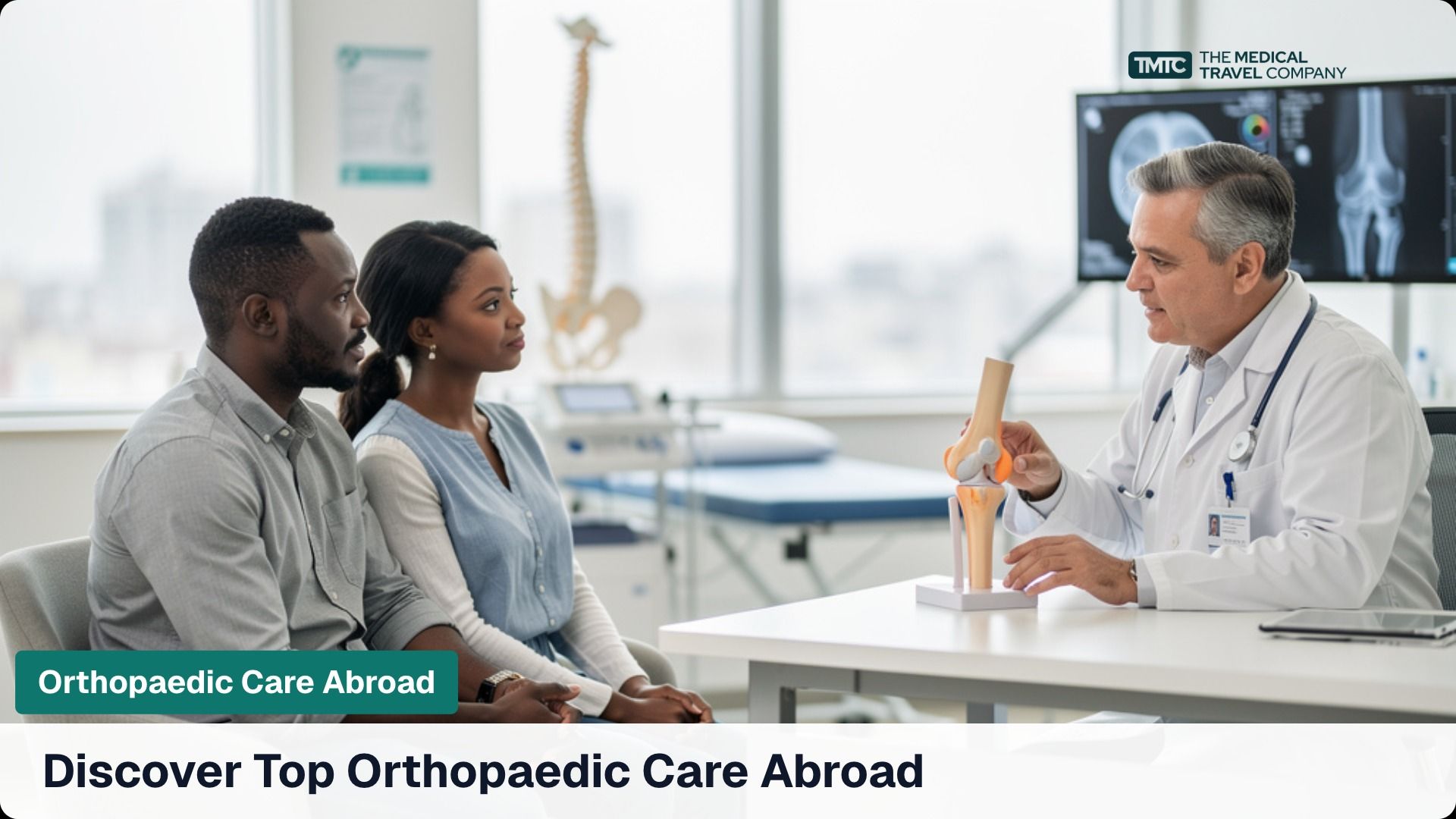
Living with chronic joint pain or bone injuries can severely impact your daily life. If you're considering orthopedic treatment but are concerned about local healthcare limitations or costs, exploring options abroad might be your path to recovery. Many Nigerian patients are discovering that world-class orthopedic care is not only accessible but often more affordable than expected.
Understanding Orthopaedic Treatments and Their Importance
Orthopedic treatment focuses on diagnosing and treating conditions that affect your musculoskeletal system - your bones, joints, ligaments, tendons, and muscles. When these structures are damaged or deteriorating, it can cause pain, limit mobility, and reduce your quality of life significantly.
What is Orthopaedic Treatment?
Orthopedic medicine encompasses both surgical and non-surgical approaches to treating bone and joint problems. Non-surgical treatments include physical therapy, medications, and injection therapies. Surgical interventions range from minimally invasive arthroscopic procedures to complex joint replacements.
The field has evolved dramatically with technological advances. Modern orthopedic surgeons use computer-assisted navigation, robotic surgical systems, and advanced implant materials that weren't available even a decade ago. These innovations mean better outcomes, faster recovery times, and longer-lasting results for patients.
Common Conditions Treated
Nigerian patients commonly seek orthopedic treatment abroad for several conditions. Arthritis affects millions globally, causing joint pain and stiffness that worsens over time. Sports injuries, particularly ACL tears and shoulder dislocations, require specialized surgical repair. Fractures from accidents may need complex reconstruction, especially when they involve joints.
Other frequently treated conditions include herniated discs causing back pain, carpal tunnel syndrome from repetitive strain, and congenital bone deformities. Many patients also seek treatment for conditions that have worsened due to delayed diagnosis or limited treatment options locally.
Why Consider Treatment Abroad?
Several factors make seeking affordable orthopedic surgeries abroad attractive for Nigerian patients. Access to cutting-edge technology and specialized surgical techniques often unavailable locally tops the list. Many international hospitals invest heavily in the latest equipment and continuous training for their medical staff.
Cost considerations also play a significant role. Even including travel and accommodation expenses, treatment abroad can cost 40-70% less than similar procedures in Western countries, while maintaining comparable quality standards. Additionally, shorter waiting times mean you can address your condition promptly rather than living with pain for months.
Top Orthopaedic Procedures Available Abroad
International orthopedic centers offer a comprehensive range of procedures, from routine arthroscopic surgeries to complex spinal reconstructions. Understanding your options helps you make informed decisions about your care.
Knee Surgery
Knee replacement surgery represents one of the most successful orthopedic procedures available today. Total knee replacement involves replacing damaged cartilage and bone with metal and plastic components, effectively creating a new joint surface. Partial knee replacement may be suitable if only one compartment of your knee is damaged.
Minimally invasive knee surgery techniques result in smaller incisions, less tissue damage, and faster recovery times. Many patients walk within hours of surgery and return to normal activities within 6-12 weeks. Success rates exceed 95%, with most implants lasting 15-20 years or longer.
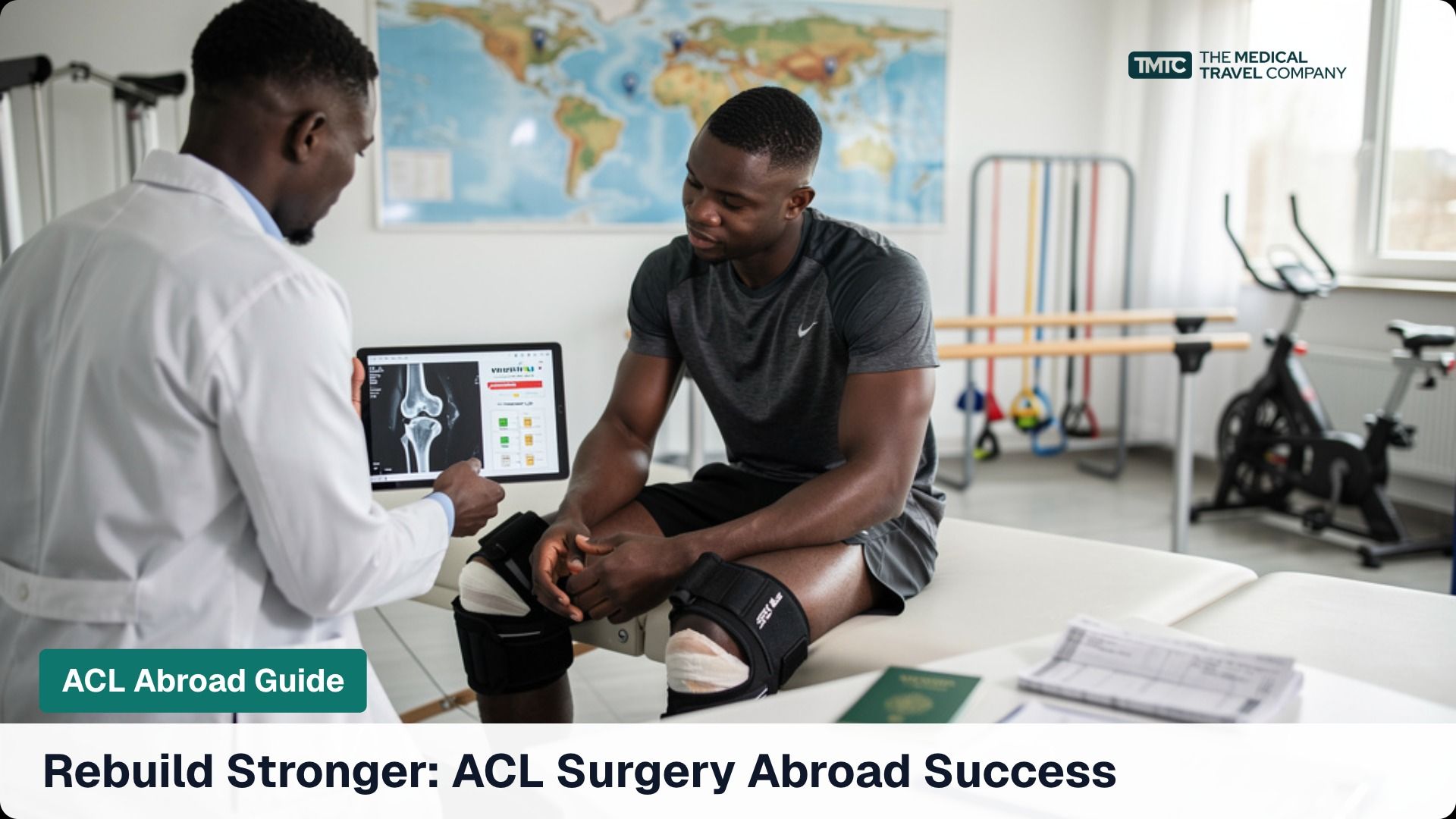
For sports-related injuries, ACL reconstruction using arthroscopic techniques offers excellent outcomes. The procedure uses your own tissue or donor tissue to reconstruct the torn ligament, typically allowing athletes to return to competitive sports within 6-9 months.
Hip Replacement
Hip replacement surgery addresses severe arthritis, fractures, or congenital conditions affecting the hip joint. The procedure involves replacing the damaged ball and socket with artificial components, dramatically reducing pain and improving mobility.
Modern hip replacement techniques include anterior approach surgery, which preserves muscle tissue and speeds recovery. Many patients walk the same day as surgery and experience significant pain relief immediately. The procedure boasts success rates above 95%, with implants typically lasting 20-25 years.
Spine Surgery
Spinal conditions causing chronic back pain, numbness, or weakness may require surgical intervention. Minimally invasive spine surgery techniques allow surgeons to address herniated discs, spinal stenosis, and vertebral fractures through small incisions.
Advanced procedures like artificial disc replacement preserve natural spine movement better than traditional fusion surgery. For complex deformities, computer-assisted navigation ensures precise implant placement and optimal outcomes.
Joint Treatment Options
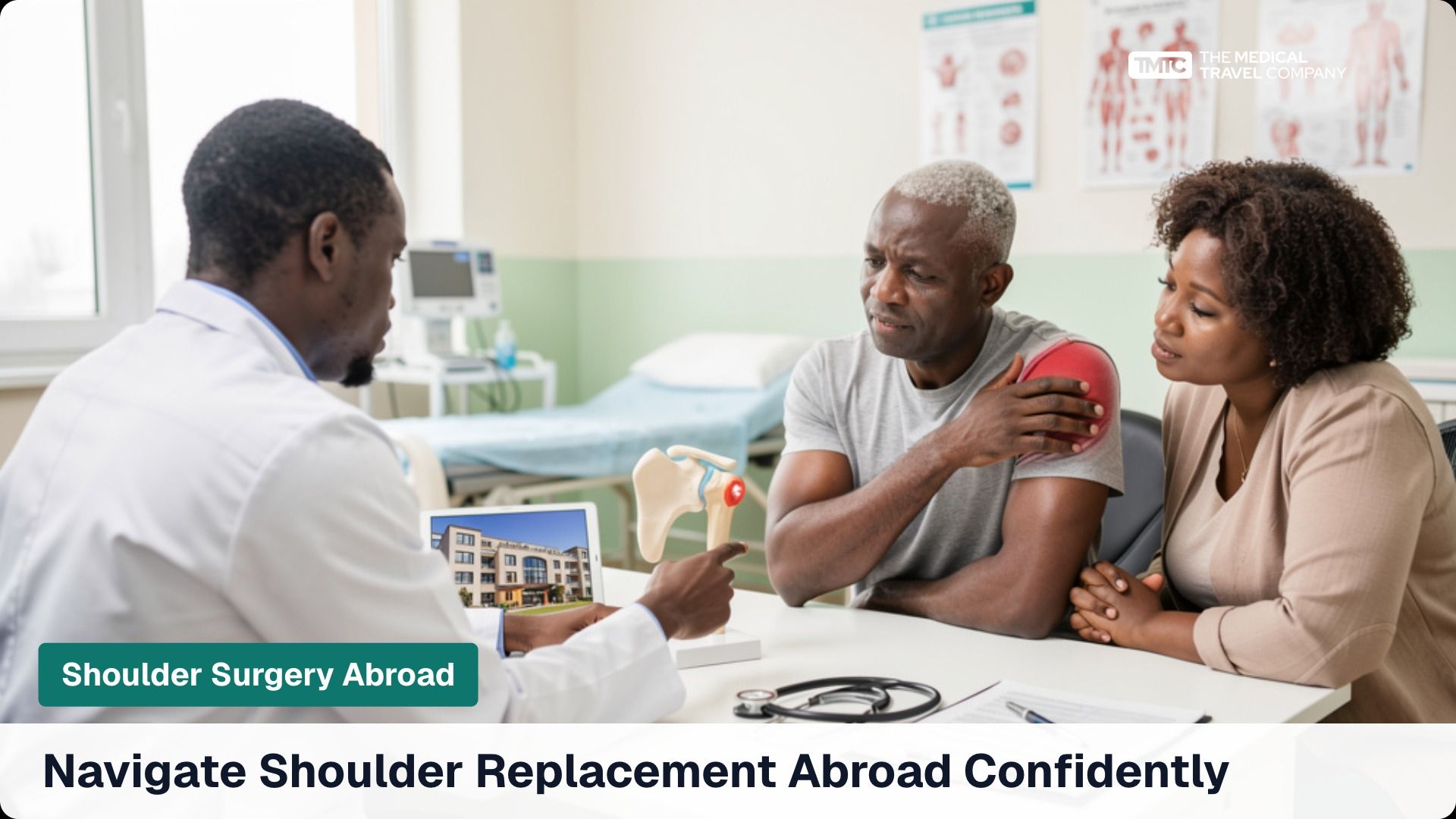
Shoulder replacement surgery effectively treats severe arthritis or complex fractures affecting shoulder mobility. The procedure can involve replacing just the ball (partial replacement) or both the ball and socket (total replacement).
Arthroscopic surgery allows treatment of various joint problems through tiny incisions. This technique works well for removing loose cartilage, repairing torn ligaments, and addressing shoulder impingement. Recovery is typically faster with less scarring compared to open surgery.
Cost Considerations for Nigerian Patients
Understanding the financial aspects of seeking orthopedic treatment abroad helps you plan effectively and make informed decisions about your healthcare investment.
Affordable Healthcare Options
Medical tourism destinations like India, Turkey, and Thailand offer significant cost advantages without compromising quality. A knee replacement that might cost $40,000-60,000 in the US typically costs $8,000-15,000 in these countries, including hospital stay and initial follow-up care.
These savings stem from lower operational costs, favorable exchange rates, and government support for medical tourism. However, quality remains high due to international accreditation standards and the need to compete globally for patients.
| Procedure | USA Cost | India Cost | Turkey Cost | Thailand Cost |
|---|---|---|---|---|
| Knee Replacement | $45,000 | $12,000 | $14,000 | $15,000 |
| Hip Replacement | $40,000 | $10,000 | $12,000 | $13,000 |
| Shoulder Surgery | $35,000 | $8,000 | $10,000 | $11,000 |
| Spine Surgery | $60,000 | $15,000 | $18,000 | $20,000 |
| ACL Reconstruction | $25,000 | $6,000 | $7,000 | $8,000 |
Insurance Coverage and Payment Plans
Some international insurance policies cover treatment abroad, especially when local options are limited. Check with your provider about coverage for medical tourism. Many hospitals also offer flexible payment plans, allowing you to spread costs over time.
Consider additional costs like travel, accommodation for recovery period, and potential complications. Budget for at least 2-3 weeks abroad for major procedures, including pre-surgery consultations and initial recovery monitoring.
Finding World-Class Orthopaedic Hospitals
Selecting the right hospital and surgical team is crucial for successful outcomes. Several factors distinguish excellent orthopedic centers from average ones.
Top Destinations for Orthopaedic Care
India leads in medical tourism for orthopedic procedures, with hospitals like Apollo, Fortis, and Max Healthcare offering world-class facilities. These institutions often have dedicated international patient departments and English-speaking staff, making the experience smoother for Nigerian patients.
Turkey has emerged as a popular destination, combining European medical standards with competitive pricing. Turkish hospitals invest heavily in the latest technology and often have partnerships with leading international medical institutions.
Thailand's medical tourism industry is well-established, with hospitals like Bumrungrad and Bangkok Hospital serving international patients for decades. The country combines excellent medical care with a pleasant recovery environment.
Criteria for Choosing an Orthopedic Hospital
- International accreditation (JCI, ISO, or equivalent)
- Surgeon credentials and experience with your specific condition
- Modern equipment and surgical technology available
- English-speaking medical staff and translators
- International patient services department
- Transparent pricing and detailed treatment packages
- Patient testimonials and outcome statistics
- Post-surgery support and follow-up arrangements
Accreditations to Look For
Joint Commission International (JCI) accreditation represents the gold standard for international hospitals. JCI-accredited facilities meet rigorous safety and quality standards comparable to leading hospitals worldwide. ISO certification and national healthcare accreditations also indicate commitment to quality care.
Look for hospitals with partnerships or affiliations with renowned international medical institutions. These relationships often involve knowledge sharing, training programs, and quality assurance measures that benefit patients.
What to Expect: Surgery Recovery Process
Understanding the recovery process helps set realistic expectations and prepare for a successful outcome. Recovery timelines vary by procedure type and individual factors.
Recovery Timeline
Most orthopedic surgeries follow predictable recovery patterns. Joint replacement patients typically stay in hospital 2-4 days, with initial physical therapy beginning within 24 hours. You'll likely use assistive devices like walkers or crutches for 2-6 weeks, depending on the procedure.
Full recovery varies significantly by procedure. Knee replacement patients usually return to normal activities in 3-6 months, while complex spine surgeries may require 6-12 months for complete healing. Your surgeon will provide specific timelines based on your condition and surgical approach.
Post-Surgery Care Guidelines
Proper post-surgical care significantly impacts your recovery success. Follow wound care instructions meticulously to prevent infection. Take prescribed medications as directed, including pain management and blood thinners if recommended.
Physical therapy starts early and continues for months after surgery. Initial exercises focus on preventing blood clots and maintaining range of motion. Later phases emphasize strengthening and returning to normal activities. Compliance with therapy recommendations directly correlates with better outcomes.
Long-Term Rehabilitation Options
Many hospitals provide detailed rehabilitation programs you can continue at home or with local physiotherapists. They'll typically provide exercise protocols, milestone goals, and guidelines for gradually increasing activity levels.
Consider arranging follow-up care with orthopedic specialists in Nigeria who can monitor your progress and address any concerns. Many international hospitals maintain communication with local doctors to ensure continuity of care.
Making the Decision: A Personalised Treatment Plan
Choosing to pursue orthopedic treatment abroad requires careful planning and consideration of multiple factors. The decision should be based on your specific medical needs, financial situation, and personal preferences.
Consulting with Experts
Begin with a thorough evaluation of your condition by qualified orthopedic specialists. Many international hospitals offer virtual consultations, allowing you to discuss your case and treatment options before traveling. This preliminary consultation helps determine if you're a good candidate for surgery and what procedures might be most beneficial.
Request detailed information about the recommended procedure, expected outcomes, potential risks, and recovery timeline. A personalized treatment plan should address your specific goals, whether that's returning to sports, eliminating chronic pain, or improving daily function.
Travel and Accommodation Tips
Plan to arrive at least 2-3 days before your scheduled surgery for pre-operative consultations and tests. This buffer time also helps you adjust to the new environment and address any last-minute concerns with your surgical team.
Choose accommodation near the hospital for easy access during your recovery period. Many medical tourism hospitals have partnerships with nearby hotels that cater to recovering patients, offering amenities like wheelchair accessibility and medical assistance if needed.
Arrange for a companion to accompany you, especially for major procedures. Having someone familiar to assist with daily activities and provide emotional support significantly improves the recovery experience.
Navigating Your Journey to Recovery
The path to recovery extends well beyond your surgery date. Successful outcomes require commitment to rehabilitation, follow-up appointments, and lifestyle modifications that support long-term joint health.
Stay connected with your surgical team through scheduled follow-up appointments, which may be conducted virtually in many cases. Report any unusual symptoms or concerns promptly, as early intervention can prevent complications.
Many patients find that their quality of life improves dramatically after successful orthopedic treatment. You may discover you can participate in activities you hadn't enjoyed in years, from playing with grandchildren to pursuing hobbies that were limited by pain or mobility issues.
Remember that seeking treatment abroad for orthopedic conditions is no longer experimental or risky when done through established, accredited facilities. Millions of patients worldwide have successfully improved their quality of life through medical tourism, and with proper planning and realistic expectations, you can too.
If you're considering orthopedic treatment abroad, start by researching accredited hospitals, consulting with qualified specialists, and developing a comprehensive plan that addresses both your medical needs and practical concerns. The investment in your mobility and quality of life can provide benefits that last for decades.
References:
- This article provides general information about orthopedic treatment options abroad. Individual cases vary, and all medical decisions should be made in consultation with qualified healthcare professionals. Cost estimates are approximate and may vary based on specific medical needs, hospital selection, and current market conditions.
Related Blogs

Ready to open the door to better health?