Hip Replacement Abroad for Nigerian Patients: Cost, Recovery & Best Hospitals
Discover affordable hip replacement options abroad, recovery tips, and top hospitals for Nigerian patients seeking care.
Last Updated On 29 April 20269m


Medical professional with 10+ years’ experience in diagnosis, patient care, and clinical leadership.
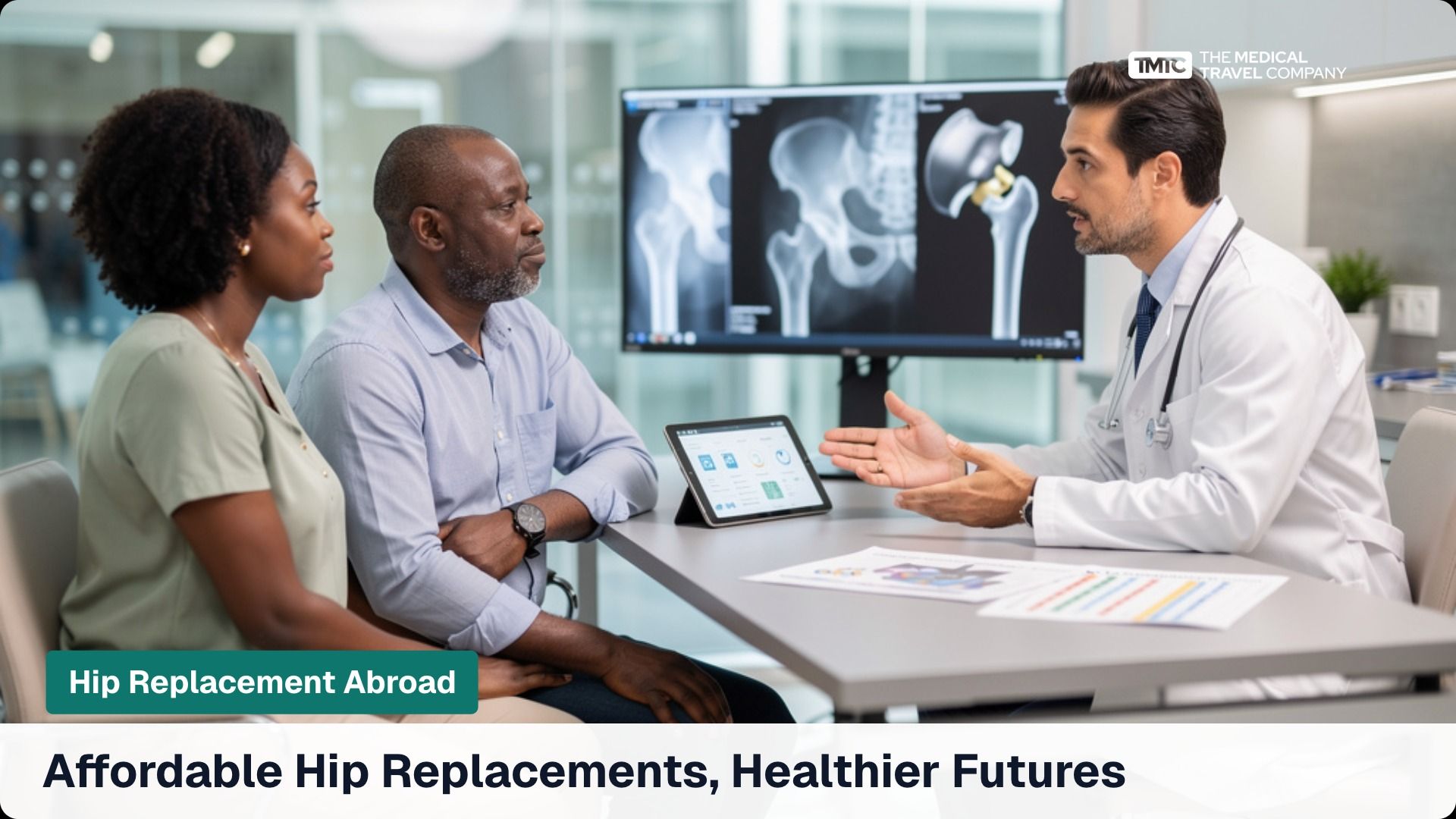
When chronic hip pain affects your daily life, walking becomes difficult, and simple activities like climbing stairs feel impossible, hip replacement surgery can be life-changing. For many Nigerian patients, seeking world-class care abroad offers access to advanced medical facilities, experienced surgeons, and significant cost savings compared to private treatment at home.
What You Need to Know About Hip Replacement Surgery
Hip replacement surgery, also called total hip arthroplasty, involves removing damaged cartilage and bone from your hip joint and replacing them with artificial components made from metal, plastic, or ceramic materials. This procedure is most commonly recommended for patients with severe arthritis, hip fractures, or other conditions that cause persistent pain and limit mobility.
The surgery typically takes 1-2 hours, and you'll usually stay in the hospital for 2-4 days. Your new hip joint can last 15-20 years or longer with proper care, allowing you to return to activities you've been missing. Modern techniques like minimally invasive surgery have reduced recovery times and improved outcomes for patients worldwide.
Why Consider Hip Replacement Treatment Abroad?
Many Nigerian patients choose to travel for hip replacement surgery because it offers several compelling advantages. First, you can access internationally accredited hospitals with cutting-edge technology and experienced orthopedic surgeons. Second, the cost savings can be substantial - often 40-60% less than private treatment in Nigeria while maintaining the same quality standards.
Additionally, shorter waiting times mean you won't have to endure months of pain before getting treatment. Countries like the UK, India, and Turkey have established medical tourism programs specifically designed to support international patients, offering comprehensive care packages that include surgery, accommodation, and recovery support.
Hip Replacement Cost Analysis: Nigeria vs International Options
Understanding the financial investment for hip replacement surgery helps you make an informed decision about where to seek treatment. While costs vary depending on the hospital, surgeon, and specific procedure required, comparing options reveals significant differences.
| Country | Surgery Cost (USD) | Total Trip Cost | Quality Rating |
|---|---|---|---|
| Nigeria (Private) | $8,000-12,000 | $8,000-12,000 | Good |
| UK | $18,000-25,000 | $20,000-28,000 | Excellent |
| India | $6,000-9,000 | $8,000-12,000 | Very Good |
| Turkey | $7,000-11,000 | $9,000-13,500 | Very Good |
| Thailand | $8,000-12,000 | $10,000-15,000 | Very Good |
When budgeting for surgery abroad, factor in additional expenses beyond the procedure itself. Flight costs typically range from $800-1,500 depending on your destination. Accommodation for your recovery period can add $500-2,000 to your budget. Don't forget to include costs for a companion who can assist during your recovery, as most surgeons recommend having support for the first 1-2 weeks.
For Nigerian patients specifically, hip replacement surgery in the UK offers excellent outcomes with comprehensive aftercare support. Similarly, hip replacement options in Ghana provide quality care closer to home at competitive prices.
Hidden Costs to Consider
Beyond the obvious expenses, several hidden costs can impact your budget. Pre-surgery consultations and medical tests might cost $200-500. Travel insurance with medical coverage is essential and typically costs $100-300. Some patients need extended stays if complications arise, which can add $100-200 per day to accommodation costs.
Currency exchange rates can also affect your final costs, so consider using forward contracts or travel money cards to lock in favorable rates when booking your surgery months in advance.
Selecting the Right Hospital for Your Hip Replacement
Choosing the right hospital can make the difference between a smooth recovery and complications that extend your treatment. Focus on facilities with international accreditation, experienced orthopedic teams, and dedicated support for international patients.
Hospital Selection Checklist
- Joint Commission International (JCI) or equivalent accreditation
- Surgeons with 10+ years experience in hip replacement
- Hospital performs 200+ hip replacements annually
- On-site physical therapy and rehabilitation facilities
- 24/7 nursing care and emergency support
- International patient coordinator who speaks English
- Modern operating theaters with latest technology
- Infection control rates below 1%
- Patient reviews and testimonials available
- Clear pricing with no hidden fees
- Post-surgery follow-up care options
Research the hospital's infection rates, patient satisfaction scores, and surgeon credentials before making your decision. Top-tier hospitals should willingly share their outcome statistics and connect you with previous patients who've had similar procedures.
Top Destinations for Hip Replacement Surgery
The UK remains a popular choice for Nigerian patients seeking world-class orthopedic care, with hospitals like the London Bridge Hospital and BMI Healthcare offering comprehensive hip replacement programs. India has emerged as a cost-effective alternative, with hospitals in Delhi, Mumbai, and Chennai providing excellent care at lower prices.
Turkey's medical tourism industry has grown rapidly, offering modern facilities in Istanbul and Ankara with English-speaking staff. For patients preferring to stay within Africa, hip replacement services in Botswana and Kenya's hip replacement options provide quality care with shorter travel times.
Your Hip Replacement Recovery Journey
Understanding what to expect during recovery helps you prepare mentally and physically for the healing process. Hip replacement recovery follows predictable stages, though individual timelines vary based on your age, overall health, and commitment to physical therapy.
Recovery Timeline: What to Expect Week by Week
The first 24-48 hours focus on pain management and early mobility. You'll likely stand and take a few steps with assistance within hours of surgery. Most patients leave the hospital after 2-4 days, depending on their progress and any complications.
Weeks 1-2 involve gentle movements and basic daily activities. You'll use walking aids like a walker or crutches, and physical therapy begins with simple exercises to prevent blood clots and maintain flexibility. Pain levels are highest during this period but steadily improve with proper medication management.
Weeks 3-6 mark significant improvement in mobility and comfort. Many patients transition from a walker to a cane, and physical therapy intensifies to rebuild strength and range of motion. You can typically return to light activities like office work during this period.
Months 2-3 see continued progress as bone grows around your new implant. Most patients can drive, climb stairs confidently, and return to most normal activities. Physical therapy continues to focus on strengthening exercises and improving balance.
By 6 months, your new hip should feel natural during daily activities. Full recovery, including return to sports or demanding physical activities, typically occurs within 6-12 months, depending on your goals and baseline fitness level.
Physical Therapy: Your Key to Successful Recovery
Physical therapy isn't optional after hip replacement - it's essential for achieving the best possible outcome. Your therapy program will start in the hospital with basic movements and progress to strengthen your hip muscles, improve flexibility, and restore normal walking patterns.
If you're having surgery abroad, discuss physical therapy options before traveling. Some hospitals offer intensive rehabilitation programs as part of their medical tourism packages. Alternatively, you can continue therapy at home in Nigeria, but ensure your local physiotherapist has experience with post-surgical hip rehabilitation.
Consider exploring comprehensive orthopedic services that include post-surgery rehabilitation to ensure continuity of care after your return home.
Success Rates and Patient Outcomes
Hip replacement surgery has excellent success rates, with over 95% of patients experiencing significant pain relief and improved mobility. Modern implants last 15-20 years in most patients, with some lasting even longer with proper care and regular follow-up.
Hip Replacement Success Rates and Safety
95% of hip replacement patients report significant improvement in pain and mobility
Complications are rare but can include infection (less than 1% in quality hospitals), blood clots (2-3% of patients), and implant loosening over time. Choosing an experienced surgeon and accredited hospital significantly reduces these risks.
Taking the Next Step Toward Pain-Free Living
If chronic hip pain is limiting your quality of life, hip replacement surgery can provide lasting relief and restore your mobility. Taking time to research your options, understand costs, and choose the right medical team will set you up for the best possible outcome.
Start by consulting with orthopedic specialists to confirm you're a good candidate for hip replacement. Gather your medical records, including recent X-rays and blood tests, as international hospitals will need these to provide accurate cost estimates and treatment plans.
Consider connecting with medical tourism facilitators who specialize in orthopedic procedures. They can help coordinate multiple consultations, compare hospital options, and arrange travel logistics to ensure a seamless experience from consultation through recovery.
Key Steps to Get Started
- Consult with an orthopedic surgeon to confirm you need hip replacement
- Research accredited hospitals and experienced surgeons in your preferred destination
- Get detailed cost estimates including all travel and accommodation expenses
- Arrange for a companion to assist during your recovery period
- Plan for 2-4 weeks abroad depending on your recovery progress
- Ensure you have comprehensive travel insurance with medical coverage
Your journey to pain-free living doesn't have to wait. With careful planning and the right medical team, you can access world-class hip replacement surgery that transforms your quality of life. The investment in your health and mobility will pay dividends for years to come, allowing you to return to activities you love without the constant burden of hip pain.
References
This article draws on information from leading orthopedic surgery associations, international hospital accreditation bodies, and medical tourism industry reports to provide accurate guidance for Nigerian patients considering hip replacement surgery abroad.
Related Articles


Ready to open the door to better health?