Understanding Kidney Stones in Women: Causes and Risk Factors Explained
Explore the causes and risk factors of kidney stones in women. Learn about prevention tips and symptoms for better kidney health.
Last Updated On 17 April 20269m


Medical professional with 10+ years’ experience in diagnosis, patient care, and clinical leadership.
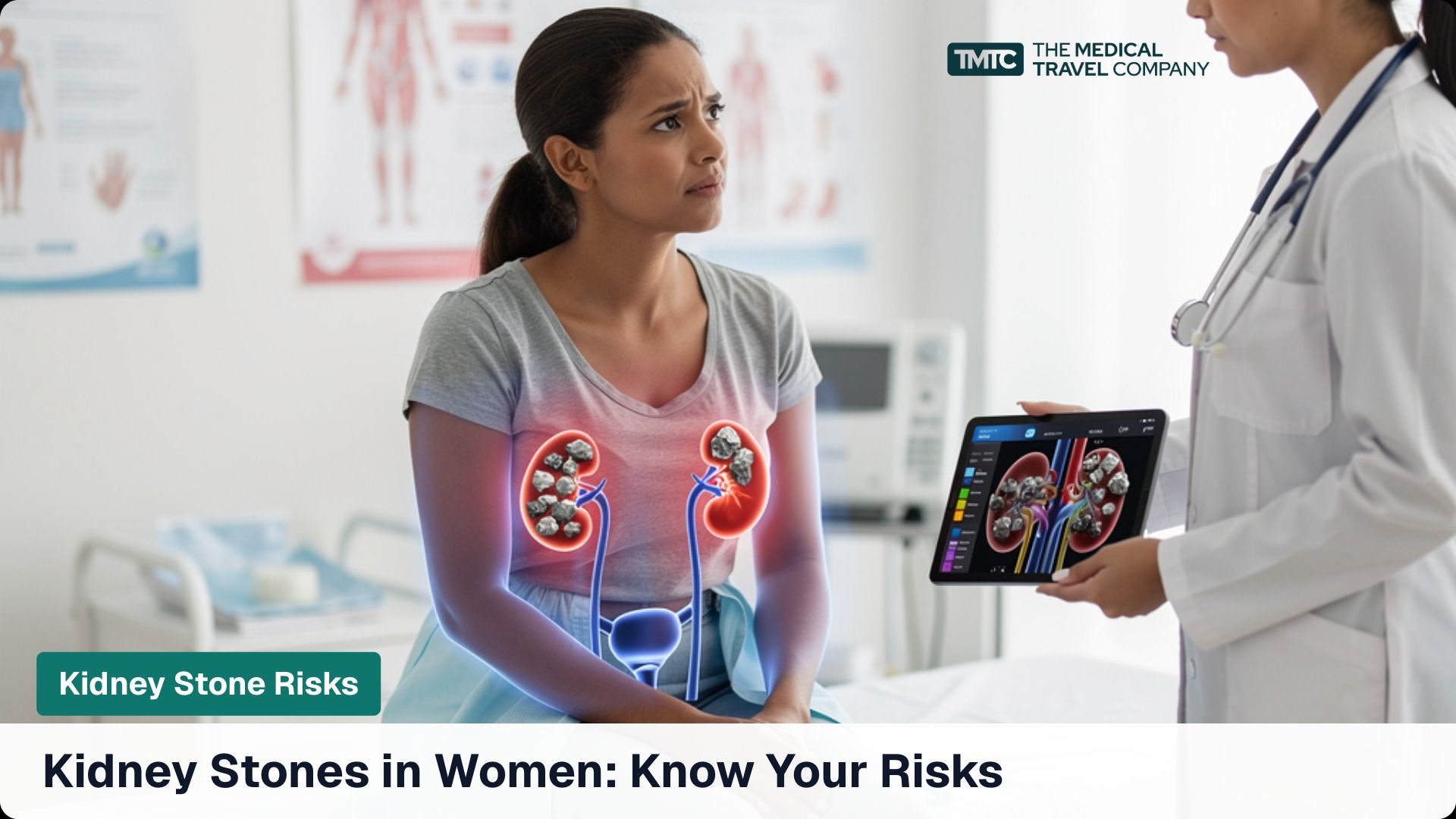
Kidney stones affect more women than ever before, with the gap between men and women narrowing significantly in recent years. While kidney stones were traditionally considered a male condition, women now face increasing rates of stone formation due to lifestyle, dietary, and hormonal factors. Understanding what causes these painful mineral deposits can help you take proactive steps to protect your kidney health.
What Are Kidney Stones and Why Do They Form?
Kidney stones are hard mineral deposits that form when your urine contains high concentrations of certain substances like calcium, oxalate, and uric acid. These substances can crystallize and stick together to create stones ranging from tiny grains of sand to larger, more problematic formations.
According to medical research, about 11% of men and 6% of women in the US will develop stones at some point in their lives. However, this gender gap is closing rapidly, particularly among younger women.
The formation process happens when your urine doesn't have enough fluid and other substances to keep crystals from forming. Think of it like making rock candy - when you have too much sugar in too little water, crystals inevitably form. Your kidneys work similarly, and when the balance tips toward concentration rather than dilution, stones can develop.
Primary Causes of Kidney Stones in Women
1. Dehydration: The Leading Culprit
Dehydration is the major cause of kidney stones, whether from inadequate fluid intake or excessive sweating during exercise in hot weather. When you're dehydrated, your urine becomes concentrated, creating the perfect environment for stone formation.
Women often don't drink enough water throughout the day, particularly those juggling busy schedules, caring for families, or working in environments where bathroom breaks aren't convenient. This chronic mild dehydration significantly increases your risk of developing stones.
2. Dietary Factors That Increase Risk
Your diet plays a crucial role in stone formation. High sodium intake is particularly problematic because it increases calcium excretion in urine. Many processed foods, restaurant meals, and convenience foods contain hidden sodium that can push you over recommended limits without you realizing it.
Excessive animal protein consumption also raises your risk. When your body breaks down protein, it produces uric acid and reduces citrate levels in urine - both changes that favor stone formation. Additionally, very high calcium intake from supplements (not food sources) can contribute to calcium oxalate stones in some women.
Foods high in oxalates, such as spinach, nuts, chocolate, and tea, can increase stone risk in susceptible individuals. However, completely avoiding these nutritious foods isn't necessary - moderation and proper pairing with calcium-rich foods can help reduce absorption.
3. Hormonal Influences on Stone Formation
Hormonal changes throughout a woman's life can influence kidney stone risk. Estrogen affects calcium metabolism and can increase calcium excretion in urine. This is why some women notice changes in stone formation patterns during pregnancy, menopause, or when taking hormone replacement therapy.
Pregnancy brings unique challenges, as hormonal changes can increase calcium excretion while growing babies require substantial calcium. Additionally, physical changes during pregnancy can affect urine flow and increase infection risk, both factors that contribute to stone formation.
Key Risk Factors Every Woman Should Know
Age and Weight Considerations
Kidney stone risk increases with age, particularly after 40. This coincides with metabolic changes, decreased activity levels, and often, medication use that can affect mineral balance in your body.
Obesity significantly increases your stone risk. Research shows that obesity and overweight are considered risk factors for kidney stone disease, with recommendations for weight loss to maintain normal body mass index as a prevention strategy.
Excess weight affects how your body processes calcium and other minerals. It also increases your risk of diabetes and insulin resistance, conditions that can alter urine chemistry in ways that promote stone formation.
Family History and Genetic Predisposition
If kidney stones run in your family, you're at significantly higher risk. Genetic factors influence how your body processes minerals, your kidney structure, and even your taste preferences for foods that might increase stone risk.
Some inherited conditions directly increase stone risk, including cystinuria, primary hyperoxaluria, and renal tubular acidosis. While these are relatively rare, they emphasize the importance of discussing family history with your healthcare provider.
Medical Conditions That Increase Risk
Several medical conditions significantly increase your stone risk. Diabetes affects how your kidneys process glucose and can change urine acidity. High blood pressure medications, particularly diuretics, can concentrate urine and alter mineral balance.
Inflammatory bowel diseases like Crohn's disease or ulcerative colitis increase oxalate absorption in your intestines. Gastric bypass surgery can have similar effects. Hyperparathyroidism causes excessive calcium release from bones, leading to high calcium levels in urine.
Recurrent urinary tract infections, particularly common in women, can create an environment that favors certain types of stones. The bacteria involved in these infections can change urine pH and provide a foundation for stone formation.
Recognizing Kidney Stone Symptoms in Women
Patients typically present with acute renal colic, although some patients are asymptomatic. Understanding these symptoms can help you seek timely medical attention and prevent complications.
Classic Pain Patterns
The hallmark symptom is severe pain that typically starts in your back or side, just below your ribs. This pain often radiates to your lower abdomen and groin as the stone moves through your urinary tract. The pain comes in waves, intensifying and then subsiding as the stone shifts position.
Many women describe this pain as worse than childbirth. It's often accompanied by nausea and vomiting due to shared nerve pathways between your kidneys and digestive system. Unlike muscle pain, kidney stone pain doesn't improve with position changes or rest.
Other Important Symptoms
Microhaematuria is seen in the majority of patients with renal stones, meaning you might notice pink, red, or brown urine. Other symptoms include frequent urination, burning during urination, cloudy or foul-smelling urine, and persistent urge to urinate even when your bladder is empty.
Fever and chills alongside these symptoms indicate a possible infection and require immediate medical attention. This combination can signal a serious condition that needs urgent treatment to prevent kidney damage.
Effective Prevention Strategies for Women
Hydration Guidelines That Actually Work
Proper hydration is your best defense against kidney stones. Aim for at least 8-10 glasses of water daily, but increase this if you exercise, live in a hot climate, or sweat heavily. Your urine color is an excellent indicator - it should be pale yellow or nearly clear.
Spread your fluid intake throughout the day rather than drinking large amounts at once. Consider setting reminders on your phone or keeping a water bottle visible as prompts. Adding lemon to your water provides natural citrate, which can help prevent stone formation.
Smart Dietary Modifications
Reduce sodium intake to less than 2,300 mg daily by cooking at home more often and reading food labels carefully. Choose fresh fruits and vegetables over processed foods, and use herbs and spices instead of salt for flavoring.
Get calcium from food sources rather than supplements when possible. Dairy products, leafy greens, and fortified foods provide calcium along with other nutrients that help with absorption and utilization. Moderate your animal protein intake and include plant-based proteins like beans, lentils, and quinoa.
If you're prone to calcium oxalate stones, pair oxalate-rich foods with calcium-rich foods during the same meal. This helps bind oxalates in your intestines before they reach your kidneys.
Lifestyle Adjustments for Prevention
Regular physical activity helps maintain healthy weight and may reduce stone risk. Research from Southern China has revealed that physical activity is one of the protective factors for kidney stone disease, showing an inverse correlation between physical activity and stone prevalence in both genders.
However, be mindful of hydration during exercise. Intense workouts, especially in hot weather, can lead to dehydration that concentrates your urine. Drink water before, during, and after exercise to maintain proper hydration levels.
Managing stress is also important, as chronic stress can affect hormone levels and eating patterns that influence stone risk. Adequate sleep supports overall kidney function and helps regulate the hormones that affect mineral processing.
At The Medical Travel Company, we understand that kidney stone treatment requires more than just addressing the immediate problem. Our specialists work with you to develop a personalised treatment plan that includes comprehensive prevention strategies tailored to your individual risk factors. We believe in providing world-class care that's both accessible and affordable, ensuring you receive expert guidance throughout your health journey.
When to Seek Professional Help
Don't wait to seek medical attention if you experience severe pain, blood in urine, fever with chills, or difficulty urinating. These symptoms require prompt evaluation to prevent complications and determine the best treatment approach.
Even if you've passed small stones before, recurring episodes warrant professional evaluation. Your healthcare provider can perform tests to identify the specific type of stones you form and recommend targeted prevention strategies.
For comprehensive kidney health evaluation and treatment, consider consulting with specialists who understand the unique challenges women face with kidney stones. Early intervention and proper prevention can significantly reduce your risk of future episodes and protect your long-term kidney function.
If you're dealing with recurrent stones or want to learn more about prevention strategies, exploring comprehensive kidney health resources can provide valuable insights into maintaining optimal kidney function throughout your life.
References:
-
Learn the Top 4 Causes of Kidney Stones - MedicineNet- Information on kidney stone prevalence and dehydration as a major cause
-
Nephrolithiasis - Symptoms, diagnosis and treatment | BMJ Best Practice- Clinical presentation and risk factors for kidney stones
-
Nephrolithiasis - Investigations | BMJ Best Practice- Information on microhaematuria in kidney stone patients
-
Kidney Stone Prevention - PMC- Research on physical activity as protective factor and obesity as risk factor
-
University Hospital Southampton named global leader in kidney stone research- Statistics on global kidney stone disease prevalence
Related Articles



Ready to open the door to better health?