Foods to Avoid with Kidney Stones: Your Complete Diet Guide
Discover essential dietary tips on what foods to avoid with kidney stones and how to adopt a protective kidney stone diet.
Last Updated On 17 April 20268m


Medical professional with 10+ years’ experience in diagnosis, patient care, and clinical leadership.

If you've experienced the excruciating pain of kidney stones, you're not alone. These small, hard deposits affect approximately 9% of women and 19% of men in the United States, according to the National Kidney Foundation. The good news? Your diet plays a crucial role in preventing their formation and recurrence.
Understanding which foods to avoid with kidney stones can significantly reduce your risk of developing these painful deposits again. With the right dietary approach, you can protect your kidneys while maintaining a nutritious and enjoyable eating pattern.
Understanding Kidney Stones and Their Formation
Kidney stones are hard, mineral deposits that form in your kidneys when certain substances in your urine become too concentrated. These crystalline structures can range from tiny grains to golf ball-sized masses, causing severe pain as they move through your urinary tract.
Common Types of Kidney Stones
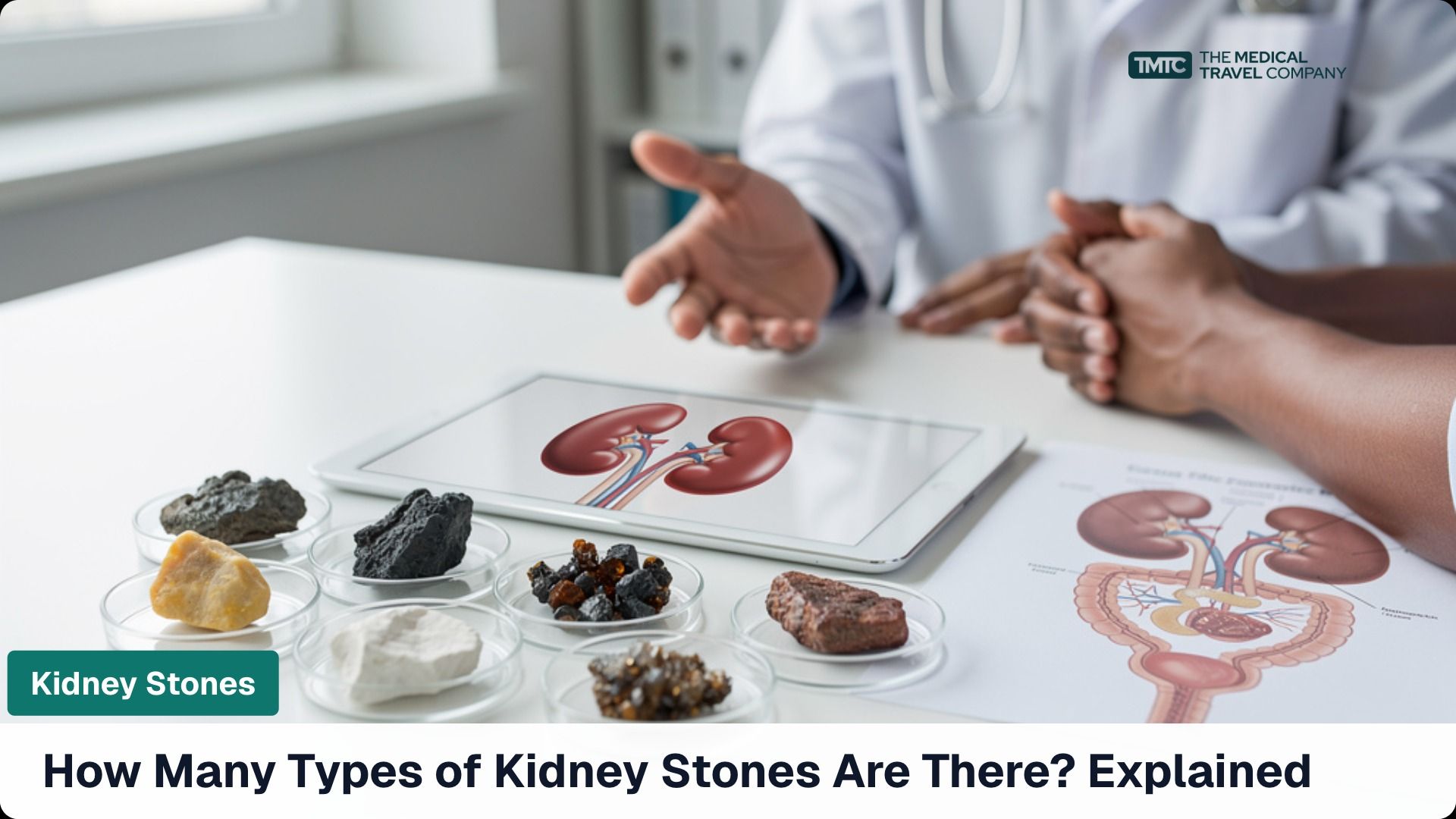
The most common type, calcium oxalate stones, accounts for about 80% of all kidney stones. These form when calcium combines with oxalate, a natural compound found in many foods. Other types include uric acid stones, struvite stones (often linked to infections), and cystine stones (caused by a genetic disorder).
Each type of stone requires different dietary considerations. For instance, uric acid stones form in acidic urine and are often associated with high protein diets, while calcium oxalate stones are influenced by both oxalate and calcium intake.
Key Risk Factors
Several factors increase your risk of developing kidney stones. Dehydration tops the list, as concentrated urine allows minerals to crystallize more easily. Family history, obesity, certain medications, and digestive diseases also contribute to stone formation.
Your diet significantly impacts stone formation. Research from Harvard Health shows that dietary factors can either promote or prevent kidney stone development, making nutrition a powerful tool in your prevention strategy.
Foods to Avoid with Kidney Stones
Certain foods significantly increase your risk of kidney stone formation. By identifying and limiting these trigger foods, you can dramatically reduce your chances of developing painful stones.
High Oxalate Foods to Limit
Oxalate is a natural compound found in many healthy foods, but consuming too much can contribute to calcium oxalate stone formation. The key isn't to eliminate oxalate entirely but to manage your intake wisely.
Spinach contains one of the highest oxalate concentrations among vegetables, with over 750 milligrams per cup. Rhubarb is another significant source, containing nearly 900 milligrams per cup. Beets, Swiss chard, and sweet potatoes also rank high on the oxalate list.
Nuts pose a particular challenge for kidney stone prevention. Almonds, cashews, and peanuts are especially high in oxalates. While nuts offer valuable nutrients, portion control becomes essential if you're prone to calcium oxalate stones.
Dark chocolate and cocoa products contain substantial oxalate amounts. Tea, particularly black tea, also contributes significant amounts of oxalates to your daily intake. However, moderate consumption may still be acceptable depending on your overall oxalate load.
Animal Protein Sources to Monitor
Excessive animal protein intake increases your risk of both calcium oxalate and uric acid stones. High protein consumption raises uric acid levels in your urine while decreasing citrate, a natural stone inhibitor.
Red meat, poultry, fish, and eggs all contribute to this protein load. The issue isn't protein itself but rather the amount and frequency of consumption. A study published in the New England Journal of Medicine found that reducing animal protein intake was more effective than traditional low-calcium diets for preventing stone recurrence.
Organ meats like liver and kidney contain particularly high levels of purines, which break down into uric acid. Sardines, anchovies, and shellfish also fall into this high-purine category and should be consumed sparingly.
High Sodium Foods to Avoid
Sodium increases calcium excretion in your urine, creating ideal conditions for calcium-based stone formation. The Mount Sinai Health System recommends limiting sodium intake to no more than 2,300 milligrams daily for stone prevention.
Processed foods represent the biggest sodium culprits in most diets. Canned soups, deli meats, frozen meals, and restaurant dishes often contain excessive sodium levels. Reading nutrition labels becomes crucial for identifying hidden sodium sources.
Table salt isn't the only concern. Many condiments, sauces, and seasonings pack surprising sodium amounts. Soy sauce, ketchup, salad dressings, and even some breakfast cereals can contribute significantly to your daily sodium intake.
Essential Dietary Strategies for Prevention
Beyond avoiding specific foods, implementing positive dietary changes creates a comprehensive kidney stone prevention strategy. These evidence-based approaches address multiple risk factors simultaneously.
Prioritize Proper Hydration
Adequate fluid intake represents the single most important dietary factor in kidney stone prevention. GoodRx research shows that water, lemon juice, coffee, and green tea are the best drinks for kidney stone prevention.
Aim for 2-3 liters of fluids daily, with water as your primary choice. Citrus drinks like lemonade and orange juice provide additional benefits through their citrate content, which helps prevent stone formation.
Avoid sodas and alcohol, as these beverages can promote stone formation. Sugary drinks increase your risk, while alcohol can lead to dehydration and concentrated urine.
Balance Your Calcium Intake
Contrary to popular belief, severely restricting calcium isn't recommended for kidney stone prevention. Low calcium intake can actually increase oxalate absorption in your intestines, potentially raising stone risk.
Focus on getting calcium from food sources rather than supplements. Dairy products, leafy greens, and fortified foods provide calcium along with other beneficial nutrients. When you eat calcium-rich foods with oxalate-containing foods, the calcium can bind with oxalate in your intestines, preventing oxalate absorption.
Moderate Protein and Sodium Intake
Rather than eliminating animal protein entirely, focus on moderation. Limit portions to about 3-4 ounces per meal and consider incorporating more plant-based protein sources like beans, lentils, and quinoa.
For sodium reduction, cook more meals at home using fresh ingredients. When eating out, ask for dressings and sauces on the side, and choose grilled or roasted preparations over fried options.
Creating Your Personalized Prevention Plan
Every person's kidney stone risk profile is unique. Developing an effective prevention strategy requires understanding your specific risk factors and tailoring your approach accordingly.
Work with Healthcare Professionals
If you've had kidney stones before, understanding their composition provides crucial information for dietary planning. Stone analysis can reveal whether you're prone to calcium oxalate, uric acid, or other types of stones.
A nephrologist or registered dietitian can help interpret your stone analysis and create a personalized eating plan. They can also order 24-hour urine tests to identify specific metabolic risk factors and monitor your progress over time.
For complex cases or recurrent stones, expert guidance becomes essential. Understanding the early signs and risk factors of kidney-related conditions can help you maintain better overall kidney health.
Monitor and Adjust Your Approach
Keep a food diary to track your intake of high-oxalate foods, protein, and sodium. Note any symptoms or changes in your urine color or clarity, as these can indicate concentration levels.
Regular follow-up appointments allow your healthcare team to assess the effectiveness of your dietary changes. They may adjust recommendations based on your progress and any new symptoms.
Integrate Lifestyle Changes
Beyond dietary modifications, maintaining a healthy weight supports kidney stone prevention. Obesity increases stone risk, so combining dietary changes with regular physical activity provides additional benefits.
Stress management also plays a role in overall kidney health. Chronic stress can affect your eating habits and hydration patterns, potentially increasing stone risk.
Taking Control of Your Kidney Health
Managing your kidney stone risk through diet doesn't mean sacrificing nutrition or enjoyment. With the right knowledge and approach, you can maintain a varied, healthy diet while protecting your kidneys.
Remember that approximately two-thirds of people who've had kidney stones will develop them again without proper prevention measures. However, research consistently shows that dietary modifications can significantly reduce this recurrence risk.
Expert Care Makes the Difference
At The Medical Travel Company, we understand that managing kidney stones requires personalized attention and world-class care. Our expert guidance helps patients develop effective prevention strategies tailored to their unique needs, ensuring a seamless experience throughout their treatment journey.
The most effective prevention strategy combines multiple approaches: staying well-hydrated, moderating high-oxalate and high-protein foods, reducing sodium intake, and maintaining adequate calcium consumption through food sources.
Don't let the fear of kidney stones control your life. By implementing these evidence-based dietary strategies and working with healthcare professionals, you can significantly reduce your risk while maintaining optimal nutrition and kidney health.
Key Points for Kidney Stone Prevention
- Drink 2-3 liters of fluids daily, emphasizing water and citrus beverages
- Limit high-oxalate foods like spinach, nuts, and dark chocolate in moderation
- Reduce animal protein portions and sodium intake to below 2,300mg daily
- Get calcium from food sources rather than avoiding it entirely
- Work with healthcare professionals for personalized dietary recommendations
Take the first step toward better kidney health today. Schedule a consultation with a qualified healthcare provider to develop your personalized kidney stone prevention plan and ensure you're getting the affordable healthcare and expert guidance you deserve.
References:
- National Kidney Foundation- Statistics on kidney stone prevalence in the United States
- GoodRx - Best Drinks for Kidney Stone Prevention- Research on optimal beverages for stone prevention
- New England Journal of Medicine- Comparative study on dietary approaches for kidney stone prevention
- Harvard Health Publishing- Comprehensive overview of kidney stone causes and dietary factors
- Mount Sinai Health System- Clinical guidelines for kidney stone prevention through dietary modifications
Related Articles



Ready to open the door to better health?