Shoulder Replacement Abroad: A Comprehensive Guide for Tanzanian Patients
Discover what to expect with shoulder replacement abroad, including costs, recovery, and expert guidance for Tanzanian patients.
Last Updated On 29 April 202612m

Medical professional with 10+ years’ experience in diagnosis, patient care, and clinical leadership.
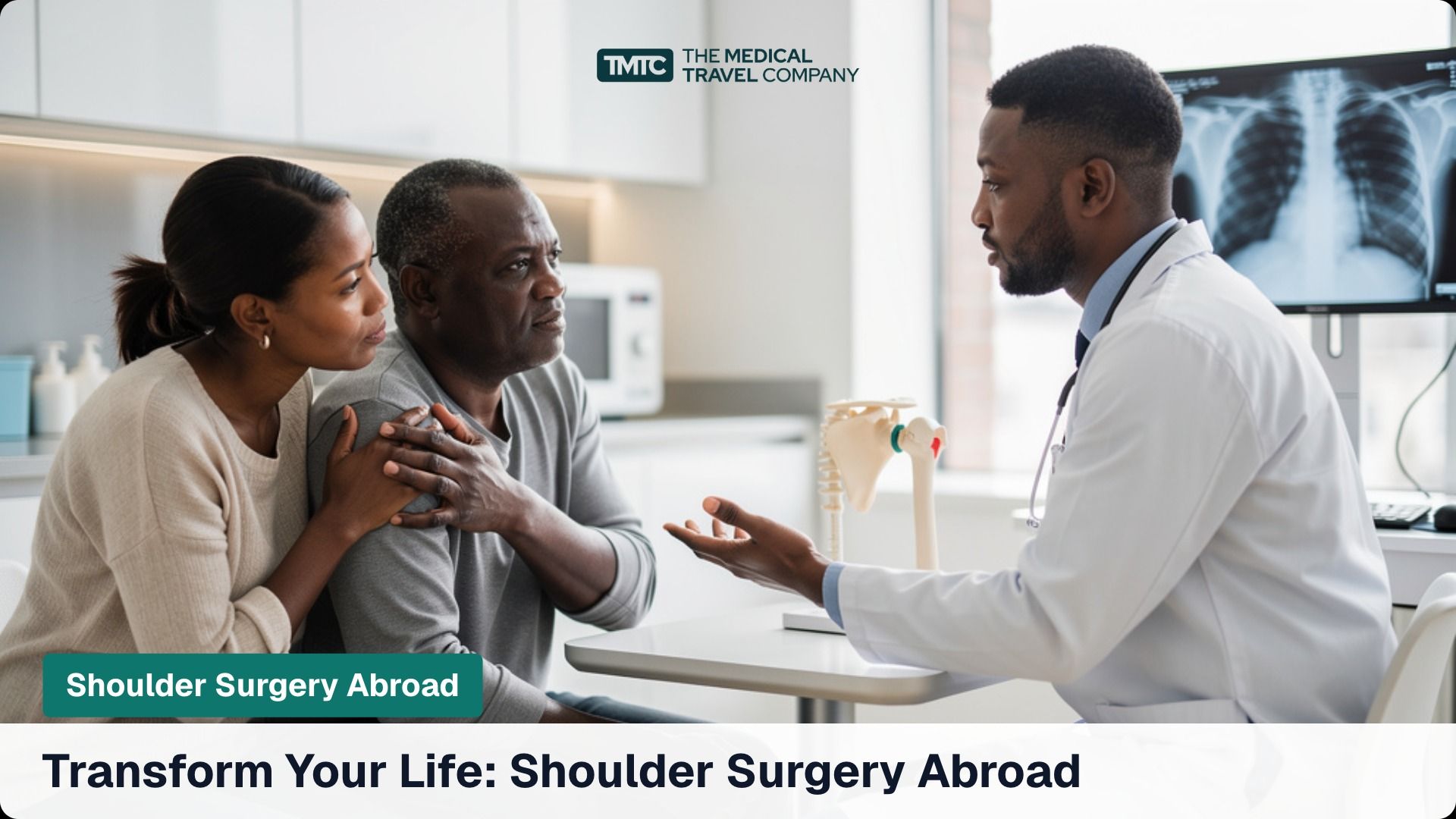
If you're living with chronic shoulder pain that's affecting your daily life, you've likely considered your treatment options. When shoulder pain becomes severe enough to limit your mobility or interfere with basic activities like reaching, lifting, or sleeping comfortably, shoulder replacement surgery abroad might be the solution you're looking for.
For many Tanzanian patients, seeking orthopedic surgery abroad offers access to world-class care at affordable prices. You'll work with experienced surgeons in internationally accredited facilities while receiving personalised treatment plans designed to get you back to the activities you love.
Understanding Shoulder Replacement Surgery
Shoulder replacement surgery involves replacing damaged parts of your shoulder joint with artificial components. This procedure can dramatically reduce pain and restore function when conservative treatments like physiotherapy, injections, or medications haven't provided sufficient relief.
What is Shoulder Replacement Surgery?
During shoulder replacement surgery, your surgeon removes damaged cartilage and bone from your shoulder joint, replacing them with metal and plastic components. The procedure is typically recommended for patients with advanced arthritis, severe joint damage from injury, or conditions like rotator cuff arthropathy.
Your surgeon will carefully evaluate your specific condition to determine if you're a good candidate for surgery. This assessment includes examining your pain levels, range of motion, and how your shoulder problems affect your quality of life.
Types of Shoulder Surgery
There are several types of shoulder surgery available, and your surgeon will recommend the best option based on your specific condition:
Total shoulder replacement involves replacing both the ball and socket of your shoulder joint. This is often recommended for patients with advanced arthritis affecting both parts of the joint.
Partial shoulder replacement, also called hemiarthroplasty, replaces only the ball portion of the joint. This option might be suitable if your socket is still healthy but the ball is severely damaged.
Reverse shoulder replacement is a specialized procedure where the normal anatomy is reversed - the ball component is placed on your shoulder blade and the socket on your upper arm bone. This technique is often used when you have a large rotator cuff tear along with arthritis.
Your orthopedic surgeon will discuss which type of shoulder replacement surgery is most appropriate for your individual case during your consultation.
Why Consider Shoulder Replacement Abroad?
Many Tanzanian patients are discovering the advantages of seeking orthopedic surgery abroad. You'll gain access to advanced medical facilities, experienced surgeons, and comprehensive care packages that make the entire process more manageable.
Benefits of Surgery Abroad
International hospitals specializing in orthopedic care offer several key advantages. You'll receive treatment in facilities with the latest medical technology and internationally trained surgeons who perform hundreds of shoulder procedures each year.
These hospitals maintain strict international accreditation standards, ensuring you receive the same quality of care you'd expect in the world's leading medical centers. Many facilities also offer comprehensive support services, including translation services, accommodation assistance, and dedicated patient coordinators to guide you through your journey.
Cost Comparison: Local vs. Abroad
Shoulder surgery cost abroad is often significantly lower than similar procedures in Western countries, making quality care more accessible. Even when you factor in travel and accommodation expenses, the total cost typically remains substantially less than what you might pay elsewhere.
| Treatment Type | Cost Range Abroad | Typical Savings |
|---|---|---|
| Total Shoulder Replacement | $8,000 - $12,000 | 40-60% |
| Partial Shoulder Replacement | $6,000 - $9,000 | 45-65% |
| Reverse Shoulder Replacement | $10,000 - $14,000 | 35-55% |
| Rotator Cuff Repair | $4,000 - $7,000 | 50-70% |
These cost savings don't come at the expense of quality. You'll receive the same high-standard care in modern facilities with experienced medical teams.
What to Expect: The Surgical Process
Understanding what happens before, during, and after your shoulder replacement surgery helps you feel more confident about your decision. The entire process is designed to ensure your safety and optimize your recovery.
Pre-Surgery Consultation
Your journey begins with a comprehensive consultation where your surgeon reviews your medical history, examines your shoulder, and discusses your treatment goals. You'll undergo necessary tests including X-rays, blood work, and possibly an MRI to create a detailed picture of your shoulder condition.
During this consultation, your surgeon will explain the recommended procedure, discuss potential risks and benefits, and answer all your questions. You'll also receive a personalised treatment plan that outlines your surgery date, expected recovery timeline, and rehabilitation requirements.
Surgical Procedure Overview
Joint replacement shoulder surgery typically takes 1.5 to 3 hours, depending on the complexity of your case. You'll receive general anesthesia to ensure you're completely comfortable throughout the procedure.
Your surgeon will make an incision to access your shoulder joint, carefully remove damaged bone and cartilage, and position the new artificial components. Modern surgical techniques focus on minimally invasive approaches when possible, which can lead to faster recovery times and reduced scarring.
After surgery, you'll be monitored in recovery before being transferred to your hospital room. Most patients stay in the hospital for 1-3 days, depending on their individual recovery progress.
Post-Surgery Care
Expert guidance doesn't end when your surgery is complete. Your medical team will monitor your progress, manage pain effectively, and ensure you understand your rehabilitation requirements before you're discharged.
You'll receive detailed instructions for caring for your surgical site, managing pain, and beginning gentle movement exercises. Your surgeon will also coordinate with physiotherapy specialists to ensure you have a comprehensive rehabilitation plan.
Shoulder Surgery Costs Abroad
Understanding the financial aspects of your surgery helps you plan effectively and make informed decisions about your care. Costs can vary based on several factors, but transparency in pricing allows you to budget accurately for your treatment.
Factors Influencing Costs
Several factors affect the total cost of your shoulder replacement surgery abroad. The type of procedure you need is the primary factor - reverse shoulder replacement typically costs more than standard total shoulder replacement due to the specialized implants and surgical technique required.
Your hospital stay length, the specific implant components used, and any additional procedures needed will also influence the final cost. Some patients may require additional treatments like rotator cuff repair alongside their replacement surgery.
Similar to hip replacement surgery, comprehensive packages often include surgeon fees, hospital costs, implant costs, and basic post-operative care, making it easier to understand your total investment.
Typical Price Range
Shoulder replacement abroad typically costs between $6,000 and $14,000, depending on the specific procedure and hospital chosen. This represents significant savings compared to similar procedures in many Western countries, where costs can exceed $25,000 to $40,000.
These prices usually include your surgery, hospital stay, surgeon fees, and basic follow-up care. Additional costs to consider include travel expenses, accommodation for your recovery period, and extended physiotherapy if needed.
Financial Planning Tips
Start planning your finances early in the process. Many hospitals offer detailed cost breakdowns upfront, allowing you to budget for all aspects of your treatment and travel.
Consider the total cost of your trip, including flights, accommodation, meals, and any necessary medical equipment like slings or ice machines. Some facilities offer all-inclusive packages that can simplify budgeting and provide better value.
Research whether your insurance provides any coverage for overseas treatment, though many patients find that even paying out-of-pocket abroad costs less than their insurance co-pays for similar procedures at home.
Recovery and Rehabilitation After Surgery
Your recovery journey is just as important as the surgery itself. Understanding what to expect during rehabilitation helps you prepare mentally and physically for the healing process ahead.
Shoulder Surgery Recovery Time
Shoulder surgery recovery time varies depending on your specific procedure and individual healing rate. Most patients can expect initial healing within 6-8 weeks, but full recovery often takes 3-6 months.
During the first few weeks, you'll wear a sling to protect your shoulder while initial healing occurs. You can typically resume light daily activities within 2-4 weeks, but you'll need to avoid heavy lifting or overhead movements for several months.
Your surgeon will provide specific timelines based on your procedure type. For example, recovery from rotator cuff vs replacement surgery can differ significantly, with rotator cuff repairs sometimes requiring longer periods of restriction to allow tendon healing.
Importance of Physiotherapy
Physiotherapy shoulder rehab plays a crucial role in your successful recovery. Your rehabilitation program begins with gentle range-of-motion exercises and gradually progresses to strengthening exercises as your shoulder heals.
Working with experienced physiotherapists ensures you regain optimal function while avoiding complications. Your therapy program will be customized based on your surgery type, recovery progress, and personal goals.
Many patients find that consistent participation in physiotherapy leads to better long-term outcomes, including improved strength, flexibility, and overall satisfaction with their surgery results.
Long-Term Benefits
Mobility after shoulder surgery typically improves dramatically compared to pre-surgery function. Most patients experience significant pain reduction within the first few months, with continued improvement over the first year.
You can expect to return to most normal activities, including driving, working, and recreational activities. While high-impact sports or heavy overhead lifting may be limited, most patients find they can participate in activities they hadn't enjoyed in years due to pain.
Modern shoulder implants are designed to last 15-20 years or more with proper care, making this a long-term solution for chronic shoulder problems. Regular follow-up with your orthopedic team helps ensure your implant continues functioning optimally.
Your Recovery Milestones
- Week 1-2: Focus on rest, pain management, and gentle finger/wrist movements
- Week 3-6: Begin passive range-of-motion exercises with physiotherapist
- Week 6-12: Start active-assisted exercises and light daily activities
- Month 3-4: Progress to active strengthening exercises
- Month 4-6: Return to most normal activities and work
- Month 6-12: Achieve full recovery and activity goals
Frequently Asked Questions
Many Tanzanian patients have similar concerns about seeking orthopedic surgery abroad. Here are answers to the most common questions we hear from patients considering shoulder replacement surgery.
Common Concerns
Is surgery abroad safe? International hospitals specializing in orthopedic care maintain the same safety standards as leading medical centers worldwide. Many are accredited by international organizations and staffed by surgeons trained at top medical institutions.
What about language barriers? Most international medical facilities catering to patients from East Africa provide translation services and have staff who speak English fluently. You'll also typically work with a patient coordinator who ensures clear communication throughout your care.
How do I arrange follow-up care? Your surgical team will coordinate with local healthcare providers in Tanzania for your ongoing care. They'll also provide detailed post-operative instructions and may offer virtual consultations for follow-up questions.
What if complications arise? Reputable facilities have protocols for handling post-operative complications and will work with you to address any issues that may develop. Many also provide emergency contact information for post-surgery concerns.
Many patients report that the combination of high-quality care and affordability made their decision easier. The comprehensive support throughout the process, from travel coordination to rehabilitation planning, often exceeds expectations.
Making the Decision: Is It Right for You?
Deciding to pursue shoulder replacement surgery abroad is a significant decision that requires careful consideration of your personal health situation, treatment goals, and practical factors.
Personal Factors to Consider
Evaluate how significantly your shoulder pain affects your quality of life. If conservative treatments like physiotherapy, medications, or injections haven't provided adequate relief, and your pain limits daily activities or disrupts sleep, surgery may be appropriate.
Consider your overall health status and ability to travel for surgery. Your surgeon will assess factors like your medical history, current medications, and other health conditions to determine if you're a good surgical candidate.
Think about your support system and recovery environment. Having family or friends available to assist during your initial recovery period is important for the best outcomes.
Just as patients research options for knee replacement surgery, it's important to explore all your treatment alternatives and understand the long-term commitment involved in rehabilitation.
Next Steps
If you're ready to explore shoulder replacement abroad, start by gathering your medical records, including recent X-rays and any imaging studies. This information will help surgeons provide accurate assessments and recommendations.
Research accredited facilities and experienced orthopedic surgeons who specialize in shoulder procedures. Look for hospitals with strong track records in treating international patients and comprehensive support services.
Schedule consultations with potential surgeons to discuss your specific case, treatment options, and expected outcomes. This is also an opportunity to ask about their experience with cases similar to yours and to understand their approach to patient care.
Consider the timing of your surgery carefully. Plan for adequate recovery time and ensure you have support available during your initial healing period. Many patients find it helpful to travel with a companion who can assist during the first few days after surgery.
Remember that choosing orthopedic surgery abroad opens doors to world-class care at affordable prices. With proper planning and the right medical team, you can achieve significant pain relief and improved mobility while receiving the expert guidance you deserve throughout your recovery journey.
References:
- The information in this article is based on current medical literature and established orthopedic surgery practices. For specific medical advice regarding your individual case, consult with qualified orthopedic surgeons who can evaluate your condition and recommend appropriate treatment options.
Related Articles



Ready to open the door to better health?