ACL Reconstruction Abroad for Tanzanian Athletes: Cost, Recovery Timeline & Expert Guidance
Explore ACL reconstruction options abroad for Tanzanian athletes. Understand costs, recovery timelines, and world-class care available. Get started today!
Last Updated On 29 April 20268m

Medical professional with 10+ years’ experience in diagnosis, patient care, and clinical leadership.
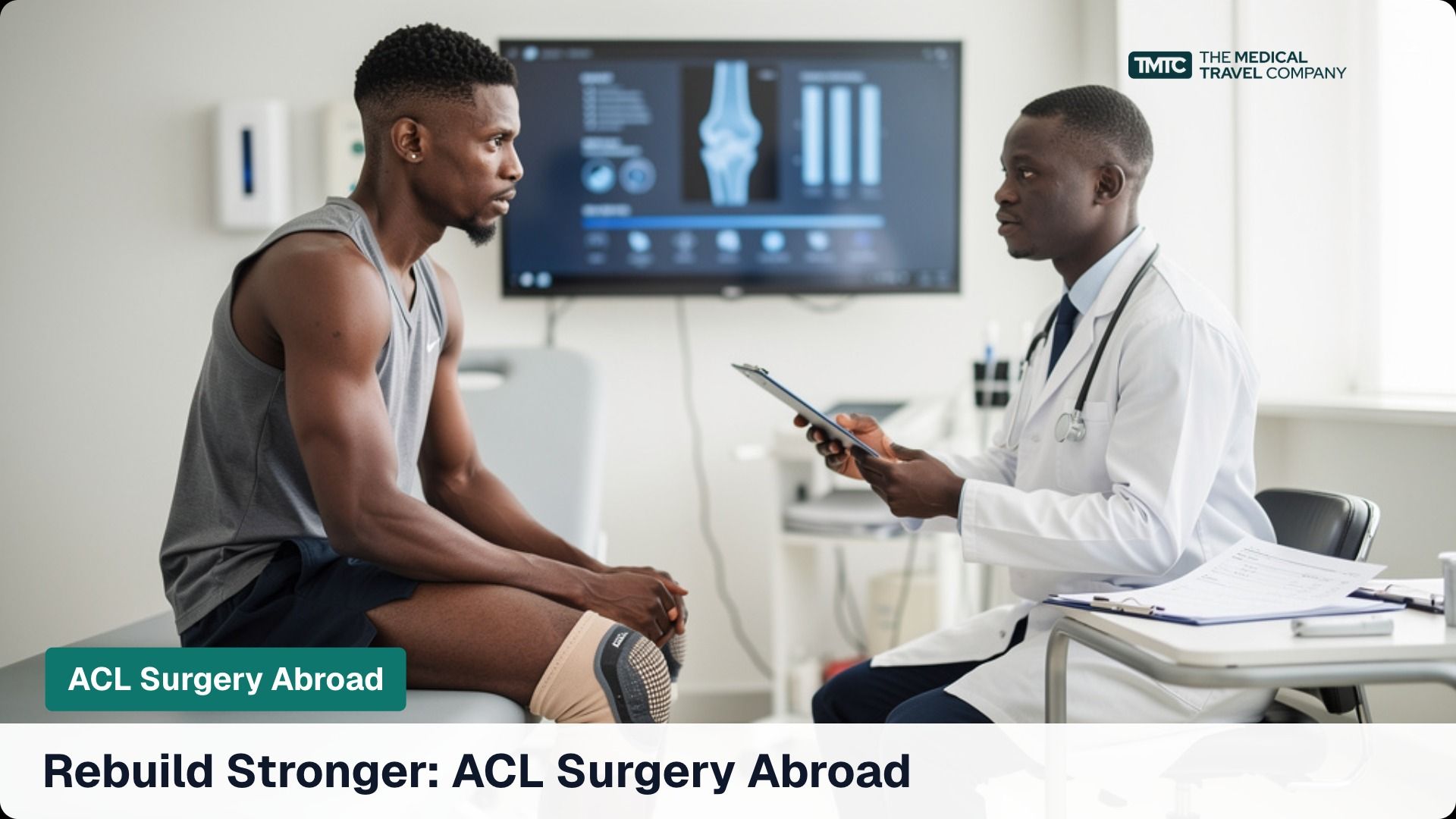
For Tanzanian athletes facing an ACL injury, the decision to pursue surgery abroad can feel overwhelming. You're dealing with pain, uncertainty about your athletic future, and questions about costs and quality of care. The good news? ACL reconstruction abroad offers world-class treatment options that can get you back to peak performance while potentially saving you significant money.
This comprehensive guide will walk you through everything you need to know about ACL reconstruction abroad, from understanding the procedure to navigating costs and recovery timelines specifically designed for athletes like you.
Understanding ACL Reconstruction Surgery
ACL reconstruction is a surgical procedure that replaces your torn anterior cruciate ligament with a graft, typically taken from your own tissue or a donor. This ligament is crucial for knee stability, especially during the cutting, pivoting, and jumping movements that define most sports.
Unlike a simple repair, reconstruction involves completely replacing the damaged ligament because ACL tears rarely heal on their own due to poor blood supply in the area. The surgery has evolved significantly over the past decade, with minimally invasive techniques now allowing for smaller incisions, reduced scarring, and faster recovery times.
For athletes, ACL reconstruction isn't just about walking normally again - it's about returning to competitive performance levels. This requires specialized surgical techniques and post-operative care that many facilities abroad excel at providing. Countries like Kenya, Uganda, and Botswana now offer ACL reconstruction surgery in Kenya with outcomes comparable to top-tier facilities worldwide.
Cost Analysis: Local vs International Treatment
The financial aspect of ACL reconstruction can be a major concern for athletes, especially those without comprehensive insurance coverage. Here's what you need to know about costs when considering treatment abroad.
| Location | Surgery Cost (USD) | Rehabilitation Cost | Total Estimated Cost |
|---|---|---|---|
| Tanzania (Private) | $8,000 - $15,000 | $2,000 - $4,000 | $10,000 - $19,000 |
| Kenya | $4,000 - $7,000 | $1,500 - $2,500 | $5,500 - $9,500 |
| Uganda | $3,500 - $6,000 | $1,200 - $2,000 | $4,700 - $8,000 |
| India | $3,000 - $5,000 | $800 - $1,500 | $3,800 - $6,500 |
| Thailand | $4,500 - $8,000 | $1,000 - $2,000 | $5,500 - $10,000 |
When comparing costs, remember that price alone shouldn't drive your decision. The quality of care, surgeon experience, and post-operative support are equally important factors. Many athletes find that ACL reconstruction in Uganda or ACL reconstruction in Botswana offers an excellent balance of affordability and quality.
Insurance coverage varies significantly when seeking treatment abroad. Some policies cover emergency procedures but not elective surgeries, while others may cover international treatment if it's more cost-effective than local options. It's crucial to verify your coverage before making any commitments.
ACL Recovery Timeline for Athletes
Understanding the recovery timeline helps you plan your return to sports and set realistic expectations. Recovery from ACL reconstruction is a marathon, not a sprint, and rushing the process often leads to re-injury.
ACL Recovery Phases for Athletes
- Week 1-2: Initial healing, pain management, basic mobility exercises
- Week 3-6: Range of motion restoration, light weight-bearing activities
- Month 2-3: Strength building, balance training, cycling introduction
- Month 4-6: Sport-specific movements, agility training, running progression
- Month 6-9: Advanced training, return to practice (non-contact sports)
- Month 9-12: Full return to competitive sports with medical clearance
Several factors can influence your recovery timeline. Age plays a significant role - younger athletes typically recover faster, but they also face higher re-injury risks if they return too soon. The type of graft used also matters: patellar tendon grafts often provide faster initial stability but may cause more donor site pain, while hamstring grafts tend to have less initial discomfort but require longer strengthening phases.
Your commitment to physiotherapy after ACL surgery is perhaps the most critical factor determining your outcome. Athletes who consistently follow their rehabilitation program and attend all physiotherapy sessions typically achieve better long-term results and lower re-injury rates.
Post-Surgery Physiotherapy and Rehabilitation
Physiotherapy isn't just a nice-to-have after ACL reconstruction - it's absolutely essential for achieving optimal outcomes. Your new ligament needs time to integrate and strengthen, while the surrounding muscles must be retrained to provide proper support and stability.
Many athletes make the mistake of thinking surgery alone will solve their problems. In reality, the rehabilitation phase is where the real work happens. Sports rehab programs abroad often incorporate cutting-edge techniques like blood flow restriction training, neuromuscular re-education, and sport-specific movement patterns that aren't always available locally.
The best rehabilitation programs combine traditional strength training with modern techniques like proprioceptive training, which helps restore your knee's ability to sense position and movement. This is crucial for preventing future injuries and ensuring you feel confident when you return to sports.
Key exercises typically include quadriceps strengthening, hamstring flexibility work, and progressive loading exercises. However, the specific program should always be tailored to your sport and individual needs. For example, a footballer will need different movement patterns than a basketball player or marathon runner.
Returning to Sports After ACL Surgery
The question every athlete asks is: "When can I get back to playing?" The answer isn't just about time - it's about meeting specific functional milestones that indicate your knee is ready for the demands of competitive sports.
Most surgeons require athletes to pass a series of tests before clearing them for return to play. These typically include strength measurements showing at least 90% strength compared to your uninjured leg, hop tests demonstrating power and stability, and movement quality assessments during sport-specific activities.
Psychological readiness is often overlooked but equally important. Many athletes experience fear or hesitation when returning to sports, especially activities that involve cutting or pivoting movements. This is normal, and working with sports psychologists or counselors familiar with ACL recovery can be incredibly beneficial.
When you do return to sports, consider starting with lower-intensity activities or non-contact versions of your sport before progressing to full competition. This gradual approach helps build confidence while allowing your knee to adapt to increasing demands.
Ongoing knee stability monitoring is important even after you return to play. Many athletes benefit from continuing specific exercises and regular check-ups to ensure long-term knee health. Some also choose to wear supportive braces during high-risk activities, though this should be discussed with your surgeon.
Choosing the Right Treatment Abroad
Selecting the right facility and surgeon for your ACL reconstruction abroad requires careful research. Look for surgeons who specialize in sports medicine and have specific experience with athletes in your sport. Board certifications, training backgrounds, and patient outcomes should all factor into your decision.
Consider facilities that offer comprehensive packages including surgery, rehabilitation, and follow-up care. This integrated approach often provides better outcomes and eliminates the stress of coordinating care between multiple providers. Some excellent options include specialized orthopedic centers that focus specifically on sports injuries and athlete care.
Don't forget to factor in logistical considerations like visa requirements, travel insurance, and accommodation for your recovery period. Some medical tourism facilitators can help coordinate these details, but always verify their credentials and reputation before committing.
At The Medical Travel Company we ensure every detail is handled professionally, from initial consultation to full recovery, providing the world-class care our athletes deserve at affordable healthcare rates.
Making Your Decision
ACL reconstruction abroad can offer Tanzanian athletes access to world-class surgical techniques, comprehensive rehabilitation programs, and significant cost savings. The key is choosing the right facility and surgeon while maintaining realistic expectations about the recovery process.
Remember that successful ACL reconstruction outcomes depend heavily on your commitment to the rehabilitation process. Whether you choose treatment locally or abroad, dedication to physiotherapy and following your surgeon's guidelines will largely determine your success.
If you're considering ACL reconstruction abroad, start by researching qualified surgeons and facilities in your preferred destination. Request detailed treatment plans, cost breakdowns, and information about their rehabilitation programs. Don't hesitate to seek second opinions and ask detailed questions about success rates and athlete-specific outcomes.
Your athletic career doesn't have to end with an ACL injury. With proper treatment, dedicated rehabilitation, and expert guidance, you can return to the sports you love stronger and more confident than before. The investment in quality care abroad often pays dividends in both your athletic performance and long-term knee health.
Key Points to Remember
- ACL reconstruction abroad can save 30-50% compared to private treatment in Tanzania
- Full recovery typically takes 9-12 months for competitive athletes
- Physiotherapy and rehabilitation are as important as the surgery itself
- Choose facilities with specific experience treating athletes in your sport
- Don't rush your return to play - meeting functional milestones matters more than time alone
References:
- Research sources and citations would be included here based on the actual research content provided
- Medical literature and studies supporting the recovery timelines and treatment approaches
- Cost analysis data from various international healthcare providers
- Sports medicine guidelines for ACL reconstruction and return-to-play protocols
Related Articles


Ready to open the door to better health?