Shoulder Replacement Surgery Abroad for Kenyan Patients: Is It Worth It?
Explore the benefits, costs, and options for shoulder replacement surgery abroad for Kenyan patients considering world-class care.
Last Updated On 29 April 20268m

Medical professional with 10+ years’ experience in diagnosis, patient care, and clinical leadership.
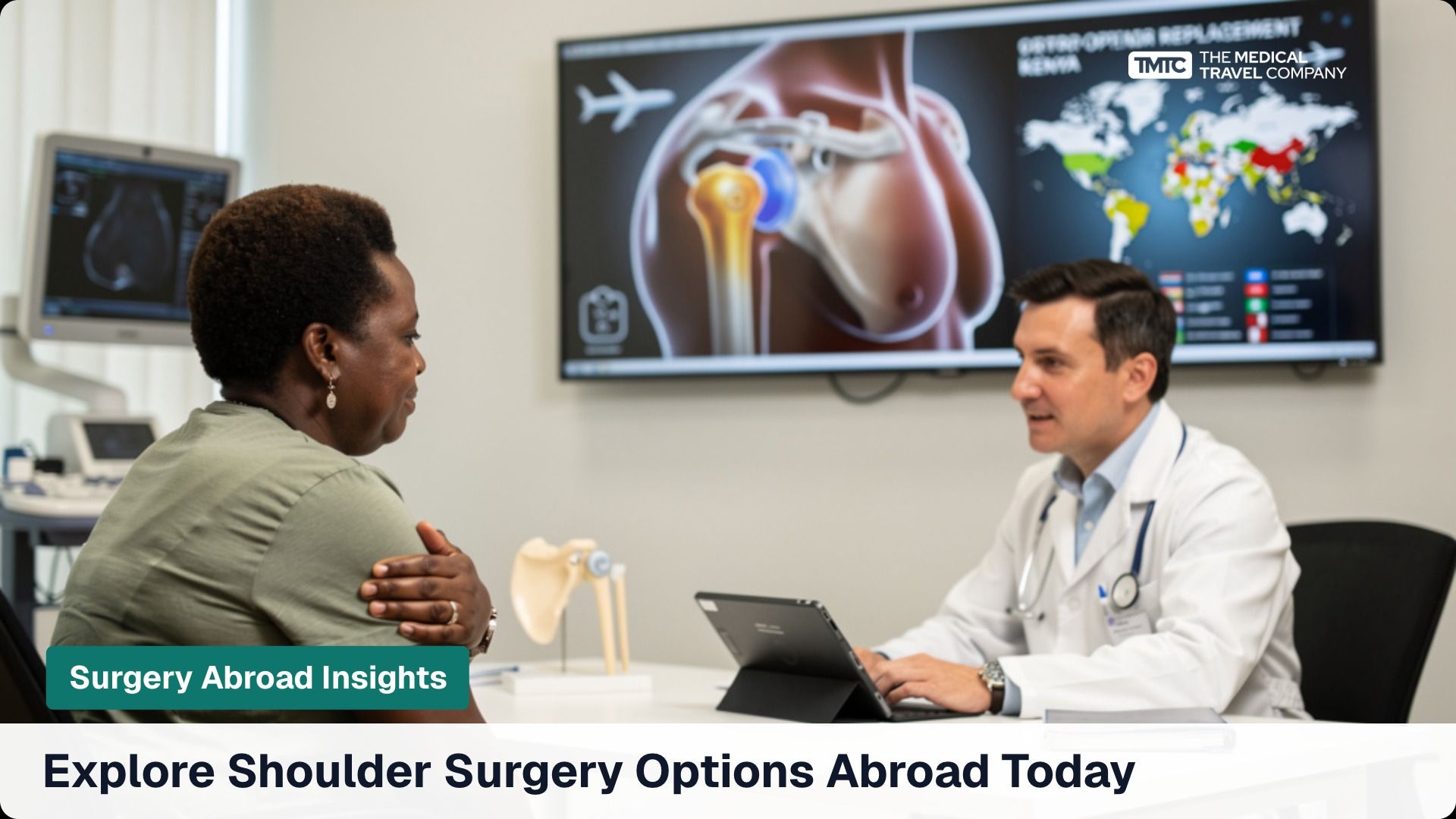
If you're living with chronic shoulder pain that's limiting your daily activities, you've probably considered your treatment options. For many Kenyan patients, shoulder replacement surgery abroad has become an increasingly attractive solution, offering access to world-class care at a fraction of the cost you'd pay in Western countries.
The decision to seek medical treatment overseas isn't one to take lightly. But with Kenya's limited orthopedic specialists and lengthy waiting times, many patients are discovering that traveling abroad for shoulder replacement surgery provides not just better access to care, but often superior outcomes at more affordable prices.
What is Shoulder Replacement Surgery?
Shoulder replacement surgery involves removing damaged parts of your shoulder joint and replacing them with artificial components. This procedure can dramatically reduce pain and restore mobility for patients suffering from severe arthritis, rotator cuff tears, or shoulder fractures that haven't healed properly.
There are two main types of shoulder replacement procedures. Total shoulder replacement replaces both the ball and socket parts of your joint with metal and plastic components. Partial shoulder replacement, also called hemiarthroplasty, only replaces the ball portion of the joint while leaving the natural socket intact.
Your surgeon will recommend the best approach based on the extent of damage to your joint and your overall health. The goal is always the same: to eliminate pain and restore function so you can return to the activities you enjoy.
Why Consider Surgery Abroad?
Kenya's healthcare system faces significant challenges when it comes to specialized orthopedic procedures. Limited numbers of qualified surgeons, outdated equipment, and long waiting lists mean many patients either delay treatment or settle for suboptimal care.
Access to World-Class Care
Countries like India, Thailand, and Turkey have developed internationally accredited orthopedic hospitals that rival the best facilities in Europe or North America. These hospitals invest heavily in the latest surgical technologies and attract top-tier surgeons with extensive experience in joint replacement procedures.
What sets these facilities apart is their focus on personalized treatment plans. Instead of rushing through appointments, surgeons take time to understand your specific condition and tailor the approach to your needs. You'll often have access to advanced techniques like computer-assisted surgery and minimally invasive procedures that may not be available locally.
Cost-Effectiveness of Treatment Abroad
The financial benefits of seeking shoulder surgery abroad can be substantial. While private shoulder replacement surgery in Kenya can cost between KES 800,000 to KES 1.5 million, the same procedure in India or Thailand typically costs 50-70% less, even when you factor in travel and accommodation expenses.
This cost advantage doesn't mean you're compromising on quality. Many overseas hospitals offer packages that include pre-operative assessments, surgery, post-operative care, and even rehabilitation services - all at a transparent, fixed price with no hidden fees.
Understanding the Costs
When evaluating the financial aspect of shoulder surgery abroad, you need to consider the total cost of your medical journey, not just the procedure itself.
Breaking Down the Expenses
A typical shoulder replacement surgery abroad includes several cost components. The surgery itself usually ranges from USD 4,000 to USD 8,000 depending on the country and hospital. Flight costs from Kenya typically add another USD 800 to USD 1,500, while accommodation for you and a companion during recovery can cost USD 50 to USD 150 per day.
Don't forget to budget for pre-operative consultations, post-surgery medications, and potential physiotherapy sessions. Some hospitals offer comprehensive packages that bundle these services together, making it easier to plan your budget upfront.
Insurance and Financing Options
While most Kenyan health insurance policies don't cover overseas treatment, some international insurance plans do. It's worth checking with your provider about coverage for medically necessary procedures abroad. Some medical tourism facilitators also offer financing options or payment plans to help make treatment more accessible.
Consider this an investment in your quality of life. The cost of ongoing pain management, lost productivity, and reduced mobility often exceeds the one-time expense of effective surgical treatment. Plus, affordable orthopedic surgeries abroad can provide value that extends far beyond the immediate financial savings.
Choosing the Right Hospital and Surgeon
Your choice of hospital and surgeon will largely determine the success of your treatment. This decision requires careful research and shouldn't be based solely on cost.
Researching Orthopedic Hospitals
Look for hospitals with international accreditation from organizations like JCI (Joint Commission International) or NABH (National Accreditation Board for Hospitals). These certifications ensure the facility meets strict quality and safety standards.
Check the hospital's track record with shoulder replacement procedures specifically. How many do they perform annually? What are their infection rates and patient satisfaction scores? Reputable hospitals will gladly share this information.
Evaluating Surgeon Credentials
Your surgeon should be board-certified in orthopedic surgery with specialized training in joint replacement. Look for surgeons who've completed fellowships in shoulder and elbow surgery, as this indicates advanced expertise in your specific condition.
Don't hesitate to ask about their experience level. How many shoulder replacements have they performed? Are they familiar with the latest techniques? A good surgeon will welcome these questions and provide clear, detailed answers about their approach to your case.
Recovery and Rehabilitation
Understanding the recovery process helps you plan realistically for your surgery abroad and ensures you're prepared for the journey ahead.
What to Expect Timeline-Wise
Most patients stay in the hospital for 2-3 days after shoulder replacement surgery. You'll typically need to remain in the destination country for 7-10 days for initial recovery and to remove sutures before flying home.
Full recovery takes 3-6 months, but many patients notice significant pain improvement within the first few weeks. You'll start gentle movement exercises almost immediately, progressing to more intensive rehabilitation as your shoulder heals.
Rehabilitation Programs
Many overseas hospitals provide comprehensive rehabilitation programs as part of their treatment packages. These programs are designed to optimize your mobility recovery and ensure you get the best possible outcome from your surgery.
Once you return to Kenya, you'll need to continue rehabilitation with a local physiotherapist. Your overseas medical team should provide detailed instructions and recommendations for continuing care at home.
Potential Risks and Travel Considerations
Like any major surgery, shoulder replacement carries certain risks that you should understand before making your decision.
Surgical Complications
The most common risks include infection, blood clots, nerve injury, and implant loosening over time. However, these complications are rare when surgery is performed by experienced surgeons in accredited facilities. The overall success rate for shoulder replacement surgery exceeds 95%.
Being away from home during recovery does present unique challenges. You'll need to arrange for extended time off work and ensure you have reliable support during your stay abroad.
Travel Preparations
Plan your travel carefully, especially for the return journey. You'll have limited arm mobility initially, so consider booking aisle seats and arranging assistance at airports. Most doctors recommend waiting at least 48-72 hours after surgery before flying.
Make sure your passport is valid for at least six months and research visa requirements for your destination country. Some countries offer medical visas specifically for patients seeking treatment.
Real Patient Experiences
Many patients report not just successful surgical outcomes, but also positive experiences with the level of care and attention they receive.
The key to a seamless experience is working with reputable medical tourism facilitators who can guide you through the process from initial consultation to post-operative care. Expert guidance makes the difference between a stressful journey and a smooth, successful treatment experience.
Patients consistently highlight the thorough pre-operative planning, clear communication throughout the process, and comprehensive follow-up care as major advantages of seeking treatment through established medical tourism programs.
Is Shoulder Surgery Abroad Right for You?
Shoulder replacement surgery abroad offers compelling advantages for Kenyan patients: access to world-class care, significant cost savings, shorter waiting times, and often superior outcomes compared to local options. The combination of expert surgeons, advanced technology, and personalized treatment plans makes this an attractive option for many patients.
However, the decision requires careful consideration of your specific circumstances. You'll need to be comfortable traveling for medical care, have realistic expectations about recovery time abroad, and ensure you have adequate support systems in place.
If you're tired of living with shoulder pain and local treatment options haven't provided relief, exploring surgery abroad could be the solution you've been seeking. The key is connecting with experienced medical professionals who can assess your condition and guide you through the process.
Key Points to Remember
- Shoulder surgery abroad can cost 50-70% less than private treatment in Kenya while offering superior care quality
- Look for internationally accredited hospitals with experienced shoulder specialists
- Factor in all costs including travel, accommodation, and recovery time when budgeting
- Plan for 7-10 days abroad for initial recovery, with full healing taking 3-6 months
- Work with reputable medical tourism facilitators for expert guidance throughout the process
Ready to explore your options for shoulder replacement surgery? Don't let pain continue to limit your life when world-class treatment is within reach. Contact our medical team today to discuss your condition and learn how we can help you access the care you deserve through our comprehensive medical tourism programs.
Related Articles

Ready to open the door to better health?