Shoulder Replacement Abroad: What Kenyan Patients Should Expect for World-Class Care
Explore affordable shoulder replacement abroad options for Kenyan patients, covering costs, recovery, and expert guidance for a seamless experience.
Last Updated On 29 April 202610m


Medical professional with 10+ years’ experience in diagnosis, patient care, and clinical leadership.
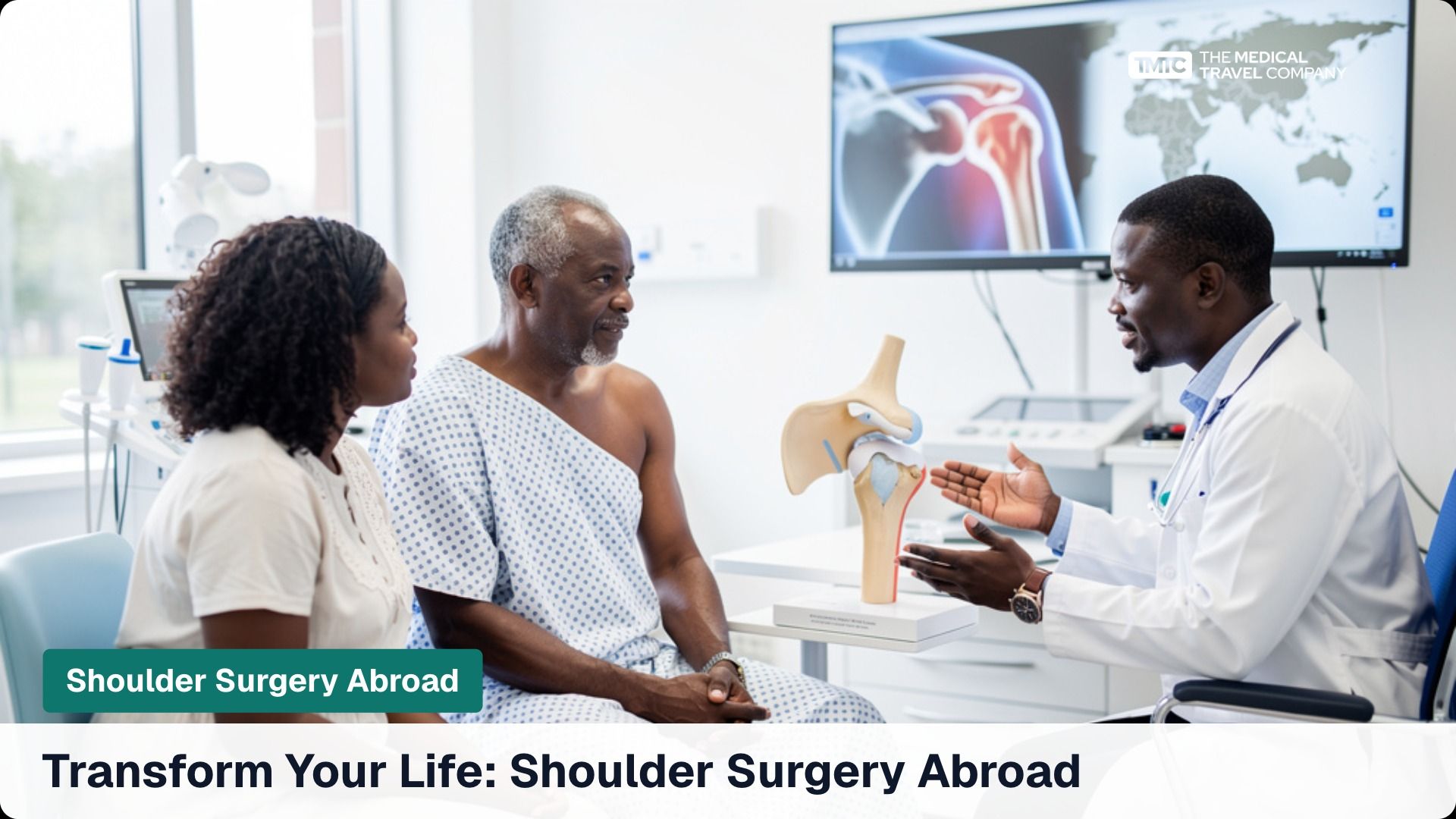
Living with chronic shoulder pain can make everyday activities feel impossible. From reaching for items on a shelf to getting a good night's sleep, persistent shoulder problems can significantly impact your quality of life. For many Kenyan patients, traditional treatments haven't provided lasting relief, and now they're looking beyond borders for effective solutions.
More Kenyan patients are discovering that shoulder replacement abroad offers access to world-class medical care at affordable prices. Countries like India, Turkey, and the UK provide cutting-edge orthopedic treatments with shorter wait times and comprehensive care packages designed specifically for international patients.
Why Consider Shoulder Replacement Abroad?
When local treatment options have been exhausted or are financially out of reach, seeking care abroad opens doors to advanced medical solutions that can transform your life.
Access to World-Class Care
International medical centers specializing in orthopedic surgery often feature state-of-the-art facilities and surgeons with decades of experience. These hospitals maintain strict international accreditation standards and use the latest surgical techniques that may not be readily available in Kenya.
Many of these facilities offer shoulder replacement surgery using robotic assistance and computer-guided precision. This technology allows for more accurate implant positioning and better long-term outcomes. Patients often receive personalized treatment plans that consider their specific anatomy and lifestyle needs.
Cost Benefits
The shoulder surgery cost abroad can be significantly lower than comparable procedures in private Kenyan facilities, even when factoring in travel expenses. Countries like India and Turkey offer comprehensive packages that include surgery, hospital stay, medications, and often accommodation for accompanying family members.
These packages typically cost 50-70% less than similar treatments in Western countries, making advanced orthopedic care accessible to middle-class Kenyan families. The savings become even more substantial when you consider the reduced waiting times, allowing you to return to work and normal activities sooner.
Minimally Invasive Options
International centers often specialize in minimally invasive shoulder surgery techniques that result in smaller incisions, less tissue damage, and faster recovery times. These approaches include arthroscopic-assisted procedures and muscle-sparing surgical techniques.
The benefits of minimally invasive approaches include reduced post-operative pain, shorter hospital stays, and quicker return to daily activities. Many patients find they can resume light activities within weeks rather than months.
Understanding Shoulder Surgery Costs Abroad
Cost transparency is crucial when planning medical treatment abroad. Understanding what's included in treatment packages helps you budget effectively and avoid unexpected expenses.
| Country | Surgery Cost (USD) | Total Package Cost | Recovery Stay |
|---|---|---|---|
| India | $8,000 - $12,000 | $10,000 - $15,000 | 2-3 weeks |
| Turkey | $10,000 - $15,000 | $12,000 - $18,000 | 2-3 weeks |
| Thailand | $12,000 - $18,000 | $15,000 - $22,000 | 2-4 weeks |
| UK | $20,000 - $30,000 | $25,000 - $35,000 | 1-2 weeks |
Factors Affecting Joint Replacement Shoulder Costs
Several factors influence the final cost of your joint replacement shoulder surgery. The type of implant needed - whether total shoulder replacement or reverse shoulder replacement - significantly impacts pricing. Premium implants with longer warranties cost more but may offer better long-term outcomes.
Hospital choice also affects costs. JCI-accredited facilities typically charge premium rates but offer internationally recognized standards of care. The surgeon's experience and reputation, length of stay, and additional services like physiotherapy also factor into total expenses.
Insurance and Financing Options
Many international insurance providers now recognize treatments abroad, especially when local options aren't available or have excessive waiting periods. Some Kenyan insurance companies offer partial coverage for overseas medical treatment when pre-approved.
Medical financing companies also provide loans specifically for overseas treatment. These typically offer competitive interest rates and flexible repayment terms. Some hospitals partner with financing companies to offer zero-interest payment plans for qualified patients.
What to Expect During the Procedure
Understanding the surgical process helps reduce anxiety and allows you to prepare mentally and physically for your treatment abroad.
Pre-Procedure Consultations
Your journey begins with virtual consultations where surgeons review your medical history, imaging studies, and current symptoms. Most international centers offer telemedicine consultations that allow Kenyan patients to meet their surgical team before traveling.
You'll receive detailed pre-operative instructions including medication adjustments, dietary restrictions, and physical preparation requirements. Some patients benefit from pre-surgical physiotherapy to optimize muscle strength and range of motion before surgery.
The Surgical Process
Modern shoulder replacement typically takes 2-3 hours and uses general anesthesia combined with regional nerve blocks for optimal pain control. The surgeon removes damaged bone and cartilage, then positions the artificial joint components with precision instruments.
Many centers use computer navigation or robotic assistance to ensure accurate implant placement. This technology helps surgeons achieve optimal alignment and positioning, which contributes to better long-term function and implant longevity.
Post-Operative Care
Immediate post-operative care focuses on pain management, wound healing, and preventing complications. Most patients stay in hospital for 2-3 days, during which nursing staff monitor vital signs, manage pain medication, and begin early mobilization.
Your medical team provides detailed discharge instructions covering wound care, activity restrictions, and warning signs that require immediate medical attention. Many international centers offer 24-hour helplines for post-operative questions and concerns.
Recovery and Rehabilitation After Shoulder Surgery
Successful recovery depends on following your rehabilitation program and gradually returning to normal activities. Understanding what to expect during each recovery phase helps you set realistic goals and stay motivated.
Shoulder Surgery Recovery Time
The shoulder surgery recovery time varies depending on the type of procedure and your individual healing rate. Most patients experience significant pain relief within the first few weeks, though full recovery takes several months.
Initial healing occurs over 6-8 weeks, during which bone grows around the implant to create a secure attachment. During this period, you'll wear a sling and follow strict activity restrictions to protect the healing tissues.
Complete recovery typically takes 4-6 months, with some patients continuing to see improvements up to one year post-surgery. Factors like age, overall health, and adherence to rehabilitation programs significantly influence recovery speed.
Physiotherapy Shoulder Rehab
Physiotherapy shoulder rehab is crucial for achieving optimal outcomes after surgery. Most international centers include initial physiotherapy sessions in their treatment packages, and many can arrange continued care in Kenya.
Early rehabilitation focuses on preventing stiffness and maintaining range of motion through gentle exercises. As healing progresses, therapy advances to strengthening exercises and functional training that prepares you for daily activities.
Your physiotherapist creates a personalized exercise program that progresses at a safe pace. Home exercises play a vital role in recovery, and compliance with your exercise program directly impacts your final outcome.
Mobility After Shoulder Surgery
Regaining mobility after shoulder surgery happens gradually through progressive stages. Initial movements focus on pendulum exercises and assisted range of motion to prevent adhesions and maintain joint flexibility.
Active mobility exercises begin around 4-6 weeks post-surgery, depending on your surgeon's protocol. These exercises help restore natural movement patterns and rebuild the muscle strength needed for daily activities.
Most patients regain functional mobility for daily activities within 3-4 months. However, returning to demanding activities like sports or heavy lifting may take 6 months or longer, depending on your goals and healing progress.
Essential Recovery Milestones
- Week 1-2: Focus on pain management and wound healing
- Week 3-6: Begin gentle range of motion exercises
- Week 6-12: Start active movement and light strengthening
- Month 3-4: Progress to functional activities and normal daily tasks
- Month 4-6: Return to work and recreational activities
- Month 6+: Full activity clearance based on surgeon approval
Long-Term Management and Pain Treatment
Successful long-term outcomes require ongoing attention to your shoulder health and maintaining the gains achieved through surgery and rehabilitation.
Monitoring Recovery Progress
Regular follow-up appointments allow your medical team to monitor healing and address any concerns early. Most international centers schedule virtual follow-ups at specific intervals and can coordinate with local doctors in Kenya for ongoing care.
X-rays and clinical examinations help assess implant position, bone healing, and overall joint function. These follow-ups typically occur at 6 weeks, 3 months, 6 months, and annually thereafter.
Long-Term Shoulder Pain Treatment Options
While shoulder replacement provides excellent pain relief for most patients, some may experience minor discomfort during weather changes or after excessive activity. Long term shoulder pain treatment focuses on maintaining joint health and preventing complications.
Maintaining an active lifestyle through regular exercise helps preserve joint function and prevents muscle weakness. Low-impact activities like swimming and cycling are excellent choices for long-term shoulder health.
When considering whether you need rotator cuff vs replacement surgery, it's important to understand that shoulder replacement addresses end-stage arthritis, while rotator cuff repair treats tendon injuries. Your surgeon will recommend the most appropriate treatment based on your specific condition.
Consulting with Healthcare Professionals
Establishing relationships with local healthcare providers ensures continuity of care after returning to Kenya. Many patients work with local orthopedic specialists who collaborate with their international surgical team.
Your international medical center should provide comprehensive medical records and rehabilitation protocols that local healthcare providers can follow. This coordination ensures consistent care and optimal long-term outcomes.
Success Stories: Patient Testimonials
Real patient experiences provide valuable insights into what you can expect from shoulder replacement abroad. These stories highlight both the challenges and rewards of seeking treatment overseas.
Many Kenyan patients report significant improvements in quality of life after shoulder replacement abroad. Common benefits include dramatic pain reduction, restored ability to perform daily activities, and improved sleep quality.
Patients consistently praise the comprehensive care coordination and personal attention they receive at international medical centers. The combination of advanced technology, experienced surgeons, and dedicated patient coordinators creates a supportive environment for healing.
Positive Outcomes and Lessons Learned
Successful patients emphasize the importance of thorough research when choosing medical providers abroad. They recommend verifying surgeon credentials, hospital accreditations, and reading multiple patient reviews before making decisions.
Most patients also stress the value of following all pre-operative and post-operative instructions carefully. Those who adhered closely to rehabilitation protocols achieved better outcomes and faster recovery times.
Making the Right Choice for Your Shoulder Health
Deciding to pursue shoulder replacement abroad represents a significant step toward reclaiming your quality of life. With proper planning, research, and realistic expectations, international treatment can provide the relief you've been seeking at a fraction of the cost.
The combination of world-class medical facilities, experienced surgeons, and comprehensive care packages makes orthopedic surgery abroad an increasingly attractive option for Kenyan patients. Countries like India, Turkey, and the UK offer proven track records of successful outcomes for international patients.
Remember that successful outcomes depend on choosing qualified providers, following medical advice, and committing to your rehabilitation program. The investment in your health pays dividends through improved function, reduced pain, and enhanced quality of life for years to come.
If you're considering shoulder replacement surgery, exploring international options alongside local treatments can help you make an informed decision. Whether you choose treatment abroad or locally, such as hip replacement or other orthopedic procedures, the most important factor is finding the right solution for your specific needs.
Take the first step toward pain-free living by consulting with qualified orthopedic specialists who can evaluate your condition and discuss all available treatment options. Your journey to better shoulder health starts with understanding your choices and finding the care that fits your needs and budget.
Related Articles

Ready to open the door to better health?