Knee Replacement Surgery Abroad for Kenyan Patients: Costs, Recovery, and More
Explore affordable knee replacement surgery options abroad for Kenyan patients, including costs, recovery timelines, and expert insights.
Last Updated On 29 April 20269m


Medical professional with 10+ years’ experience in diagnosis, patient care, and clinical leadership.
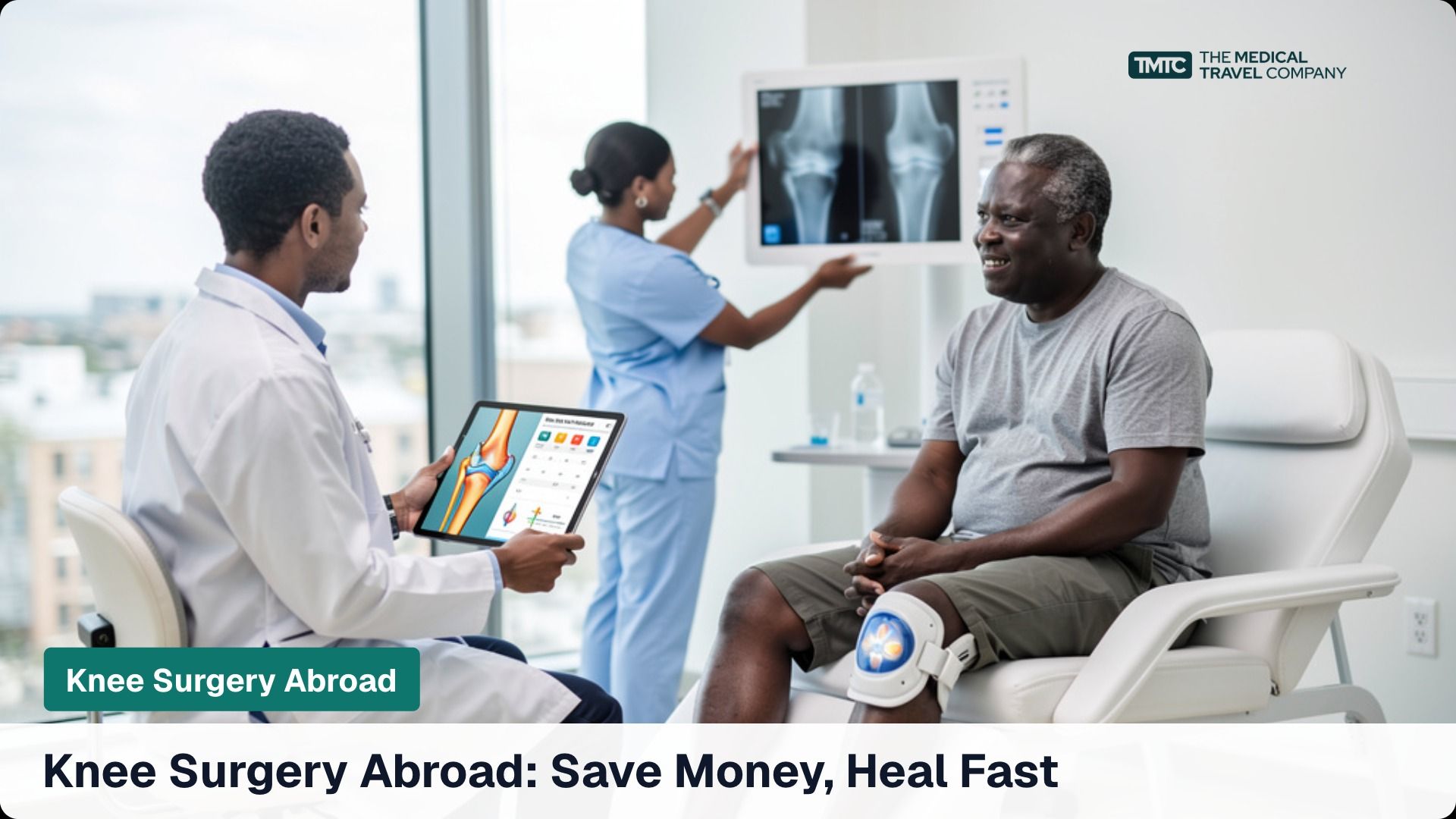
Living with chronic knee pain doesn't have to be your reality. If you're a Kenyan patient considering knee replacement surgery, exploring options abroad could offer you world-class care at significantly reduced costs. Many patients are discovering that seeking treatment internationally provides access to cutting-edge surgical techniques, shorter wait times, and comprehensive care packages that make the journey both affordable and effective.
Why Kenyan Patients Are Choosing Surgery Abroad
The decision to seek knee replacement surgery abroad isn't just about cost savings, though that's certainly a major factor. Kenyan patients are increasingly looking beyond borders for several compelling reasons that make international treatment an attractive option.
Local healthcare systems often face challenges with long waiting lists and limited specialized equipment. When you're dealing with severe knee pain that affects your daily activities, waiting months for surgery isn't always feasible. Countries like India, Turkey, and the UK offer immediate scheduling with world-class orthopedic specialists who perform hundreds of knee replacement procedures annually.
Access to advanced surgical techniques is another significant advantage. Many international hospitals use minimally invasive procedures, computer-assisted surgery, and the latest implant technologies. These innovations often result in smaller incisions, less post-operative pain, and faster recovery times compared to traditional methods.
Understanding Surgery Costs: Kenya vs. International Options
Cost transparency is crucial when planning your knee replacement surgery. Understanding the financial landscape helps you make an informed decision that fits your budget while ensuring quality care.
| Location | Surgery Cost (USD) | Hospital Stay | Additional Benefits |
|---|---|---|---|
| Kenya (Private) | $8,000-12,000 | 3-5 days | Local support, familiar environment |
| India | $4,000-6,000 | 5-7 days | Advanced technology, package deals |
| Turkey | $5,000-8,000 | 4-6 days | EU standards, comprehensive packages |
| UK | $15,000-20,000 | 1-3 days | Fastest recovery, premium care |
These figures include surgeon fees, hospital costs, anesthesia, and basic post-operative care. However, you'll need to factor in additional expenses like travel, accommodation for your companion, and extended rehabilitation if needed. Many international hospitals offer package deals that include airport transfers, accommodation, and follow-up consultations, which can provide better value and peace of mind.
The cost difference becomes even more significant when you consider that many international facilities offer payment plans and accept international insurance. Some patients save up to 50% compared to premium private care in Kenya, while receiving treatment that meets or exceeds local standards.
Your Recovery Timeline: What to Expect After Surgery
Understanding your recovery timeline helps you plan effectively and set realistic expectations. While every patient's journey is unique, there are general milestones that most people can expect during their knee replacement recovery.
First 24-48 Hours: Immediate Post-Surgery Care
Right after surgery, you'll spend time in the recovery room where medical staff monitor your vital signs and pain levels. Most patients experience some discomfort, which is completely normal and manageable with prescribed medications. You'll likely begin gentle movement exercises within hours of surgery – this might surprise you, but early mobility is crucial for preventing complications and speeding recovery.
Physical therapy typically starts on day one or two. Don't worry if this feels challenging initially; your physiotherapist will guide you through safe, gradual movements designed to restore function and prevent stiffness.
Weeks 1-4: Building Strength and Mobility
During your first month, you'll see significant improvements in your knee function. Most patients can walk with assistance by week one and independently by week two or three. The key during this phase is consistent physical therapy and following your surgeon's guidelines about weight-bearing activities.
You'll gradually increase your walking distance and may begin climbing stairs with support. Swimming and stationary cycling are often introduced during this period, as they provide excellent low-impact exercise for your recovering joint. Many patients find that their pre-surgery pain is already significantly reduced by the end of the first month.
Months 2-6: Returning to Normal Activities
This phase focuses on regaining full range of motion and returning to your regular activities. Most patients can drive again around 4-6 weeks post-surgery, depending on which knee was replaced and whether you drive an automatic or manual transmission vehicle.
By month three, you should be able to walk for extended periods without assistance and return to most work activities. However, complete healing of the bone around your implant takes several months, so high-impact activities like running or competitive sports may need to wait until your surgeon gives full clearance, typically around 6-12 months post-surgery.
Advantages of Seeking Treatment Internationally
Choosing surgery abroad offers benefits that extend beyond cost savings. These advantages often result in better outcomes and a more comprehensive treatment experience.
International hospitals specializing in medical tourism have developed streamlined processes specifically for overseas patients. This means you'll receive personalized coordination from the moment you inquire about treatment until your follow-up care is complete. Many facilities assign a dedicated patient coordinator who speaks your language and understands the unique needs of international patients.
The concentration of specialized expertise is another significant advantage. Surgeons at these centers often perform multiple knee replacements weekly, developing exceptional skill and staying current with the latest techniques. This high-volume experience translates to better outcomes and lower complication rates.
You'll also benefit from state-of-the-art facilities with the latest imaging technology, robotic surgical systems, and advanced implant options. Some international centers offer implant choices that might not be readily available in Kenya, allowing for more personalized treatment based on your specific anatomy and lifestyle needs.
Rehabilitation: The Key to Successful Recovery
Rehabilitation is arguably the most important part of your knee replacement journey. Without proper physiotherapy and gradual strengthening, even the most expertly performed surgery won't achieve its full potential.
Essential Components of Knee Replacement Rehabilitation
- Early mobilization exercises to prevent stiffness and blood clots
- Progressive strengthening of quadriceps and hamstring muscles
- Range of motion exercises to restore full knee flexibility
- Balance and stability training to prevent falls
- Functional training for daily activities like stair climbing
- Low-impact cardiovascular exercise to improve overall fitness
Many international hospitals include comprehensive rehabilitation programs in their treatment packages. This might involve several days of inpatient physiotherapy followed by detailed home exercise programs. Some facilities even offer virtual follow-up sessions, allowing you to continue working with your surgical team's physiotherapists after returning to Kenya.
If you choose treatment abroad, ensure you have a solid rehabilitation plan for your return home. Many patients benefit from working with local physiotherapists who can follow the international team's protocols. This continuity of care is essential for optimal recovery and long-term success.
Real Patient Experiences: Success Stories from Kenya
Hearing from patients who've successfully undergone knee replacement surgery abroad can provide valuable insights and reassurance about your decision. These real experiences highlight both the challenges and rewards of seeking treatment internationally.
Many Kenyan patients report that the comprehensive care coordination abroad actually made their experience less stressful than local treatment. The dedicated patient services, clear communication, and detailed pre-surgery preparation helped them feel confident and well-informed throughout their journey.
Patients consistently mention the quality of post-operative care as a standout feature. International hospitals often provide detailed discharge instructions, 24/7 helplines for questions, and scheduled follow-up calls to monitor progress. This level of support continues even after patients return home, providing peace of mind during the critical recovery period.
The combination of advanced technology and personalized care frequently leads to excellent outcomes. Many patients report returning to activities they hadn't enjoyed in years, from gardening to dancing to long walks with family. The investment in quality care abroad often pays dividends in improved quality of life for many years to come.
Making the Right Choice for Your Knee Replacement
Deciding where to have your knee replacement surgery is a significant decision that impacts not just your immediate recovery, but your long-term mobility and quality of life. The evidence suggests that for many Kenyan patients, seeking treatment abroad offers compelling advantages in cost, quality, and outcomes.
The combination of significant cost savings, access to cutting-edge technology, and comprehensive patient support makes international treatment an attractive option. When you factor in the expertise of high-volume surgical centers and the structured rehabilitation programs, many patients find that going abroad provides better value than local alternatives.
However, the decision should be based on your individual circumstances, including your overall health, support system, and comfort level with international travel. Consider consulting with orthopedic specialists who can help you evaluate whether you're a good candidate for surgery abroad and which destinations might best meet your specific needs.
If you're ready to explore your options, research accredited international hospitals with strong track records in orthopedic surgery and medical tourism. Look for facilities that provide comprehensive packages, transparent pricing, and robust post-operative support systems.
Remember that investing in quality knee replacement surgery – whether locally or abroad – is an investment in your future mobility and independence. The goal is to return to the activities you love, pain-free and confident in your movement. With careful planning and the right medical team, knee replacement surgery abroad can be the first step toward reclaiming your active lifestyle.
Take time to research your options thoroughly, ask detailed questions about the surgical process and recovery support, and choose a path that gives you confidence in achieving the best possible outcome for your unique situation.
Related Articles

Ready to open the door to better health?