Orthopaedic Surgeries Abroad for Kenyan Patients: Your Guide to Cost and Options
Explore affordable orthopaedic surgeries abroad for Kenyan patients. Compare costs, discover top destinations, and find the right care.
Last Updated On 29 April 20268m

Medical professional with 10+ years’ experience in diagnosis, patient care, and clinical leadership.
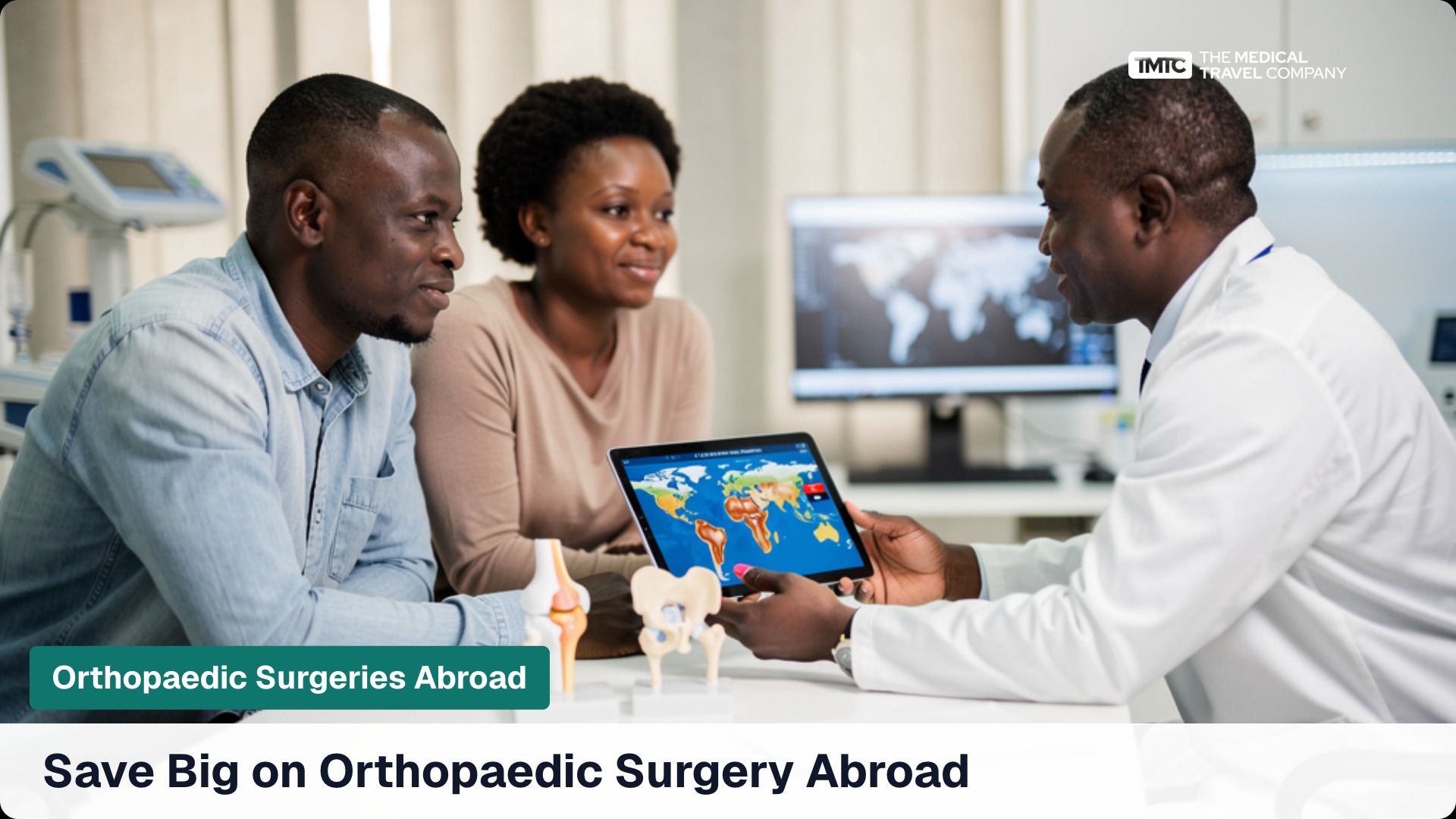
When chronic joint pain limits your daily activities and traditional treatments aren't providing relief, orthopaedic surgery abroad has emerged as a viable solution for thousands of Kenyan patients. With cost savings of up to 70% compared to Western countries and access to world-class facilities, medical tourism for bone and joint procedures offers both financial relief and expert care.
The rising costs of healthcare in Kenya, combined with limited specialist availability for complex procedures, have driven many patients to explore international options. Countries like Turkey, India, and Thailand now offer cutting-edge orthopaedic treatments at a fraction of the cost you'd pay in Europe or North America, without compromising on quality.
Understanding Your Orthopaedic Surgery Options
Orthopaedic surgery encompasses procedures that treat conditions affecting your musculoskeletal system — your bones, joints, ligaments, tendons, and muscles. The most common procedures Kenyan patients seek abroad include knee replacements, hip replacements, shoulder repairs, and spinal surgeries.
What makes seeking treatment overseas particularly attractive is the combination of advanced technology and experienced surgeons at significantly lower costs. Many international hospitals specializing in orthopaedic care have invested heavily in the latest surgical equipment, including robotic-assisted surgery systems and minimally invasive techniques that can reduce recovery time and improve outcomes.
The decision to undergo affordable orthopaedic surgeries abroad isn't just about cost — it's about accessing specialized care that might not be readily available locally. Many international centers offer comprehensive packages that include pre-operative consultations, the surgery itself, post-operative care, and even rehabilitation support.
Top Destinations for Orthopaedic Surgery
Several countries have established themselves as leading destinations for medical tourism, particularly for orthopaedic procedures. Each offers unique advantages in terms of cost, quality, and accessibility for Kenyan patients.
Turkey: Advanced Care at Competitive Prices
Turkey has become increasingly popular among African patients due to its geographic proximity and excellent healthcare infrastructure. Turkish hospitals often feature JCI accreditation and employ surgeons trained in Europe and North America. The country excels in joint replacement surgeries and spinal procedures, with many facilities offering all-inclusive packages that cover everything from airport transfers to post-operative care.
India: Volume and Expertise
India's medical tourism industry is well-established, with hospitals like Apollo and Fortis performing thousands of orthopaedic procedures annually. The high volume of cases means surgeons gain extensive experience, particularly in complex procedures. English is widely spoken, making communication easier for Kenyan patients.
Thailand: Premium Care with Hospitality
Thai hospitals are renowned for their patient-centered approach and luxury amenities. While slightly more expensive than India, Thailand offers exceptional service standards and is particularly strong in minimally invasive procedures and rehabilitation programs.
| Country | Average Cost Savings | Popular Procedures | Key Advantages |
|---|---|---|---|
| Turkey | 60-70% | Joint replacements, spinal surgery | JCI accreditation, proximity to Africa |
| India | 70-80% | Complex orthopaedics, revision surgeries | High volume, English-speaking |
| Thailand | 50-60% | Minimally invasive, sports medicine | Premium service, excellent rehabilitation |
| Germany | 30-40% | Advanced spinal procedures | Cutting-edge technology, research facilities |
Cost Analysis: What You Can Expect to Save
Understanding the true cost of orthopaedic surgery abroad involves more than just comparing surgical fees. You'll need to factor in travel expenses, accommodation, and potential follow-up visits, but even with these additional costs, most patients achieve significant savings.
For example, a knee replacement surgery that might cost $40,000 in the United States can be performed in India for around $7,000-$10,000, including hospital stays and initial rehabilitation. Even after adding travel and accommodation costs of $2,000-$3,000, you're still saving over 60% compared to Western prices.
| Procedure | USA Cost | Turkey Cost | India Cost | Thailand Cost |
|---|---|---|---|---|
| Hip Replacement | $35,000-$45,000 | $8,000-$12,000 | $6,000-$9,000 | $10,000-$15,000 |
| Knee Replacement | $35,000-$50,000 | $7,000-$11,000 | $5,000-$8,000 | $9,000-$14,000 |
| Spinal Fusion | $80,000-$120,000 | $12,000-$18,000 | $8,000-$15,000 | $15,000-$25,000 |
| Shoulder Replacement | $25,000-$35,000 | $6,000-$10,000 | $4,000-$7,000 | $8,000-$12,000 |
Hidden Costs to Consider
While the primary surgery costs are significantly lower abroad, it's important to budget for additional expenses. These include visa fees, international flights, extended accommodation for recovery, meals, local transportation, and potential companion costs if you're traveling with a family member.
Some patients also need to factor in follow-up visits or potential complications that might require additional treatment. However, reputable medical tourism facilitators often provide package deals that include many of these costs upfront, making budgeting more predictable.
Choosing the Right Hospital and Surgeon
Selecting the right medical team for your orthopaedic surgery is crucial for achieving the best outcomes. The decision shouldn't be based solely on cost — you need to evaluate the hospital's credentials, the surgeon's experience, and the overall quality of care.
Essential Criteria for Hospital Selection
- International accreditation (JCI, ISO, or equivalent)
- Surgeon's board certification and fellowship training
- Hospital's track record with your specific procedure
- English-speaking medical staff and translators
- Modern surgical equipment and technology
- Post-operative care and rehabilitation facilities
- Patient reviews and testimonials from similar cases
- Clear pricing structure with no hidden fees
When evaluating surgeons, look for those who have completed fellowships in their specialty and regularly perform the procedure you need. Many top international surgeons have trained or worked in Western countries and bring that expertise to their home countries at much lower costs.
Patient testimonials and before-and-after outcomes can provide valuable insights into a surgeon's capabilities. Don't hesitate to ask for references from previous patients, particularly those from Kenya or similar backgrounds who can share their experiences with the entire process.
The Rise of Minimally Invasive Bone Surgery
One of the most significant advances in orthopaedic surgery has been the development of minimally invasive techniques. These procedures use smaller incisions, specialized instruments, and advanced imaging to perform surgeries with less tissue damage and faster recovery times.
For procedures like hip replacement surgery, minimally invasive approaches can reduce hospital stays from several days to just 1-2 days, while also decreasing post-operative pain and scarring. This is particularly beneficial for medical tourists who want to minimize their time abroad while maximizing their recovery.
Many international centers specializing in medical tourism have invested heavily in robotic-assisted surgery systems and computer navigation technology. These tools allow surgeons to plan procedures with greater precision and execute them with enhanced accuracy, leading to better outcomes and faster healing.
The benefits of choosing minimally invasive options include smaller scars, reduced blood loss, lower infection risk, less post-operative pain, shorter hospital stays, and faster return to normal activities. However, not all patients are candidates for these techniques, and the decision should always be made in consultation with your surgeon based on your specific condition.
Recovery and Rehabilitation Planning
Successful orthopaedic surgery is only the beginning of your journey back to full mobility. The recovery and rehabilitation phase is equally important and requires careful planning, especially when you're recovering in a foreign country.
Most international hospitals provide comprehensive recovery programs that include physical therapy, pain management, and gradual mobilization under professional supervision. The duration of your stay abroad will depend on the complexity of your procedure and your individual healing progress.
Understanding Recovery Timelines
Recovery timelines vary significantly depending on the procedure and individual factors. A shoulder replacement surgery might require 6-8 weeks for initial healing, while complex spinal procedures could need 3-6 months for full recovery.
During your initial weeks abroad, you'll typically stay near the hospital for regular check-ups and physical therapy sessions. Many medical tourism packages include accommodation in recovery hotels or apartments specifically designed for recuperating patients, complete with medical support staff and transportation to appointments.
Before traveling home, your surgeon will provide detailed instructions for continued care, including exercise protocols, activity restrictions, and signs to watch for that might indicate complications. They'll also coordinate with local healthcare providers in Kenya to ensure continuity of care.
Making Your Decision: Next Steps Forward
Choosing to undergo orthopaedic surgery abroad is a significant decision that requires careful research and planning. The potential benefits — substantial cost savings, access to advanced treatments, and world-class care — make it an attractive option for many Kenyan patients facing expensive or unavailable procedures locally.
Start your journey by consulting with local orthopaedic specialists to understand your condition and treatment options. Get multiple opinions and explore whether the surgery you need is available locally. If international treatment seems like the best path forward, begin researching accredited hospitals and experienced surgeons in your preferred destination countries.
Remember that the cheapest option isn't always the best choice. Focus on finding the right combination of quality care, experienced surgeons, and comprehensive support services that fit within your budget. Consider working with reputable medical tourism facilitators who can help coordinate your entire journey and provide support throughout the process.
Your health and mobility are invaluable investments. With proper research and planning, orthopaedic surgery abroad can provide you with the expert care you need to return to an active, pain-free life while saving thousands of dollars in the process.
Related Articles

Ready to open the door to better health?