Affordable Hip Replacement Abroad for Kenyan Patients: Costs, Recovery, and Top Hospitals
Explore affordable hip replacement abroad for Kenyan patients. Learn about costs, recovery timelines, and the best hospitals for hip surgery.
Last Updated On 29 April 202612m


Medical professional with 10+ years’ experience in diagnosis, patient care, and clinical leadership.
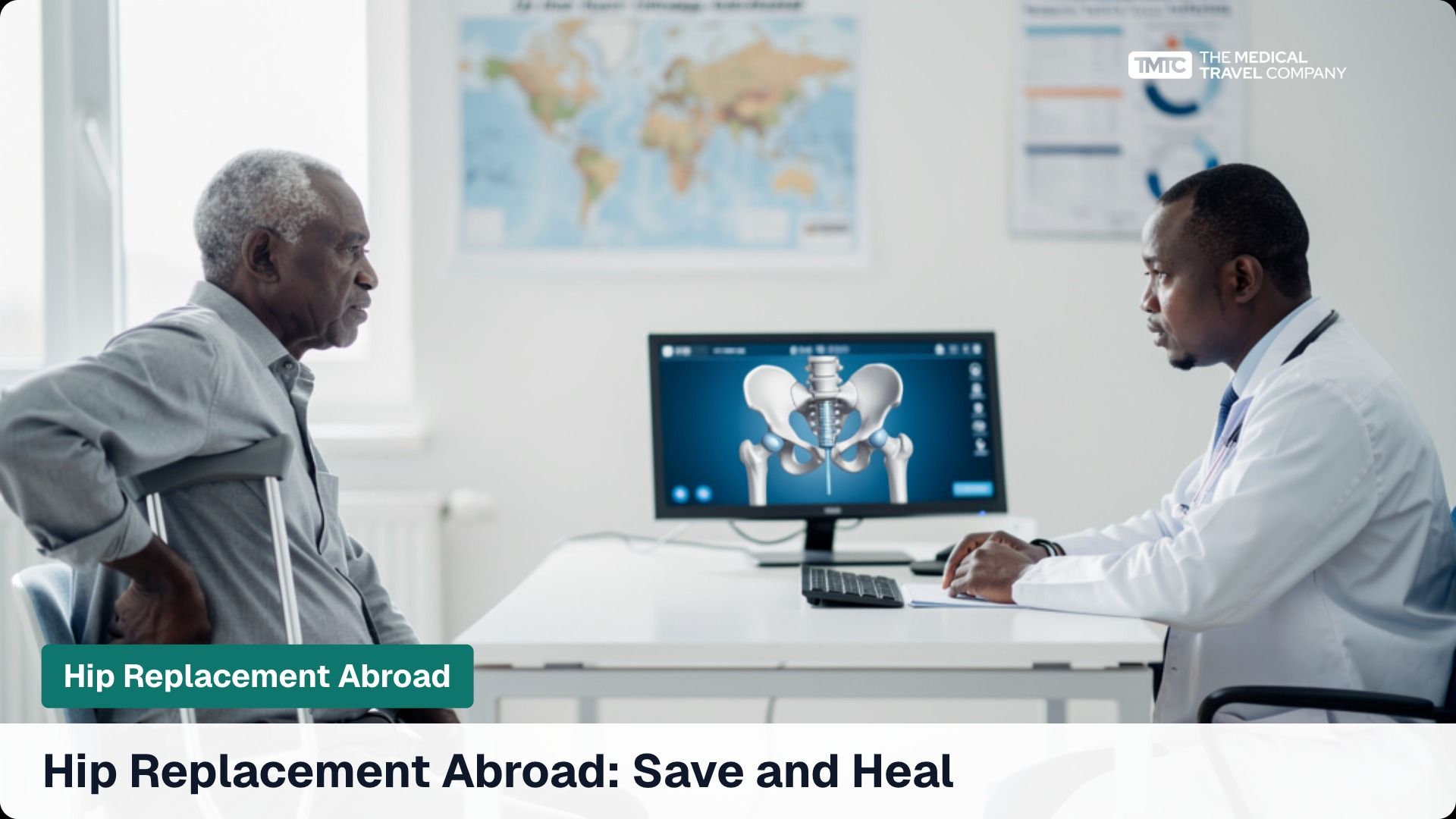
Hip pain shouldn't control your life, but the thought of expensive surgery might be keeping you from seeking the treatment you need. If you're a Kenyan patient considering hip replacement surgery, traveling abroad could provide you with world-class care at a fraction of the local cost. Let's explore how you can access affordable, high-quality hip replacement surgery while understanding what to expect from the process.
Understanding Hip Replacement Surgery
Hip replacement surgery involves removing damaged or worn-out parts of your hip joint and replacing them with artificial components. This procedure becomes necessary when severe arthritis, fractures, or other conditions cause persistent pain and limit your mobility.
What is Hip Replacement Surgery?
During total hip replacement surgery, your surgeon removes the damaged cartilage and bone from your hip joint. They then replace these components with prosthetic parts made from metal, plastic, or ceramic materials. The artificial joint, called a prosthesis, is designed to mimic the movement of a healthy hip joint.
There are two main types of hip replacement: total hip replacement, where both the ball and socket are replaced, and partial hip replacement, where only the ball portion is replaced. Your orthopedic surgeon will determine which approach is best for your specific condition.
Why Consider Surgery for Severe Hip Pain?
Hip replacement becomes an option when conservative treatments like medication, physical therapy, and lifestyle changes no longer provide relief. Common conditions that may require hip replacement include osteoarthritis, rheumatoid arthritis, hip fractures, and avascular necrosis.
If your hip pain interferes with daily activities like walking, climbing stairs, or getting in and out of chairs, and you're experiencing stiffness that limits your range of motion, it may be time to consider surgical intervention. Early treatment can prevent further joint deterioration and improve your overall quality of life.
Why Travel for Hip Replacement Surgery?
Medical tourism for orthopedic procedures has become increasingly popular among Kenyan patients seeking affordable, high-quality care. The benefits extend beyond just cost savings.
Benefits of Seeking Treatment Abroad
Traveling abroad for hip replacement surgery offers access to internationally accredited hospitals with state-of-the-art equipment and experienced surgeons. Many international facilities use the latest minimally invasive techniques and advanced prosthetic materials that may not be readily available locally.
You'll also benefit from shorter waiting times compared to public healthcare systems. While you might wait months for surgery in Kenya, many international hospitals can schedule your procedure within weeks of your initial consultation.
Cost Comparison: Kenya vs. Abroad
The cost difference can be substantial. Hip replacement surgery in Kenya's private hospitals typically ranges from $8,000 to $15,000, while similar procedures in countries like India, Turkey, or Thailand can cost between $4,000 and $8,000, including travel and accommodation expenses.
| Country | Surgery Cost (USD) | Total Cost with Travel | Potential Savings |
|---|---|---|---|
| Kenya (Private) | $8,000 - $15,000 | $8,000 - $15,000 | N/A |
| India | $4,000 - $6,000 | $5,500 - $7,500 | Up to 50% |
| Turkey | $5,000 - $7,000 | $6,500 - $8,500 | Up to 40% |
| Thailand | $6,000 - $8,000 | $7,500 - $9,500 | Up to 35% |
Hip Replacement Cost Abroad
Understanding the full cost breakdown helps you budget effectively for your medical journey. The hip replacement cost abroad varies significantly depending on your destination and the specific hospital you choose.
Average Costs in Popular Destinations
India consistently offers the most affordable options, with top-tier hospitals performing hip replacements for $4,000 to $6,000. Turkey provides excellent value at $5,000 to $7,000, while Thailand and Malaysia range from $6,000 to $8,000. These costs often include comprehensive packages covering pre-operative assessments, surgery, hospital stay, and initial follow-up care.
For Kenyan patients, India presents particularly attractive options due to established medical tourism infrastructure and direct flight connections from Nairobi. Many Indian hospitals offer specialized packages for hip replacement for Kenya patients with significant cost savings.
How Costs Break Down
Your total expenses will include the surgical fee, hospital charges, prosthetic costs, anesthesia, and post-operative care. Additional costs include flights ($600-$1,200), accommodation for recovery ($30-$100 per night), and local transportation.
Many international hospitals offer package deals that bundle surgical costs with accommodation and airport transfers. These packages can provide better value and reduce the stress of coordinating multiple services during your recovery period.
Finding the Best Hospitals for Hip Replacement
Choosing the right hospital is crucial for a successful outcome. Not all facilities are created equal, and doing your research beforehand can make the difference between an excellent experience and a disappointing one.
Criteria for Choosing a Hospital
Look for hospitals with international accreditation from organizations like JCI (Joint Commission International) or NABH (National Accreditation Board for Hospitals). These certifications ensure the facility meets strict quality and safety standards.
Research the surgeon's credentials, including their training, experience with hip replacement procedures, and patient outcomes. The best hip surgeons abroad often have extensive experience with international patients and understand the unique considerations for medical tourism.
Hospital Selection Checklist
- International accreditation (JCI, NABH, or equivalent)
- Surgeon's experience with 500+ hip replacement procedures
- English-speaking medical staff
- Patient testimonials from similar cases
- Clear pricing and package options
- Post-operative support and follow-up care
- Modern surgical equipment and techniques
Top Hospitals Abroad for Hip Surgery
Leading hospitals in India, such as Apollo, Fortis, and Max Healthcare, have established reputations for orthopedic excellence. In Turkey, institutions like Acibadem and Memorial hospitals offer world-class care with European standards.
These facilities often have dedicated international patient departments that assist with visa processing, airport transfers, and accommodation arrangements. They understand the specific needs of patients traveling from Africa and provide comprehensive support throughout your medical journey.
The Process of Hip Replacement Surgery
Understanding what happens before, during, and after your surgery helps you prepare mentally and physically for the procedure. Modern hip replacement surgery is a well-established procedure with excellent success rates.
Pre-Surgery Preparation
Your journey begins with a comprehensive consultation where your surgeon reviews your medical history, examines your hip, and orders necessary tests like X-rays or MRI scans. This assessment helps create a personalized treatment plan tailored to your specific needs.
Pre-operative preparation may include blood tests, cardiac evaluation, and dental clearance. Some hospitals require you to arrive a few days before surgery for these assessments, while others accept recent test results from Kenya if they meet their standards.
What to Expect During the Surgery
Hip replacement surgery typically takes 1-2 hours under general or spinal anesthesia. Your surgeon will make an incision, remove the damaged bone and cartilage, and implant the new prosthetic components. Modern techniques often use smaller incisions and muscle-sparing approaches to reduce recovery time.
Many hospitals now offer minimally invasive techniques that result in less tissue damage, reduced pain, and faster recovery. Your surgeon will explain which approach is best for your specific anatomy and condition.
Post-Surgery Care
After surgery, you'll spend time in recovery before moving to your hospital room. Pain management is a priority, with most patients receiving a combination of medications to keep discomfort to a minimum. Physical therapy usually begins within 24 hours to prevent complications and promote healing.
The hospital stay for hip replacement typically lasts 3-5 days, depending on your progress and the surgical approach used. Before discharge, you'll receive detailed instructions for home care and follow-up appointments.
Hip Replacement Recovery Timeline
Recovery from hip replacement surgery is a gradual process that requires patience and commitment to rehabilitation. Understanding the typical timeline helps set realistic expectations for your return to normal activities.
Immediate Post-Operative Care
The first 2-6 weeks focus on wound healing and basic mobility. You'll use assistive devices like walkers or crutches initially, gradually progressing to a cane as your strength improves. Most patients can bear weight on the operated leg immediately after surgery, though this depends on the surgical technique used.
During this period, you'll need to follow specific movement restrictions to prevent hip dislocation. These include avoiding bending your hip beyond 90 degrees, not crossing your legs, and sleeping with a pillow between your legs.
Long-Term Recovery Expectations
Most patients experience significant pain relief within the first few weeks after surgery. Mobility after hip surgery continues to improve over 3-6 months as muscles strengthen and scar tissue softens. Full recovery, including return to all activities, typically takes 6-12 months.
Physical therapy plays a crucial role in your recovery. You'll work with therapists both at the hospital and after returning home to regain strength, flexibility, and proper walking patterns. Consistency with prescribed exercises is key to achieving the best possible outcome.
Factors Influencing Recovery
Your age, overall health, and commitment to rehabilitation significantly impact your recovery speed. Patients who maintain good physical condition before surgery and actively participate in post-operative therapy typically recover faster.
Complications are rare but can affect recovery time. These may include infection, blood clots, or prosthetic loosening. Following your surgeon's instructions and attending all follow-up appointments helps identify and address any issues early.
Elderly Hip Surgery Recovery Considerations
Age doesn't automatically disqualify you from hip replacement surgery, but it does require additional considerations to ensure the best possible outcome.
Age Considerations for Surgery
Elderly patients, typically those over 70, may have longer recovery times and increased risk of complications. However, successful elderly hip surgery recovery is common when patients are properly evaluated and prepared. Your surgeon will assess your overall health, not just your age, when determining if you're a good candidate for surgery.
Pre-existing conditions like diabetes, heart disease, or osteoporosis require special management but don't necessarily prevent surgery. Your medical team will work to optimize these conditions before and after your procedure.
Support Systems for Recovery
Elderly patients benefit greatly from having strong support systems during recovery. This includes family members who can assist with daily activities and transportation to follow-up appointments. Many international hospitals can help arrange extended-stay accommodations or nursing support if needed.
Consider staying abroad for 2-3 weeks after surgery to ensure proper healing before the long flight home. This extended stay allows for initial physical therapy and ensures any immediate complications are addressed before you travel.
Joint Replacement Success Rates
Hip replacement surgery has excellent success rates, with most patients experiencing significant pain relief and improved mobility.
Understanding Success Rates by Age and Health Status
The joint replacement success rate for hip surgery exceeds 95% in most cases, with the vast majority of patients reporting significant improvement in pain and function. Modern prosthetics are designed to last 15-25 years or longer, making this a long-term solution for hip problems.
Success rates remain high across all age groups, though younger patients may eventually need revision surgery due to normal wear over decades of use. Older patients often achieve excellent results that last for the remainder of their lives.
What Contributes to Successful Outcomes
Several factors influence your surgery's success: choosing an experienced surgeon, selecting an appropriate prosthetic, following post-operative instructions, and committing to rehabilitation. Patients who maintain realistic expectations and actively participate in their recovery typically achieve the best results.
The quality of the hospital and surgical team also plays a significant role. Facilities that perform high volumes of hip replacements and have dedicated orthopedic teams generally achieve better outcomes than those that perform these procedures infrequently.
Making Your Decision: Is Hip Replacement Abroad Right for You?
Deciding to travel abroad for hip replacement surgery is a significant decision that requires careful consideration of multiple factors. While the potential benefits are substantial, it's important to weigh all aspects before moving forward.
Evaluating Your Options
Consider your current pain level, how it's affecting your quality of life, and whether conservative treatments have been exhausted. If you're avoiding surgery solely due to cost concerns, exploring international options could provide access to the treatment you need at an affordable price.
Think about your support system and ability to travel. Hip replacement abroad requires planning, travel arrangements, and potentially being away from home for several weeks. Ensure you have the necessary support for both the journey and recovery period.
Financial considerations extend beyond just the surgery cost. Factor in time off work, travel expenses, and potential complications that might extend your stay. However, many patients find that even with these additional costs, the overall savings compared to local private treatment make medical tourism worthwhile.
Final Thoughts
Hip replacement surgery can dramatically improve your quality of life, allowing you to return to activities you've been unable to enjoy due to pain and limited mobility. Traveling abroad for this procedure can provide access to excellent care at significantly reduced costs.
The key to success lies in thorough research, choosing the right hospital and surgeon, and following through with proper rehabilitation. With careful planning and realistic expectations, you can achieve excellent results while saving substantially on your medical expenses.
Don't let hip pain continue to limit your life when effective, affordable treatment options are available. Consider exploring hip replacement options that can provide the relief you need while fitting within your budget. Expert guidance throughout the process ensures you make the best decision for your health and financial situation.
Related Articles


Ready to open the door to better health?