Shoulder Replacement Abroad: What Ghanaian Patients Should Expect in 2026
Discover essential information for Ghanaian patients considering shoulder replacement abroad, including costs, recovery, and expert care options.
Last Updated On 29 April 202610m


Medical professional with 10+ years’ experience in diagnosis, patient care, and clinical leadership.
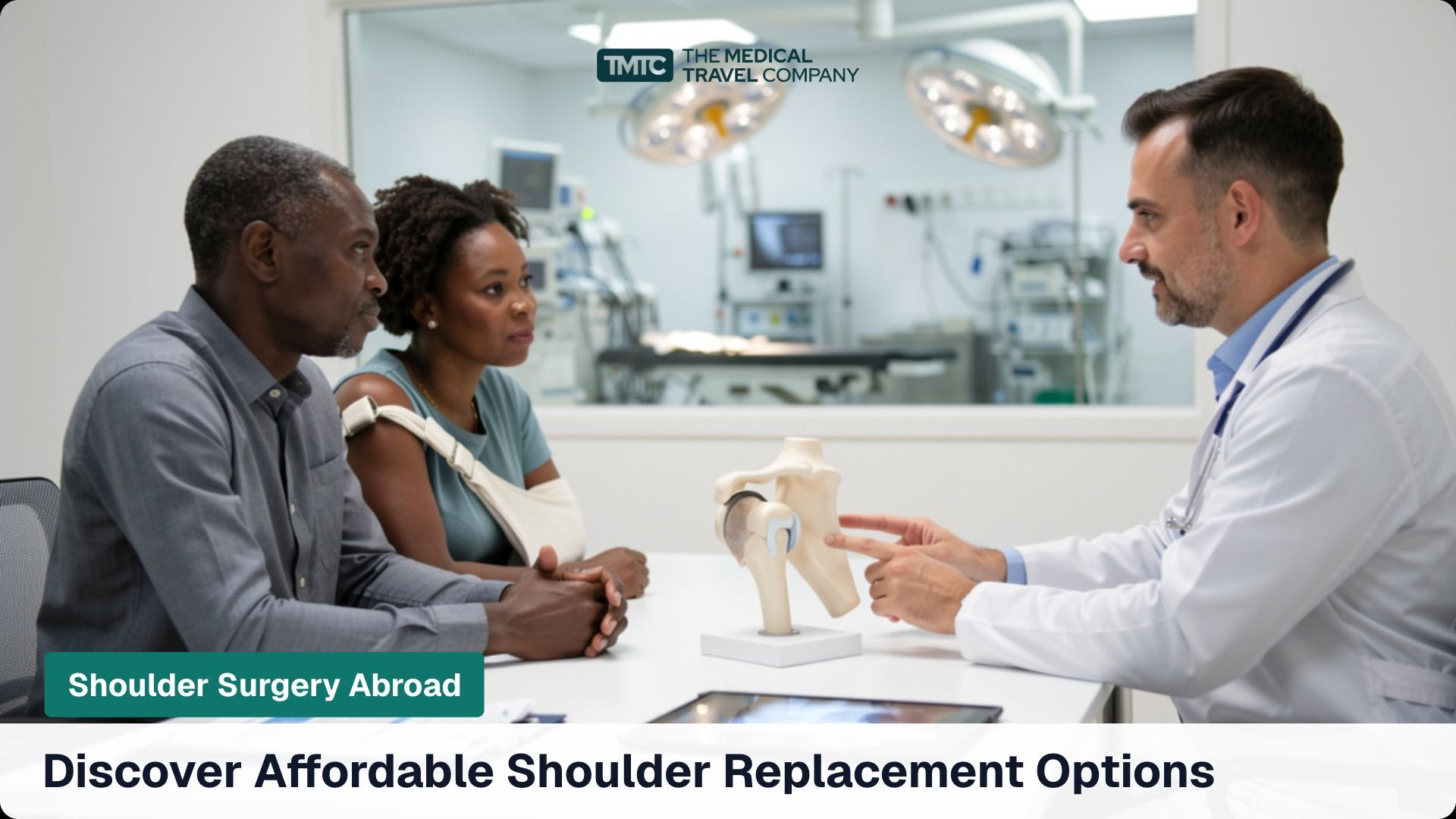
Chronic shoulder pain can severely limit your daily activities, making simple tasks like reaching overhead or carrying groceries a constant struggle. For many Ghanaians facing this reality, shoulder replacement abroad has emerged as an accessible path to world-class care at affordable costs. With increasing access to specialized orthopedic centers worldwide, patients can now receive the expert guidance and advanced surgical techniques that were once out of reach.
Understanding Shoulder Replacement Surgery
Shoulder replacement surgery involves replacing damaged parts of your shoulder joint with artificial components to relieve pain and restore mobility. This procedure is typically recommended when conservative treatments like physiotherapy, medications, or injections have failed to provide adequate relief for severe arthritis, rotator cuff tears, or other degenerative conditions.
What is Shoulder Replacement Surgery?
The shoulder is a ball-and-socket joint where the upper arm bone (humerus) meets the shoulder blade (scapula). During shoulder replacement, the surgeon removes damaged bone and cartilage, then replaces them with metal and plastic components. This procedure can dramatically reduce pain and improve your range of motion, allowing you to return to activities you once enjoyed.
According to NICE guidelines, proper perioperative care and patient education are crucial for successful outcomes in joint replacement surgeries.
Types of Shoulder Replacement Procedures
There are several types of shoulder replacement surgery options available, each tailored to your specific condition. Total shoulder replacement involves replacing both the ball and socket parts of the joint. Partial shoulder replacement, also called hemiarthroplasty, replaces only the ball portion of the joint.
Reverse shoulder replacement is a specialized procedure where the ball and socket are switched, allowing different muscles to move your arm. Minimally invasive shoulder surgery uses smaller incisions and advanced techniques to reduce tissue damage and speed recovery time.
Why Consider Shoulder Replacement Abroad?
Medical tourism for orthopedic procedures has grown significantly as patients seek affordable healthcare options without compromising on quality. Many international medical centers offer the same advanced technology and surgical expertise found in top-tier facilities worldwide, often at a fraction of the cost.
World-Class Care
International hospitals specializing in orthopedic surgery abroad maintain strict quality standards and employ surgeons trained at leading institutions. These facilities often feature state-of-the-art equipment, including robotic surgical systems and advanced imaging technology that enhance precision during procedures.
Many surgeons practicing in medical tourism destinations have completed fellowships or training programs in countries like the United States, United Kingdom, or Germany, bringing world-class expertise to more affordable locations.
Affordable Healthcare Options
The shoulder surgery cost abroad can be 50-70% lower than similar procedures in high-income countries, making previously unaffordable treatments accessible. This cost difference doesn't reflect lower quality but rather differences in operating costs, exchange rates, and healthcare system structures.
Popular destinations for shoulder replacement include India, Thailand, Turkey, and Eastern European countries, each offering excellent medical infrastructure and English-speaking medical teams to ensure clear communication throughout your treatment journey.
Costs Involved in Shoulder Replacement Abroad
Understanding the financial aspects of your surgery is crucial for planning your medical journey. Costs vary significantly depending on your destination, the type of procedure, and the hospital you choose.
Average Costs
| Country | Total Shoulder Replacement | Partial Shoulder Replacement | Includes |
|---|---|---|---|
| India | $8,000 - $12,000 | $6,000 - $9,000 | Surgery, 5-day hospital stay, physiotherapy |
| Thailand | $12,000 - $18,000 | $9,000 - $14,000 | Surgery, accommodation, follow-up care |
| Turkey | $10,000 - $15,000 | $7,000 - $11,000 | Surgery, hospital stay, airport transfers |
| Ghana (Local) | $15,000 - $25,000 | $12,000 - $18,000 | Surgery only, limited facilities |
Factors Affecting Cost
Several factors influence your total treatment cost. The surgeon's experience and reputation, hospital accreditation status, and the complexity of your specific case all play important roles. Additional costs may include pre-operative tests, imaging studies, post-operative physiotherapy, and extended stays if complications arise.
Travel-related expenses such as flights, accommodation for accompanying family members, and local transportation should also be factored into your budget. Many medical tourism facilitators offer package deals that include these services for a more predictable total cost.
What to Expect During the Procedure
Your surgical journey follows a carefully planned timeline designed to ensure the best possible outcome. Understanding each phase helps you prepare mentally and physically for your treatment.
Pre-operative Assessments
Your medical team will conduct comprehensive evaluations including blood tests, imaging studies, and cardiovascular assessments to ensure you're ready for surgery. This phase typically takes 1-2 days and allows your surgeon to develop a personalized treatment plan tailored to your specific anatomy and condition.
You'll meet with your anesthesiologist, physiotherapist, and nursing team to discuss the procedure, pain management options, and post-operative care plans. This collaborative approach ensures everyone understands their role in your recovery process.
During the Surgery
The actual surgery typically takes 2-3 hours, performed under general anesthesia. Your surgeon will make an incision to access the shoulder joint, remove damaged tissue, and precisely position the new artificial components. Modern surgical techniques focus on preserving as much healthy tissue as possible while ensuring optimal implant placement.
Surgery Day Timeline
- Arrive at hospital 2 hours before surgery
- Complete final pre-operative checks
- Meet with surgical team
- Surgery performed (2-3 hours)
- Recovery in post-anesthesia care unit
- Transfer to room for overnight monitoring
Post-operative Care
Immediate post-operative care focuses on pain management, wound healing, and preventing complications. You'll typically stay in the hospital for 2-4 days, during which time your medical team monitors your progress and begins gentle movement exercises.
Pain medication will be carefully managed to keep you comfortable while allowing you to participate in early mobility exercises. Your arm will be supported in a sling for the first few weeks to protect the surgical site while initial healing occurs.
Recovery and Rehabilitation After Shoulder Replacement
Recovery is a gradual process that requires patience and commitment to your rehabilitation program. Understanding what to expect during each phase helps you set realistic goals and track your progress effectively.
Shoulder Surgery Recovery Time
The shoulder surgery recovery time varies depending on your overall health, the type of procedure performed, and your commitment to rehabilitation. Most patients can return to light activities within 6-8 weeks, while full recovery may take 4-6 months.
During the first 2-3 weeks, you'll focus on wound healing and gentle range-of-motion exercises. Weeks 4-8 typically involve progressive strengthening exercises, and months 3-6 emphasize returning to normal activities and sports if appropriate.
Physiotherapy for Shoulder Rehab
Physiotherapy shoulder rehab is essential for achieving optimal outcomes after your surgery. A structured rehabilitation program helps restore strength, flexibility, and function while preventing complications like stiffness or weakness.
Rehabilitation Milestones
- Week 1-2: Passive range of motion exercises
- Week 3-6: Active-assisted movement
- Week 6-12: Progressive strengthening
- Month 3-4: Functional activity training
- Month 4-6: Sports-specific exercises (if applicable)
- Ongoing: Maintenance exercises for life
Working with qualified physiotherapists who understand post-surgical protocols is crucial. Many patients begin their rehabilitation abroad and continue with local therapists upon returning to Ghana, requiring clear communication between treating teams.
Long-Term Considerations and Pain Management
Understanding the long-term outlook helps you maintain realistic expectations and plan for ongoing care needs throughout your recovery and beyond.
Mobility After Shoulder Surgery
Most patients experience significant improvement in mobility after shoulder surgery, often regaining 80-90% of normal shoulder function. However, some limitations may persist, particularly with overhead activities or heavy lifting.
The key to maximizing mobility after shoulder surgery lies in consistent adherence to your rehabilitation program and maintaining realistic activity levels. While you may not return to all previous activities, most patients can resume gardening, swimming, and other enjoyable pursuits with proper precautions.
Long-Term Shoulder Pain Treatment
Long term shoulder pain treatment focuses on maintaining your surgical results and preventing future problems. This includes regular follow-up appointments, ongoing exercise programs, and lifestyle modifications to protect your new joint.
Research from rehabilitation studies in Ghana shows that patients who maintain active lifestyles and follow structured exercise programs experience better long-term outcomes in musculoskeletal recovery.
Modern shoulder implants are designed to last 15-20 years or longer with proper care. Regular monitoring through imaging studies and clinical examinations helps detect any signs of wear or loosening before they become problematic.
Choosing the Right Treatment Path
When considering joint replacement shoulder surgery, it's important to understand how shoulder replacement compares to other treatment options. The rotator cuff vs replacement decision depends on several factors, including the extent of damage, your age, activity level, and overall health status.
If you're also considering other joint procedures, exploring hip replacement options or knee replacement surgery might help you understand the broader scope of orthopedic treatments available abroad.
The decision between rotator cuff repair and shoulder replacement surgery typically depends on the quality of your remaining rotator cuff tissue and bone structure. Your surgeon will use advanced imaging and arthroscopic evaluation to determine which approach offers the best long-term outcome for your specific situation.
Conclusion and Next Steps
Shoulder replacement abroad offers Ghanaian patients access to world-class care at affordable costs, often with shorter waiting times than domestic options. The combination of experienced surgeons, modern facilities, and comprehensive care packages makes medical tourism an increasingly attractive option for those suffering from chronic shoulder pain.
Success in shoulder replacement abroad requires careful planning, realistic expectations, and commitment to your rehabilitation program. The investment in your health pays dividends through improved quality of life, reduced pain, and restored function that allows you to return to activities you thought were lost forever.
If you're considering shoulder replacement surgery, start by consulting with qualified orthopedic specialists who can evaluate your specific condition and discuss whether you're a good candidate for surgery. Many international medical centers offer virtual consultations that allow you to explore your options from home.
Remember that while cost savings are attractive, the quality of care should always be your primary consideration. Research hospitals thoroughly, verify surgeon credentials, and ensure that proper follow-up care will be available both abroad and upon your return to Ghana.
For more information about advanced shoulder replacement options and to begin planning your treatment journey, consider reaching out to medical tourism specialists who can provide personalized treatment plans and coordinate your entire care experience.
References:
-
NICE Guidelines on Perioperative Care- Evidence review for patient information and support needs in surgical procedures.
-
Rehabilitation and Management Outcomes of Musculoskeletal Injuries in Ghana- Research on rehabilitation outcomes and recovery protocols for orthopedic procedures.
-
BMJ Global Health: Global Health Challenges- Analysis of healthcare access and treatment options in developing countries.
-
Surgery and Trauma Care Guidelines- Comprehensive guide to surgical care and patient outcomes in different healthcare settings.
Related Articles

Ready to open the door to better health?