Orthopaedic Surgeries Abroad for Ghanaian Patients: Cost Comparison & Options
Explore cost-effective orthopaedic surgery options abroad for Ghanaian patients. Discover the best countries, costs, and recovery strategies today!
Last Updated On 29 April 202611m

Medical professional with 10+ years’ experience in diagnosis, patient care, and clinical leadership.
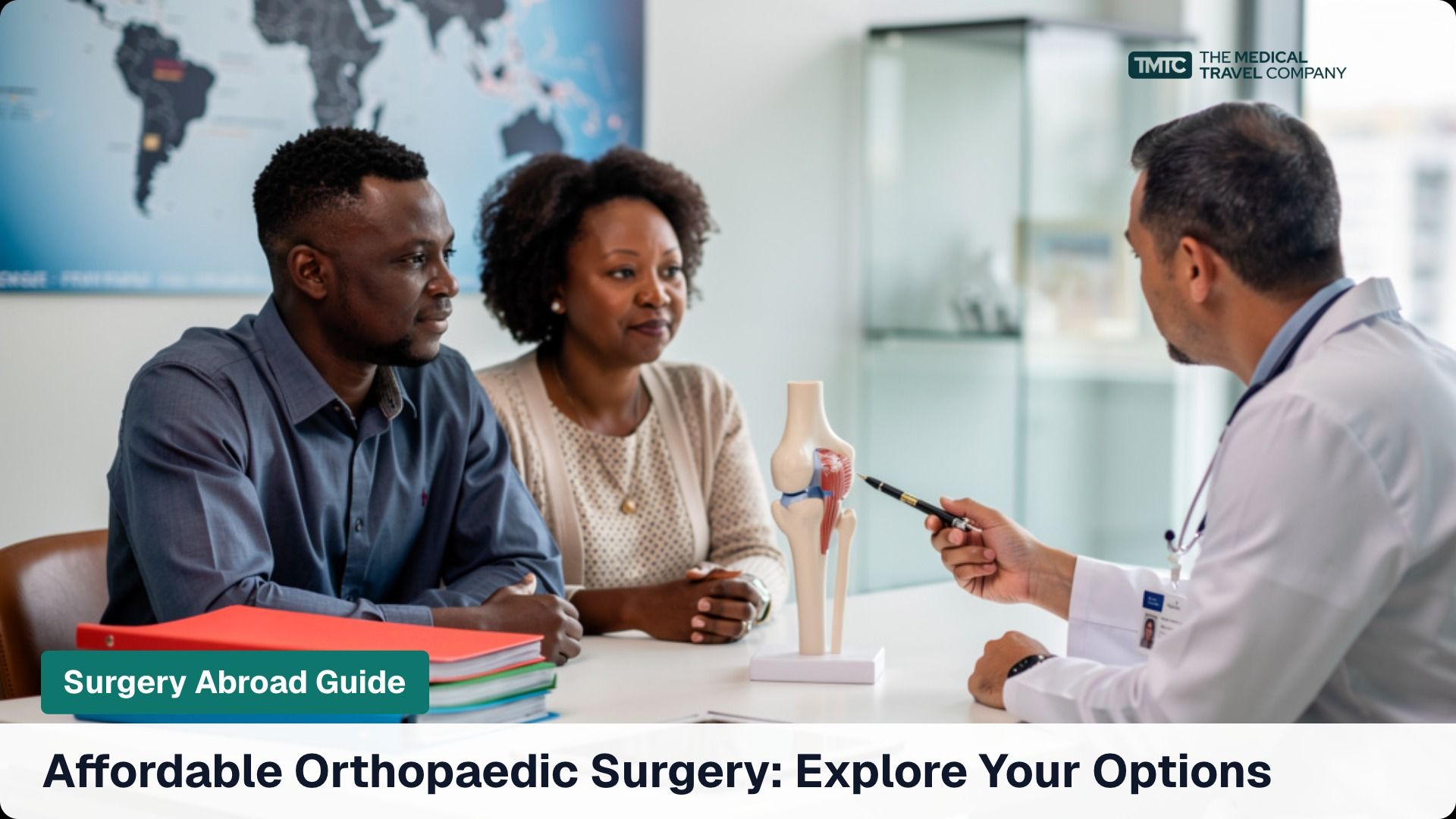
If you're a Ghanaian patient facing complex bone and joint problems, you've probably considered your options carefully. Limited access to advanced orthopaedic procedures and high costs at private facilities have led many to explore orthopaedic surgery abroad as a viable alternative. This isn't just about saving money – it's about accessing world-class care that might not be readily available at home.
Medical tourism for orthopaedic procedures has grown significantly, with patients traveling to countries that offer both quality care and affordability. Whether you're dealing with joint replacement needs, complex bone surgeries, or minimally invasive procedures, understanding your international options can help you make an informed decision about your healthcare.
Why Consider Orthopaedic Surgery Abroad?
The decision to seek affordable orthopaedic surgeries abroad isn't taken lightly. Many Ghanaian patients find themselves weighing several compelling factors when local options fall short of their needs.
Access to World-Class Care
International hospitals often provide access to cutting-edge technology and specialized procedures that aren't widely available in Ghana. Advanced imaging systems, robotic surgery capabilities, and state-of-the-art joint replacement implants can make a significant difference in surgical outcomes. Research shows that collaborative efforts between international and local surgical teams have proven beneficial for complex orthopaedic cases.
Many international centers also offer multidisciplinary teams that include orthopaedic surgeons, anesthesiologists, physiotherapists, and pain management specialists working together. This comprehensive approach often leads to better patient outcomes and more personalized treatment plans.
Cost Efficiency
Cost remains a primary driver for seeking treatment abroad. Even when factoring in travel expenses, accommodation, and post-surgery care, many procedures abroad cost significantly less than equivalent treatments in private Ghanaian facilities. According to WHO-CHOICE cost-effectiveness guidelines, interventions that cost less than Ghana's per-capita GDP of approximately $1,513 are considered very cost-effective.
This affordability extends beyond the surgery itself. Many international medical tourism packages include comprehensive care that covers pre-operative assessments, the procedure, hospital stay, initial rehabilitation, and follow-up consultations – often at a fraction of what you'd pay for equivalent care privately.
Availability of Advanced Procedures
Complex procedures like computer-assisted joint replacement, minimally invasive spine surgery, and advanced arthroscopic techniques are more readily available at international centers. These hospitals often have the latest equipment and experienced surgeons who perform high volumes of specialized procedures, leading to better outcomes and shorter recovery times.
Top Countries for Orthopaedic Surgeries
Several countries have established themselves as premier destinations for orthopaedic surgery, each offering unique advantages in terms of cost, quality, and accessibility for Ghanaian patients.
| Country | Average Cost Savings | Specialties | Travel Time from Accra |
|---|---|---|---|
| India | 60-80% | Joint replacement, spine surgery | 8-10 hours |
| Turkey | 50-70% | Knee/hip replacement, sports medicine | 7-9 hours |
| Thailand | 50-65% | Minimally invasive procedures | 12-14 hours |
| Germany | 30-50% | Complex spine surgery, revision procedures | 6-8 hours |
| South Africa | 40-60% | General orthopaedics, trauma surgery | 4-6 hours |
India: The Medical Tourism Hub
India has become a global leader in affordable, high-quality healthcare. Top hospitals in cities like Delhi, Mumbai, and Chennai offer knee replacement surgery at costs that are 60-80% lower than in Western countries. Many Indian hospitals are JCI-accredited and employ internationally trained surgeons.
The country excels in joint replacement surgeries, with some hospitals performing over 1,000 procedures annually. This high volume translates to extensive surgeon experience and refined protocols that often result in excellent outcomes.
Turkey: European Standards, Asian Prices
Turkey offers European-standard healthcare at significantly reduced costs. The country has invested heavily in healthcare infrastructure, with many hospitals meeting international accreditation standards. Turkish surgeons often train in Europe or the US, bringing global expertise to their practice.
For Ghanaian patients, Turkey offers the advantage of relatively short travel times and established medical tourism infrastructure that includes translation services and patient coordinators.
Thailand: Excellence in Minimally Invasive Techniques
Thailand has built a reputation for excellence in minimally invasive orthopaedic procedures. Hospitals in Bangkok and other major cities offer advanced arthroscopic techniques and computer-assisted surgeries with outcomes comparable to top Western centers.
Cost Comparison of Orthopaedic Surgeries Abroad
Understanding the true cost of orthopaedic surgery abroad involves more than just comparing procedure prices. You'll need to factor in all associated expenses to make an accurate comparison.
| Procedure | India (USD) | Turkey (USD) | Thailand (USD) | Ghana Private (USD) |
|---|---|---|---|---|
| Hip Replacement | $4,000-6,000 | $5,000-7,500 | $6,000-8,500 | $12,000-18,000 |
| Knee Replacement | $3,500-5,500 | $4,500-6,500 | $5,500-7,500 | $10,000-15,000 |
| Shoulder Replacement | $4,500-6,500 | $5,500-8,000 | $6,500-9,000 | $13,000-20,000 |
| ACL Reconstruction | $2,500-4,000 | $3,000-4,500 | $3,500-5,000 | $6,000-10,000 |
| Spinal Fusion | $6,000-10,000 | $7,000-12,000 | $8,000-13,000 | $15,000-25,000 |
Hidden Costs to Consider
While the surgery costs are attractive, don't forget additional expenses. International travel typically costs $800-2,000 from Ghana, depending on your destination. Accommodation for you and a companion can range from $30-150 per night, depending on the country and type of lodging.
Visa fees, travel insurance, pre-surgery consultations, and extended stay costs for recovery can add $2,000-5,000 to your total budget. However, even with these additional costs, most patients save 40-70% compared to private treatment in Ghana.
Minimally Invasive Bone Surgery Options
Modern orthopaedic surgery has evolved significantly, with minimally invasive techniques offering substantial benefits for patients. These approaches result in smaller incisions, less tissue damage, reduced pain, and faster recovery times.
Benefits of Minimally Invasive Techniques
Minimally invasive orthopaedic procedures use specialized instruments and techniques to perform surgery through smaller incisions. For joint replacement, this might mean a 3-4 inch incision instead of 8-10 inches. The benefits extend beyond cosmetic concerns – smaller incisions mean less muscle damage, reduced blood loss, and significantly shorter hospital stays.
Patients typically experience less post-operative pain and can begin rehabilitation sooner. Many can return to normal activities weeks earlier than with traditional open surgery. This is particularly beneficial for international patients who want to minimize their time away from home.
Common Minimally Invasive Procedures
Arthroscopic surgery for knee and shoulder problems has become the gold standard for many conditions. Hip replacement surgery now commonly uses anterior or lateral approaches that preserve muscle attachments. Spine procedures can often be performed through small incisions using special retractors and microscopic visualization.
Computer-assisted surgery and robotic systems are increasingly available at international centers, allowing for more precise implant placement and potentially longer-lasting results. These technologies are particularly valuable for complex cases or revision surgeries.
Recovery Timeline for Minimally Invasive Surgery
- Day 1-3: Walking with assistance, pain management
- Week 1: Remove surgical dressings, begin gentle exercises
- Week 2-4: Increase activity level, start formal physiotherapy
- Week 6-8: Return to light work and daily activities
- Month 3-6: Full recovery for most activities
Choosing the Right Orthopaedic Hospital and Surgeon
Selecting the right hospital and surgeon abroad requires careful research and evaluation. The quality of your surgical team and facility will directly impact your outcome and overall experience.
Evaluating Orthopaedic Hospitals Abroad
Look for hospitals with international accreditation from organizations like JCI (Joint Commission International) or ISO certifications. These accreditations ensure the facility meets strict quality and safety standards. Check the hospital's volume for your specific procedure – centers performing hundreds of similar surgeries annually typically have better outcomes.
Consider facilities that cater specifically to international patients. These hospitals often provide dedicated patient coordinators, translation services, and streamlined processes for medical tourists. They understand the unique needs of patients traveling for surgery.
Questions to Ask Your Surgeon
Before committing to surgery, have detailed conversations with your proposed surgeon. Ask about their training, certification, and specific experience with your condition. Request information about their complication rates and patient satisfaction scores.
Discuss the surgical approach they recommend and why. Ask about alternatives and get a clear understanding of the risks and benefits. Ensure they can provide ongoing communication and support, even after you return to Ghana.
| Key Questions | Why It Matters |
|---|---|
| How many of these procedures do you perform annually? | Higher volume typically means better outcomes |
| What is your complication rate for this surgery? | Helps assess risk and surgeon transparency |
| Can I speak with previous international patients? | Provides real-world insight into the experience |
| What follow-up care is included? | Important for post-surgery complications |
| Do you work with doctors in Ghana for ongoing care? | Ensures continuity of care back home |
Navigating the Rehabilitation Process Post Surgery
Successful orthopaedic surgery is only part of your journey – effective rehabilitation is crucial for optimal outcomes. Planning your recovery strategy before surgery can significantly impact your final results.
Importance of Rehabilitation
Research consistently shows that patients who actively participate in structured rehabilitation programs achieve better long-term outcomes. Studies from orthopaedic training programs in East Africa emphasize the critical role of post-operative care in surgical success.
Rehabilitation helps restore strength, mobility, and function while preventing complications like blood clots or joint stiffness. For international patients, starting rehabilitation promptly – even while still abroad – can make the difference between good and excellent outcomes.
Types of Rehabilitation Programs
Many international hospitals offer comprehensive rehabilitation packages that begin immediately after surgery. These might include inpatient physiotherapy during your hospital stay, followed by outpatient sessions before you travel home. Some facilities partner with nearby rehabilitation centers or hotels to provide extended recovery stays.
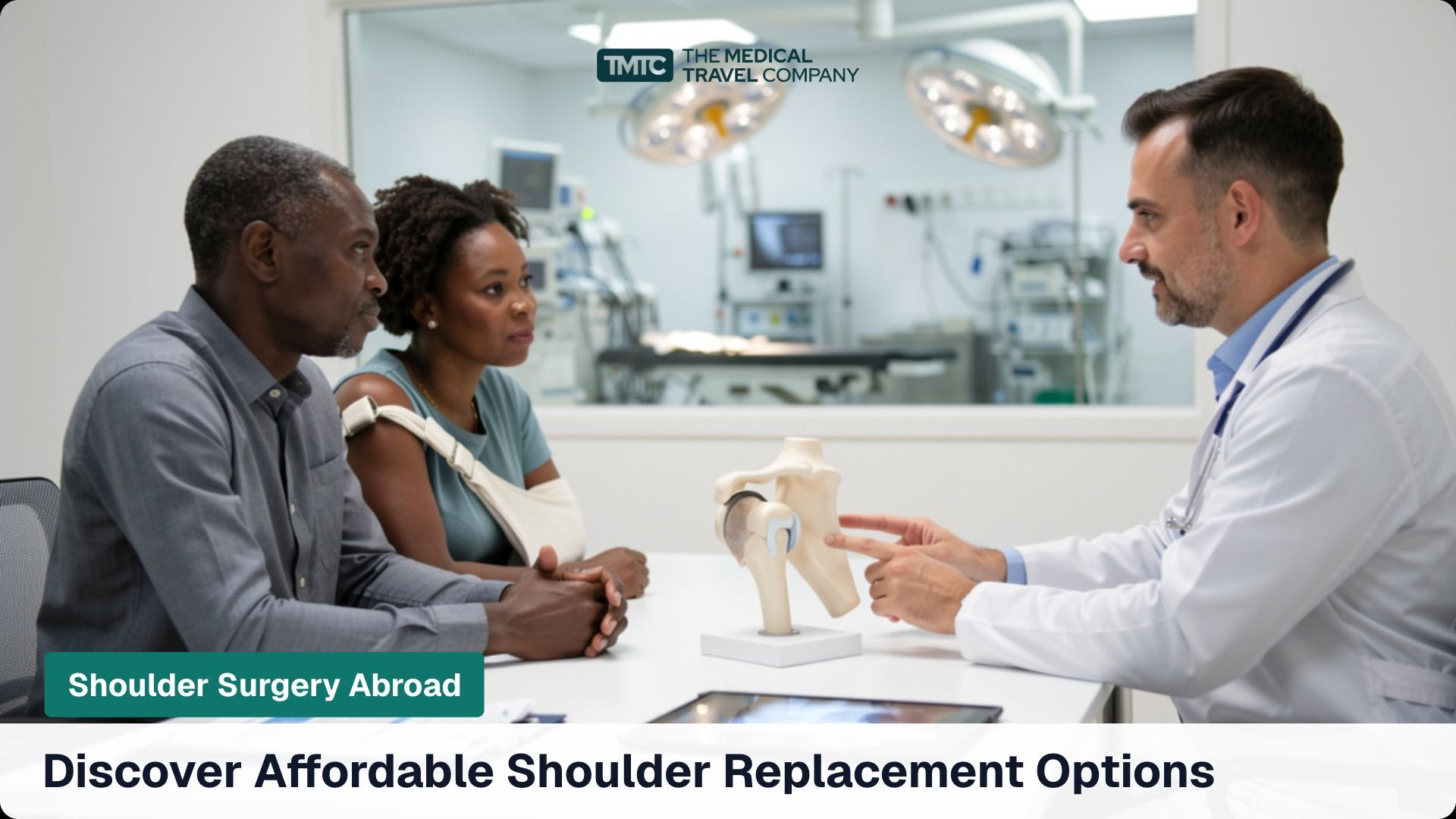
Consider arranging for shoulder replacement surgery or other procedures that include rehabilitation planning with physiotherapists in Ghana. This ensures continuity of care and ongoing support as you complete your recovery at home.
Expert Guidance for Recovery
Work with your surgical team to develop a detailed recovery plan that accounts for your travel back to Ghana. This should include exercise protocols, pain management strategies, warning signs to watch for, and clear instructions for follow-up care.
Many successful patients establish relationships with physiotherapists or rehabilitation specialists in Ghana before their surgery. This allows for seamless continuation of care once they return home and ensures local support throughout their recovery journey.
Making Informed Decisions About Orthopaedic Surgery Abroad
Choosing orthopaedic surgery abroad requires balancing multiple factors – cost, quality, convenience, and your specific medical needs. The decision isn't just about finding the cheapest option, but rather identifying the best value for your situation.
Start by getting a thorough evaluation of your condition from a local orthopaedic specialist. This assessment will help you understand exactly what procedure you need and allow you to make informed comparisons between international options. Consider factors like your age, overall health, support system at home, and ability to travel for follow-up care if needed.
Many Ghanaian patients find that seeking treatment abroad not only saves money but provides access to advanced techniques and technologies that improve their long-term outcomes. The key is thorough research, careful planning, and choosing reputable providers who prioritize patient safety and satisfaction.
Remember that your healthcare journey doesn't end with surgery. Plan for ongoing care, whether that's continued rehabilitation in Ghana or periodic follow-ups with your international surgical team. With proper planning and expert guidance, orthopaedic surgery abroad can provide the world-class care you need at a price you can afford.
References:
-
PMC - A Systematic Review of Orthopaedic Global Outreach Efforts Based on WHO-CHOICE Thresholds- Cost-effectiveness analysis for orthopaedic interventions in developing countries
-
PMC - Experience of collaboration between a Dutch surgical team in a Ghanaian Orthopaedic Teaching Hospital- International collaboration in orthopaedic surgery in Ghana
-
PMC - Sustainable Orthopaedic Surgery Residency Training in East Africa: A 10-Year Experience in Kenya- Regional orthopaedic training and rehabilitation outcomes
-
WHO Ghana 2024 Annual Report- Current healthcare infrastructure and challenges in Ghana
-
PMC - The Global Burden of Musculoskeletal Injuries: Challenges and Solutions- International perspectives on orthopaedic care delivery
Related Articles

Ready to open the door to better health?