ACL Reconstruction Abroad for Ghanaian Athletes: Cost, Recovery, and Care
Explore ACL reconstruction abroad for Ghanaian athletes: costs, recovery timelines, and expert guidance on treatment and rehabilitation.
Last Updated On 29 April 202611m

Medical professional with 10+ years’ experience in diagnosis, patient care, and clinical leadership.
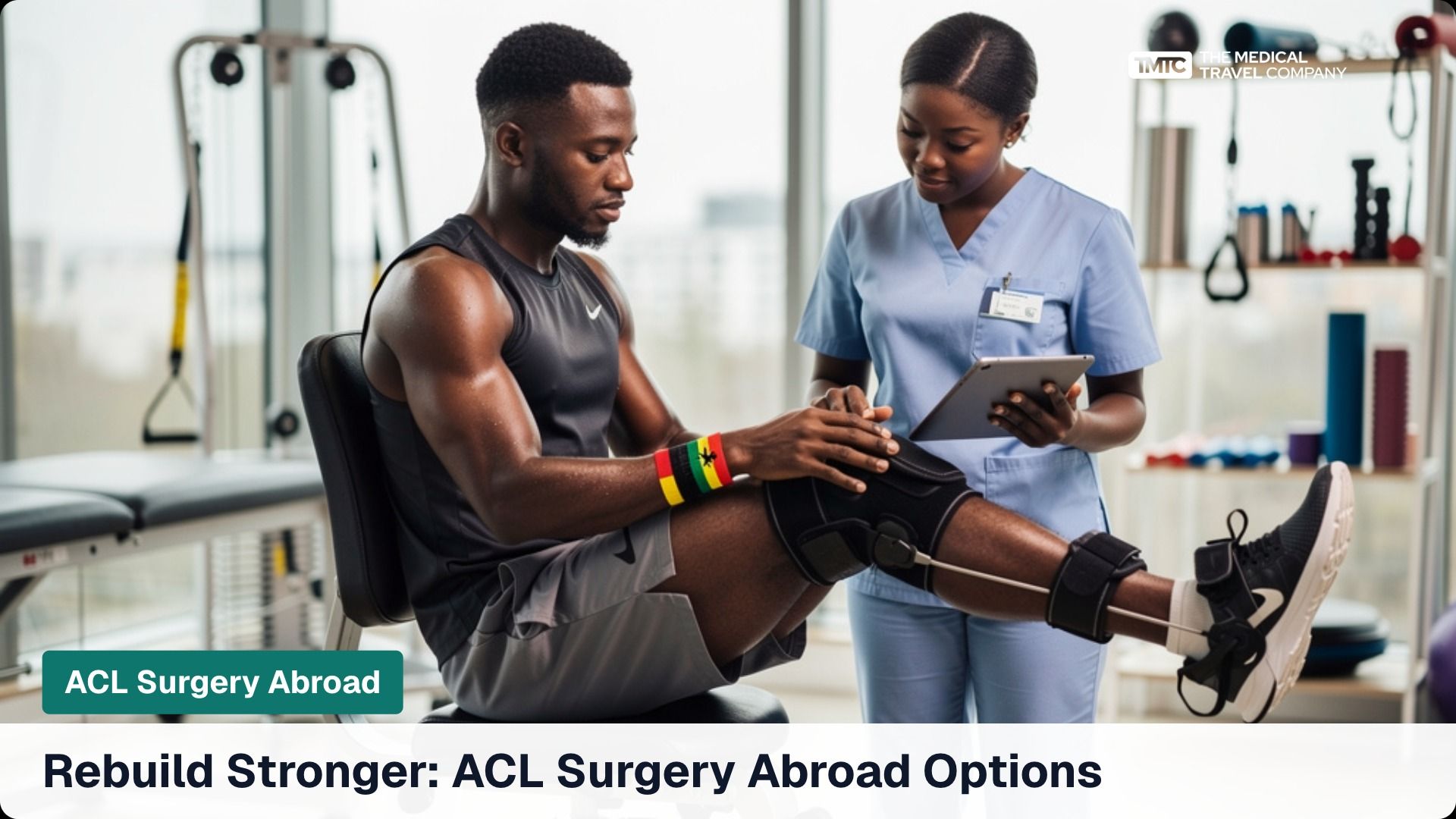
For Ghanaian athletes facing the devastating reality of an ACL injury, the path to world-class care often leads beyond Ghana's borders. With recovery timelines stretching 3-6 months and competition seasons waiting for no one, understanding your options for ACL reconstruction abroad can mean the difference between a successful comeback and a career-altering setback.
Understanding ACL Injuries in Athletes
Your anterior cruciate ligament (ACL) is one of four major ligaments that stabilize your knee joint, acting as a crucial connector between your thighbone and shinbone. When this ligament tears - whether from a sudden pivot, landing awkwardly from a jump, or direct contact - it can end your season instantly.
What Makes Athletes Vulnerable
Athletes face unique risks that make ACL injuries surprisingly common. Soccer players, basketball players, and runners are particularly susceptible due to the cutting, pivoting, and sudden direction changes their sports demand. Female athletes face 2-8 times higher risk than males, largely due to anatomical differences in knee structure and muscle activation patterns.
The statistics are sobering - approximately 150,000 ACL injuries occur annually in the United States alone, with many requiring surgical reconstruction for athletes hoping to return to competitive sports. Without proper treatment, you'll likely experience ongoing knee instability that makes pivoting sports nearly impossible.
Common Causes of ACL Tears
Most ACL injuries happen without any contact with another player. You might tear your ACL when you land from a jump with your knee straight, pivot sharply while your foot is planted, or suddenly stop and change direction. Contact injuries - like being tackled in football - account for only about 30% of ACL tears.
Benefits of ACL Reconstruction Abroad
When you're facing months of recovery and the pressure to return stronger than before, accessing world-class care becomes your top priority. Many Ghanaian athletes are discovering that seeking ACL reconstruction surgery abroad offers advantages that can significantly impact both their recovery timeline and long-term athletic performance.
Access to Advanced Surgical Techniques
Leading international clinics offer minimally invasive arthroscopic techniques that weren't widely available just a decade ago. These procedures use smaller incisions, causing less tissue damage and potentially faster healing times. Many facilities also provide access to the latest graft options, including hamstring tendon, patellar tendon, or allograft tissue, allowing surgeons to choose the best option for your specific athletic demands.
You'll also benefit from surgeons who specialize exclusively in sports medicine and perform hundreds of ACL reconstructions annually. This level of specialization often translates to better outcomes and fewer complications compared to general orthopedic surgeons who might perform the procedure less frequently.
Integrated Rehabilitation Programs
Top international clinics don't just focus on the surgery - they provide comprehensive care that includes pre-operative conditioning and structured post-operative rehabilitation. You'll work with physiotherapists who understand the specific demands of your sport and can tailor your recovery program accordingly.
Cost of ACL Reconstruction Abroad
Understanding the financial investment required for ACL reconstruction abroad helps you make informed decisions about your care. While costs vary significantly depending on your destination and the complexity of your case, many athletes find that the combination of quality care and reasonable pricing makes international treatment attractive.
| Destination | Surgery Cost (USD) | Total with Travel/Stay | Recovery Time |
|---|---|---|---|
| India | $3,000-5,000 | $4,500-7,000 | 2-3 weeks abroad |
| Turkey | $4,000-6,500 | $6,000-9,000 | 2-3 weeks abroad |
| Thailand | $5,000-8,000 | $7,500-11,000 | 3-4 weeks abroad |
| South Africa | $6,000-9,000 | $8,000-12,000 | 2-3 weeks abroad |
| Germany | $8,000-12,000 | $12,000-17,000 | 3-4 weeks abroad |
Breaking Down the Total Investment
Your total cost includes several components beyond the surgery itself. Factor in pre-operative consultations and imaging, the surgical procedure and hospital stay (typically 1-2 days), post-operative follow-ups, and initial physiotherapy sessions. Travel costs include flights for both you and a companion, accommodation for 2-3 weeks, local transportation, and meals.
Don't forget about insurance considerations. While some international insurance policies cover emergency treatments abroad, elective surgeries like ACL reconstruction typically aren't covered. However, many clinics offer financing options or payment plans to help manage the investment.
Comparing Value Beyond Just Price
When evaluating costs, consider the complete value package. A slightly higher upfront investment might include comprehensive aftercare, access to advanced rehabilitation facilities, and follow-up support that continues after you return to Ghana. Some clinics also offer revision surgery guarantees or complication coverage that can provide peace of mind.
Recovery Timeline After ACL Surgery
Your ACL recovery timeline follows a predictable pattern, though individual progress can vary based on your pre-injury fitness level, adherence to rehabilitation protocols, and the specific demands of your sport. Understanding each phase helps you set realistic expectations and stay motivated through the challenging months ahead.
ACL Recovery Phases
- Week 1-2: Focus on controlling swelling and regaining basic knee movement
- Week 3-6: Begin weight-bearing exercises and gentle strengthening
- Month 2-3: Progress to functional movements and sport-specific exercises
- Month 3-4: Advance to running and agility training under supervision
- Month 4-6: Return to sport-specific training and competition preparation
- Month 6+: Full return to competitive sports with ongoing maintenance
Initial Recovery Phase: Weeks 1-3
Your immediate post-surgery focus centers on controlling swelling, managing pain, and protecting the surgical site. You'll likely use crutches for the first 1-2 weeks, though many patients can bear partial weight within days of surgery. Research shows that early, gentle movement actually promotes healing by improving blood flow and preventing stiffness.
During this phase, you'll work on basic range of motion exercises and gentle quadriceps contractions. Don't be discouraged if progress feels slow - this foundational work is crucial for everything that follows. Most athletes can achieve 90 degrees of knee flexion by week 2-3.
Building Strength: Weeks 4-6
As your knee heals, you'll transition to more active rehabilitation. This phase typically involves stationary cycling, pool exercises, and progressive strengthening of the muscles around your knee. Your quadriceps muscle, which often weakens significantly after ACL injury, becomes a primary focus.
By week 6, most athletes can achieve full range of motion and demonstrate good muscle control. You might start light jogging in a straight line, though cutting and pivoting movements remain off-limits. This is also when many athletes begin to feel psychologically ready to push harder - resist the temptation to rush ahead of your prescribed program.
Return to Sports: Months 3-6
Your final return to competitive sports depends on several factors beyond just time elapsed since surgery. You'll need to demonstrate adequate strength (typically 90% or better compared to your uninjured leg), good neuromuscular control, and sport-specific movement patterns without compensations.
Most athletes begin sport-specific training around month 3-4, with full competition clearance typically occurring between months 4-6. However, research on ACL reconstruction outcomes shows that athletes who wait the full 6 months before returning to pivoting sports have significantly lower re-injury rates.
Rehabilitation and Physiotherapy After ACL Surgery
Your rehabilitation program is arguably more important than the surgery itself in determining your final outcome. The most successful athletes approach physiotherapy with the same dedication they brought to their original sport training, understanding that shortcuts in rehabilitation often lead to long-term problems.
Specialized Sports Rehabilitation Programs
Leading international clinics offer rehabilitation programs designed specifically for athletes in different sports. A soccer player's program emphasizes cutting, pivoting, and ball-handling skills, while a basketball player focuses more on jumping, landing mechanics, and rapid direction changes.
These programs often include advanced technologies like force plate analysis, high-speed video analysis, and biomechanical assessments that help identify and correct movement patterns that might predispose you to future injury. You'll also work on psychological aspects of return to sport, building confidence in your knee through progressive challenges.
Key Physiotherapy Techniques for Recovery
Your physiotherapy will incorporate several evidence-based techniques proven to optimize ACL reconstruction outcomes. Manual therapy helps restore normal joint movement and reduce scar tissue formation. Neuromuscular training retrains the communication between your brain and the muscles around your knee, improving reaction times and stability.
Plyometric exercises - controlled jumping and landing drills - become crucial in later phases of rehabilitation. These exercises not only build power but also teach your body to absorb forces safely, reducing your risk of future injury. Balance and proprioception training help restore your knee's ability to sense its position in space.
Expert Guidance on Choosing a Clinic Abroad
Selecting the right clinic and surgeon for your ACL reconstruction requires careful research and consideration of multiple factors beyond just cost. The wrong choice can result in complications, prolonged recovery, or poor long-term outcomes that affect your athletic career for years to come.
Researching Clinics and Surgeons
Start by verifying that your potential surgeon is board-certified in orthopedic surgery with specific fellowship training in sports medicine. Look for surgeons who perform at least 50-100 ACL reconstructions annually, as higher volume typically correlates with better outcomes and fewer complications.
Research the clinic's accreditation status - look for facilities accredited by international organizations like Joint Commission International (JCI) or similar bodies. These accreditations ensure the facility meets strict standards for safety, quality, and patient care that align with international best practices.
Patient Testimonials and Success Rates
Request specific outcome data from potential clinics, including their infection rates, revision surgery rates, and patient satisfaction scores. Reputable clinics should readily provide this information and may offer to connect you with former patients who've had similar procedures.
Pay particular attention to testimonials from athletes in your sport who've returned to their previous level of competition. While individual experiences vary, patterns in patient feedback can reveal important information about the clinic's strengths and potential weaknesses in athlete care.
Essential Questions to Ask Before Surgery
Before committing to any clinic, ask about their specific surgical technique and graft choice for your case. Inquire about their post-operative protocol and whether they provide detailed rehabilitation guidelines you can follow after returning to Ghana. Understand their policy on complications and what support they offer if problems arise after you've returned home.
Also ask about follow-up care arrangements. Will they provide remote consultations during your recovery? Do they have relationships with physiotherapists in Ghana who can continue your care using their protocols? Clear answers to these questions help ensure continuity of care throughout your recovery journey.
Your Path to Recovery Begins with the Right Choice
ACL reconstruction abroad offers Ghanaian athletes access to world-class care, advanced surgical techniques, and comprehensive rehabilitation programs that can significantly impact both recovery timelines and long-term athletic performance. While the investment is substantial, many athletes find that the combination of quality care and reasonable pricing makes international treatment an attractive option.
Remember that your surgery is just the beginning of your recovery journey. Success depends heavily on your commitment to the rehabilitation process and your choice of healthcare providers who understand the unique demands of athletic performance. Take time to research your options thoroughly, ask the right questions, and choose a clinic that offers not just excellent surgery but comprehensive support throughout your recovery.
Whether you're considering ACL reconstruction options or exploring other knee surgery solutions, the most important step is starting your research early and connecting with experienced healthcare providers who can guide you through the process.
References:
- Institute for Health Metrics and Evaluation- Statistics on musculoskeletal conditions and joint health globally
- Healthline Medical Review- Comprehensive timeline and factors affecting ACL recovery
- PMC Sports Medicine Research- Expert consensus on ligament injury management and rehabilitation protocols
Related Articles

Ready to open the door to better health?