Fertility Treatments Abroad: A Complete Guide for Ghanaian Patients
Explore affordable fertility treatments abroad, including costs, procedures, and top clinics. Empower your family journey today!
Last Updated On 29 April 20269m


Medical professional with 10+ years’ experience in diagnosis, patient care, and clinical leadership.
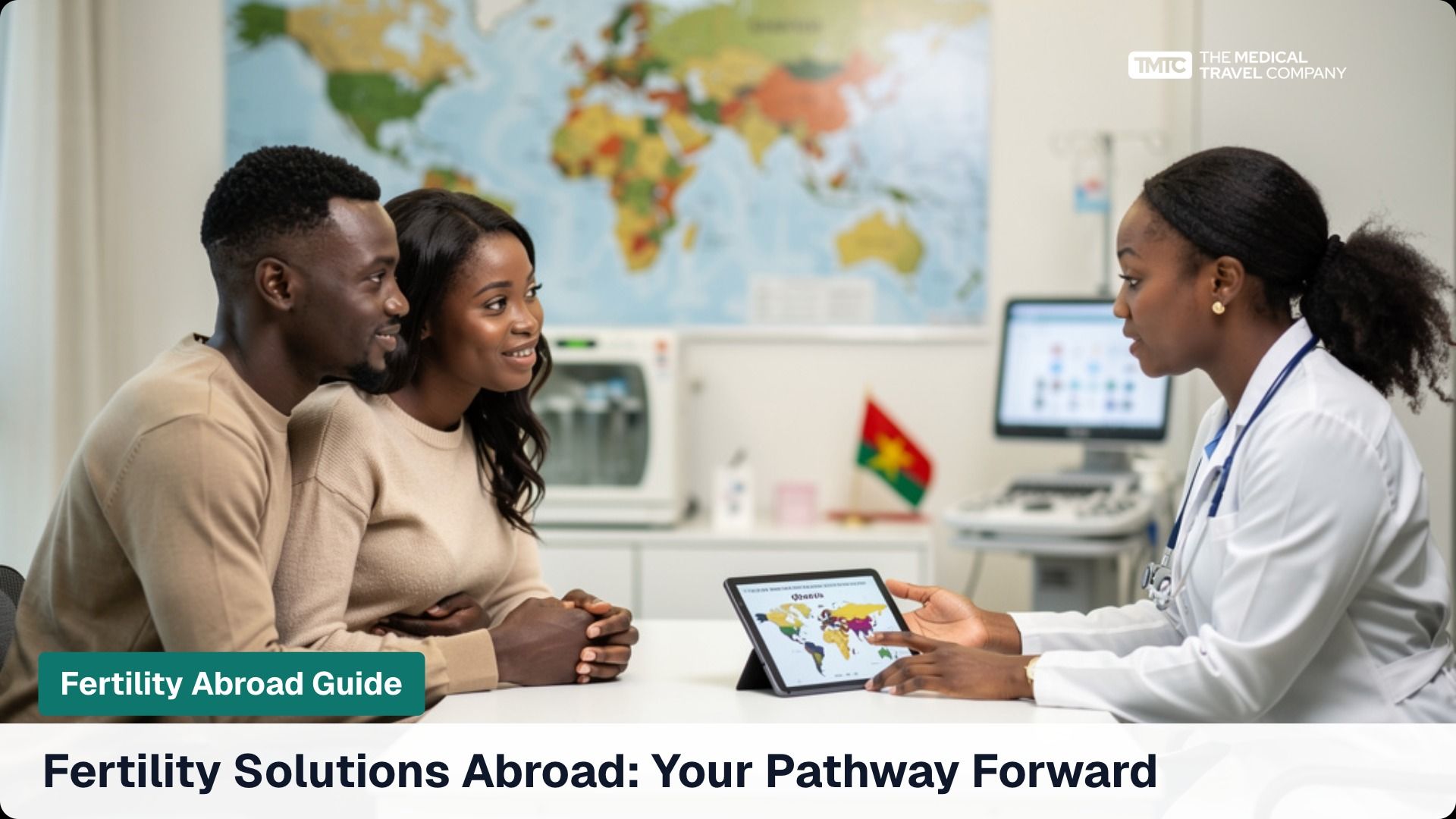
For many Ghanaian couples struggling with fertility challenges, seeking treatment abroad has become an increasingly attractive option. With world-class care available at significantly lower costs than traditional Western clinics, international fertility treatments offer hope where local options may be limited or prohibitively expensive.
Understanding Fertility Treatments
Fertility treatments are medical procedures designed to help individuals and couples conceive when natural conception hasn't occurred after trying for 12 months or more. These treatments address various underlying issues that may prevent pregnancy, offering hope through advanced medical interventions.
What Are Fertility Treatments?
According to WebMD, fertility drugs work by causing your body to release hormones that trigger or regulate ovulation - the release of an egg from your ovary. These medications form the foundation of many fertility treatments, whether used alone or in combination with more advanced procedures.
Types of Fertility Treatments
The most common fertility treatments include In Vitro Fertilization (IVF), where eggs and sperm are combined in a laboratory before being transferred to the uterus. Intrauterine Insemination (IUI) involves placing specially prepared sperm directly into the uterus during ovulation. Other options include egg freezing for Ghana women, which allows you to preserve your fertility for future use.
Medication-based treatments often serve as the first line of intervention. These include ovulation stimulation drugs that help your ovaries release multiple eggs, increasing your chances of conception during natural cycles or assisted reproduction techniques.
Why Consider Fertility Treatment Abroad?
Research from Ghana shows significant barriers to accessing assisted reproductive technology services locally. A comprehensive study found that many fertility health workers and women with infertility face substantial challenges in accessing quality care within the country.
Cost Considerations
The primary driver for seeking fertility treatment abroad is cost. Studies indicate that prices for assisted reproduction-related drugs vary widely between different African countries, often even more expensive than in western countries. Many couples find that even when factoring in travel and accommodation costs, international treatment remains significantly more affordable than local private options.
Quality of Care
International fertility clinics often provide access to cutting-edge technology and highly experienced specialists. These facilities frequently maintain international accreditations and follow strict quality standards that ensure world-class care for their patients.
Unique Advantages
Beyond cost savings, seeking treatment abroad offers several unique benefits. You'll often receive a personalised treatment plan developed specifically for your situation, with shorter waiting times compared to overburdened local systems. Many international clinics also provide comprehensive support services, including coordination of travel arrangements and accommodation recommendations.
Costs of Fertility Treatments Abroad
Understanding the full cost structure of fertility treatment abroad helps you plan financially and make informed decisions about your care.
| Treatment | Typical Cost Range (USD) | Success Rate | Duration |
|---|---|---|---|
| IVF (single cycle) | $2,500 - $4,500 | 35-45% | 4-6 weeks |
| IUI (single cycle) | $300 - $800 | 15-25% | 2 weeks |
| Egg freezing | $2,000 - $3,500 | N/A | 2-3 weeks |
| ICSI (with IVF) | $3,000 - $5,000 | 40-50% | 4-6 weeks |
Infertility Treatment Cost Breakdown
IVF for Ghana couples typically includes consultation fees, medication costs, monitoring appointments, egg retrieval, laboratory fees, and embryo transfer. Additional costs may include genetic testing, frozen embryo storage, and follow-up consultations.
Comparing IVF vs IUI Costs
While IUI treatment requires a smaller upfront investment, multiple cycles may be necessary to achieve pregnancy. IVF, though more expensive initially, often requires fewer cycles and offers higher success rates per attempt, potentially making it more cost-effective long-term.
Hidden Costs to Consider
Factor in travel expenses including flights, accommodation, meals, and local transportation. You'll also need to budget for time off work and potentially additional medication or monitoring appointments once you return home. Some couples require multiple treatment cycles, so consider the cumulative costs of repeated trips abroad.
Navigating Reproductive Care Abroad
Successfully accessing fertility care abroad requires careful planning and research to ensure you receive the best possible treatment for your specific needs.
Finding the Best Fertility Clinics
Research clinics' success rates, particularly for patients with your specific diagnosis and age group. Look for international accreditations from organizations like JCI (Joint Commission International) or ISO certification. Read patient reviews and testimonials, but focus on those from patients with similar backgrounds and treatment needs.
Verify that the clinic has experience treating international patients and can provide support in English. World-class fertility care for Ghana couples should include comprehensive communication throughout your treatment journey.
Choosing the Right Treatment Plan
Your treatment plan should be based on thorough diagnostic testing and your specific fertility challenges. Don't accept a one-size-fits-all approach - the best clinics will customize your protocol based on your age, medical history, previous treatment responses, and personal preferences.
Preparing for Treatment Abroad
Essential Preparation Steps
- Complete preliminary testing and consultations in Ghana
- Obtain medical records and test results in English
- Research visa requirements and processing times
- Book accommodation near the fertility clinic
- Arrange time off work for treatment and recovery
- Organize travel insurance that covers medical treatment
- Plan for medication transport and storage during travel
- Establish contact with local support services
Understanding Male and Female Infertility
Successful fertility treatment depends on accurately identifying and addressing the underlying causes of infertility, which can affect either partner or both.
Female Infertility Causes
Research conducted in Ghana reveals common patterns in female infertility cases. According to studies on pharmacotherapy for infertility in Ghana, hormonal imbalances, blocked fallopian tubes, and ovulation disorders represent the most frequent challenges faced by women seeking fertility treatment.
Endometriosis, uterine fibroids, and age-related decline in egg quality also contribute significantly to fertility challenges. Each of these conditions requires specific treatment approaches, which is why thorough diagnosis is essential before beginning any fertility treatment program.
Male Infertility Treatment Options
Male factor infertility accounts for approximately 40% of all fertility cases. Cleveland Clinic research shows that oligospermia or low sperm count is often diagnosed only when couples are trying to conceive and experiencing difficulty.
Treatment options for male infertility include hormone therapy, surgical interventions for varicoceles or blockages, and assisted reproduction techniques like ICSI (Intracytoplasmic Sperm Injection) when sperm quality or quantity is severely compromised.
Key Fertility Diagnosis Tests
Proper diagnosis forms the foundation of successful fertility treatment. Comprehensive testing helps identify specific issues and guides treatment selection.
Hormone Testing for Fertility
Hormone testing provides crucial insights into your reproductive health. Key tests include FSH (Follicle Stimulating Hormone), LH (Luteinizing Hormone), estrogen, progesterone, and AMH (Anti-Müllerian Hormone) levels. These tests help determine ovarian function, egg reserve, and overall hormonal balance.
For men, testosterone, FSH, and LH testing can reveal hormonal causes of infertility. Many international clinics can work with results from tests completed in Ghana, saving you time and money during your treatment abroad.
Other Diagnostic Tests
Additional diagnostic procedures include semen analysis for men, hysterosalpingography (HSG) to check fallopian tube patency, and transvaginal ultrasounds to assess ovarian and uterine health. Genetic testing may be recommended for couples with recurrent pregnancy loss or specific family histories.
Some tests require specific timing within your menstrual cycle, so coordinate with your chosen clinic to ensure optimal scheduling during your treatment abroad.
Real Success Stories from Ghanaian Patients
Many Ghanaian couples have successfully built their families through fertility treatment abroad, sharing inspiring journeys that demonstrate the possibilities available through international care.
Impact of Treatment Abroad
Patients frequently report not only successful pregnancies but also positive experiences with international medical care. Many describe feeling more informed about their condition, receiving clearer communication about treatment options, and having access to support services that made their journey abroad manageable despite the distance from home.
The combination of expert medical care, advanced technology, and cost savings has enabled many couples to pursue multiple treatment cycles when necessary, significantly improving their chances of success.
Taking Your Next Steps
Your fertility journey is unique, and seeking treatment abroad can open doors to possibilities that may not be available locally. The key to success lies in thorough preparation, choosing the right clinic and treatment plan, and working with experienced professionals who understand your specific needs.
Start by completing basic fertility testing in Ghana to understand your specific challenges. Research potential destinations and clinics that specialize in your type of infertility. Consider fertility-enhancing therapies that may improve your chances of success before beginning more intensive treatments.
Remember that seeking expert guidance throughout this process can make the difference between a stressful experience and a seamless journey toward building your family. Professional support helps you navigate the complexities of international medical care while ensuring you receive the most appropriate and effective treatment for your situation.
References:
-
WebMD - Fertility Drug Types: Injectables Hormones, Clomid, and More- Information on how fertility drugs work and their role in treatment protocols.
-
Cleveland Clinic - Oligospermia (Low Sperm Count): Causes & Treatment- Comprehensive overview of male infertility diagnosis and treatment options.
-
PMC - Pharmacotherapy for Infertility in Ghana: A Prospective Study- Research on fertility treatment patterns and outcomes among women in Ghana.
-
PMC - Barriers to ART Services in Ghana- Countrywide study on challenges faced by fertility patients and healthcare workers in Ghana.
-
PMC - IVF in Africa: What Is It All About?- Analysis of assisted reproductive technology challenges and costs across African countries.
Related Articles


Ready to open the door to better health?