Egg Freezing Abroad for Ghanaian Women: Cost, Process & Benefits
Explore egg freezing abroad for Ghanaian women, including costs, processes, and benefits. Make informed decisions about your fertility preservation options.
Last Updated On 29 April 20268m


Medical professional with 10+ years’ experience in diagnosis, patient care, and clinical leadership.
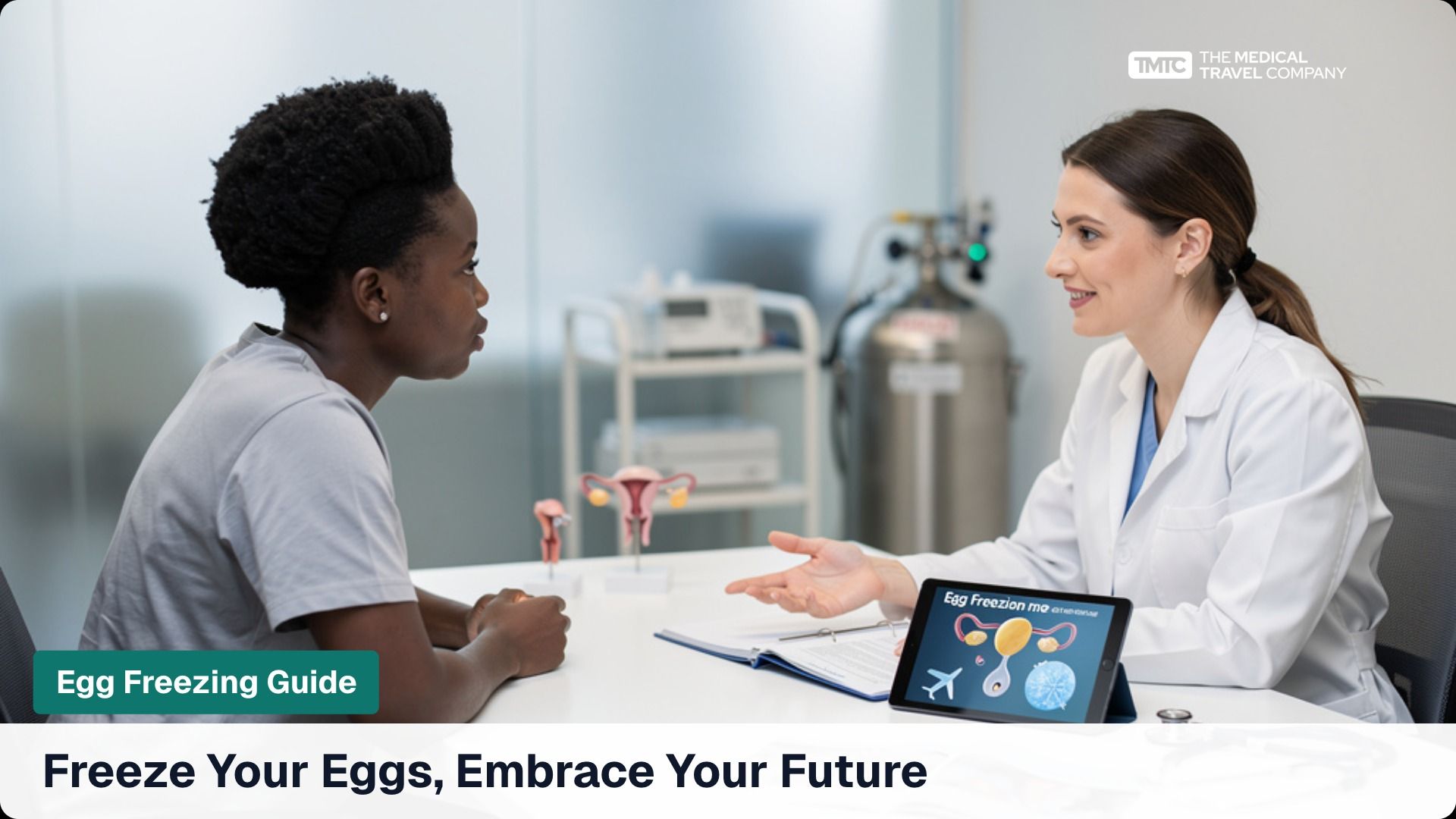
Thinking about your future family while pursuing your career goals? You're part of a growing number of women who recognize that timing isn't always perfect when it comes to starting a family. For many Ghanaian women, exploring egg freezing abroad has become an empowering option that provides flexibility and peace of mind.
Recent studies show that access to assisted reproductive technologies in sub-Saharan Africa remains limited, making international options increasingly attractive. This guide walks you through everything you need to know about egg freezing abroad, from the process and costs to success rates and long-term benefits.
Understanding Egg Freezing Abroad
Egg freezing, also called oocyte cryopreservation, is a medical procedure where your eggs are extracted, frozen, and stored for future use. This process essentially pauses your biological clock, allowing you to preserve your fertility at your current age.
Why Consider Egg Freezing Abroad?
While Ghana has made strides in reproductive health services, research highlights significant barriers to assisted reproductive technology services in Ghana, particularly regarding accessibility and availability of advanced fertility preservation options.
International clinics offer several advantages. You'll have access to world-class care with cutting-edge technology that ensures the highest success rates. Many facilities provide comprehensive support services, including travel coordination and personalized treatment plans tailored to your specific needs.
The expertise available at established international fertility centers often surpasses what's currently available locally. These centers have years of experience with thousands of successful cases, giving you confidence in your treatment outcome.
The Complete Egg Freezing Process
Understanding what happens during your egg freezing journey helps you prepare mentally and physically for the experience. The process typically takes 2-3 weeks from start to finish.
1. Initial Consultations and Assessment
Your journey begins with a comprehensive fertility assessment. This includes blood tests to check your hormone levels, particularly AMH (Anti-Müllerian Hormone), which indicates your ovarian reserve. You'll also have an ultrasound to examine your ovaries and count your antral follicles.
During this consultation, your doctor creates a personalized treatment plan based on your age, health status, and fertility goals. This is when you'll discuss the process of egg freezing for Ghanaian women in detail and address any concerns.
2. Hormone Stimulation Process
The hormone stimulation phase typically lasts 10-14 days. You'll take daily injections of fertility medications to stimulate your ovaries to produce multiple eggs instead of the single egg your body normally releases each month.
Throughout this phase, you'll have regular monitoring appointments every 2-3 days. These include blood tests and ultrasounds to track how your eggs are developing and adjust medication doses if needed.
3. Egg Retrieval and Storage
When your eggs reach maturity, you'll receive a trigger injection to prepare them for collection. The retrieval procedure happens 36 hours later under light sedation and takes about 20-30 minutes.
Your eggs are immediately assessed for quality and maturity. The viable eggs undergo vitrification, a rapid freezing process that prevents ice crystal formation and maintains egg integrity. They're then stored in specialized tanks filled with liquid nitrogen at -196°C.
Understanding Egg Freezing Costs Abroad
Cost considerations play a significant role in your decision-making process. Understanding all associated expenses helps you plan financially and choose the best option for your situation.
Breakdown of Initial Treatment Costs
The typical cost for egg freezing abroad ranges from $3,000 to $8,000 USD, depending on the country and clinic you choose. This includes your initial consultation, medications, monitoring appointments, and the egg retrieval procedure.
Additional expenses include travel costs, accommodation, and time off work. However, many women find these costs worthwhile when considering the quality of care and success rates available internationally.
| Cost Component | Estimated Range (USD) | Notes |
|---|---|---|
| Initial Treatment | $3,000 - $8,000 | Includes all procedures and medications |
| Annual Storage | $200 - $800 | Varies by clinic and storage duration |
| Travel & Accommodation | $1,000 - $3,000 | Depends on destination and length of stay |
| Follow-up Consultations | $100 - $300 | Virtual consultations often available |
Long-term Storage Considerations
Storage costs typically range from $200 to $800 annually. Some clinics offer discounted rates for longer-term storage commitments. Consider that eggs can remain viable for many years when properly stored, giving you flexibility in your family planning timeline.
When comparing costs, remember that the initial investment in high-quality egg freezing can save money in the long run by reducing the need for multiple cycles later.
Success Rates and What They Mean for You
Understanding success rates helps set realistic expectations and informs your decision about when to pursue egg freezing.
Age and Success Rate Connection
Age significantly impacts both egg quantity and quality. Women under 35 typically see the highest success rates, with approximately 85-90% of frozen eggs surviving the thawing process. For women aged 35-37, this rate remains strong at around 80-85%.
The live birth rate per egg varies by age: women under 30 have about a 6-8% chance per egg, while those aged 35-37 have approximately 4-6% per egg. This means younger women typically need fewer eggs frozen to achieve their family goals.
IVF Success After Egg Freezing
When you're ready to use your frozen eggs, they'll be thawed and fertilized through IVF. Studies show that frozen eggs perform similarly to fresh eggs in IVF for Ghana couples, with success rates largely dependent on the age at which the eggs were frozen.
International clinics often report higher success rates due to advanced laboratory techniques and experienced embryologists who specialize in embryologist practices in IVF clinics.
85-90% — of frozen eggs survive the thawing process when frozen before age 35
Life-Changing Benefits for Ghanaian Women
Beyond the medical aspects, egg freezing offers profound personal and professional advantages that can reshape your life trajectory.
Enhanced Control Over Your Timeline
Egg freezing removes the pressure of racing against your biological clock. You can focus on career advancement, education, or finding the right partner without constantly worrying about declining fertility.
Research on fertility preservation perspectives among women in Ghana shows that many women value having reproductive autonomy and the ability to make informed decisions about their family planning timeline.
Reduced Anxiety and Stress
Many women report feeling relieved and empowered after completing egg freezing. Knowing you've preserved your fertility at its current quality reduces the anxiety that comes with watching time pass and feeling pressured to settle or rush important life decisions.
This peace of mind often leads to better decision-making in both personal and professional spheres, as you're no longer making choices based on fertility fears.
Access to Comprehensive Fertility Options
International clinics often provide access to the full spectrum of world-class fertility care options. This includes advanced techniques like preimplantation genetic testing, which can screen embryos for genetic conditions before transfer.
You'll also benefit from comprehensive support services, including counseling, nutritional guidance, and long-term follow-up care that ensures your overall reproductive health.
Making Your Decision: Next Steps
If you're considering egg freezing abroad, the best time to act is now. Fertility naturally declines with age, and the earlier you freeze your eggs, the better your chances of success when you're ready to start your family.
Choosing the Right International Clinic
Research clinics thoroughly by looking at their success rates, accreditations, and patient reviews. Consider factors like language support, travel assistance, and follow-up care availability in Ghana.
Look for clinics that offer transparent pricing, comprehensive support services, and experienced medical teams with proven track records in egg freezing procedures.
Starting Your Consultation Process
Begin with a virtual consultation to discuss your goals, timeline, and any concerns. Many international clinics offer video consultations that allow you to meet your medical team and understand your treatment plan before traveling.
Use this time to ask detailed questions about success rates for women in your age group, total treatment costs, storage options, and what support is available throughout your journey.
Your Fertility Preservation Journey
- Egg freezing abroad offers access to world-class care and advanced techniques not widely available locally
- The best outcomes occur when eggs are frozen before age 35, though success is possible at later ages
- Total costs include treatment, storage, and travel, but the investment provides long-term reproductive flexibility
- International clinics provide comprehensive support throughout the entire process
- Starting with a virtual consultation helps you make an informed decision about your fertility preservation options
Your fertility is one of your most valuable assets, and protecting it through egg freezing abroad can provide the freedom to pursue your goals while keeping all your family-building options open. With proper research and the right medical team, you can take control of your reproductive future with confidence.
References:
-
Perspectives on fertility preservation among women living with breast cancer in Ghana- Research on fertility preservation perspectives in Ghana
-
Barriers to assisted reproductive technology (ART) services in Ghana- Study on barriers to ART services for Ghanaian women
-
Embryologists' practices of care in IVF-clinics in sub-Saharan Africa- Analysis of IVF clinic practices and success rates
-
Access to assisted reproductive technologies in sub-Saharan Africa- Comprehensive review of ART accessibility in the region
Related Articles

Ready to open the door to better health?