Exploring Fertility Surgeries Abroad: Options & Outcomes for Ghanaian Patients
Discover affordable fertility surgery options abroad for Ghanaian patients. Learn about costs, benefits, and encouraging outcomes to empower your journey.
Last Updated On 29 April 202610m

Medical professional with 10+ years’ experience in diagnosis, patient care, and clinical leadership.
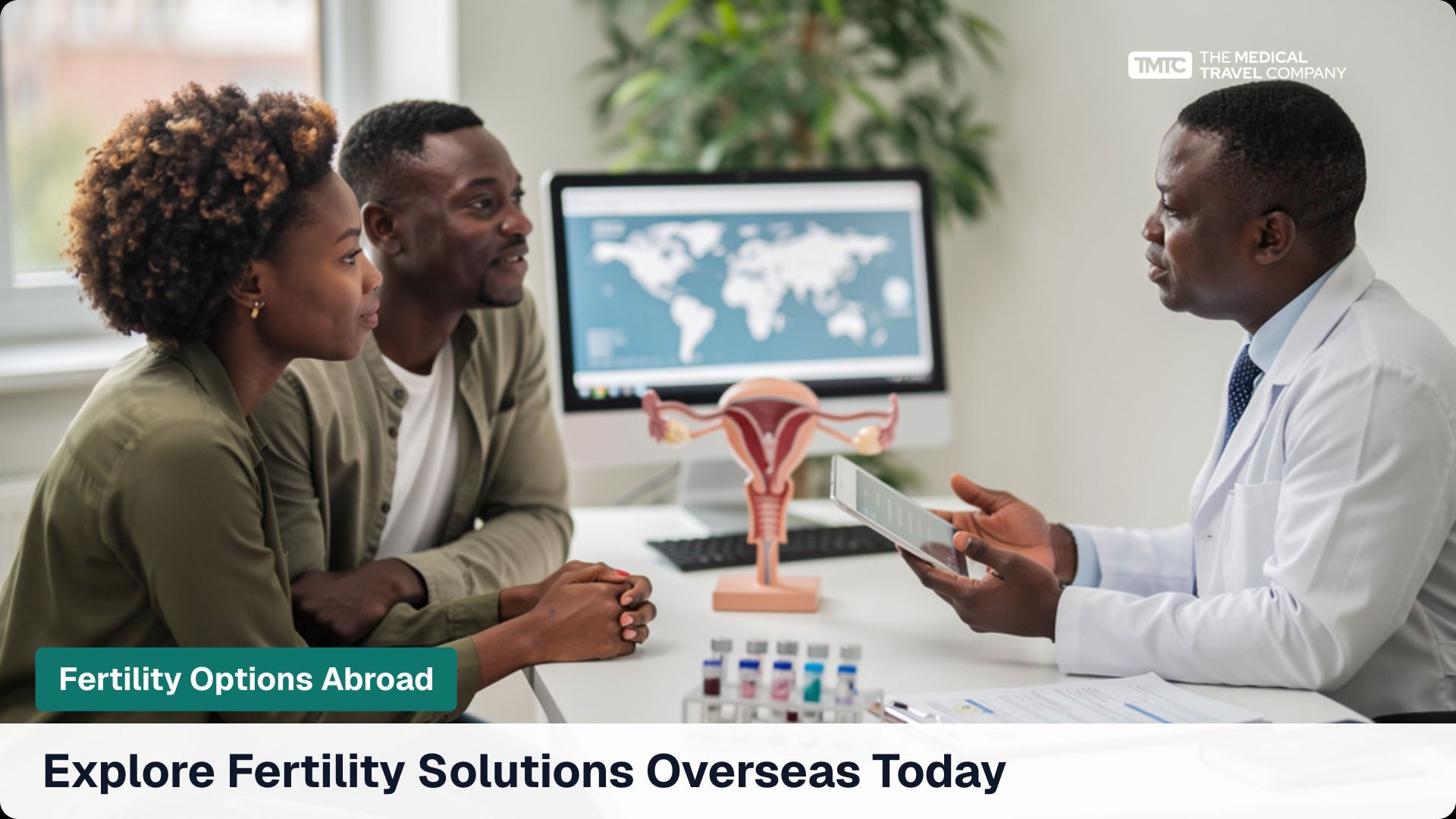
When fertility challenges persist despite medication or lifestyle changes, fertility surgery abroad might be the answer you've been searching for. Many Ghanaian women are discovering that specialized reproductive surgeries overseas offer hope for conception at a fraction of local costs, often with better outcomes than they initially expected.
Understanding Fertility Surgeries Abroad
Fertility surgery encompasses a range of minimally invasive procedures designed to correct anatomical issues that prevent natural conception. These surgeries treat conditions like blocked fallopian tubes, uterine fibroids, endometriosis, and other structural problems that affect your reproductive health.
What Is Fertility Surgery?
Fertility surgery targets specific physical barriers to pregnancy. Unlike fertility treatments that work around these issues, surgery aims to fix the underlying problem. Common procedures include laparoscopic surgery to remove endometrial tissue, hysteroscopy to correct uterine abnormalities, and myomectomy to remove fibroids that interfere with implantation.
These procedures are often performed using minimally invasive techniques, which means smaller incisions, faster recovery times, and reduced scarring compared to traditional open surgery. Most women return to normal activities within 2-4 weeks, depending on the specific procedure.
Reasons to Consider Surgery Abroad
Ghana's healthcare system faces significant challenges in providing comprehensive fertility care. Research from PMC highlights barriers to assisted reproductive technology services in Ghana, including limited access to specialized procedures and high costs.
Many Ghanaian couples find that seeking fertility surgery abroad offers several advantages: access to world-class care with experienced specialists, significantly lower costs compared to private facilities in Ghana, shorter waiting times for procedures, and comprehensive follow-up care. Countries like India, Thailand, and Turkey have established themselves as leading destinations for reproductive surgery, combining affordability with excellent medical outcomes.
Popular Fertility Surgery Options Abroad
Different surgical approaches target specific fertility issues. Understanding your options helps you make informed decisions about which procedure might benefit your unique situation.
Laparoscopic Fertility Surgery
Laparoscopic surgery uses tiny incisions and a small camera to diagnose and treat fertility issues. This approach is ideal for removing endometrial implants, opening blocked fallopian tubes, and treating ovarian cysts that affect fertility. The procedure typically takes 30-90 minutes, depending on complexity.
Recovery is usually quick, with most women returning to work within a week. Success rates for conception after laparoscopic fertility surgery range from 40-60%, depending on the specific condition treated and the woman's age. If you're considering IVF treatment, laparoscopic surgery might improve your chances of success by addressing underlying issues first.
Hysteroscopy Procedures
Hysteroscopy allows surgeons to examine and treat issues inside your uterus without external incisions. This procedure corrects problems like uterine polyps, fibroids that grow into the uterine cavity, and scar tissue that prevents implantation.
The cost abroad typically ranges from $800-2,500, compared to significantly higher prices in private Ghanaian facilities. Most women experience minimal discomfort and can return to normal activities within 24-48 hours. Pregnancy rates after hysteroscopic correction of uterine abnormalities often improve by 50-70%.
Fibroid Removal for Fertility
Myomectomy removes uterine fibroids while preserving your fertility. This procedure is crucial when fibroids interfere with embryo implantation or cause recurrent pregnancy loss. Depending on fibroid size and location, surgeons use different approaches including hysteroscopic, laparoscopic, or rarely, open surgery.
Recovery varies from 1-6 weeks depending on the surgical approach. Studies show that women who undergo myomectomy for fertility purposes see conception rates improve by 45-80% within two years post-surgery. For those requiring additional support, fertility-enhancing therapies can complement surgical treatment.
Endometriosis Surgery
Endometriosis affects up to 15% of women of reproductive age and can significantly impact fertility. Laparoscopic removal of endometrial tissue and adhesions often restores normal anatomy and improves egg quality. The procedure also addresses pain symptoms that many women experience.
Post-surgery conception rates for women with mild to moderate endometriosis increase by 40-50% compared to no treatment. Even women with severe endometriosis see improvement, though they might benefit from combining surgery with IUI treatment or other assisted reproductive techniques.
Cost Overview: Reproductive Surgery Options
Understanding the financial aspects of fertility surgery abroad helps you plan effectively. Costs vary significantly between countries and procedures, but savings compared to local private options are substantial.
Comparative Costs: Ghana vs Abroad
Private fertility surgery in Ghana, when available, can cost 3-5 times more than equivalent procedures in established medical tourism destinations. For example, laparoscopic endometriosis surgery might cost $8,000-12,000 in Ghana's private sector, while the same procedure in India or Thailand ranges from $2,000-4,000 including accommodation.
Hysteroscopy procedures abroad typically cost $800-2,500, compared to $4,000-7,000 in private Ghanaian facilities. Myomectomy surgery ranges from $1,500-4,000 abroad versus $6,000-10,000 locally. These savings often cover travel expenses and still leave thousands in cost reductions.
Understanding the Cost Factors
Complete Cost Breakdown for Surgery Abroad
- Pre-operative consultations and diagnostic tests ($200-500)
- Surgical procedure fees ($1,500-4,000 depending on complexity)
- Hospital stay and facility charges ($300-800)
- Anesthesia and operating room costs (usually included in procedure fee)
- Post-operative medications and follow-up visits ($100-300)
- Round-trip flights for patient and companion ($1,200-2,000)
- Accommodation for recovery period ($600-1,500 for 7-14 days)
- Meals and local transportation ($300-600)
- Travel insurance with medical coverage ($150-400)
- Visa fees and documentation costs ($100-200)
Most medical tourism facilitators offer package deals that include surgery, accommodation, and local transportation. These packages often provide better value and peace of mind compared to arranging everything independently.
Outcomes and Benefits of Fertility Surgery
The decision to pursue fertility surgery abroad becomes easier when you understand the potential outcomes. Research consistently shows that addressing structural fertility issues surgically can dramatically improve your chances of natural conception.
Conception After Surgery
Success rates vary by condition and surgical approach, but most women see significant improvement in fertility potential. Studies on IVF programs in Africa show that addressing underlying surgical issues before attempting assisted reproduction improves overall success rates.
Women who undergo laparoscopic surgery for endometriosis see conception rates of 40-60% within 18 months post-surgery. Those with tubal factor infertility often achieve 30-50% pregnancy rates after surgical correction, depending on the extent of damage. Myomectomy patients typically see 45-80% improvement in conception rates within two years.
Age plays a crucial role in outcomes. Women under 35 generally see better results across all surgical procedures. However, even women over 35 benefit significantly, particularly when surgery addresses specific anatomical issues that prevent conception or implantation.
Long-Term Health Benefits
Fertility surgery offers benefits beyond conception. Women who undergo endometriosis surgery often experience dramatic pain relief, improving their quality of life significantly. Fibroid removal can reduce heavy menstrual bleeding, anemia, and pelvic pressure symptoms.
Many women report improved sexual function after surgery, as pain and structural issues that interfered with intimacy are resolved. These improvements can strengthen relationships and reduce the emotional stress often associated with fertility challenges.
Choosing the Right Clinic and Specialists
Selecting the right medical facility and surgeon significantly impacts your surgical outcome and overall experience. Quality research upfront prevents complications and ensures you receive world-class care.
Researching Fertility Clinics Abroad
Look for clinics with international accreditation from organizations like JCI (Joint Commission International) or similar bodies. These accreditations ensure the facility meets global healthcare standards. Check surgeon credentials, including board certification in reproductive surgery and years of experience with your specific condition.
Review patient testimonials and success rates for your particular procedure. Reputable clinics openly share outcome data and can provide references from previous international patients. Language capabilities matter too - ensure the medical team can communicate clearly in English or provides quality translation services.
Questions to Ask Your Doctor
Essential Questions for Your Consultation
- What specific surgical approach do you recommend for my condition?
- How many similar procedures have you performed in the past year?
- What are the success rates for conception after this surgery?
- What complications might occur, and how do you manage them?
- How long is the recovery period, and what restrictions should I expect?
- Will I need additional fertility treatments after surgery?
- How do you coordinate care with my doctors back in Ghana?
- What follow-up care is included, and for how long?
- Can you provide contact information for previous patients willing to share experiences?
- What happens if I need emergency care during my stay?
Don't hesitate to ask for second opinions, especially for complex procedures. Reputable surgeons welcome informed patients and encourage thorough evaluation before proceeding with surgery.
Personalized Treatment Plans and Expert Guidance
Every woman's fertility journey is unique, requiring individualized approaches to achieve the best outcomes. Quality overseas clinics develop personalized treatment plans based on your specific medical history, diagnostic results, and fertility goals.
Creating Your Treatment Plan
Comprehensive evaluation typically begins with a detailed medical history review, current fertility testing, and imaging studies. Your surgeon considers factors like age, previous pregnancies, specific fertility challenges, and overall health status when recommending surgical approaches.
Some women benefit from combining surgical treatment with other fertility interventions. For instance, women with mild endometriosis might undergo laparoscopic surgery followed by fertility care support. Others with severe tubal damage might proceed directly to IVF after surgical evaluation.
The Role of Follow-Up Care
Quality overseas clinics provide structured follow-up care to monitor your recovery and optimize fertility outcomes. This typically includes virtual consultations at 2 weeks, 6 weeks, and 3 months post-surgery, with ongoing support as needed.
Many clinics coordinate with your local healthcare providers in Ghana to ensure continuity of care. They provide detailed surgical reports, recovery guidelines, and recommendations for ongoing fertility management to your Ghanaian doctors.
Conclusion and Call to Action
Fertility surgery abroad offers Ghanaian women access to world-class reproductive care at affordable costs. With success rates of 40-80% for natural conception after surgery, depending on the specific condition treated, these procedures provide genuine hope for overcoming fertility challenges.
The combination of experienced surgeons, advanced surgical techniques, comprehensive care packages, and significant cost savings makes overseas treatment an attractive option for many couples. Success depends on choosing the right clinic, surgeon, and approach for your specific situation.
Empowering Your Fertility Journey
Your fertility journey doesn't end with surgery. Many women find that addressing underlying structural issues through surgery improves their success with subsequent treatments like egg freezing or other assisted reproductive technologies.
Take the first step by gathering your medical records, including any fertility testing you've completed. Research potential destinations and clinics, focusing on those with strong track records in reproductive surgery. Consider consulting with multiple specialists to understand all your options before making your final decision.
Remember that fertility surgery abroad isn't just about the procedure itself - it's about accessing comprehensive care that addresses your unique needs and maximizes your chances of achieving pregnancy. With proper planning and the right medical team, your journey toward parenthood can become a reality.
References:
-
Barriers to assisted reproductive technology (ART) services in Ghana- Research on fertility care accessibility in Ghana
-
Setting Up and Running a Successful IVF Program in Africa- Success rates and surgical considerations for African patients
-
Biomedical infertility care in sub-Saharan Africa- Current practices and treatment outcomes in the region
-
Medical Tourism - CDC Guidelines- Safety considerations for reproductive tourism
-
Access to assisted reproductive technologies in sub-Saharan Africa- Regional availability and outcomes of fertility treatments
Related Articles

Ready to open the door to better health?