Bladder Stone Treatment Abroad for Ghanaian Patients: Costs, Procedures & Expert Insights
Explore bladder stone treatment options abroad for Ghanaian patients, including costs, procedures, and recovery tips for a seamless experience.
Last Updated On 29 April 202610m


Medical professional with 10+ years’ experience in diagnosis, patient care, and clinical leadership.
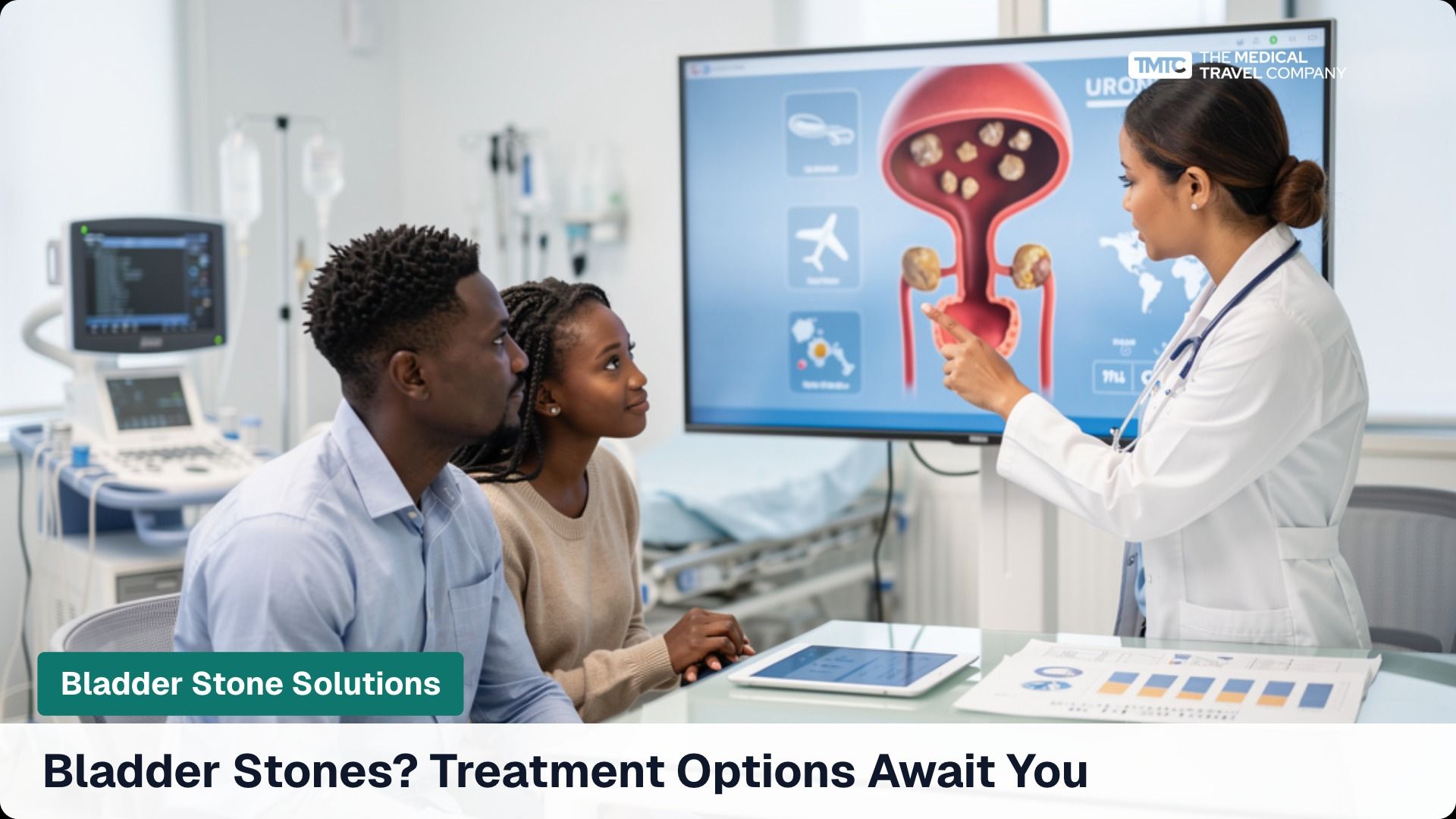
If you're dealing with painful urination, difficulty emptying your bladder, or frequent urges to urinate, you might be facing bladder stones. For many Ghanaian patients, these symptoms have become a daily struggle that affects quality of life and work productivity. While local treatment options exist, a growing number of patients are discovering that seeking bladder stone treatment abroad can provide access to world-class care, advanced technology, and often more affordable solutions.
The decision to travel for medical treatment isn't one to take lightly, but for bladder stone patients, it can mean the difference between continued discomfort and a complete return to normal life. Research from Ghana's leading medical institutions shows that urological conditions like bladder stones are increasingly common, yet access to specialized treatment remains limited in many areas.
Understanding Bladder Stones and Their Impact
Bladder stones form when minerals in your urine crystallize and clump together in the bladder. Unlike kidney stones that form in the kidneys and may pass through your system, bladder stones develop directly in the bladder and typically don't pass on their own. Studies from Korle-Bu Teaching Hospital reveal that urolithiasis affects a significant portion of the Ghanaian population, with many patients experiencing prolonged symptoms before receiving proper diagnosis and treatment.
The symptoms of bladder stones can significantly impact your daily routine. You might notice pain during urination, blood in your urine, or the feeling that you can't completely empty your bladder. Some patients describe a burning sensation or sharp pain in the lower abdomen. These symptoms tend to worsen over time if left untreated, which is why seeking prompt medical attention is essential.
Several factors contribute to bladder stone formation, including dehydration, urinary tract infections, and underlying conditions that prevent complete bladder emptying. In Ghana's climate, dehydration is particularly common, especially among those who work outdoors or don't have consistent access to clean water throughout the day.
Recognizing the Warning Signs
Common Bladder Stone Symptoms to Watch For
- Painful or burning sensation during urination
- Frequent urination, especially at night
- Difficulty starting urination or weak urine stream
- Blood in urine (may appear pink, red, or brown)
- Lower abdominal or pelvic pain
- Feeling of incomplete bladder emptying
- Cloudy or dark-colored urine
Why Ghanaian Patients Choose Treatment Abroad
The decision to seek bladder stone treatment abroad isn't just about finding a solution - it's about finding the right solution. Many Ghanaian patients report that local healthcare facilities, while providing essential care, may have limitations in terms of advanced equipment, specialized urologists, or reduced waiting times for procedures.
Access to World-Class Urology Care
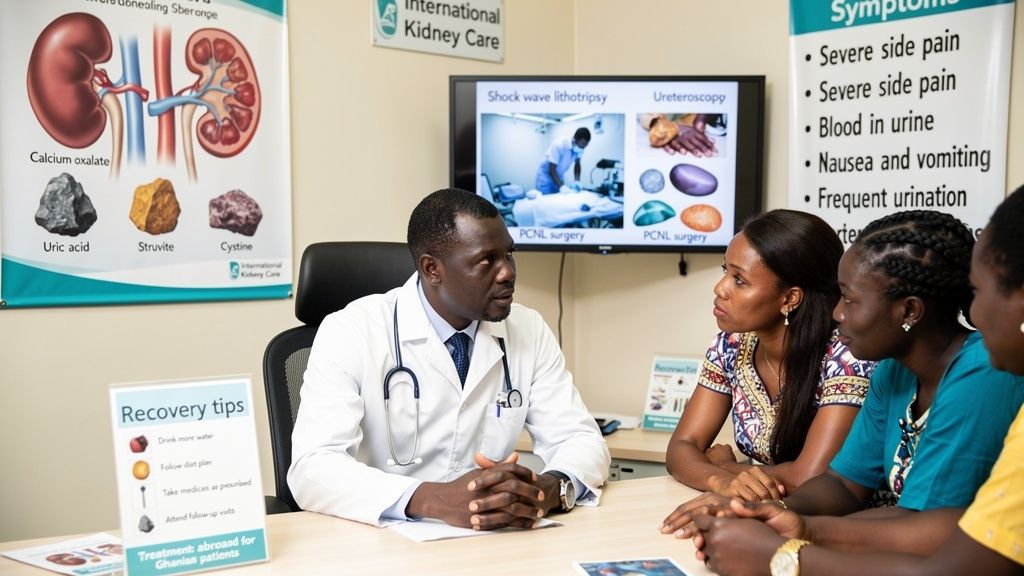
International medical centers often house specialized urology departments with consultants who've trained at institutions like University College London Hospitals. These facilities typically offer the latest in minimally invasive techniques, including advanced cystolitholapaxy procedures that can remove bladder stones through the urethra without making any external incisions.
Cost-Effective Treatment Options
While the initial thought of traveling abroad for treatment might seem expensive, many patients find that the total cost - including procedure, accommodation, and travel - is often comparable to or less than private treatment within Ghana. Additionally, the efficiency of treatment abroad means shorter recovery times and quicker return to work and daily activities.
| Treatment Aspect | Local Private Care | Treatment Abroad | Key Advantage |
|---|---|---|---|
| Consultation to Surgery Timeline | 2-6 months | 2-4 weeks | Faster access to care |
| Technology Available | Standard equipment | Latest minimally invasive tools | Better outcomes, less pain |
| Specialist Availability | Limited urologists | Dedicated urology teams | Expert-focused treatment |
| Recovery Support | Basic follow-up | Comprehensive care packages | Complete care journey |
| Total Treatment Cost | $3,000-5,000 | $2,500-4,500 | Often more affordable |
Top Destinations for Bladder Stone Treatment
When considering treatment abroad, three destinations consistently rank highest for Ghanaian patients seeking urological care: India, Turkey, and South Africa. Each offers unique advantages in terms of cost, accessibility, and quality of care.
India has emerged as a leading destination, with hospitals in cities like Delhi, Mumbai, and Bangalore offering comprehensive bladder stone treatment packages. These facilities often have English-speaking staff and are accredited by international bodies like the Joint Commission International. The country's medical tourism infrastructure is well-developed, with many hospitals offering dedicated international patient services.
Turkey provides another excellent option, particularly for patients who prefer shorter travel times from Ghana. Turkish hospitals have invested heavily in modern urology equipment and many surgeons have trained in European medical centers. The country's location makes it accessible while offering significant cost savings compared to European treatment.
South Africa appeals to many Ghanaian patients due to cultural similarities and the availability of direct flights from Accra. The country's private healthcare system is well-regarded, and many facilities cater specifically to patients from other African countries.
Understanding Treatment Costs Abroad
One of the most important factors in choosing treatment abroad is understanding the complete cost structure. The price you'll pay includes more than just the medical procedure - you need to consider travel, accommodation, meals, and any companion expenses.
| Country | Procedure Cost | Accommodation (per week) | Total Estimated Cost | Key Benefits |
|---|---|---|---|---|
| India | $1,500-2,500 | $200-400 | $2,200-3,500 | Lowest overall cost, excellent facilities |
| Turkey | $2,000-3,200 | $300-500 | $2,800-4,200 | Shorter travel, modern hospitals |
| South Africa | $2,200-3,500 | $350-600 | $3,000-4,600 | Cultural familiarity, direct flights |
| Thailand | $2,500-3,800 | $400-700 | $3,400-5,000 | Medical tourism excellence |
These costs typically include pre-operative consultations, the cystolitholapaxy procedure, post-operative care, and basic accommodation near the hospital. Many medical tourism companies offer package deals that can provide additional savings and peace of mind through coordinated care.
The Cystolitholapaxy Procedure Explained
Cystolitholapaxy is the most common procedure for removing bladder stones, and understanding what to expect can help reduce anxiety about the treatment. This minimally invasive procedure has revolutionized bladder stone treatment, offering patients a way to remove stones without major surgery.
What Happens During the Procedure
During cystolitholapaxy, your urologist inserts a thin, flexible tube called a cystoscope through your urethra and into your bladder. This tube has a tiny camera that allows the surgeon to see the stones clearly. Using specialized instruments, the surgeon breaks the stones into small fragments using laser energy, ultrasound, or mechanical devices, then removes the pieces through the same tube.
The entire procedure typically takes 30 to 90 minutes, depending on the size and number of stones. Most patients receive general anesthesia, though some smaller stones can be treated with local anesthesia. Because there are no external incisions, recovery is generally faster and less painful than traditional open surgery.
Research from Ghana's 37 Military Hospital demonstrates that modern lithotripsy techniques have high success rates and low complication rates when performed by experienced urologists.
Recovery and Post-Procedure Care
Recovery after bladder stone surgery is typically straightforward, with most patients returning to normal activities within a few days. You might experience some discomfort during urination for the first 24-48 hours, and your doctor will likely recommend drinking plenty of water to flush out any remaining stone fragments.
Most international hospitals provide comprehensive post-operative care, including pain management, dietary recommendations, and follow-up consultations before you return to Ghana. Many patients find that staying near the hospital for 3-5 days after the procedure provides additional peace of mind and ensures any complications can be addressed immediately.
Preparing for Treatment Abroad
Successful treatment abroad requires careful planning and preparation. The more organized you are before traveling, the smoother your medical journey will be.
Essential Pre-Travel Preparation Steps
- Obtain complete medical records and test results from your Ghanaian doctors
- Secure travel insurance that covers medical treatment abroad
- Apply for necessary visas (medical visa applications often process faster)
- Book accommodation near the hospital for easy access
- Arrange for a companion to travel with you for support
- Confirm all appointment times and hospital locations
- Pack comfortable clothing and any regular medications
When choosing a hospital abroad, look for facilities with international accreditation and positive reviews from other Ghanaian patients. Many patients find it helpful to connect with others who've undergone similar procedures through online forums or support groups.
For comprehensive care coordination, consider working with established medical tourism companies that specialize in urological treatments. These services can help arrange everything from airport pickup to follow-up care, ensuring you can focus entirely on your recovery.
Many Ghanaian patients share similar experiences of finding not just effective treatment abroad, but also discovering a level of specialized care that transformed their understanding of what medical treatment could be. The combination of advanced technology, experienced specialists, and comprehensive support services often exceeds expectations.
Patients frequently mention the relief of having dedicated time with urologists who specialize specifically in bladder stone treatment, rather than general practitioners who may see these cases less frequently. This specialized focus often translates into more effective treatment plans and better long-term outcomes.
Taking the Next Step Toward Treatment
If you're considering bladder stone treatment abroad, you're not alone in seeking the best possible care for your condition. The combination of advanced medical technology, specialist expertise, and often more affordable costs makes international treatment an increasingly attractive option for Ghanaian patients.
The key to a successful treatment experience abroad lies in thorough preparation and choosing the right medical partners. Research from African urology studies shows that patients who work with experienced medical tourism coordinators report higher satisfaction rates and better outcomes.
Remember that seeking treatment abroad doesn't mean you're giving up on local healthcare - it means you're expanding your options to find the most effective solution for your specific needs. Many patients maintain relationships with their Ghanaian doctors for ongoing care while accessing specialized procedures internationally.
Don't let bladder stones continue to impact your quality of life. Whether you're dealing with painful urination, frequent infections, or simply the worry about your condition worsening, exploring treatment options abroad could be the solution you've been seeking. With proper planning and the right medical team, you can look forward to returning home pain-free and ready to resume all the activities you've been missing.
References:
-
Analysis, treatment modality and demographic characteristics of urolithiasis patients visiting Korle-Bu Teaching Hospital in Ghana- Comprehensive study on urological conditions in Ghana
-
Urolithiasis and intracorporeal lithotripsy in 37 Military Hospital, Accra, Ghana- Research on stone treatment techniques and success rates
-
Surgical Management of Urolithiasis of the Upper Tract – Current Trend of Endourology in Africa- Overview of modern urological treatments in African healthcare systems
-
University College London Hospitals - Dr Trupti Patel- Information about specialist urological care and international medical standards
Related Articles

Ready to open the door to better health?