Bladder Cancer Treatment Abroad: A Complete Guide for Ghanaian Patients
Explore affordable bladder cancer treatment options abroad, including costs, survival rates, and recovery for Ghanaian patients.
Last Updated On 29 April 202610m


Medical professional with 10+ years’ experience in diagnosis, patient care, and clinical leadership.
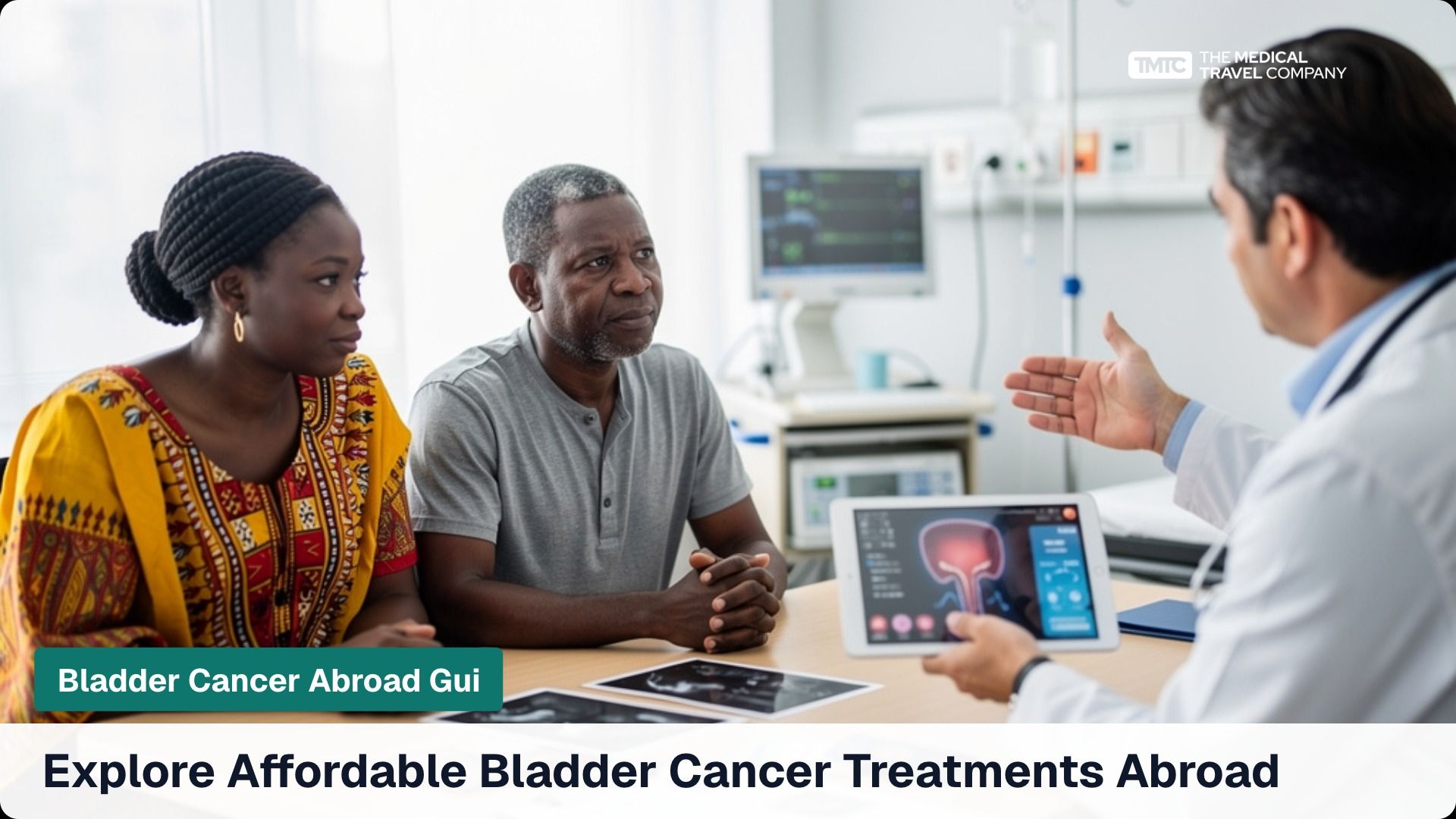
If you've been diagnosed with bladder cancer in Ghana, you're likely weighing your treatment options while considering costs, quality of care, and long-term outcomes. Many Ghanaian patients are discovering that seeking bladder cancer treatment abroad offers access to advanced medical technologies, expert oncologists, and often more affordable care than expected.
This guide explores everything you need to know about getting bladder cancer treatment abroad, from understanding costs and survival rates to planning your recovery. You'll discover why more patients are choosing international care and how to make an informed decision about your treatment journey.
Understanding bladder cancer and why early action matters
Bladder cancer develops when abnormal cells grow uncontrollably in the bladder lining. The most common type is transitional cell carcinoma, accounting for about 90% of cases. Less common types include squamous cell carcinoma and adenocarcinoma.
Recognizing early signs of bladder cancer can significantly impact your treatment outcomes. The most common warning sign is blood in your urine, which might appear bright red or cola-colored. You might also experience frequent urination, pain during urination, or feeling the need to urinate even when your bladder isn't full.
Other early signs include pelvic pain, back pain, and unexplained weight loss. If you're experiencing any of these symptoms, it's crucial to seek medical evaluation promptly. Early detection often leads to better treatment options and improved survival rates.
Cancer staging determines how far the disease has spread and guides treatment planning. Stage 0 and Stage I bladder cancers are confined to the inner layers of the bladder wall. Stage II has spread to the muscle layer, while Stage III involves nearby organs. Stage IV indicates the cancer has spread to distant parts of the body. Understanding your cancer stage helps you and your medical team choose the most appropriate treatment approach.
Why consider bladder cancer treatment abroad?
Ghana's healthcare system faces significant challenges in cancer care delivery. Research shows that cancer control in Ghana requires substantial improvements in infrastructure, specialized personnel, and treatment technologies to meet the growing demand for oncology services.
International treatment centers offer several advantages. You'll have access to cutting-edge technologies like robotic surgery systems, advanced imaging equipment, and precision medicine approaches. Many facilities abroad maintain international accreditations and follow global best practices for cancer care.
Cost-effectiveness is another compelling reason. While treatment abroad might seem expensive initially, the total cost often proves more affordable than expected, especially when you factor in the comprehensive care packages available. Countries like India and Turkey offer world-class oncology treatment at costs significantly lower than Western countries.
Personalized treatment plans are standard at leading international cancer centers. Your oncology team will develop a tailored approach based on your specific cancer type, stage, overall health, and personal preferences. This individualized care often leads to better outcomes and fewer side effects.
| Treatment Aspect | Ghana | International Centers |
|---|---|---|
| Wait times | Often extended | Typically immediate |
| Technology access | Limited | Latest equipment |
| Specialist availability | Few oncologists | Expert teams |
| Treatment options | Basic protocols | Advanced therapies |
| Support services | Limited | Comprehensive care |
Understanding bladder cancer treatment costs abroad
Bladder tumor surgery costs vary significantly depending on the procedure type and treatment location. A TURBT procedure, which removes tumors from the bladder wall, typically costs between $3,000-$8,000 in top international destinations like India or Turkey. This compares favorably to costs in Western countries, where the same procedure might cost $15,000-$30,000.
More extensive procedures like radical cystectomy, where the entire bladder is removed, range from $12,000-$25,000 abroad versus $50,000-$100,000 in countries like the US or UK. These procedures often include reconstruction surgery to create a new way for urine to exit your body.
Chemotherapy for bladder cancer costs depend on the specific drugs used and treatment duration. A typical chemotherapy course abroad might cost $5,000-$15,000, while the same treatment in Western countries could exceed $30,000. Many international centers offer package deals that include hospital stays, medications, and follow-up care.
Several factors influence your treatment costs. These include cancer stage, your overall health condition, the specific treatments required, and the hospital you choose. Advanced staging typically requires more intensive treatment, increasing overall costs. However, many international facilities offer transparent pricing and payment plans to help manage expenses.
Cost considerations for treatment abroad
- Research all-inclusive package deals that cover surgery, accommodation, and aftercare
- Compare costs between multiple countries and facilities
- Factor in travel expenses for you and your companion
- Understand what's included in quoted prices (medications, room type, follow-up visits)
- Investigate insurance coverage options for international treatment
- Ask about payment plans or financing options available
Bladder cancer survival rates and what they mean for you
Bladder cancer survival rates provide important context for treatment decisions. For early-stage bladder cancer (Stage 0 and I), five-year survival rates exceed 95% with proper treatment. Stage II bladder cancer has survival rates around 70-80%, while Stage III rates drop to 35-50%. Stage IV bladder cancer, where the disease has spread to distant organs, has five-year survival rates of about 5-15%.
These statistics highlight why early detection and prompt treatment are so crucial. The difference between Stage I and Stage III survival rates underscores the importance of acting quickly when symptoms appear.
Access to advanced treatment significantly affects survival outcomes. International cancer centers often achieve better results due to their use of latest technologies, experienced surgical teams, and comprehensive treatment protocols. Research from the National Cancer Institute emphasizes how advanced cancer technologies can improve outcomes in resource-limited settings.
Your individual prognosis depends on multiple factors beyond cancer stage. Age, overall health, response to treatment, and access to follow-up care all play important roles in your outcome. This is why choosing the right treatment center and maintaining consistent care is so important.
Planning your recovery after bladder cancer surgery
Recovery after bladder surgery varies depending on the procedure type. Less invasive procedures like TURBT typically require 1-2 weeks of recovery, while major surgeries like radical cystectomy need 6-8 weeks for initial healing. Your recovery timeline will depend on your overall health, age, and how well you follow post-surgery instructions.
Immediate post-surgery care focuses on managing pain, preventing complications, and monitoring healing progress. You'll likely have a catheter for several days or weeks, depending on your procedure. Hospital staff will teach you how to care for any surgical sites and recognize signs of potential complications.
Physical recovery involves gradually returning to normal activities. Most patients can resume light activities within a few weeks, but heavy lifting and strenuous exercise typically need to wait 6-8 weeks. Your surgical team will provide specific guidelines based on your procedure and healing progress.
Emotional recovery is equally important and often overlooked. Facing cancer and major surgery can trigger anxiety, depression, or fear about the future. Many international treatment centers offer counseling services and support groups to help you process these feelings and develop coping strategies.
Recovery preparation checklist
- Arrange for someone to assist with daily activities for the first 1-2 weeks
- Prepare your home for recovery (bathroom access, comfortable sleeping area)
- Stock up on prescribed medications and medical supplies
- Plan follow-up appointments with your treatment team
- Establish care coordination with local doctors in Ghana for ongoing monitoring
- Join support groups or counseling services for emotional support
Finding the right healthcare provider abroad
Choosing the right oncology treatment center requires careful research and consideration. Look for facilities with international accreditation from organizations like JCI (Joint Commission International) or similar bodies. These accreditations ensure the facility meets global standards for patient safety and care quality.
Research the experience and qualifications of your potential surgical team. Many top international cancer centers have surgeons trained at leading institutions worldwide. Look for teams that specialize specifically in bladder cancer treatment and have performed hundreds of procedures.
Consider the hospital's technology and treatment options. Leading facilities offer the latest surgical techniques, including robotic surgery, which often results in smaller incisions, less pain, and faster recovery times. They should also provide comprehensive support services like nutrition counseling, pain management, and psychological support.
Patient testimonials provide valuable insights into the actual experience of treatment. While every patient's journey is different, reading about others' experiences can help you understand what to expect and identify potential concerns to discuss with your treatment team.
For comprehensive cancer treatment for Ghana patients, consider facilities that offer coordinated care packages including pre-treatment evaluation, surgery, post-operative care, and follow-up planning. This integrated approach ensures continuity of care and better outcomes.
What this means for your treatment decision
Seeking bladder cancer treatment abroad represents a significant decision that can profoundly impact your health outcomes and quality of life. The combination of advanced medical technology, experienced specialists, and often more affordable costs makes international treatment an increasingly viable option for Ghanaian patients.
Remember that early action significantly improves your treatment options and outcomes. Don't let concerns about cost or logistics delay your treatment decision. Many international cancer centers offer comprehensive support services to help navigate the treatment process, from initial consultation through recovery and follow-up care.
The key to successful treatment abroad is thorough preparation and choosing the right healthcare partner. Research your options carefully, ask detailed questions about costs and treatment plans, and ensure you have a clear understanding of the entire process from consultation through recovery.
Your health is worth the investment in expert care. With proper planning and the right treatment team, bladder cancer treatment abroad can provide you with the best possible chance for a full recovery and return to normal life.
Take the next step in your treatment journey
Don't let bladder cancer define your future. Expert guidance and world-class care are available to help you overcome this challenge and reclaim your health. The sooner you explore your treatment options, the better your chances for a successful outcome.
If you're ready to explore bladder cancer treatment abroad, start by consulting with medical travel specialists who can connect you with leading oncology centers and help coordinate every aspect of your care. From initial evaluation through recovery planning, expert guidance ensures you receive the personalized treatment plan you deserve.
Your journey to recovery starts with a single step. Reach out today to learn more about your treatment options and take control of your health future. Remember, you have more options than you might realize, and expert help is available to guide you through every step of the process.
References:
- Cancer control in Ghana: A narrative review in global context- Analysis of cancer care challenges and opportunities in Ghana
- The NCI Center for Global Health's Affordable Cancer Technologies Program- Research on improving cancer care access in resource-limited settings
- 2018-2019 Global Oncology Survey of NCI-Designated Cancer Centers- International cancer care standards and practices
Related Articles

Ready to open the door to better health?