BPH Treatment Abroad for Zimbabwean Patients: Cost & Laser Surgery Options
Explore affordable BPH treatment options abroad for Zimbabwean patients, including laser surgery costs and recovery tips.
Last Updated On 29 April 20268m


Medical professional with 10+ years’ experience in diagnosis, patient care, and clinical leadership.
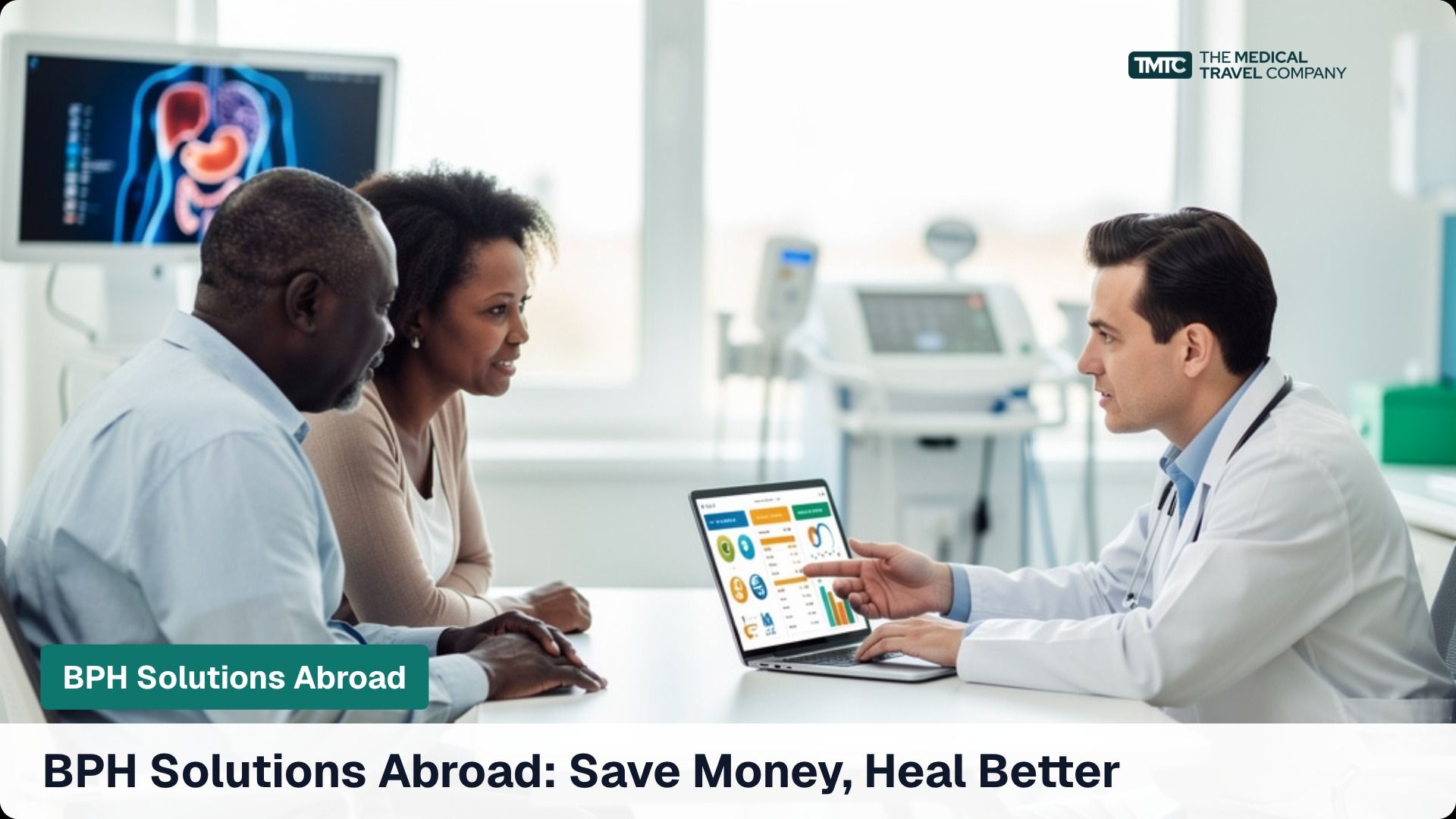
If you're dealing with frequent trips to the bathroom, weak urine flow, or that frustrating feeling that you can't completely empty your bladder, you're not alone. Benign prostatic hyperplasia or BPH affects millions of men worldwide, and while local treatment options exist, many Zimbabwean patients are discovering that seeking treatment abroad offers access to advanced procedures, world-class care, and significant cost savings.
Understanding BPH and Its Impact on Your Life
BPH is a non-cancerous enlargement of the prostate gland that affects about 50% of men in their 50s and up to 90% of men over 80. As your prostate grows larger, it squeezes the urethra and makes it harder for urine to pass through.
The symptoms of enlarged prostate can range from mildly annoying to severely disruptive. You might notice frequent urination, especially at night, a weak or interrupted urine stream, difficulty starting urination, or the feeling that your bladder isn't completely empty. These symptoms don't just affect your physical health - they can impact your sleep, work performance, and overall quality of life.
Many men delay seeking treatment, thinking these issues are just part of getting older. However, untreated BPH can lead to more serious complications like urinary tract infections, bladder stones, or even kidney damage. The good news is that effective BPH treatment options for UK Patients are available, and you don't have to suffer in silence.
Why Zimbabwean Patients Choose Treatment Abroad
Seeking BPH treatment abroad isn't just about cost savings - though that's certainly a significant factor. You're gaining access to cutting-edge technology, experienced specialists, and treatment protocols that might not be readily available locally.
International medical centres often use the latest laser technologies and minimally invasive techniques that reduce recovery time and improve outcomes. These facilities typically have shorter waiting times, allowing you to address your symptoms sooner rather than later. You'll also receive a personalised treatment plan tailored to your specific condition and lifestyle needs.
The cost difference can be substantial. While quality healthcare is valuable regardless of price, many Zimbabwean patients find that comprehensive BPH treatment abroad - including travel and accommodation - costs significantly less than private treatment locally, with access to superior technology and expertise.
BPH Treatment Options: From TURP to Laser Surgery
When medication isn't enough to manage your BPH symptoms, several surgical options can provide lasting relief. The choice depends on your prostate size, overall health, and personal preferences.
TURP Surgery: The Gold Standard
Transurethral resection of the prostate or TURP has been the standard surgical treatment for BPH for decades. During this procedure, your surgeon removes excess prostate tissue through the urethra using a special instrument called a resectoscope. TURP is highly effective, with most men experiencing significant symptom improvement.
Recovery from TURP typically takes 4-6 weeks, during which you'll need to avoid heavy lifting and strenuous activities. Most patients can return to normal activities within 2-3 weeks, though complete healing may take longer.
Laser Prostate Surgery: Modern Precision
Laser prostate surgery represents a more modern approach to treating BPH. Procedures like HoLEP (Holmium Laser Enucleation) and GreenLight laser therapy use focused laser energy to remove or vaporise excess prostate tissue with remarkable precision.
The main advantage of laser surgery is reduced bleeding and faster recovery times. Many patients can go home the same day or after just one night in hospital. The laser seals blood vessels as it works, making this option particularly suitable for men taking blood-thinning medications.
TURP vs Laser Surgery: Making the Right Choice
Both TURP and laser surgery are effective, but they each have distinct advantages. TURP remains excellent for larger prostates and provides tissue samples for pathological examination. Laser surgery offers quicker recovery, less bleeding, and is often better tolerated by older patients or those with medical conditions that increase surgical risk.
Your surgeon will consider factors like your prostate size, current medications, overall health, and personal preferences when recommending the best approach. Both procedures have high success rates, with most patients experiencing dramatic symptom improvement.
Cost Considerations for BPH Treatment Abroad
Understanding the financial aspects of treatment abroad helps you make an informed decision and plan accordingly. Costs vary depending on the procedure type, hospital facilities, and destination country.
TURP surgery abroad typically ranges from $3,000 to $8,000, while laser prostate surgery costs between $4,000 to $12,000. These figures usually include the procedure, hospital stay, and initial follow-up care. By comparison, similar treatments in private facilities locally often cost significantly more.
Several factors influence the total cost of your treatment. The surgeon's experience and reputation, hospital accreditation and facilities, length of stay required, and additional services like airport transfers or accommodation packages all affect the final price. Don't forget to factor in travel costs, visa fees if required, and any medications you'll need during recovery.
Many international medical centres offer package deals that include everything from your initial consultation to post-operative care. These comprehensive packages often provide better value and peace of mind, as all costs are transparent upfront.
Recovery and Aftercare: What to Expect
Understanding the recovery process helps you prepare properly and set realistic expectations for your return to normal activities.
Immediately after surgery, you'll have a catheter to drain urine while your prostate heals. This typically stays in place for 1-3 days depending on the procedure type. You might notice blood in your urine for several weeks - this is normal and gradually improves.
Most patients can travel home 3-5 days after surgery, though your medical team will confirm you're ready for the journey. You'll need to avoid heavy lifting, driving, and strenuous exercise for 4-6 weeks. Many men return to desk work within 1-2 weeks, while physical jobs may require longer time off.
Frequent urination treatment options during recovery include prescribed medications and lifestyle adjustments. Your doctor might recommend specific exercises, dietary changes, or medications to help manage any temporary urinary symptoms as you heal.
Follow-up care is crucial for optimal outcomes. While you'll receive immediate post-operative care abroad, arrange for local follow-up with a urologist at home. Most international centres provide detailed reports and can communicate directly with your local doctor to ensure continuity of care.
Surgery vs Medication: Making the Right Decision
The choice between medication and surgery isn't always straightforward. Several factors help determine which approach is right for your situation.
Consider surgery when medications aren't providing adequate relief, you're experiencing recurrent urinary tract infections, or you have bladder stones or kidney problems related to BPH. Surgery is also recommended if you're unable to urinate completely or if blood in your urine persists despite medical treatment.
Medication might be sufficient if your symptoms are mild to moderate and manageable with lifestyle changes. Alpha-blockers help relax prostate muscle fibres, while 5-alpha reductase inhibitors can shrink the prostate over time. However, medications require ongoing use and may have side effects.
The medication vs surgery BPH decision often comes down to symptom severity, your age and overall health, personal preferences about ongoing medication use, and how much your symptoms affect your quality of life. Many men find that surgery provides more definitive, long-lasting relief compared to medication management.
"I was hesitant about having surgery abroad, but the experience exceeded my expectations. The medical team was exceptional, and I received personalised treatment that addressed all my concerns. Six months later, I feel like I have my life back." — James M., BPH patient
Taking Your Next Steps Toward Treatment
Starting your BPH treatment journey abroad begins with a comprehensive consultation and assessment. This initial evaluation determines the best treatment approach for your specific situation.
A thorough pre-treatment assessment includes reviewing your medical history, current medications, and symptom severity. You'll typically undergo blood tests, urine analysis, and imaging studies to evaluate your prostate size and overall urinary system health. This information helps your medical team create a personalised treatment plan.
Working with experienced medical coordinators makes the entire process smoother. They'll help you understand your options, coordinate appointments, arrange travel logistics, and ensure you have all necessary documentation. Many facilities also provide translation services if needed.
The key to a successful treatment experience is choosing the right medical centre and surgeon. Look for facilities with international accreditation, experienced urologists who specialise in BPH treatment, and comprehensive support services for international patients. Reading patient testimonials and understanding treatment options can help you make an informed decision.
Don't let BPH symptoms continue to impact your quality of life. With accessible, affordable treatment options abroad, you can access world-class care and get back to living life on your terms. The combination of advanced medical technology, experienced specialists, and cost-effective care makes treatment abroad an increasingly popular choice for Zimbabwean patients seeking relief from BPH symptoms.
References
This article was written based on general medical knowledge and publicly available information about BPH treatment options. For specific medical advice, please consult with qualified healthcare professionals.
Related Articles

Ready to open the door to better health?