Affordable Kidney Stone Removal Abroad for Zimbabwean Patients: Cost, Recovery & Expert Guidance
Explore affordable kidney stone removal abroad with world-class care for Zimbabwean patients. Learn about costs, recovery, and expert options.
Last Updated On 29 April 202611m


Medical professional with 10+ years’ experience in diagnosis, patient care, and clinical leadership.
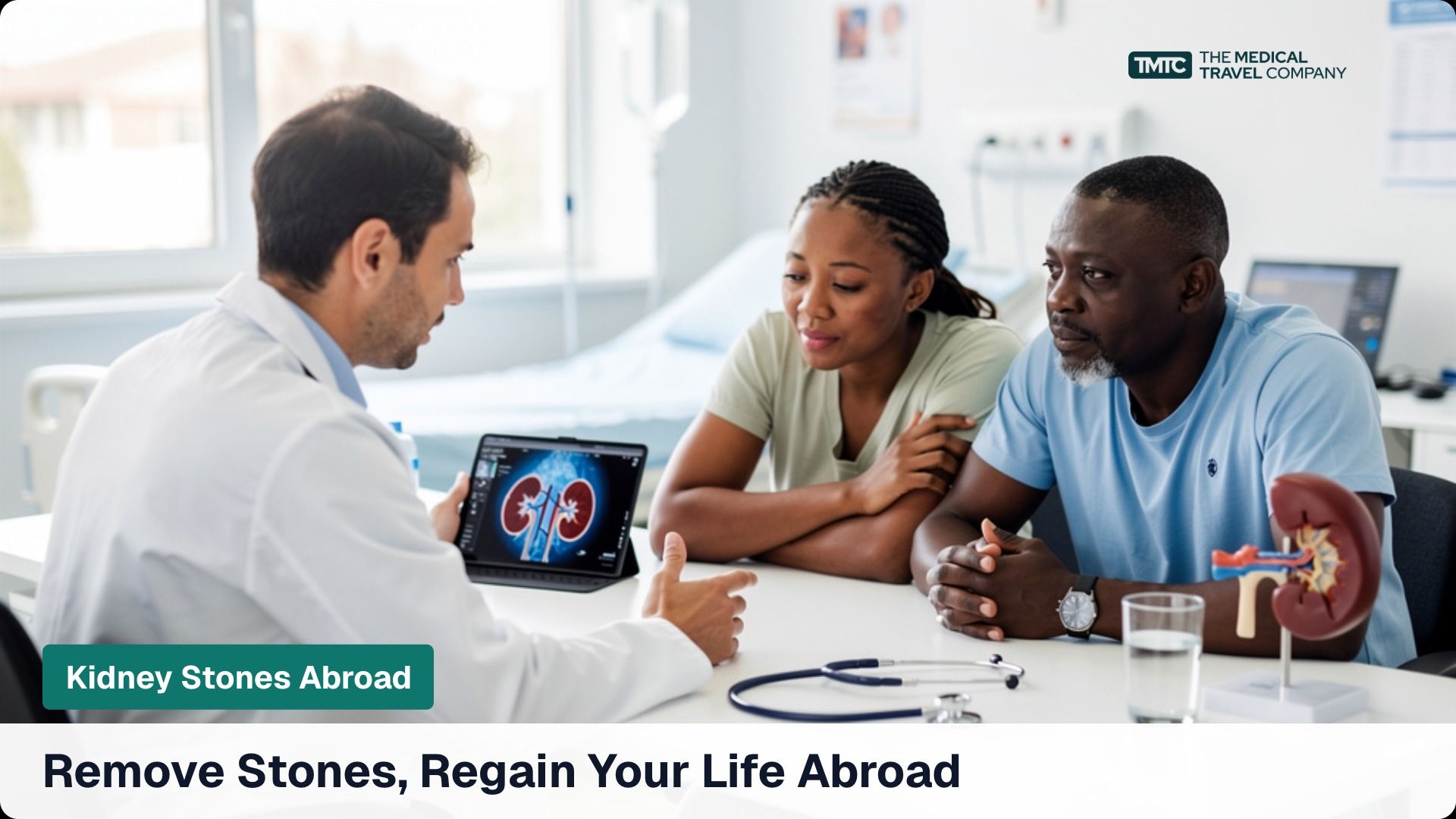
When severe kidney stone pain strikes, finding the right treatment quickly becomes your top priority. For many Zimbabwean patients, the combination of limited local options and high costs can make effective kidney stone removal feel out of reach. However, seeking kidney stone removal abroad offers a compelling solution that combines world-class medical expertise with significant cost savings.
Medical tourism has opened doors to advanced urological treatments at a fraction of local costs. Countries like India, Thailand, and Turkey now provide internationally accredited facilities with experienced urologists who specialize in modern kidney stone procedures. You'll find that these destinations offer the same cutting-edge technology and expertise available in Western countries, but at prices that won't break your budget.
Understanding Kidney Stones and When Surgery Becomes Necessary
Kidney stones are hard deposits of minerals and salts that form inside your kidneys. They develop when your urine contains more crystal-forming substances like calcium, oxalate, and uric acid than your urine can dilute. These stones can range from tiny grains to golf ball-sized masses that cause excruciating pain.
The symptoms of kidney stones often include sharp pain in your side and back below the ribs, pain that radiates to your lower abdomen and groin, and pain that comes in waves with varying intensity. You might also experience painful urination, pink or brown-colored urine, and nausea with vomiting. If you're experiencing severe pain that prevents you from sitting still, fever and chills alongside pain, or blood in your urine, it's time to seek immediate medical attention.
While smaller stones often pass naturally with increased fluid intake and pain management, larger stones typically require surgical intervention. Stones larger than 4mm rarely pass on their own and can cause complications like kidney damage or severe infections if left untreated.
Why Zimbabwean Patients Choose Treatment Abroad
The decision to seek kidney stone surgery abroad isn't just about cost savings, though that's certainly a major factor. Many Zimbabwean patients find that international medical centers offer several compelling advantages over local options.
Access to Advanced Technology
Leading international hospitals invest heavily in the latest urological equipment. You'll have access to advanced laser technology for precise stone fragmentation, high-definition imaging systems for accurate diagnosis, and minimally invasive techniques that reduce recovery time. These technologies might not be readily available in Zimbabwe's healthcare system.
Significant Cost Savings
The cost difference can be substantial. While kidney stone removal in Western countries might cost $10,000-$20,000, you can receive the same quality treatment in countries like India or Thailand for $2,000-$5,000, including travel expenses. This represents savings of 70-80% compared to private healthcare costs in developed countries.
| Country | Laser Lithotripsy Cost | ESWL Cost | Ureteroscopy Cost |
|---|---|---|---|
| India | $1,500-$3,000 | $800-$1,500 | $2,000-$4,000 |
| Thailand | $2,000-$4,000 | $1,000-$2,000 | $2,500-$5,000 |
| Turkey | $2,500-$4,500 | $1,200-$2,200 | $3,000-$5,500 |
| USA (comparison) | $8,000-$15,000 | $4,000-$8,000 | $10,000-$20,000 |
Top Destinations for Kidney Stone Treatment
Several countries have established themselves as leading medical tourism destinations for urological procedures. Each offers unique advantages depending on your specific needs and preferences.
India: Excellence and Affordability Combined
India leads the world in medical tourism for good reason. The country's top hospitals like Apollo, Fortis, and Max Healthcare maintain international accreditation standards while offering treatments at extremely competitive prices. Many Indian urologists have trained in Western countries and bring that expertise back to modern facilities equipped with the latest technology.
Thailand: Premium Care in a Comfortable Setting
Thai hospitals like Bumrungrad and Bangkok Hospital have built reputations for combining medical excellence with exceptional patient care. The country's focus on medical tourism means you'll find English-speaking staff, comfortable facilities, and streamlined processes for international patients. The slightly higher costs compared to India often reflect the premium service experience.
Turkey: European Standards at Asian Prices
Turkey's strategic location between Europe and Asia has made it a popular destination for African patients seeking advanced medical care. Turkish hospitals follow European medical standards and many doctors speak English fluently. Cities like Istanbul and Ankara offer world-class medical facilities with the added benefit of rich cultural experiences during recovery.
Factors to Consider When Choosing Your Destination
- Hospital accreditation from international bodies (JCI, NABH)
- Surgeon's experience and specialization in kidney stone procedures
- Language barriers and availability of translation services
- Total treatment package costs including accommodation
- Flight accessibility and travel time from Zimbabwe
- Post-operative care and follow-up arrangements
Modern Kidney Stone Removal Procedures
Today's kidney stone treatments are far less invasive than the open surgeries of the past. Modern procedures focus on breaking down or removing stones with minimal impact on surrounding tissue, leading to faster recovery times and better outcomes.
Laser Kidney Stone Treatment: Precision Technology
Laser lithotripsy uses focused laser energy to break kidney stones into tiny fragments that can pass naturally through your urinary system. The procedure involves inserting a thin scope through your urethra and bladder to reach the stone directly. The laser's precision allows surgeons to target stones while protecting surrounding tissue.
This technique works particularly well for harder stones that don't respond to shock wave therapy. Recovery time is typically 1-2 days, and most patients return to normal activities within a week. The success rate for complete stone removal exceeds 95% in experienced hands.
ESWL vs Laser Treatment: Understanding Your Options
Extracorporeal Shock Wave Lithotripsy (ESWL) uses sound waves to break stones from outside your body. It's less invasive than laser treatment but works best on certain types of stones in specific locations. ESWL typically requires multiple sessions and works better on smaller, softer stones.
Laser treatment offers more precision and higher success rates, especially for larger or harder stones. While slightly more invasive, it often provides a definitive solution in a single procedure. Your urologist will recommend the best approach based on your stone's size, location, and composition.
Ureteroscopy Procedure: Direct Stone Removal
Ureteroscopy involves using a thin telescope to locate and remove stones directly from your ureter or kidney. This procedure allows surgeons to see stones clearly and either remove them whole or break them up using laser energy. It's particularly effective for stones located in the ureter or lower part of the kidney.
The procedure typically takes 30-60 minutes and is performed under general anesthesia. Most patients go home the same day or after an overnight stay. Recovery involves drinking plenty of fluids and avoiding strenuous activity for about a week.
Recovery After Kidney Stone Surgery
Your recovery experience will depend on the specific procedure and your overall health, but most modern kidney stone surgeries involve relatively quick healing periods compared to traditional open surgery.
What to Expect in the First Few Days
Immediately after surgery, you might experience mild pain or burning during urination, which is normal and typically resolves within 2-3 days. Your urine may appear pink or light red for the first day or two as small amounts of blood clear from your system. Drinking extra water helps flush any remaining stone fragments and reduces discomfort.
Most patients can return to light activities within 2-3 days and resume normal work within a week. However, you should avoid heavy lifting or strenuous exercise for about two weeks to allow complete healing. If you have a stent placed during surgery, it's typically removed 1-2 weeks later in a simple office procedure.
Diet for Kidney Stone Prevention During Recovery
Your diet plays a crucial role in preventing future kidney stones while your body heals. The most important step is increasing your fluid intake to at least 2-3 liters of water daily. This helps flush your urinary system and prevents new stone formation.
Limit sodium intake to less than 2,300mg daily, as excess salt increases calcium in your urine. Reduce animal protein consumption and increase your intake of citrus fruits, which contain natural citrate that helps prevent stone formation. Contrary to popular belief, you don't need to eliminate calcium from your diet - in fact, adequate calcium intake can help prevent certain types of stones.
Essential Recovery and Prevention Steps
- Drink 8-10 glasses of water daily, more in hot weather
- Take prescribed medications exactly as directed
- Attend all follow-up appointments with your urologist
- Monitor urine color - aim for light yellow or clear
- Avoid high-sodium processed foods and excessive protein
- Include citrus fruits and vegetables in your daily diet
- Contact your doctor if you experience severe pain or fever
Real Patient Experiences from Zimbabwe
Many Zimbabwean patients have successfully undergone kidney stone removal abroad, finding relief from chronic pain while saving significant money compared to private treatment options in other countries.
Patient Success StoryI suffered with kidney stones for months before deciding to travel to India for treatment. The entire experience exceeded my expectations - from the initial consultation to the follow-up care. The laser procedure was completed in just 45 minutes, and I was back home in Zimbabwe within a week, completely stone-free. The cost was less than what I would have paid for basic treatment locally, and the quality of care was exceptional. — Sarah M., Harare
Another patient, James K. from Bulawayo, shared his experience with ureteroscopy in Thailand: "The hospital staff spoke excellent English, and the facilities were more modern than anything I'd seen in Zimbabwe. My surgeon explained every step of the process, and I felt completely confident in his expertise. The recovery was smooth, and I haven't had any stone problems since the surgery two years ago."
Planning Your Treatment Journey
Successfully organizing kidney stone treatment abroad requires careful planning and coordination. The process typically begins with a thorough medical evaluation to determine the best treatment approach for your specific situation.
Initial Consultation and Medical Records
Start by gathering all your medical records, including recent imaging studies like CT scans or ultrasounds that show your kidney stones. Most international hospitals offer remote consultations where you can discuss your case with a urologist before traveling. This initial consultation helps determine the most appropriate treatment and provides accurate cost estimates.
During this process, you'll receive a personalized treatment plan that outlines the recommended procedure, expected length of stay, and total costs. Many hospitals also provide assistance with visa requirements, airport transfers, and accommodation arrangements to ensure a seamless experience.
If you're considering other surgical procedures, facilities that offer comprehensive care often provide excellent options. For example, patients who need both urological and orthopedic treatments might explore knee replacement surgery at the same destination to maximize their medical tourism investment.
Preparing for Surgery Abroad
Preparation involves both medical and practical considerations. Ensure you have adequate travel insurance that covers medical procedures abroad, though many patients find the total costs including insurance still represent significant savings. Plan to arrive 1-2 days before your procedure to allow for pre-operative assessments and to adjust to the new environment.
Arrange for a companion to travel with you if possible, especially during the first few days of recovery. While most kidney stone procedures are minimally invasive, having support makes the experience more comfortable and provides peace of mind for both you and your family back home.
Expert Guidance Makes the DifferenceAt TMTC, we understand that choosing to seek medical treatment abroad represents a significant decision for you and your family. Our experienced team provides comprehensive support throughout your entire journey - from initial consultation through post-operative care coordination. We work exclusively with internationally accredited facilities and board-certified specialists to ensure you receive world-class care while achieving substantial cost savings. Every treatment plan is personally tailored to your specific needs and medical requirements.
The decision to seek kidney stone removal abroad can transform your health while providing significant financial relief. With proper planning and expert guidance, you can access the same advanced treatments available in developed countries at a fraction of the cost. The combination of modern medical technology, experienced specialists, and comprehensive care packages makes medical tourism an increasingly attractive option for Zimbabwean patients facing kidney stone challenges.
Don't let kidney stone pain control your life when effective, affordable solutions are within reach. By choosing kidney stone removal abroad, you're investing in both your immediate relief and long-term health while making a financially sound decision for your family's future.
References
- World Health Organization - Guidelines for medical tourism and cross-border healthcare
- International Association for Medical Assistance to Travellers - Medical tourism safety standards
- Journal of Urology - Comparative studies on kidney stone treatment outcomes
- Medical Tourism Association - Cost comparison studies for urological procedures
Related Articles



Ready to open the door to better health?