Bladder Cancer Treatment Abroad for Zimbabwean Patients: Costs & Survival Insights
Discover affordable bladder cancer treatment abroad for Zimbabwean patients. Learn about costs, survival rates, and personalized care options.
Last Updated On 29 April 20269m

Medical professional with 10+ years’ experience in diagnosis, patient care, and clinical leadership.
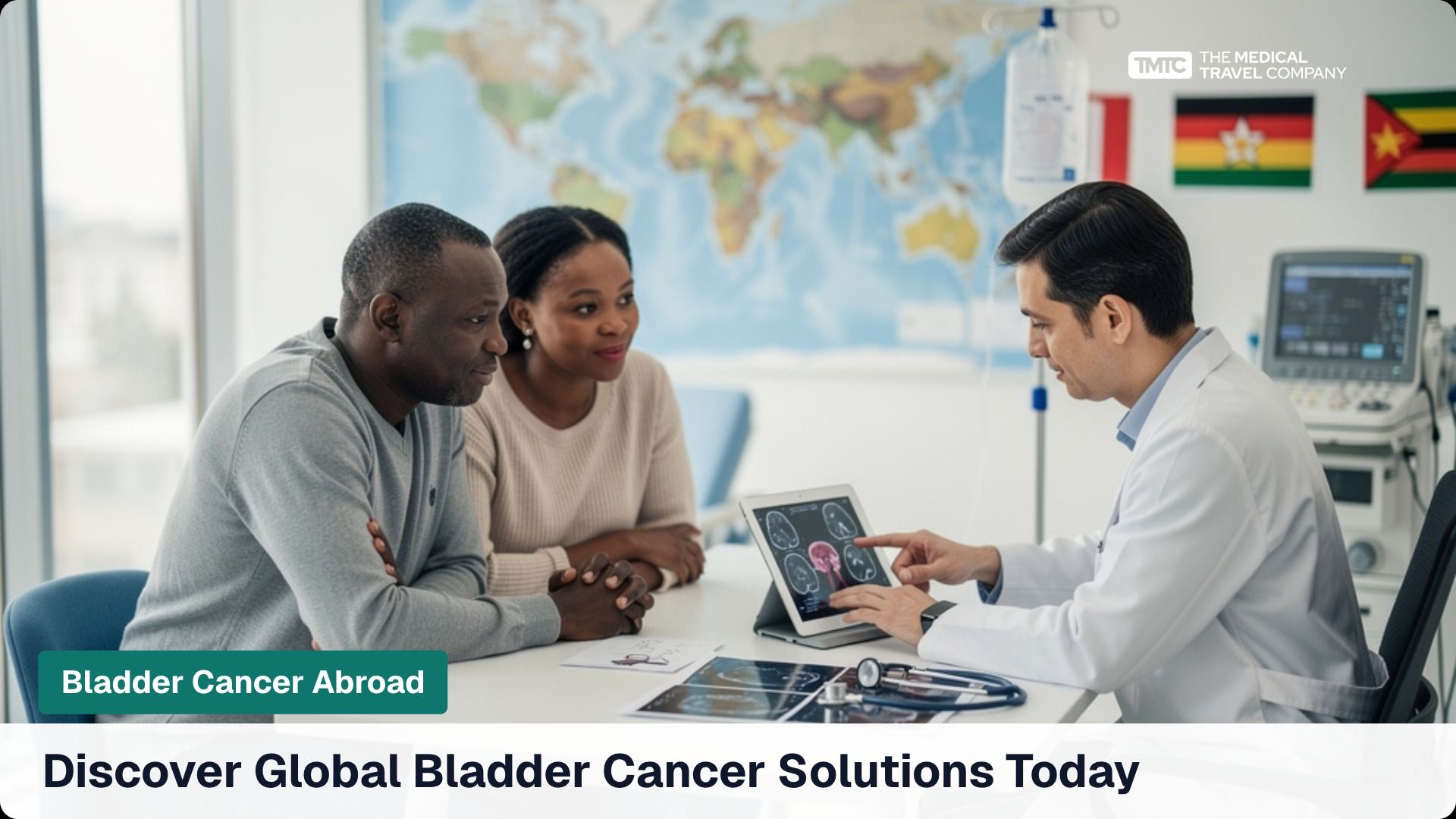
When you're facing a bladder cancer diagnosis in Zimbabwe, the path forward can feel overwhelming. Limited local treatment options, long waiting times, and concerns about quality of care often push patients to consider treatment abroad. This isn't just about accessing better facilities – it's about giving yourself the best possible chance for recovery and survival.
Thousands of Zimbabwean patients have found hope through world-class care in countries like India, Turkey, and Thailand. These destinations offer advanced medical technology, experienced oncologists, and significantly lower costs than Western countries. Most importantly, they provide immediate access to treatment when time matters most.
Why Consider Treatment Abroad for Bladder Cancer?
The reality of bladder cancer care in Zimbabwe presents several challenges that make international treatment an attractive option. Public healthcare facilities often lack the specialized equipment needed for advanced bladder cancer procedures, while private options remain financially out of reach for many families.
Treatment abroad offers access to cutting-edge technologies like robotic-assisted surgery, advanced imaging systems, and personalized chemotherapy protocols. Countries like India have world-renowned cancer centers that see thousands of international patients annually, with survival rates comparable to top Western hospitals.
Beyond medical advantages, seeking bladder cancer treatment abroad often means faster treatment initiation. While you might wait months for specialized care locally, international hospitals can often schedule your treatment within 2-3 weeks of consultation.
Understanding Bladder Cancer Treatment Costs Abroad
Cost is often the primary concern for Zimbabwean families considering treatment abroad. The good news is that quality bladder cancer care in top medical tourism destinations costs significantly less than equivalent treatment in Europe or North America.
TURBT Procedure Costs and Options
Transurethral resection of bladder tumor, or TURBT, is typically the first treatment for bladder cancer. In India, this procedure costs between $2,000-4,000, including hospital stay and initial follow-up. This represents roughly 60-70% savings compared to similar procedures in Western countries.
The procedure involves removing cancerous tissue through the urethra without making external incisions. Recovery time is usually 1-2 weeks, making it possible for patients to return home relatively quickly while maintaining quality of care standards.
Advanced Surgery and Chemotherapy Costs
For more advanced bladder cancer requiring radical cystectomy (complete bladder removal), costs range from $8,000-15,000 in leading international hospitals. This includes the surgery, bladder reconstruction, hospital stay, and immediate post-operative care.
Chemotherapy for bladder cancer abroad typically costs $1,500-3,000 per cycle, depending on the specific drugs used and treatment duration. Many hospitals offer package deals that include accommodation, meals, and local transportation, making budgeting more predictable for families.
| Treatment Type | Cost Range (USD) | Duration | Success Rate |
|---|---|---|---|
| TURBT Procedure | $2,000-4,000 | 3-5 days | 85-90% |
| Partial Cystectomy | $6,000-10,000 | 7-10 days | 75-85% |
| Radical Cystectomy | $8,000-15,000 | 14-21 days | 60-75% |
| Chemotherapy (per cycle) | $1,500-3,000 | 1-3 days | Varies |
| Immunotherapy | $2,000-4,000 | 1-2 days | 40-60% |
Bladder Cancer Survival Rates: What the Data Shows
Understanding survival rates helps you make informed decisions about your treatment journey. The timing and quality of treatment significantly impact your long-term outlook, which is why many Zimbabwean patients choose not to delay care by seeking treatment abroad.
Early-stage bladder cancer (stages 0 and 1) has excellent survival rates when treated promptly. The 5-year survival rate for stage 1 bladder cancer is approximately 88%, while stage 2 drops to about 63%. This dramatic difference underscores the importance of early detection and immediate treatment.
International cancer centers often achieve better outcomes due to their experience with complex cases and access to the latest treatment protocols. Many hospitals treating international patients maintain survival statistics at or above global standards, giving you confidence in your treatment choice.
Factors That Improve Your Survival Odds
- Early detection and prompt treatment initiation
- Access to multidisciplinary cancer care teams
- Personalized treatment plans based on cancer staging
- Advanced surgical techniques and technology
- Comprehensive follow-up care and monitoring
- Nutritional support and rehabilitation services
The key message here is that survival rates improve dramatically with quality care and early intervention. This is particularly relevant for Zimbabwean patients who might face delays in the local healthcare system, as early treatment significantly impacts outcomes across all urological cancers.
Recovery After Bladder Surgery: What to Expect
Recovery timelines vary significantly depending on the type of bladder surgery you undergo. Understanding what lies ahead helps you plan your stay abroad and prepare your support system back home.
For TURBT procedures, most patients can return to normal activities within 2-3 weeks. You'll need to avoid heavy lifting and strenuous activities initially, but can typically travel home within a week of surgery. International hospitals usually provide detailed recovery guidelines and 24/7 support during your stay.
Radical cystectomy involves a longer recovery period of 6-8 weeks for full healing. However, you can usually travel home after 2-3 weeks with proper medical clearance. Many patients choose to stay an extra week for additional monitoring and peace of mind before returning to Zimbabwe.
Recovery after bladder surgery also involves adapting to changes in urination patterns. If you've had a complete bladder removal, you'll need to learn to manage a urinary diversion system. International hospitals excel at providing comprehensive education and support during this adjustment period.
Follow-up Care Considerations
One crucial aspect of successful cancer treatment is ongoing follow-up care. Many international hospitals now offer telemedicine consultations, allowing you to maintain contact with your treating oncologist after returning home. This continuity of care is particularly valuable for monitoring cancer recurrence.
Your international medical team will coordinate with local physicians in Zimbabwe to ensure seamless follow-up care. This might include sharing detailed treatment records, imaging results, and specific protocols for ongoing monitoring and maintenance therapy.
Choosing the Right International Treatment Center
Selecting the right hospital abroad requires careful consideration of several factors beyond just cost. The quality of care, experience with international patients, and available support services all play crucial roles in your treatment success.
Look for hospitals with specific accreditation from international bodies like JCI (Joint Commission International) or NABH (National Accreditation Board for Hospitals). These accreditations ensure the facility meets global standards for patient safety and quality of care.
Experience matters significantly in cancer care. Choose centers that handle a high volume of bladder cancer cases annually and have dedicated uro-oncology departments. Many leading hospitals in India, for instance, treat hundreds of international bladder cancer patients each year.
Support services for international patients are equally important. This includes assistance with visa processing, airport transfers, accommodation arrangements, and language interpretation services. The best medical tourism facilitators provide comprehensive support from initial consultation through recovery and return home.
Patient ExperienceOur personalized treatment plans ensure each patient receives world-class care tailored to their specific condition and needs. We've helped thousands of African patients access affordable, life-saving cancer treatments with excellent outcomes and seamless experiences throughout their medical journey.
Preparing for Your Medical Journey
Proper preparation can make the difference between a stressful experience and a smooth healing journey. Start by gathering all your medical records, including biopsy reports, imaging studies, and any previous treatment documentation. International hospitals need this information to develop your personalized treatment plan.
Visa requirements vary by destination country, but medical visas are typically processed faster than tourist visas. Many medical tourism companies assist with visa applications and can provide the necessary documentation from the hospital to support your application.
Consider bringing a family member or friend as a caregiver, especially for major surgeries. Most medical tourism destinations for Kenyans offer companion accommodations and support services to ensure your loved one can assist with your care and recovery.
Financial Planning and Insurance Options
While treatment abroad often costs less than local private care, it still represents a significant investment. Many families benefit from exploring various financing options and insurance coverage possibilities.
Some international insurance policies cover treatment abroad, especially when local options are limited or unavailable. Check with your insurance provider about coverage for medically necessary treatment outside Zimbabwe. Even partial coverage can significantly reduce out-of-pocket expenses.
Many hospitals offer payment plans or work with medical financing companies to help spread costs over time. Some medical tourism facilitators also provide financing options or can connect you with organizations that assist cancer patients with treatment costs.
Don't overlook the potential for fundraising within your community. Many Zimbabwean families successfully raise funds for medical treatment abroad through church groups, community organizations, and online crowdfunding platforms. The key is starting early and being transparent about your needs.
Taking the Next Step in Your Treatment Journey
The decision to seek bladder cancer treatment abroad represents hope and proactive healthcare management. With careful planning and the right support, you can access world-class care that significantly improves your chances of successful recovery and long-term survival.
Time is often critical in cancer treatment, so don't delay in exploring your options. Many international hospitals provide free initial consultations and treatment estimates, allowing you to make informed decisions about your care without financial commitment.
Remember that seeking treatment abroad doesn't mean leaving your support system behind. The best medical tourism companies maintain communication with your family throughout your treatment and help coordinate your care with local physicians upon your return to Zimbabwe.
Your health is your most valuable asset, and investing in quality cancer care abroad can provide you with the expert guidance and advanced treatment options needed for the best possible outcome. Take the first step by reaching out for a personalized consultation to discuss your specific situation and explore your treatment options.
References
While this article provides general information about bladder cancer treatment abroad, specific medical decisions should always be made in consultation with qualified healthcare professionals who can assess your individual situation and provide personalized recommendations based on your specific diagnosis and overall health condition.
Related Articles

Ready to open the door to better health?