IVF Success Factors: The Vital Role of Aftercare and Support
Discover why IVF success isn't just about treatment. Explore the importance of aftercare and support in maximizing your journey to parenthood.
Last Updated On 17 April 20269m


Medical professional with 10+ years’ experience in diagnosis, patient care, and clinical leadership.
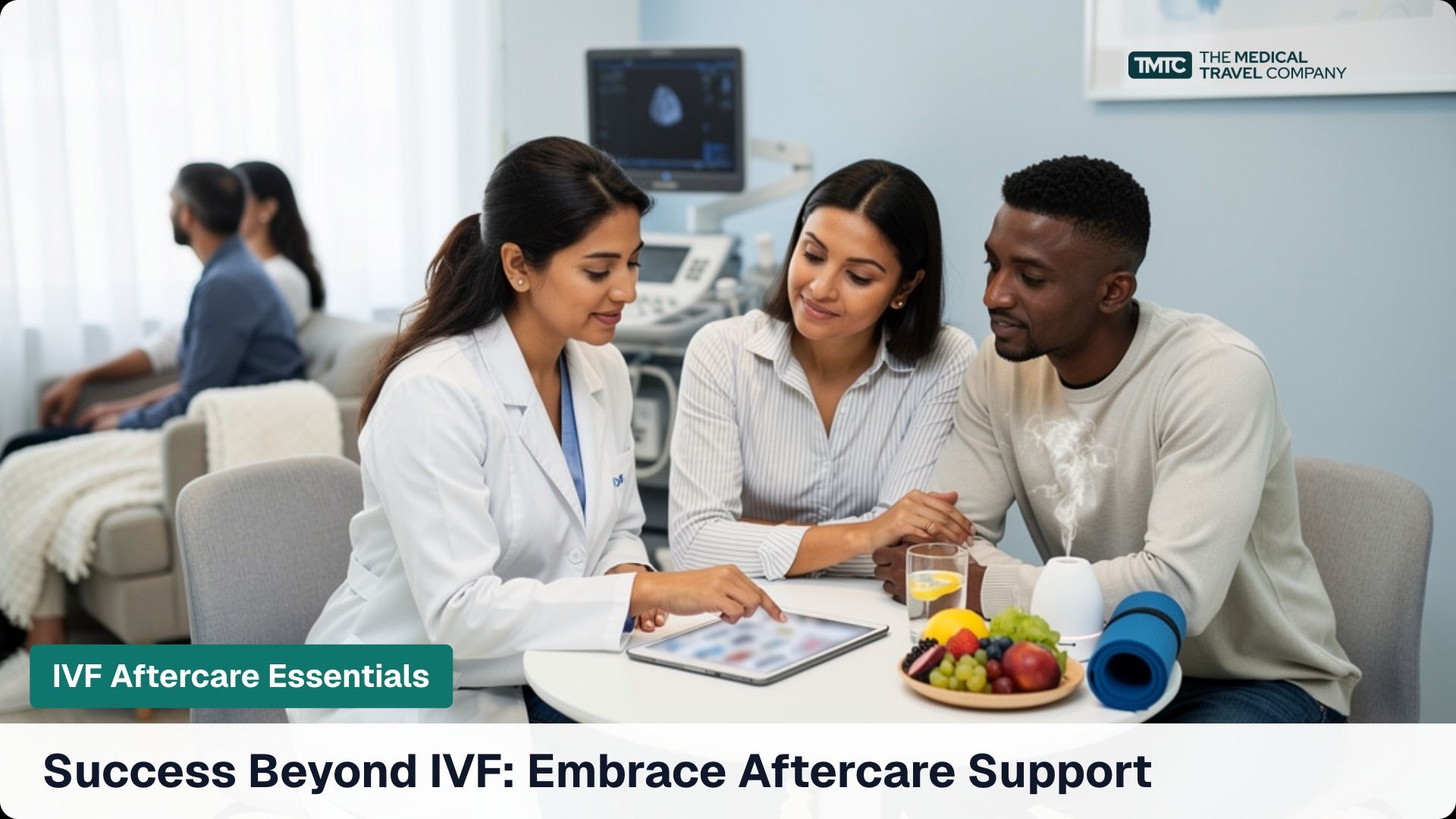
When you're going through IVF, it's natural to focus intensely on the medical procedures, hormone injections, and clinic visits. But here's what many couples don't realize: your journey doesn't end when you leave the treatment room. The weeks and months following your IVF cycle can be just as important for your success as the treatment itself.
What Really Determines IVF Success?
IVF success isn't just about the quality of your clinic or the expertise of your doctor, though these certainly matter. Multiple factors work together to influence your chances of achieving a healthy pregnancy and baby.
Understanding Success Rates Beyond the Numbers
According to recent data, IVF success rates in 2025 are reaching promising new heights, with technology and medical expertise continuing to evolve. However, these statistics only tell part of the story.
Your individual success depends on factors like your age, overall health, the cause of infertility, and critically, how well you care for yourself throughout the process. Research shows that predictors of success after in vitro fertilization extend far beyond what happens in the laboratory.
For couples considering treatment, understanding IVF options for Uganda couples or exploring IVF treatments available to Kenya couples can provide insight into how comprehensive care approaches improve outcomes across different populations.
Why IVF Aftercare Makes or Breaks Your Success
Aftercare isn't just about following post-procedure instructions. It's a comprehensive approach to supporting your body and mind through one of the most challenging yet hopeful periods of your life.
The Medical Side of Aftercare
After embryo transfer, your body needs time to allow implantation to occur. During this crucial two-week wait, proper aftercare can make a significant difference. This includes taking prescribed medications exactly as directed, attending follow-up appointments, and monitoring for any concerning symptoms.
IVF procedures involve complex steps that continue even after the embryo transfer. Your reproductive system needs optimal conditions to support a developing pregnancy, which is where thoughtful aftercare becomes essential.
Essential IVF Aftercare Steps
- Take all prescribed medications on schedule, including progesterone support
- Attend every scheduled follow-up appointment and blood work
- Monitor your body for any unusual symptoms or bleeding
- Avoid heavy lifting, intense exercise, and high-impact activities
- Stay hydrated and maintain a nutrient-rich diet
- Get adequate sleep and manage stress levels
Lifestyle Factors That Dramatically Impact Your Results
Your daily choices during and after IVF treatment can significantly influence your success rates. Let's break down the most important lifestyle factors you can control.
1. Nutrition During Your IVF Cycle
What you eat directly affects your hormone levels, egg quality, and overall reproductive health. Simple lifestyle adjustments can improve IVF success, starting with your plate.
Focus on anti-inflammatory foods rich in omega-3 fatty acids, antioxidants, and folate. Include plenty of leafy greens, berries, fatty fish, nuts, and whole grains. Limit processed foods, excessive caffeine, and alcohol completely during treatment and the two-week wait.
| Foods to Include | Foods to Limit | Why It Matters |
|---|---|---|
| Leafy greens, berries, avocados | Processed meats, refined sugars | Antioxidants support egg quality |
| Fatty fish, walnuts, chia seeds | Trans fats, fried foods | Omega-3s reduce inflammation |
| Legumes, quinoa, sweet potatoes | White bread, pastries | Complex carbs stabilize blood sugar |
| Greek yogurt, lean proteins | Excessive caffeine (>200mg/day) | Protein supports hormone production |
2. Sleep's Critical Role in Hormone Balance
Poor sleep disrupts the delicate hormone balance your body needs for successful implantation and early pregnancy. Aim for 7-9 hours of quality sleep each night, especially during the two weeks after embryo transfer.
Create a sleep-friendly environment by keeping your bedroom cool, dark, and quiet. Establish a consistent bedtime routine and avoid screens for at least an hour before sleep. If anxiety keeps you awake, try gentle breathing exercises or meditation.
3. Managing Stress for Better Outcomes
Chronic stress can interfere with reproductive hormones and may impact implantation success. While it's impossible to eliminate stress completely during IVF, learning to manage it effectively is crucial.
Research indicates that stress management techniques like yoga, meditation, and counseling can positively influence IVF outcomes. Even simple activities like taking walks, listening to calming music, or practicing deep breathing can help.
Post-Embryo Transfer: Your Most Critical Period
The two weeks following embryo transfer are often called the most challenging part of the IVF journey. During this time, your embryo is hopefully implanting and beginning to develop, but you won't know for sure until your pregnancy test.
What to Expect During the Two-Week Wait
Your body may feel different during this period, but remember that symptoms, or lack thereof, don't predict success. Some women experience mild cramping, breast tenderness, or spotting, which can be normal. Others feel no symptoms at all and still achieve pregnancy.
Resist the urge to take home pregnancy tests too early. These can give false results and cause unnecessary stress. Trust your clinic's timeline for the official pregnancy test, usually scheduled 10-14 days after transfer.
Self-Care Strategies That Actually Work
Evidence-Based Self-Care During the Two-Week Wait
- Continue normal daily activities without heavy lifting or intense exercise
- Practice gentle movement like walking or prenatal yoga
- Use relaxation techniques when anxiety peaks
- Stay connected with your support system
- Plan enjoyable but low-key distractions
- Trust your medical team's guidance above internet advice
For couples exploring treatment options, understanding comprehensive care approaches like those available for IVF treatments in Ghana or IVF services for Nigeria couples can highlight how proper aftercare protocols are integrated into successful treatment programs.
The Emotional Journey: Why Psychological Support Matters
IVF takes an enormous emotional toll, and this stress can actually impact your physical outcomes. Addressing the psychological aspects of treatment isn't just about feeling better - it's about optimizing your chances of success.
Coping with the Emotional Rollercoaster
The highs and lows of IVF can feel overwhelming. One day you're hopeful and optimistic, the next you're consumed with worry about what might go wrong. These emotional swings are completely normal and don't reflect your strength or commitment.
Professional counseling, whether individual or couples therapy, can provide valuable tools for managing anxiety and maintaining perspective throughout treatment. Many fertility clinics now include mental health support as a standard part of care because they understand its importance.
Building Your Support Network
Isolation can make the IVF journey much harder than it needs to be. Consider joining support groups, either in-person or online, where you can connect with others who truly understand what you're going through.
Don't forget about your partner - they're on this journey too, often feeling helpless and stressed. Open communication about fears, hopes, and expectations can strengthen your relationship during this challenging time.
Real Stories: How Comprehensive Care Changes Outcomes
Success stories from IVF patients consistently highlight one theme: those who received comprehensive care including proper aftercare and emotional support felt more prepared and often achieved better outcomes.
The difference wasn't just the medical treatment - it was having a complete support system that addressed every aspect of my health and wellbeing. From nutrition guidance to stress management, every detail mattered in our successful journey to parenthood.
Patients frequently report that comprehensive care approaches, including those available through IVF programs for Botswana couples, helped them feel more confident and prepared throughout their treatment journey.
Key Lessons from Successful Patients
The most valuable insights from successful IVF patients often center around preparation and support. Those who took time to understand the entire process, prepared their bodies through lifestyle changes, and built strong support systems reported feeling more resilient throughout treatment.
Many emphasize that success isn't just about the first cycle working - it's about having the physical and emotional resources to persist through multiple cycles if needed, while maintaining hope and taking care of yourself.
Taking Control of Your IVF Success
IVF success truly isn't just about what happens during your treatment cycle. It's about creating optimal conditions before, during, and after each procedure through comprehensive aftercare, lifestyle optimization, and emotional support.
The most successful patients understand that they're active participants in their treatment, not passive recipients. By focusing on nutrition, sleep, stress management, and building strong support systems, you're giving yourself the best possible chance at achieving your dream of parenthood.
Whether you're just beginning to explore fertility care options for Uk Couples or you're already in the middle of treatment, remember that comprehensive care makes a difference. Expert guidance, personalized treatment plans, and world-class care that addresses every aspect of your journey can significantly impact your outcomes.
Key Points for IVF Success
- Aftercare is as important as the treatment itself - follow all post-procedure guidelines carefully
- Lifestyle factors like nutrition, sleep, and stress management directly impact your success rates
- Emotional support and mental health care are essential components of comprehensive treatment
- Building a strong support network helps you navigate the emotional challenges of IVF
- Success often depends on consistency across multiple cycles, not just one perfect treatment
If you're ready to begin or continue your fertility journey with comprehensive care and expert guidance, don't wait to seek the support you deserve. Your path to parenthood deserves nothing less than a complete approach that addresses every factor in your success.
References
-
IVF Success Rates in 2025: What Patients Need to Know- Current statistics and trends in IVF success rates
-
Predictors of success after in vitro fertilization- Research on factors influencing IVF outcomes
-
How to Improve IVF Success with Simple Lifestyle Adjustments- Evidence-based lifestyle recommendations for IVF patients
-
IVF Procedures- Comprehensive overview of IVF treatment steps and processes
-
Clinical and laboratory key performance indicators in IVF- Research on factors that impact IVF success rates
Related Articles




Ready to open the door to better health?