Exploring Fertility Surgery Abroad for Tanzanian Patients: Options & Outcomes
Discover affordable fertility surgery options abroad for Tanzanian patients, their benefits, costs, and outcomes for improved conception.
Last Updated On 29 April 202610m

Medical professional with 10+ years’ experience in diagnosis, patient care, and clinical leadership.
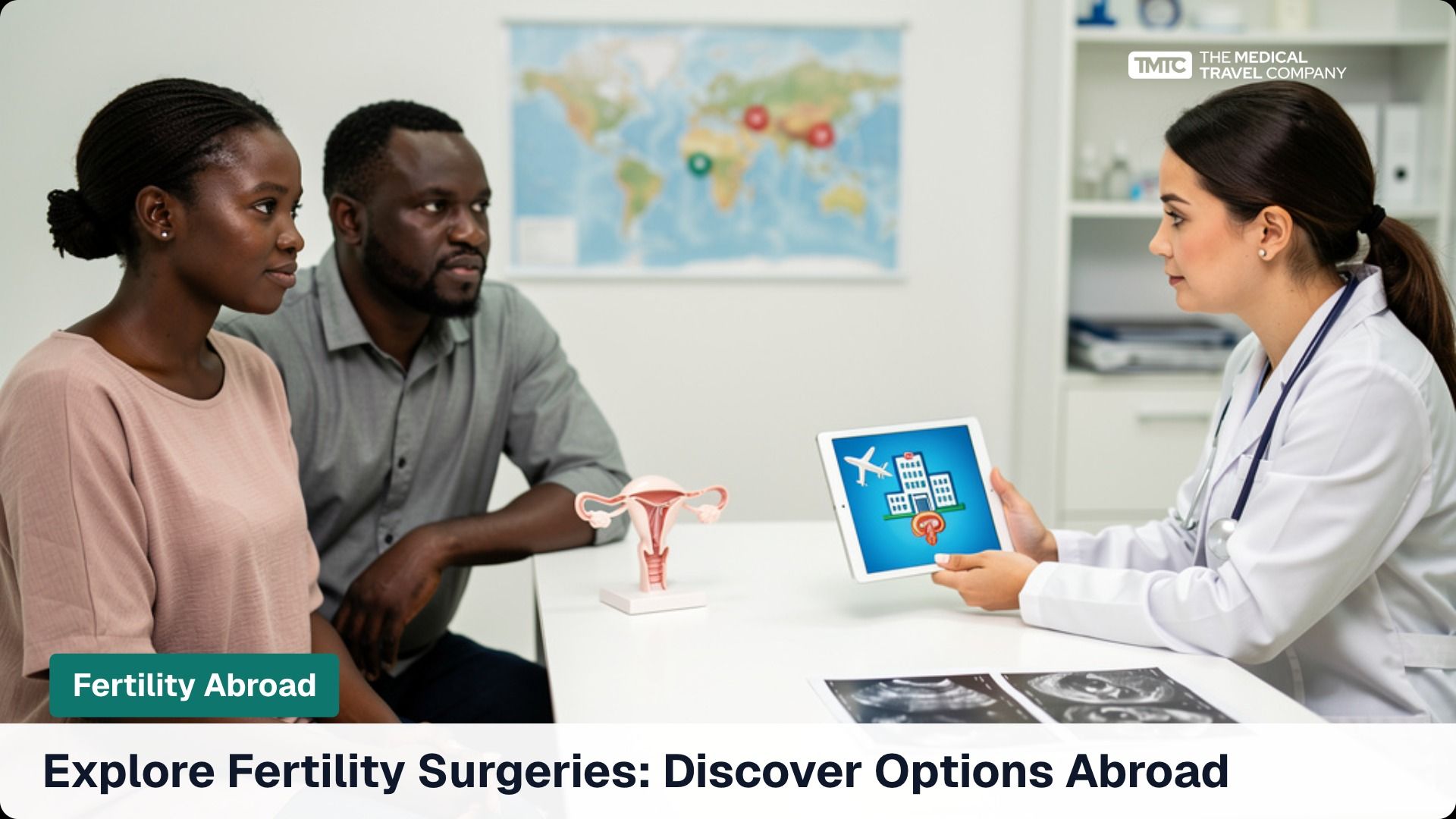
If you're struggling with fertility challenges in Tanzania, you might be considering surgical options to improve your chances of conceiving. While Tanzania has medical facilities, seeking fertility surgery abroad can offer you world-class care at competitive costs, often with shorter waiting times and access to the latest surgical techniques.
Many Tanzanian couples have found success through fertility surgeries performed in countries like India, where experienced specialists use advanced laparoscopic and hysteroscopic techniques. The combination of affordable treatment, expert guidance, and personalised treatment plans makes medical tourism an increasingly attractive option for addressing infertility issues.
Why Consider Fertility Surgery Abroad?
The decision to seek fertility surgery abroad isn't just about cost savings - though that's certainly a significant factor. It's about accessing a level of care that can transform your fertility journey in ways you might not have imagined.
World-class care at competitive costs
Fertility surgery abroad typically costs 50-70% less than similar procedures in Western countries, while maintaining international quality standards. For example, laparoscopic fertility surgery that might cost $15,000-20,000 in the US can be performed for $3,000-5,000 in India, including hospital stay and initial recovery period.
This cost advantage extends beyond the procedure itself. Many international fertility centers offer comprehensive packages that include pre-operative consultations, surgery, post-operative care, and even accommodation arrangements. You'll find that world-class fertility care for Tanzania couples is more accessible than ever before.
Expert guidance from skilled specialists
Leading fertility centers abroad employ surgeons who perform hundreds of procedures annually, giving them expertise that's hard to match. These specialists stay current with the latest surgical innovations and have extensive experience with complex cases.
You'll work with multidisciplinary teams that include reproductive endocrinologists, laparoscopic surgeons, embryologists, and fertility counselors. This collaborative approach ensures every aspect of your fertility challenge is addressed comprehensively.
Seamless experience through well-structured processes
International medical centers that cater to patients from Tanzania have refined their processes to make your journey as smooth as possible. From visa assistance to airport transfers, accommodation booking to follow-up care coordination, every detail is handled professionally.
Most centers assign you a patient coordinator who speaks English and understands the specific needs of international patients. This person becomes your single point of contact, helping navigate everything from initial consultation scheduling to post-surgery follow-up appointments.
Popular Fertility Surgery Options
Understanding your surgical options is crucial for making informed decisions about your fertility treatment. Each procedure addresses specific conditions that can impact your ability to conceive naturally.
Laparoscopic fertility surgery
Laparoscopic fertility surgery uses minimally invasive techniques to diagnose and treat conditions like endometriosis, ovarian cysts, and blocked fallopian tubes. The surgeon makes small incisions and uses a tiny camera to guide the procedure, resulting in less pain, shorter recovery times, and minimal scarring.
This approach is particularly effective for treating endometriosis, where endometrial tissue grows outside the uterus. Recovery typically takes 1-2 weeks, compared to 4-6 weeks for traditional open surgery. Most patients can return to normal activities within a week and begin trying to conceive after their next menstrual cycle.
Hysteroscopy procedures
Hysteroscopy allows surgeons to examine and treat conditions inside your uterus using a thin, lighted telescope. Common procedures include removing polyps, dividing uterine septums, and treating intrauterine adhesions that can prevent embryo implantation.
The hysteroscopy procedure cost is generally lower than laparoscopic surgery because it's less invasive and often performed as an outpatient procedure. Most patients experience only mild cramping and can return to normal activities within 24-48 hours.
Fibroid removal for fertility
Uterine fibroids can interfere with conception and pregnancy by distorting the uterine cavity or blocking fallopian tubes. Fibroid removal for fertility, called myomectomy, can be performed laparoscopically, hysteroscopically, or through traditional surgery, depending on the size and location of fibroids.
Studies show that removing fibroids can improve pregnancy rates by 25-35% in women who've had difficulty conceiving. The procedure preserves your uterus while eliminating obstacles to pregnancy, making it an excellent option for women who want to maintain their fertility potential.
Understanding reproductive surgery costs
Planning for fertility surgery abroad requires understanding the full financial picture, not just the procedure cost. Smart budgeting ensures you can focus on your recovery and results without financial stress.
| Procedure Type | Cost in Tanzania (USD) | Cost Abroad (USD) | Potential Savings |
|---|---|---|---|
| Laparoscopic Surgery | $8,000-12,000 | $3,000-5,000 | 60-70% |
| Hysteroscopy | $4,000-6,000 | $1,500-2,500 | 60-65% |
| Fibroid Removal | $6,000-10,000 | $2,500-4,000 | 60-70% |
| Endometriosis Surgery | $7,000-11,000 | $3,000-5,500 | 55-65% |
Factors influencing total reproductive surgery cost
Your total investment includes several components beyond the surgical fee. Travel costs typically range from $800-1,500 for flights, while accommodation for 7-10 days costs $300-800 depending on your preferences. Most patients budget an additional $500-1,000 for meals, local transportation, and incidentals.
The complexity of your condition affects pricing significantly. Simple procedures like diagnostic laparoscopy cost less than complex endometriosis surgery requiring extensive tissue removal. Pre-operative testing, anesthesia, hospital stay duration, and post-operative medications all influence your final cost.
Smart strategies for budgeting your treatment
Financial planning checklist for fertility surgery abroad
- Request detailed cost estimates, including all fees and potential additional charges
- Compare package deals vs. itemized pricing from multiple centers
- Factor in travel insurance that covers medical procedures abroad
- Budget 20% extra for unexpected expenses or extended stay requirements
- Investigate financing options or medical loans if needed
- Consider traveling during off-peak seasons for better flight and accommodation rates
Many couples find that even with travel and accommodation expenses, they save 40-60% compared to similar procedures in developed countries. The key is working with experienced medical tourism facilitators who can help you find the best value without compromising on quality.
Success rates and fertility outcomes
The most important question for any fertility surgery is simple: will it help you conceive? The answer depends on your specific condition, but research shows consistently positive outcomes for most fertility enhancement procedures.
Conception rates after surgical intervention
Conception after surgery varies by procedure and individual circumstances, but studies consistently show improved fertility rates. Women who undergo laparoscopic treatment for endometriosis see pregnancy rates of 30-50% within 12-18 months post-surgery. Those who have fibroids removed experience pregnancy rates of 40-60% within the first year after recovery.
Hysteroscopic procedures show particularly impressive results for specific conditions. Women with uterine septums who undergo hysteroscopic division achieve pregnancy rates of 60-80%. Removal of intrauterine adhesions results in pregnancy rates of 25-45%, significantly higher than without surgical intervention.
Endometriosis surgery benefits extend beyond conception
Endometriosis surgery benefits include dramatic pain reduction and improved quality of life, even before considering fertility improvements. Many women report 70-80% reduction in pelvic pain within three months of surgery. This pain relief often leads to improved intimate relationships and reduced stress, both factors that can positively impact fertility.
For women with moderate to severe endometriosis, surgical removal of endometrial tissue creates a more favorable environment for conception. The procedure can also improve the effectiveness of subsequent IVF treatments by addressing underlying inflammation that can affect embryo implantation.
Long-term success of fertility improvement procedures
Fertility improvement procedures show sustained benefits over time. Five-year follow-up studies indicate that 65-75% of women who conceive after fertility surgery maintain successful pregnancies to term. The procedures also reduce pregnancy complications related to the original conditions.
For couples who don't conceive naturally after surgery, the procedures often improve the success rates of assisted reproductive technologies. Women who undergo fertility surgery before IVF show 15-25% higher success rates compared to those who proceed directly to IVF without addressing underlying surgical conditions.
Preparing for your fertility surgery journey
Proper preparation can make the difference between a stressful experience and a seamless medical journey. Taking time to choose the right clinic and understand the process helps ensure the best possible outcomes.
Selecting a reputable fertility center
Look for fertility centers with international accreditation from organizations like JCI (Joint Commission International) or NABH (National Accreditation Board for Hospitals). These certifications ensure the facility meets rigorous international standards for patient safety and care quality.
Research your surgeon's credentials and experience with your specific condition. The best surgeons publish their outcomes data and maintain memberships in international fertility societies. Don't hesitate to ask for before-and-after case studies or references from previous patients with similar conditions.
What to expect during treatment and recovery
Most fertility surgeries require 3-7 days in the destination country, depending on the procedure complexity. You'll typically have pre-operative consultations on day one, surgery on day two or three, and initial recovery monitoring before clearance to travel home.
Recovery timelines vary by procedure, but most patients return to light activities within a week and normal activities within 2-3 weeks. Your medical team will provide detailed post-operative instructions and schedule follow-up consultations via video calls to monitor your healing progress.
Post-surgery care and follow-up considerations
Establishing a relationship with a local gynecologist before traveling ensures seamless follow-up care after you return to Tanzania. Share your surgical reports and post-operative instructions with your local doctor so they can monitor your recovery and address any concerns that arise.
Many international centers maintain long-term relationships with their patients through telemedicine consultations. This ongoing support is particularly valuable if you're trying to conceive after surgery, as your surgical team can provide guidance on timing, lifestyle factors, and when to seek additional fertility treatments if needed.
Taking the next step toward parenthood
Fertility surgery abroad offers Tanzanian couples a path to parenthood that combines world-class medical expertise with significant cost savings. The combination of advanced surgical techniques, experienced specialists, and comprehensive care packages makes this option increasingly attractive for addressing complex fertility challenges.
Your fertility journey is deeply personal, and the decision to seek treatment abroad requires careful consideration of your specific circumstances, medical needs, and financial situation. The key is working with medical professionals who understand both your condition and the unique aspects of receiving care as an international patient.
If you're ready to explore your options, start by consulting with fertility specialists who can evaluate your condition and recommend the most appropriate surgical approach. Many centers offer free initial consultations via video call, allowing you to discuss your case and understand your treatment options before making travel commitments.
Remember that fertility surgery is just one component of a comprehensive approach to achieving pregnancy. The best outcomes come from combining skilled surgical intervention with appropriate lifestyle changes, stress management, and follow-up care that supports your overall reproductive health.
Related Articles

Ready to open the door to better health?