BPH Treatment Abroad for Tanzanian Patients: Exploring Laser Surgery Options & Costs
Discover affordable BPH treatment abroad for Tanzanian patients, including laser surgery options and costs, ensuring a seamless care experience.
Last Updated On 29 April 20269m


Medical professional with 10+ years’ experience in diagnosis, patient care, and clinical leadership.
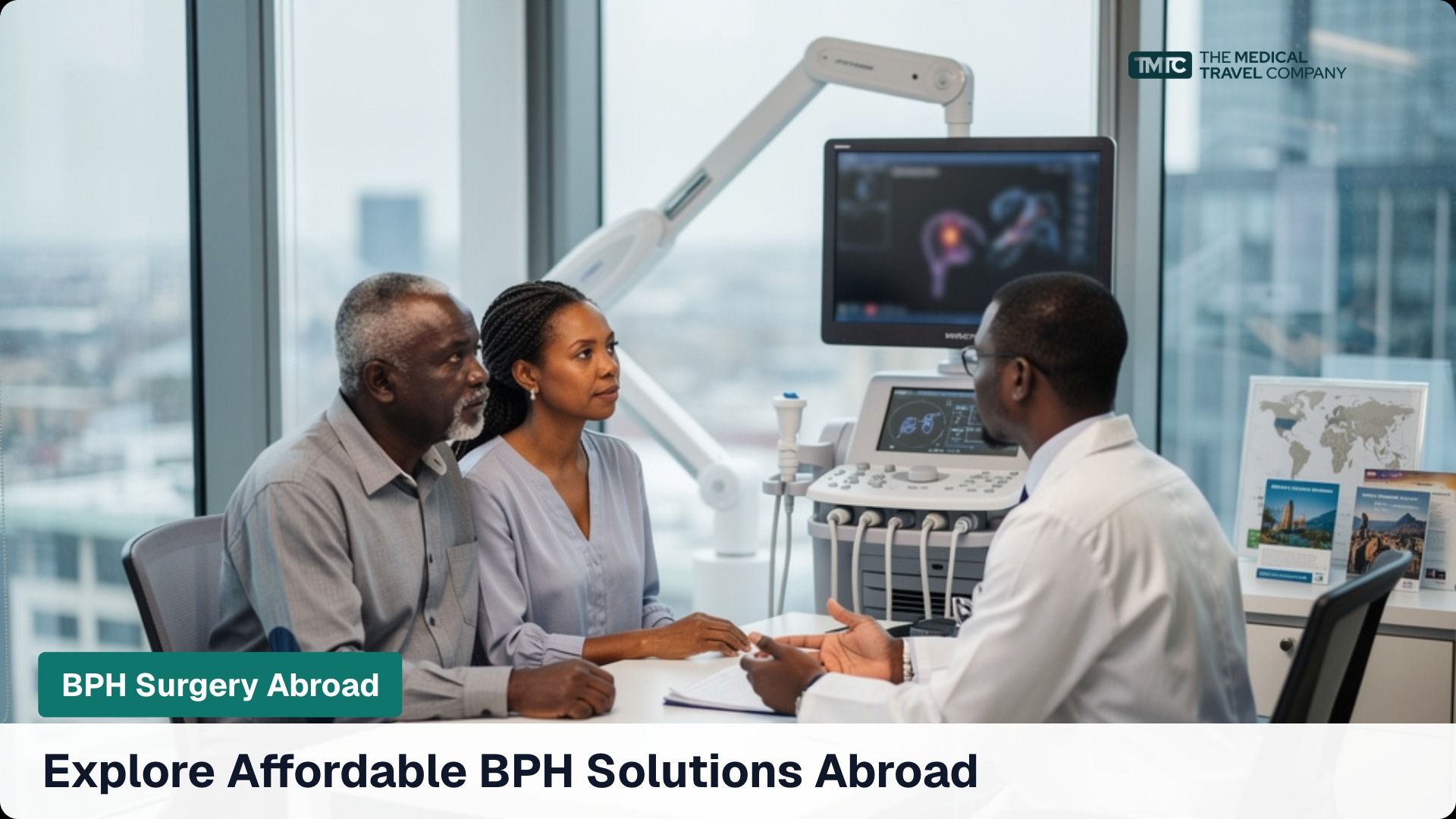
If you're dealing with frequent trips to the bathroom, especially at night, you're not alone. Benign prostatic hyperplasia affects millions of men worldwide, and for Tanzanian patients, seeking effective treatment has become increasingly challenging due to limited local options and long waiting times. Many are now turning their attention abroad, where advanced laser surgery techniques offer faster recovery times and better outcomes at surprisingly affordable costs.
Understanding BPH and Its Impact on Your Daily Life
BPH, or benign prostatic hyperplasia, is a non-cancerous enlargement of the prostate gland that affects about 50% of men over 50. As the prostate grows larger, it squeezes the urethra like a clamp around a garden hose, making urination difficult and incomplete.
The symptoms of an enlarged prostate can significantly disrupt your quality of life. You might find yourself waking up multiple times during the night to urinate, experiencing a weak urine stream, or feeling like you can't completely empty your bladder. Some men also report urgency - that sudden, strong need to urinate that's difficult to delay.
Left untreated, BPH can lead to serious complications including urinary tract infections, bladder stones, and in severe cases, kidney damage. The constant strain of trying to empty your bladder can weaken the bladder muscle over time, creating a cycle that becomes increasingly difficult to manage with medication alone. For many Tanzanian patients, understanding prostate cancer symptoms, diagnosis and treatment options becomes crucial in distinguishing between BPH and more serious conditions.
Why Tanzanian Patients Are Choosing Treatment Abroad
The healthcare landscape in Tanzania presents unique challenges for patients needing specialized urological care. Limited access to advanced laser surgery equipment, long waiting periods, and fewer experienced specialists have prompted many to explore international treatment options.
Treatment abroad offers several compelling advantages. You gain access to cutting-edge laser technology that might not be available locally, along with surgeons who perform hundreds of these procedures annually. The experience difference is significant - while a local surgeon might perform a few dozen prostate surgeries per year, international specialists often complete several procedures weekly.
Cost-effectiveness represents another major benefit. Despite travel expenses, the total cost of BPH treatment abroad often equals or falls below local private treatment costs, while offering superior technology and shorter recovery times. Many patients find they can combine their treatment with a recovery vacation, making the experience less stressful than navigating local healthcare delays.
| Treatment Aspect | Local Treatment | Treatment Abroad |
|---|---|---|
| Waiting time | 3-6 months | 2-4 weeks |
| Technology available | Limited laser options | Latest laser systems |
| Surgeon experience | Moderate volume | High-volume specialists |
| Recovery support | Basic follow-up | Comprehensive care packages |
| Total cost estimate | $3,000-5,000 | $2,500-4,000 |
Laser Surgery Options: Modern Solutions for BPH
Laser surgery has revolutionized BPH treatment, offering precision that traditional methods can't match. The two most effective laser techniques for enlarged prostate are HoLEP (Holmium Laser Enucleation of the Prostate) and PVP (Photoselective Vaporization of the Prostate), each designed for different prostate sizes and patient needs.
HoLEP works by using a holmium laser to precisely separate enlarged prostate tissue from the healthy tissue, then removes it completely. This technique works well for prostates of any size and provides lasting results. PVP, on the other hand, vaporizes excess prostate tissue using a green light laser, making it particularly suitable for patients on blood-thinning medications.
When comparing TURP vs laser prostate surgery, the advantages of laser techniques become clear. Traditional TURP (Transurethral Resection of the Prostate) requires general anesthesia, involves more bleeding, and typically requires a longer hospital stay. Laser surgery can often be performed under spinal anesthesia, involves minimal bleeding, and many patients go home the same day or after one night's observation.
The minimally invasive nature of laser surgery means smaller incisions, less trauma to surrounding tissues, and faster healing. Most patients return to normal activities within a week, compared to several weeks with traditional surgery. The precision of laser technology also reduces the risk of complications like incontinence or erectile dysfunction.
Breaking Down Prostate Laser Surgery Costs
Understanding the prostate laser surgery cost helps you make informed decisions about your treatment options. Several factors influence the final price, including the specific laser technique used, surgeon expertise, hospital facilities, and the country where you receive treatment.
The surgeon's experience level significantly impacts costs, but this investment often pays dividends in better outcomes and fewer complications. Highly experienced laser surgery specialists typically charge more, but their expertise can mean shorter procedure times, reduced complications, and better long-term results.
Location plays a crucial role in pricing. Countries like India, Thailand, and Turkey offer world-class facilities at costs 50-70% lower than Western countries, while still maintaining international accreditation standards. These savings aren't due to lower quality - they reflect different economic conditions and healthcare systems.
| Country | HoLEP Cost | PVP Cost | Total Package (including stay) |
|---|---|---|---|
| India | $1,800-2,500 | $1,500-2,200 | $2,500-3,500 |
| Thailand | $2,200-3,000 | $1,800-2,500 | $3,000-4,200 |
| Turkey | $2,000-2,800 | $1,600-2,300 | $2,800-4,000 |
| UAE | $3,500-4,500 | $2,800-3,500 | $4,500-6,000 |
Insurance coverage varies significantly, but many international insurance plans now recognize the value of overseas treatment. Some insurers even prefer international treatment due to lower costs and shorter waiting times. It's worth discussing your options with your insurance provider before making treatment decisions.
What to Expect During Recovery After BPH Surgery
Recovery after BPH surgery using laser techniques is generally straightforward, but knowing what to expect helps you prepare properly and avoid complications. Most patients notice immediate improvement in urination, though some temporary side effects are normal.
The typical recovery timeline spans about 4-6 weeks, with most restrictions lifted after the first two weeks. During the initial days, you might experience some burning during urination, occasional blood in urine, or urgency - these symptoms usually resolve quickly as healing progresses.
Essential Recovery Guidelines
- Drink plenty of water to flush your system and promote healing
- Avoid heavy lifting (over 10 pounds) for 2-3 weeks
- Skip driving for at least one week or until cleared by your surgeon
- Resume light walking within 24-48 hours to prevent blood clots
- Attend all follow-up appointments, even if you feel fine
- Watch for signs of infection: fever, severe pain, or worsening urination
- Avoid sexual activity for 4-6 weeks as recommended by your surgeon
Follow-up care represents a critical component of successful recovery. Your international treatment team should provide a detailed care plan that your local doctor can follow, ensuring continuity of care after you return home. Many facilities offer telemedicine consultations to monitor your progress remotely.
Medication vs Surgery: Making the Right Choice for Your BPH
The decision between medication vs surgery for BPH depends on several factors: symptom severity, prostate size, your age, overall health, and how much the condition impacts your daily life. Many men start with medications, but surgery becomes necessary when drugs no longer provide adequate relief.
Medications work for mild to moderate symptoms and can be effective for years. Alpha-blockers like tamsulosin help relax prostate muscles, while 5-alpha reductase inhibitors like finasteride can shrink the prostate over time. However, these medications require daily use, may cause side effects, and don't work for everyone.
Surgery becomes the preferred option when you experience recurrent urinary tract infections, bladder stones, kidney problems, or when medications fail to provide relief. If you're waking up more than three times nightly or can't completely empty your bladder, surgical intervention often provides the most effective long-term solution.
The beauty of modern laser surgery lies in its precision and predictability. While medications might help manage symptoms, laser treatment addresses the root cause by removing the excess tissue causing the blockage. For patients considering broader urological concerns, understanding prostate cancer treatment options can provide valuable context for their overall prostate health management.
Starting Your BPH Treatment Journey Abroad
Beginning your treatment journey requires careful planning, but the process doesn't have to be overwhelming. The consultation process typically starts with sharing your medical records and recent test results with international specialists, who can then provide initial recommendations and cost estimates.
Preparing for your trip involves gathering essential documents: your passport, medical records, insurance information, and any current medications. Most treatment facilities provide detailed preparation guides, including dietary restrictions before surgery and medication adjustments. Some centers offer airport pickup and accommodation arrangements to simplify your experience.
Quality assurance should be your top priority when choosing a treatment provider. Look for internationally accredited hospitals, board-certified surgeons with extensive laser surgery experience, and comprehensive support services that include pre-surgery planning and post-surgery care coordination with your home healthcare providers.
The investment in your health through BPH treatment abroad often pays dividends beyond the immediate relief of symptoms. Many patients report improved sleep quality, better relationships, and increased confidence in social situations. With proper planning and the right medical team, your journey to better urological health can be both successful and surprisingly straightforward.
Don't let BPH symptoms control your life any longer. Modern laser surgery techniques offer safe, effective solutions with faster recovery times than ever before. By exploring treatment options abroad, you're taking control of your health and investing in a better quality of life for years to come.
References:
- This article incorporates information from medical literature and patient care guidelines, though specific source citations were not provided in the research materials for this article. Readers should consult with qualified healthcare professionals for personalized medical advice and treatment recommendations.
Ready to open the door to better health?