Affordable Prostatitis Treatment Abroad for Tanzanian Patients: A Comprehensive Guide
Explore world-class prostatitis treatment abroad for Tanzanian patients. Understand options, costs, and more for effective prostate infection care.
Last Updated On 29 April 202610m


Medical professional with 10+ years’ experience in diagnosis, patient care, and clinical leadership.
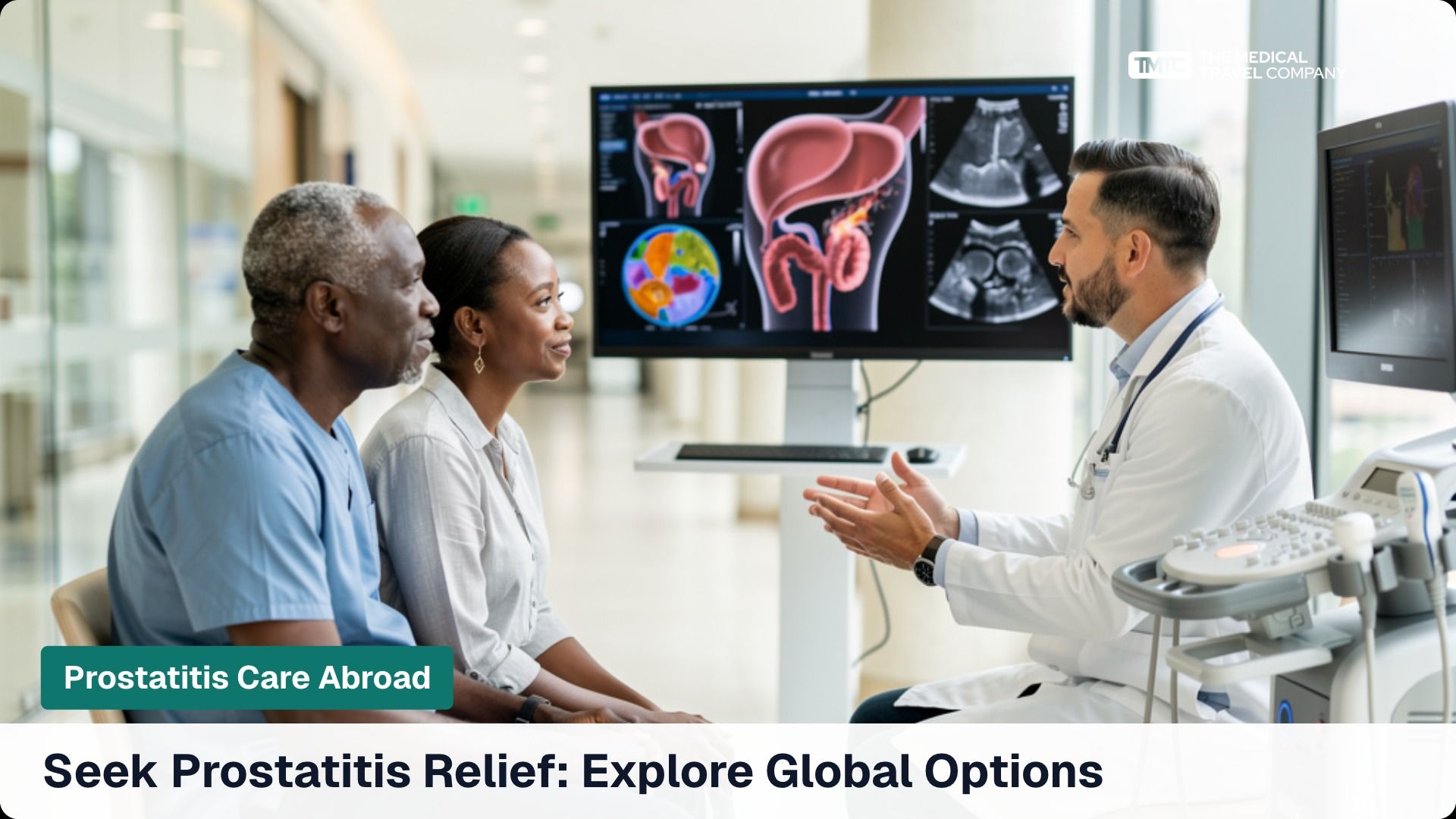
If you're experiencing persistent pelvic pain, burning during urination, or frequent bathroom visits, you might be dealing with prostatitis. For Tanzanian men facing this challenging condition, finding effective treatment can feel overwhelming, especially when local options seem limited or costly.
Here's what many don't realize: seeking prostatitis treatment abroad can offer you access to world-class care at affordable prices, often with shorter wait times and more personalized attention than you'd find locally. Let's explore your options and how you can take control of your prostate health.
Understanding Prostatitis and Its Impact
Prostatitis isn't just one condition - it's actually a group of disorders affecting the prostate gland. This walnut-sized organ sits below your bladder and surrounds part of your urethra. When it becomes inflamed or infected, it can significantly impact your quality of life.
What is prostatitis?
There are four main types of prostatitis. Acute bacterial prostatitis comes on suddenly and is caused by bacteria - it's serious but treatable with antibiotics. Chronic bacterial prostatitis develops slowly and keeps coming back, also caused by bacteria but harder to cure.
The most common type is chronic prostatitis, also called chronic pelvic pain syndrome. This affects about 90% of men with prostatitis but isn't caused by bacteria. Finally, there's asymptomatic inflammatory prostatitis, which doesn't cause symptoms but shows up during tests for other conditions.
Common symptoms you shouldn't ignore
The symptoms of prostatitis can be frustrating and disruptive. You might experience burning or pain when urinating, difficulty starting or stopping urination, or needing to urinate frequently, especially at night. Many men also report pain in the pelvic area, lower back, or during ejaculation.
With bacterial prostatitis, you might also have fever, chills, or flu-like symptoms. These signs shouldn't be ignored - they often indicate an infection that needs immediate attention. If you're experiencing these symptoms of prostatitis, it's important to seek proper diagnosis and treatment.
What causes prostate inflammation?
Understanding the causes of prostate inflammation can help you make informed decisions about treatment. Bacterial infections are the clearest cause - they can reach your prostate through your urinary tract or bloodstream. However, chronic prostatitis often has more complex origins.
Stress, certain foods, holding urine too long, or pelvic muscle tension can all contribute to chronic pelvic pain syndrome. Some men develop symptoms after urinary tract infections, catheter use, or prostate biopsies. The good news is that understanding these causes helps doctors create more effective treatment plans.
Why Consider Prostatitis Treatment Abroad?
Many Tanzanian patients are discovering that seeking treatment abroad offers significant advantages. You'll find access to specialized care, shorter waiting times, and often more cost-effective solutions than what's available locally.
Benefits of seeking care abroad
International medical centers specializing in urology treatment abroad offer cutting-edge diagnostic tools and treatment approaches that might not be available in Tanzania. You'll work with urologists who see hundreds of prostatitis cases each year, giving them deep expertise in managing even complex chronic conditions.
The cost advantage is often substantial. Many patients save 50-70% compared to similar treatment in developed countries, while still receiving world-class care. Plus, you'll typically get faster access to specialists - no waiting months for appointments or procedures.
Comparing local vs international options
| Factor | Local Treatment | Treatment Abroad |
|---|---|---|
| Wait time for specialist | 2-6 months | 1-2 weeks |
| Diagnostic technology | Basic | Advanced imaging & tests |
| Treatment options | Limited antibiotics | Comprehensive approaches |
| Cost for comprehensive care | High | 50-70% savings |
| Follow-up support | Variable | Structured programs |
The personalized treatment plans available abroad often address not just the immediate infection, but also underlying factors contributing to chronic symptoms. This holistic approach can lead to better long-term outcomes and fewer recurring episodes.
Diagnosis of Prostatitis: What to Expect
Getting an accurate diagnosis is crucial for effective treatment. International clinics typically offer more comprehensive diagnostic approaches than you might find locally, using advanced testing to identify the specific type of prostatitis you have.
Your initial consultation
During your first visit, expect a thorough discussion about your symptoms, medical history, and how the condition affects your daily life. The doctor will perform a physical examination, including a digital rectal exam to check your prostate's size, shape, and tenderness.
This consultation is more comprehensive than typical local appointments. International specialists often spend 45-60 minutes with each patient, ensuring they understand your complete health picture before recommending treatment.
Essential diagnostic tests
Standard prostatitis diagnostic tests
- Urine analysis and culture to detect bacteria
- PSA blood test to rule out other prostate conditions
- Prostate fluid examination after massage
- Ultrasound or MRI imaging if needed
- Uroflowmetry to measure urination patterns
- Cystoscopy for persistent or unusual symptoms
These tests help differentiate between bacterial and non-bacterial prostatitis, which is essential for choosing the right treatment approach. The diagnosis of prostatitis in UK becomes much more precise with access to advanced laboratory facilities and imaging technology.
Treatment Options for Prostatitis Abroad
International treatment centers offer a range of approaches tailored to your specific type of prostatitis. Rather than a one-size-fits-all approach, you'll receive a personalized treatment plan that addresses both immediate symptoms and long-term management.
Antibiotics for prostatitis treatment
For bacterial prostatitis, antibiotics remain the primary treatment. However, choosing the right antibiotic and duration makes all the difference. International clinics often use culture-guided therapy, testing which specific bacteria are causing your infection and which antibiotics work best against them.
Acute bacterial prostatitis typically requires 2-4 weeks of antibiotics, while chronic bacterial prostatitis might need 6-12 weeks or longer. The key is using antibiotics that can actually penetrate prostate tissue effectively - not all can. Fluoroquinolones and trimethoprim-sulfamethoxazole are commonly used because they reach good concentrations in prostate tissue.
Comprehensive chronic prostatitis care
Chronic prostatitis requires a different approach since antibiotics often don't help. International treatment centers use multimodal therapy, combining several treatments for better results. This might include anti-inflammatory medications, alpha-blockers to relax muscles around the prostate, and pain management strategies.
Physical therapy is increasingly recognized as effective for chronic pelvic pain syndrome. Specialized pelvic floor physiotherapists can teach you exercises to relax tight muscles that contribute to pain and urinary symptoms. Some centers also offer innovative treatments like prostate massage therapy or heat treatment.
Lifestyle modifications that make a difference
International treatment programs often include comprehensive lifestyle counseling. You'll learn which foods might trigger symptoms - many men find that spicy foods, caffeine, or alcohol worsen their condition. Staying well-hydrated helps, but you'll also learn timing strategies to manage frequent urination.
Stress management becomes crucial since stress can worsen chronic pelvic pain syndrome. Treatment centers abroad often provide access to counseling, relaxation techniques, and stress-reduction programs as part of comprehensive care. Regular exercise, particularly activities like walking or swimming, can also help manage symptoms.
Choosing the Right Destination for Treatment
Not all international medical destinations are created equal when it comes to urology care. You'll want to focus on countries with strong reputations for medical excellence, modern facilities, and experienced urologists who regularly treat prostatitis.
Top countries for urology treatment
| Country | Strengths | Cost Savings | Language |
|---|---|---|---|
| India | Advanced technology, experienced specialists | 60-80% | English widely spoken |
| Thailand | Excellent patient care, modern facilities | 50-70% | English in medical settings |
| Turkey | European standards, convenient location | 40-60% | English available |
| Singapore | Highest quality standards in Asia | 30-50% | English primary language |
| Malaysia | Strong medical tourism infrastructure | 50-70% | English widely used |
India stands out for Tanzanian patients due to its combination of world-class medical facilities, English-speaking doctors, and significant cost savings. Many Indian hospitals treating international patients are JCI-accredited, meaning they meet international quality standards.
Key factors when choosing a facility
Look for hospitals with specific urology departments that regularly treat international patients. Check for accreditations from recognized international bodies like JCI or ISO. Read patient reviews and testimonials, particularly from other African patients who've received prostate infection treatment there.
Consider the hospital's support services for international patients - do they provide airport pickup, accommodation assistance, and interpreter services if needed? The best facilities offer comprehensive packages that handle logistics so you can focus on your treatment and recovery.
Moving Forward: How to Get Started
Taking the first step toward treatment abroad might feel overwhelming, but the process is more straightforward than you might think. With proper planning and the right support, you can access excellent care while managing costs effectively.
Initial steps to consider
Getting started with treatment abroad
- Gather your medical records and test results
- Research accredited hospitals and read patient reviews
- Contact medical tourism facilitators for quotes and guidance
- Consult with specialists via telemedicine before traveling
- Check visa requirements for your chosen destination
- Plan for 1-2 weeks initial stay, longer for complex cases
Many international hospitals offer telemedicine consultations, letting you speak with specialists before making travel arrangements. This helps confirm you're a good candidate for treatment abroad and allows doctors to recommend the best approach for your specific situation.
Making arrangements for travel and treatment
Working with experienced medical tourism facilitators can simplify the entire process. They'll help coordinate appointments, arrange accommodations, and provide ongoing support throughout your treatment journey. Look for facilitators with specific experience helping Tanzanian patients access medical care in Tanzania.
Plan for follow-up care before you travel. Discuss with your international treatment team how they'll coordinate with local doctors back home for ongoing monitoring and medication adjustments. Many international centers provide detailed treatment summaries and continue supporting patients remotely after they return home.
Remember that effective prostatitis treatment abroad isn't just about the immediate medical intervention - it's about accessing comprehensive care that addresses your condition holistically. This approach often leads to better long-term outcomes and improved quality of life.
Whether you're dealing with chronic pelvic pain syndrome or recurrent bacterial infections, seeking treatment abroad can provide you with access to specialized expertise, advanced diagnostic tools, and comprehensive treatment approaches that might not be readily available locally. The combination of world-class care and significant cost savings makes this option increasingly attractive for Tanzanian patients ready to take control of their prostate health.
References:
- Medical literature and clinical guidelines referenced for prostatitis treatment approaches and diagnostic standards
- International healthcare facility accreditation and quality standards information
- Medical tourism industry data and patient outcome studies
- Urology specialty treatment protocols and best practice guidelines

Ready to open the door to better health?