Fertility Surgeries Abroad for Nigerian Patients: Options & Outcomes
Explore fertility surgery abroad for Nigerian patients, including costs, options, and benefits for improving fertility after procedures.
Last Updated On 29 April 20269m

Medical professional with 10+ years’ experience in diagnosis, patient care, and clinical leadership.
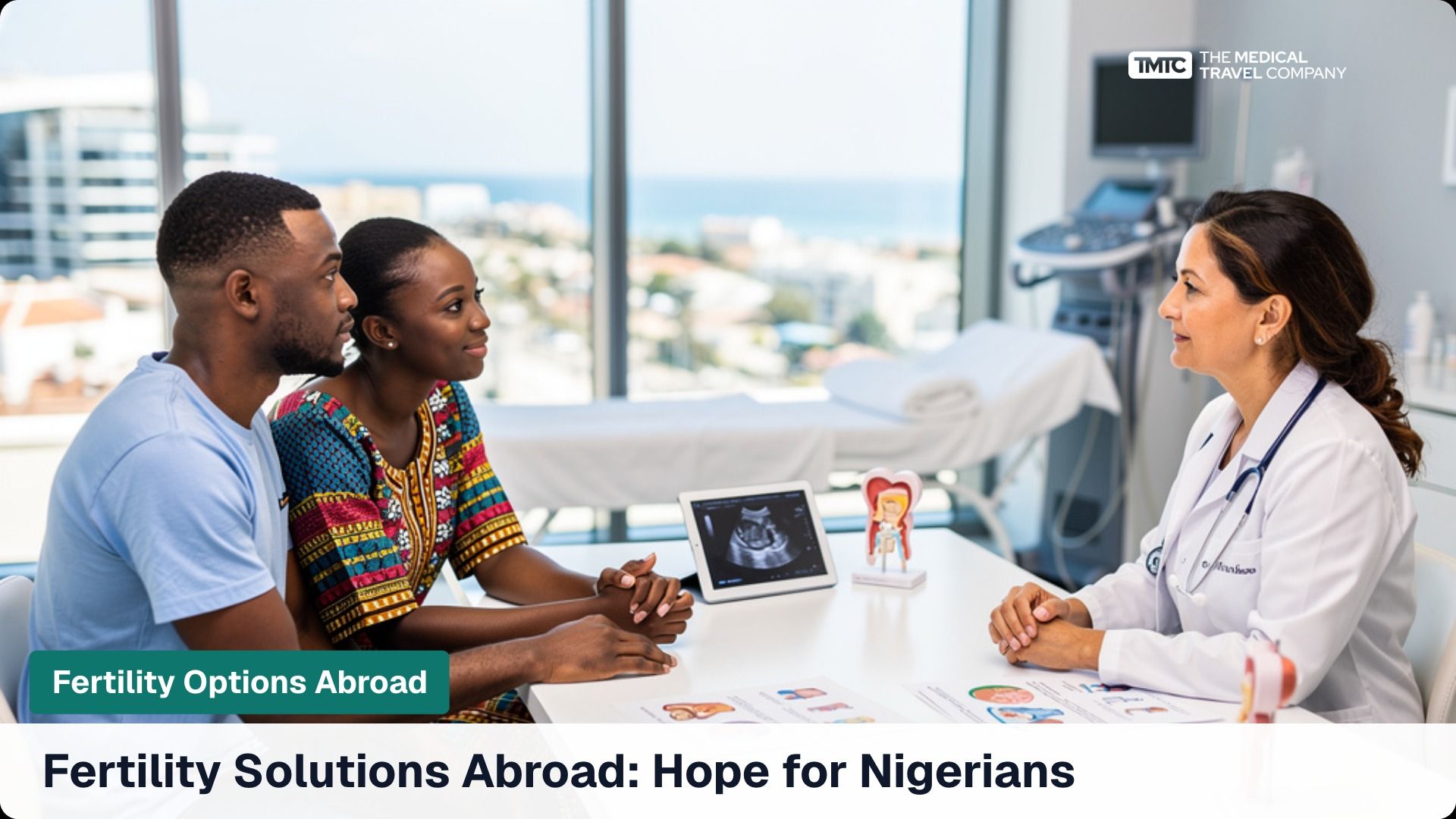
When traditional fertility treatments haven't worked, surgery might be the next step on your journey to parenthood. For many Nigerian couples facing infertility challenges, seeking world-class surgical care abroad has become an increasingly viable option that combines advanced medical expertise with significant cost savings.
What is Fertility Surgery and When Do You Need It?
Fertility surgery encompasses various minimally invasive procedures designed to correct structural problems that prevent conception. These surgeries address conditions like blocked fallopian tubes, uterine fibroids, endometriosis, and ovarian cysts that can significantly impact your ability to conceive naturally or through assisted reproductive technologies like IVF treatment.
Your doctor might recommend fertility surgery if you have been diagnosed with specific anatomical issues that can't be resolved through medication or less invasive treatments. Common reasons include severe endometriosis causing pelvic adhesions, large uterine fibroids distorting the uterine cavity, or hydrosalpinx, where blocked fallopian tubes fill with fluid.
Understanding your specific condition is crucial before considering surgery abroad. A comprehensive fertility evaluation should identify whether surgical intervention will genuinely improve your chances of conception or if other treatments might be more appropriate for your situation.
Types of Fertility Surgeries Available Abroad
Laparoscopic Fertility Surgery
Laparoscopic surgery represents the gold standard for many fertility procedures due to its minimally invasive approach. During this procedure, surgeons make small incisions in your abdomen and use a tiny camera to guide specialized instruments. This technique allows for precise removal of endometrial tissue, ovarian cysts, or adhesions while preserving healthy reproductive organs.
Recovery from laparoscopic procedures typically takes 1-2 weeks, compared to 4-6 weeks for traditional open surgery. Most patients can return to normal activities within days and may attempt conception as soon as their next cycle, depending on the specific procedure performed.
Hysteroscopy Procedures
Hysteroscopy allows doctors to examine and treat the inside of your uterus without making external incisions. A thin, lighted telescope is inserted through your cervix to visualize the uterine cavity. This procedure can remove uterine polyps, small fibroids, or scar tissue that might prevent embryo implantation.
The procedure usually takes 30-45 minutes and can often be performed on an outpatient basis. Many women resume normal activities within 24-48 hours, making it an attractive option for those seeking quick recovery times while receiving comprehensive fertility care in Nigeria.
Fibroid Removal Surgery
Uterine fibroids affect up to 70% of women of reproductive age, with higher prevalence rates among women of African descent. When fibroids interfere with fertility, myomectomy surgery can remove these growths while preserving the uterus for future pregnancies.
The surgical approach depends on fibroid size, number, and location. Submucosal fibroids that grow into the uterine cavity often require hysteroscopic removal, while larger intramural or subserosal fibroids may need laparoscopic or robotic surgery. Success rates for conception after fibroid removal vary from 40-60% depending on individual factors.
Endometriosis Surgery
Endometriosis affects approximately 10% of women of reproductive age and can cause severe pelvic pain while reducing fertility. Surgical treatment involves removing endometrial implants, ovarian cysts called endometriomas, and breaking up adhesions that can distort pelvic anatomy.
Studies show that fertility rates can improve by 30-50% following endometriosis surgery, particularly for women with moderate to severe disease. However, timing is crucial since endometriosis tends to recur, making it important to attempt conception relatively soon after surgery.
Understanding Reproductive Surgery Costs
| Procedure Type | Nigeria Cost (₦) | India Cost (₦) | Potential Savings |
|---|---|---|---|
| Laparoscopic Surgery | 800,000 - 1,500,000 | 400,000 - 750,000 | Up to 50% |
| Hysteroscopy | 300,000 - 600,000 | 150,000 - 300,000 | Up to 50% |
| Fibroid Removal | 1,000,000 - 2,000,000 | 500,000 - 1,000,000 | Up to 50% |
| Endometriosis Surgery | 1,200,000 - 2,500,000 | 600,000 - 1,250,000 | Up to 50% |
The cost advantage of seeking fertility surgery abroad becomes particularly compelling when you consider that many procedures in Nigeria can cost 50-100% more than comparable treatments in countries like India, Thailand, or Turkey. These savings often include comprehensive packages covering pre-operative consultations, surgery, hospital stay, and follow-up care.
When evaluating affordable healthcare options, consider the total cost beyond the surgery itself. Factor in travel expenses, accommodation, meals, and time away from work. Many medical tourism facilitators offer package deals that can make the overall expense more predictable and manageable.
Insurance coverage varies significantly, but some international health insurance plans may cover fertility surgeries performed abroad. It's worth investigating whether your employer's health plan or private insurance might contribute to costs, especially if the surgery addresses medical conditions beyond just infertility.
Benefits of Choosing Surgery Abroad
Access to World-Class Medical Expertise
Leading fertility centers abroad often have surgeons who perform hundreds of these procedures annually, compared to specialists in Nigeria who might handle a few dozen cases per year. This volume difference translates to greater surgical experience and often better outcomes for complex cases.
Many international fertility centers are accredited by organizations like Joint Commission International (JCI) or have achieved ISO certification, ensuring they meet stringent quality and safety standards. These facilities often feature state-of-the-art surgical equipment, including robotic surgery systems that provide enhanced precision for delicate reproductive procedures.
Personalised Treatment Plans
Top fertility centers abroad typically provide comprehensive pre-surgical evaluations that may include advanced imaging, genetic testing, and hormonal assessments not readily available in Nigeria. This thorough approach helps ensure that surgery is the most appropriate treatment option for your specific situation.
Many centers also coordinate post-surgical care with your home country doctors, providing detailed reports and recommendations for optimizing your fertility after recovery. Some facilities offer fertility-enhancing therapies that complement surgical treatment.
Seamless Experience During Medical Travel
Reputable medical tourism programs provide end-to-end support that includes visa assistance, airport transfers, accommodation arrangements, and language interpretation services. This comprehensive support system allows you to focus entirely on your treatment and recovery without worrying about logistical details.
Real Patient Experiences and Important Considerations
Nigerian patients who've undergone fertility surgery abroad consistently report high satisfaction rates, particularly regarding the quality of care and communication with medical teams. Many appreciate the shorter waiting times for surgery and the comprehensive pre-operative counseling that helps set realistic expectations.
Common concerns include questions about post-operative follow-up care once you return to Nigeria. The best programs address this by providing detailed discharge instructions and establishing communication channels with local doctors who can monitor your recovery progress.
Safety considerations are paramount when choosing surgery abroad. Verify that the facility is accredited by recognized international bodies and that surgeons are board-certified in reproductive surgery. Request information about complication rates and emergency protocols should unexpected issues arise during your stay.
Making the Decision: Key Steps to Consider
Before committing to surgery abroad, obtain a comprehensive fertility evaluation from a specialist in Nigeria who can provide an independent opinion on whether surgery is necessary. Some conditions that appear surgical might respond well to medical management or less invasive treatments like IUI treatment in Nigeria.
Research multiple centers and request detailed treatment protocols, surgeon credentials, and patient outcome statistics. Don't hesitate to ask for references from previous Nigerian patients who've undergone similar procedures. A reputable center will be transparent about success rates and potential risks.
Consider timing carefully, as some fertility surgeries require 3-6 months of healing before attempting conception. Plan your surgery to align with your personal timeline for trying to conceive, whether naturally or through assisted reproductive technologies.
Your Path to Conception After Surgery
Recovery Timeline and Expectations
Recovery timelines vary significantly depending on the type of surgery performed. Hysteroscopic procedures typically allow you to resume normal activities within a few days, while laparoscopic surgeries may require 1-2 weeks for full recovery. More extensive procedures like myomectomy for large fibroids might need 4-6 weeks before you can attempt conception.
Your surgical team should provide specific guidelines about when you can resume sexual activity and begin trying to conceive. Some procedures require waiting for one or two menstrual cycles to allow proper healing, while others permit immediate attempts at conception once initial recovery is complete.
Optimizing Fertility After Surgery
Surgery addresses structural problems, but optimizing your overall fertility requires attention to other factors like nutrition, stress management, and timing of intercourse. Many patients benefit from working with fertility counselors who can provide guidance on lifestyle modifications that support conception.
If you don't conceive within 6-12 months after surgery, don't lose hope. Some patients require additional fertility treatments like ovulation induction medications or assisted reproductive technologies. The surgery often improves success rates for these treatments even if natural conception doesn't occur immediately.
Regular follow-up with your fertility specialist is crucial for monitoring your progress and adjusting treatment plans as needed. Some conditions like endometriosis may require ongoing management to prevent recurrence and maintain optimal fertility potential.
Taking the Next Step Forward
Fertility surgery abroad represents a significant decision that combines medical, financial, and emotional considerations. The potential for improved pregnancy outcomes, combined with substantial cost savings and access to world-class care, makes this option increasingly attractive for Nigerian couples facing fertility challenges.
Success depends on careful planning, choosing the right medical team, and having realistic expectations about outcomes. With proper preparation and expert guidance, many couples find that seeking fertility surgery abroad becomes a positive turning point in their journey toward parenthood.
If you're considering fertility surgery abroad, start by gathering all your medical records and consulting with specialists who can help you understand your options. The investment in comprehensive evaluation and planning often pays dividends in better outcomes and a smoother overall experience.
Related Articles

Ready to open the door to better health?