Egg Freezing Abroad for Nigerian Women: Comprehensive Guide to Cost, Process & Benefits
Explore the cost, process, and benefits of egg freezing abroad for Nigerian women. Discover your fertility preservation options today!
Last Updated On 29 April 20267m


Medical professional with 10+ years’ experience in diagnosis, patient care, and clinical leadership.
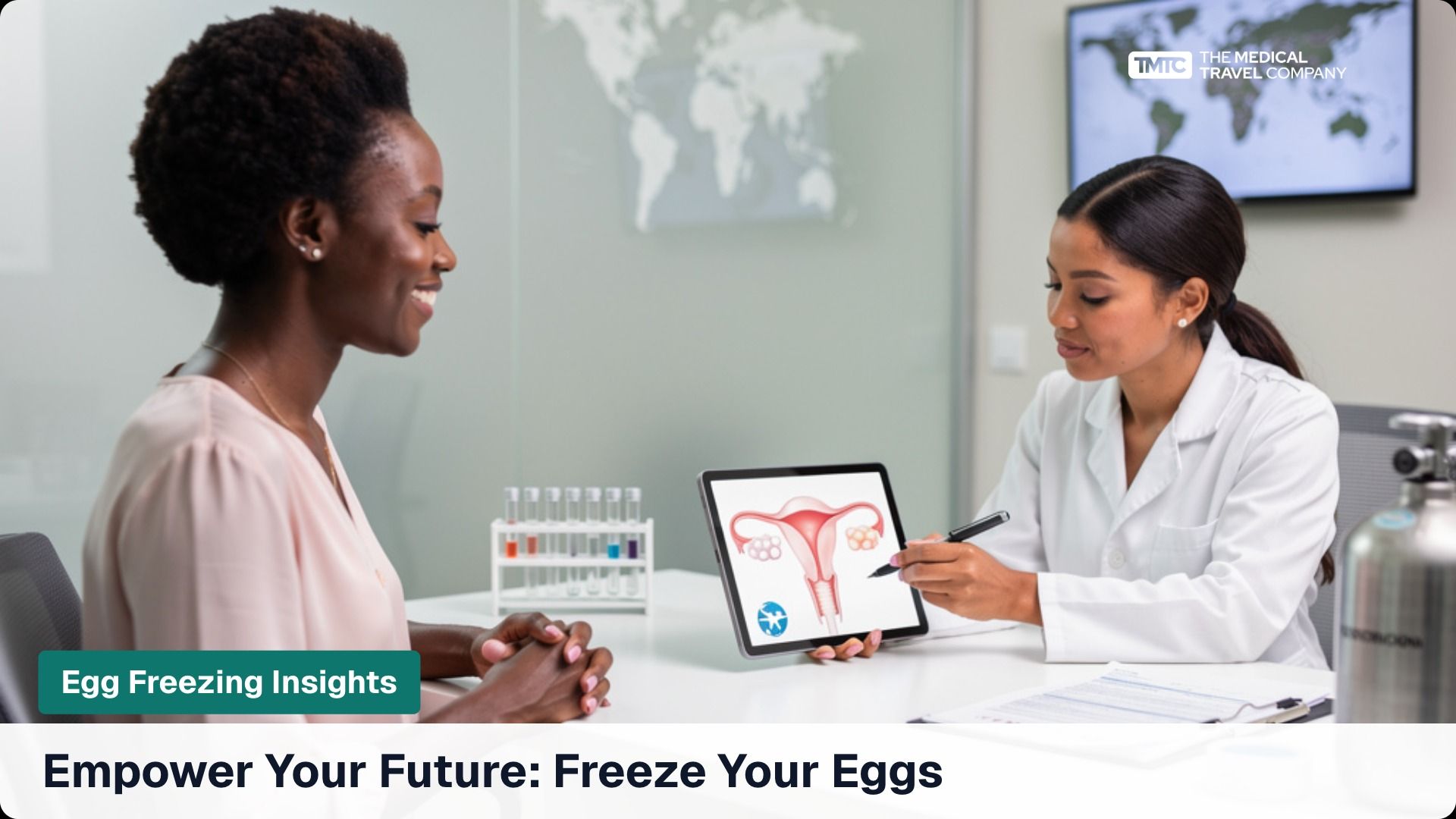
More Nigerian women are taking control of their fertility futures through egg freezing abroad. Whether you're building your career, pursuing education, or simply not ready to start a family yet, freezing your eggs gives you options. The process has become increasingly accessible and affordable, especially when you look beyond Nigeria's borders for treatment.
What is Egg Freezing and Why Consider It?
Egg freezing, also called oocyte cryopreservation, involves extracting and storing your eggs at their current biological age for future use. Think of it as pressing pause on your fertility clock while life unfolds around you.
The benefits extend far beyond convenience. You're preserving your eggs at their healthiest state, maintaining genetic quality that might decline with age. This means better chances of successful pregnancy later, whether through natural conception or IVF treatment.
Many women choose egg freezing abroad because of significant cost savings and access to world-class care. Countries like India, Turkey, and Thailand offer the same advanced technology and expertise you'd find anywhere else, often at 60-70% less cost than private clinics in Nigeria.
The Complete Egg Freezing Process Abroad
Understanding what happens during egg freezing helps you prepare mentally and physically for the journey. The process typically takes 2-3 weeks from start to finish.
1. Initial Consultation and Testing
Your journey begins with comprehensive fertility testing. This includes blood work to check hormone levels, an ultrasound to assess your ovaries, and sometimes genetic screening. Many clinics abroad offer virtual consultations, so you can start the process from Nigeria.
The testing reveals how many eggs you currently have (ovarian reserve) and helps doctors create a personalized treatment plan. Women with higher ovarian reserves typically need fewer cycles to freeze an adequate number of eggs.
2. Hormone Stimulation Process
The hormone stimulation process typically lasts 10-14 days. You'll inject fertility medications daily to encourage multiple eggs to mature simultaneously. Normally, your ovaries release just one egg per month, but these medications help produce 8-15 eggs in a single cycle.
During this phase, you'll have regular monitoring appointments every 2-3 days. Doctors track your eggs' development through ultrasounds and blood tests, adjusting medication doses as needed. The goal is optimal egg development without overstimulating your ovaries.
3. Egg Retrieval and Freezing
When your eggs reach maturity, you'll receive a trigger injection to prepare them for retrieval. The actual oocyte freezing treatment happens 34-36 hours later through a minor outpatient procedure.
During retrieval, doctors use ultrasound guidance to collect eggs through a thin needle. You'll be under light sedation, so the 20-30 minute procedure is comfortable. The eggs are immediately evaluated and frozen using vitrification, a rapid-freezing technique that prevents ice crystal formation.
Breaking Down Egg Freezing Costs Abroad
Cost is often the deciding factor for Nigerian women considering egg freezing. International options provide significant savings without compromising quality.
| Cost Component | Nigeria (Private) | India | Turkey | Thailand |
|---|---|---|---|---|
| Initial cycle | $4,000-6,000 | $1,500-2,500 | $2,000-3,000 | $2,500-3,500 |
| Medications | $1,500-2,500 | $300-600 | $400-800 | $500-900 |
| Annual storage | $800-1,200 | $200-400 | $300-500 | $250-450 |
| Total first year | $6,300-9,700 | $2,000-3,500 | $2,700-4,300 | $3,250-4,850 |
These figures include accommodation and travel costs for abroad options. The egg storage cost long term varies by country and facility, but you'll typically pay annual fees ranging from $200-500 abroad compared to $800-1,200 locally.
Additional costs might include genetic testing of eggs ($500-800), extra cycles if needed ($1,200-2,000 each), and future thawing and fertilization when you're ready to use the eggs. Many fertility care providers offer package deals that bundle multiple services together.
Best Age for Egg Freezing Success
Timing matters significantly when it comes to egg freezing success rates. Your age directly impacts both egg quantity and quality.
The Sweet Spot: Ages 25-35
The ideal window for egg freezing falls between ages 25-35, with the best outcomes typically seen before age 30. At this age, your eggs have the highest genetic integrity and the greatest potential for successful pregnancy later.
Women under 35 usually need to freeze 15-20 eggs to achieve a 70-80% chance of having one child. Those over 35 might need 25-30 eggs for similar success rates. This often means multiple cycles, increasing overall costs.
Age-Related Considerations for Egg Freezing
- Before age 30: Highest success rates, typically need 10-15 eggs per desired child
- Ages 30-35: Good success rates, might need 15-20 eggs per desired child
- Ages 35-37: Declining success rates, usually need 20-25 eggs per desired child
- After age 38: Lower success rates, often require 25-30+ eggs per desired child
- Consider AMH testing to assess ovarian reserve regardless of age
However, age shouldn't be the only deciding factor. Your individual fertility profile, including hormone levels and ovarian reserve, provides a more complete picture. Some women maintain excellent egg quality into their late 30s, while others experience earlier decline.
Success Rates and What They Mean
Understanding egg freezing success rates helps you set realistic expectations and make informed decisions about how many eggs to freeze.
Success rates depend on several factors: your age when eggs were frozen, the number of eggs retrieved, and the clinic's expertise. Top international clinics report egg survival rates of 90-95% after thawing, with fertilization rates of 70-80%.
For IVF after egg freezing success, pregnancy rates per embryo transfer range from 40-60% for eggs frozen before age 30, dropping to 20-30% for eggs frozen after age 38. These statistics highlight why timing matters so much in fertility preservation options.
Beyond Egg Freezing: Your Complete Fertility Planning Options
While egg freezing offers excellent fertility preservation, it's just one option in comprehensive fertility planning. Understanding all available paths helps you create the strategy that works best for your situation.
Some women combine egg freezing with embryo freezing if they have a partner. Embryos generally have higher survival and pregnancy rates than eggs alone, but they tie you to your current relationship status. Egg freezing options provide more flexibility for future family planning.
Other fertility preservation methods include ovarian tissue freezing for women facing cancer treatment, and fertility-enhancing therapies for those with specific reproductive health challenges. The key is working with specialists who understand your unique circumstances and goals.
Planning Your Egg Freezing Journey Abroad
Taking the leap to freeze your eggs abroad requires some planning, but the process is more straightforward than you might expect. Most clinics have dedicated international coordinators who guide you through every step.
Start by researching clinics with strong reputations and transparent pricing. Look for facilities that offer comprehensive packages including accommodation, transport, and follow-up care. Many provide virtual consultations so you can begin the process from home.
Consider timing around your work and personal schedule. You'll need about 3 weeks abroad - 2 weeks for the stimulation phase and 1 week for monitoring and retrieval. Some women split this time, doing initial testing at home and traveling just for the final phase.
The egg freezing process has helped thousands of women worldwide take control of their reproductive futures. With proper planning and the right clinic partnership, you can access the same advanced fertility preservation technologies available anywhere in the world.
Your fertility journey is personal and unique. Whether you choose to freeze eggs in your twenties as a proactive step or in your thirties as circumstances change, you're making an investment in your future choices. The key is starting with accurate information and expert guidance to make the decision that's right for you.
References:
- The information in this article is based on current medical literature and clinical practice guidelines. For the most up-to-date information about egg freezing procedures, success rates, and costs, consult with qualified fertility specialists who can provide personalized guidance based on your individual circumstances.
Related Articles


Ready to open the door to better health?