Exploring LUTS Treatment Abroad: A Comprehensive Guide for Nigerian Patients
Discover world-class LUTS treatment abroad. Explore options for urinary symptoms, affordable healthcare, and expert guidance for Nigerian patients.
Last Updated On 29 April 20269m


Medical professional with 10+ years’ experience in diagnosis, patient care, and clinical leadership.
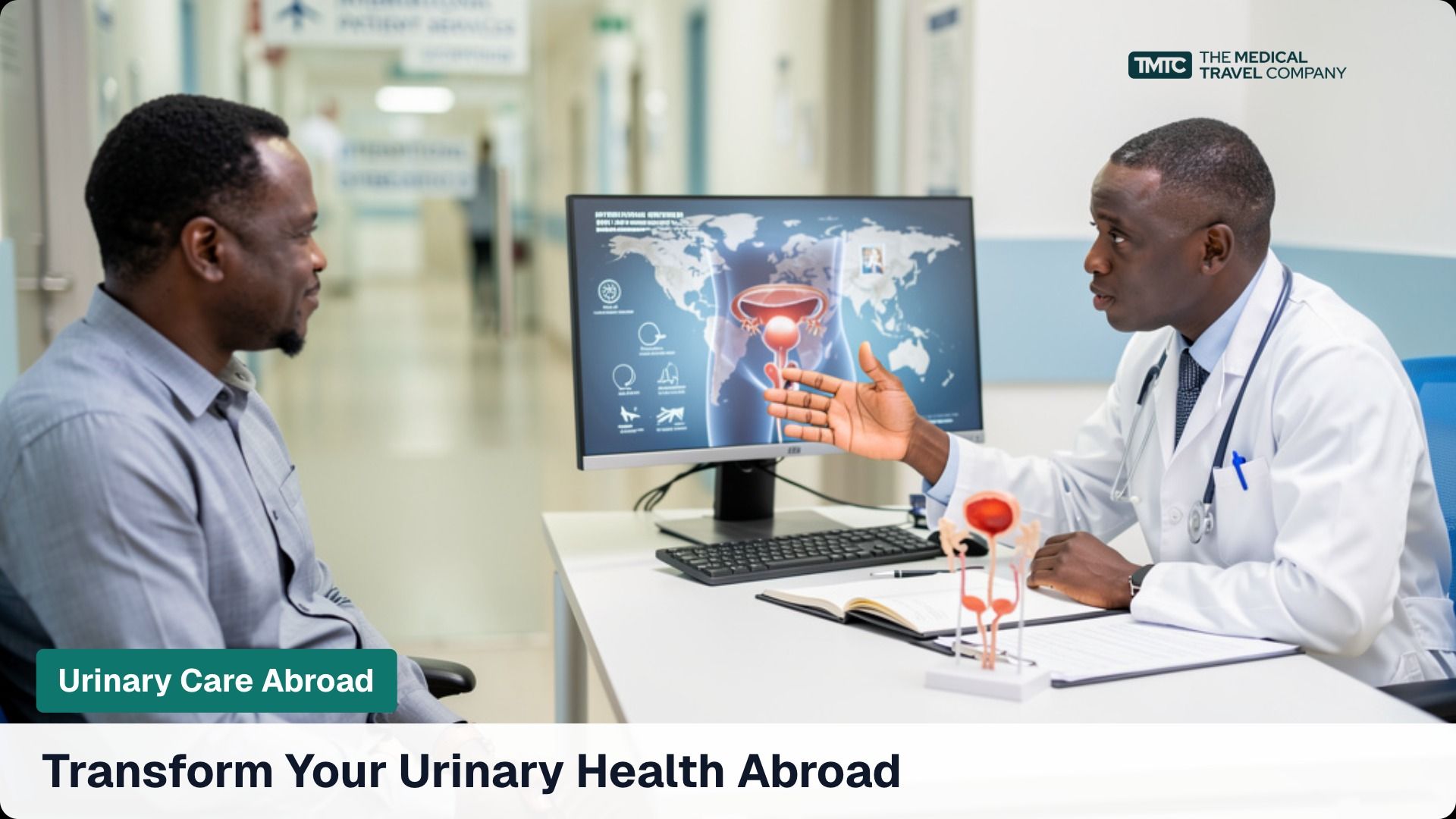
When you're dealing with urinary symptoms that disrupt your sleep, work, and daily comfort, finding the right treatment becomes a priority. For many Nigerian patients experiencing lower urinary tract symptoms, seeking care abroad offers access to advanced treatments, shorter wait times, and often more affordable options than local private healthcare.
What Are Lower Urinary Tract Symptoms (LUTS)?
LUTS refer to a group of symptoms affecting the bladder, urethra, and surrounding muscles. These aren't just minor inconveniences – they significantly impact your quality of life and can signal underlying conditions that need proper attention.
The most common symptoms include frequent urination during the day, urgency where you feel you can't delay urination, nocturia which disrupts your sleep with multiple bathroom trips, and weak urine flow that makes emptying your bladder difficult. You might also experience incomplete bladder emptying, pain during urination, or difficulty starting urination.
These symptoms affect about 45% of men and 50% of women over age 40, with the prevalence increasing with age. What starts as occasional discomfort can progress to significantly limiting your daily activities, affecting your work productivity, and causing emotional stress.
Understanding the Root Causes of Your Urinary Symptoms
Identifying what's causing your symptoms is crucial for effective treatment. The causes vary significantly between men and women, and understanding them helps you make informed decisions about seeking care.
Common Causes in Men
For men, benign prostatic hyperplasia (BPH) treatment in Uk is the leading cause of LUTS after age 50. As your prostate grows, it can compress the urethra, making urination difficult. Prostatitis, or inflammation of the prostate, can cause pain and urgency symptoms. In some cases, prostate cancer treatment in UK might be responsible, though this is less common.
Common Causes in Women
Women often experience LUTS due to urinary tract infections, which are more frequent because of shorter urethral length. Overactive bladder syndrome causes sudden, intense urges to urinate. Pelvic organ prolapse, especially after childbirth, can affect bladder function. Hormonal changes during menopause also contribute to urinary symptoms.
Other Contributing Factors
Diabetes can damage nerves controlling bladder function. Bladder stones treatment in UK create obstruction and irritation. Neurological conditions like multiple sclerosis or spinal cord injuries affect bladder control. Certain medications, particularly diuretics and some blood pressure medications, can worsen urinary symptoms.
Getting an Accurate Diagnosis Through Expert Consultation
Proper diagnosis is essential because treating LUTS without understanding the underlying cause often leads to ineffective results and continued frustration. When you pursue urology consultation in UK, you're accessing specialists who use comprehensive diagnostic approaches.
What to Expect During Your Consultation
Your urologist will start with a detailed medical history, focusing on when symptoms began, their severity, and what triggers worsen them. They'll ask about your fluid intake, medications, and how symptoms affect your daily life. A physical examination includes checking your abdomen, examining the prostate in men, and assessing pelvic organ support in women.
You'll likely complete a voiding diary before your visit, tracking fluid intake, urination frequency, and urgency episodes over several days. This provides objective data about your symptoms patterns.
Essential Diagnostic Tests
Standard LUTS Diagnostic Tests
- Urinalysis to check for infection, blood, or protein
- Post-void residual measurement using ultrasound
- Uroflowmetry to measure urine flow rate and pattern
- PSA blood test for men over 50 to screen for prostate issues
- Cystoscopy to visually examine the bladder interior
- Urodynamic studies to assess bladder function and pressure
Advanced facilities abroad often have same-day access to these tests, whereas waiting times in Nigeria can extend for weeks or months. This efficiency means you can start appropriate treatment sooner.
Treatment Options Available Abroad for LUTS
International healthcare facilities offer comprehensive treatment approaches that combine the latest medical technology with personalized care plans. The treatment strategy depends on your specific diagnosis, symptom severity, and personal preferences.
Medication Management
Alpha-blockers like tamsulosin help relax prostate and bladder neck muscles, improving urine flow in men with BPH. 5-alpha reductase inhibitors can shrink enlarged prostates over time. Anticholinergic medications reduce overactive bladder symptoms by calming bladder muscle contractions.
Beta-3 agonists represent newer options for overactive bladder with fewer side effects than traditional anticholinergics. Combination therapies often work better than single medications, and international specialists have experience optimizing these combinations.
Minimally Invasive Procedures
| Procedure | Best For | Recovery Time | Success Rate |
|---|---|---|---|
| Transurethral resection (TURP) | Enlarged prostate | 2-3 weeks | 85-90% |
| Laser prostate surgery | BPH with minimal bleeding | 1-2 weeks | 80-85% |
| Botox injections | Overactive bladder | Few days | 70-80% |
| Sacral neuromodulation | Refractory urgency | 2-4 weeks | 60-70% |
| Urethral slings | Stress incontinence | 4-6 weeks | 85-95% |
These procedures are often available with shorter waiting times abroad, and many facilities offer robotic-assisted options that weren't previously accessible to Nigerian patients.
Advanced Surgical Options
For complex cases, expert LUTS surgery in UK provides access to specialized procedures. Robotic-assisted laparoscopic surgery offers precision for reconstructive procedures. Some facilities offer experimental treatments like stem cell therapy or advanced nerve stimulation techniques still in trials.
Lifestyle Modifications That Support Treatment Success
While medical treatment addresses the underlying causes, lifestyle changes can significantly improve your symptoms and treatment outcomes. These modifications work alongside medical therapy to give you the best possible results.
Effective Lifestyle Changes for Better Urinary Health
- Time your fluid intake - drink more in the morning and reduce evening fluids
- Limit caffeine and alcohol, which can irritate the bladder
- Practice pelvic floor exercises (Kegels) daily to strengthen supporting muscles
- Maintain a healthy weight to reduce pressure on pelvic organs
- Establish regular bathroom schedules to train your bladder
- Manage constipation, which can worsen urinary symptoms
- Quit smoking, as it increases bladder cancer risk and worsens symptoms
Double voiding - urinating, waiting 30 seconds, then trying again - can help ensure complete bladder emptying. Bladder training exercises, where you gradually increase time between bathroom visits, can reduce urgency symptoms over several weeks.
Planning Your LUTS Treatment Journey Abroad
Successfully navigating treatment abroad requires careful planning, but the process doesn't have to be overwhelming. Understanding what to expect and how to prepare ensures you can focus on your health rather than logistics.
Choosing the Right Medical Facility
Look for hospitals with dedicated urology departments and international patient services. Check if the facility has JCI (Joint Commission International) accreditation, which ensures international quality standards. Research the specific urologists' credentials and experience with your condition.
Consider facilities that offer package deals including accommodation, as this simplifies logistics and often reduces overall costs. Some hospitals provide dedicated patient coordinators who speak your language and understand cultural preferences.
Preparing for Your Trip
Gather all your medical records, including previous test results, current medications, and any imaging studies. Get copies of everything translated into English if necessary. Ensure your passport has at least six months validity and check visa requirements for your destination.
Plan to stay longer than just the procedure time. Most treatments require follow-up visits, and you'll need time to recover before traveling home. Budget for accommodation, meals, and local transportation beyond the medical costs.
Post-Treatment Care and Follow-Up
Establish a follow-up plan with your treating physician before leaving. Many facilities offer telemedicine consultations for post-treatment monitoring. Ensure you have adequate medications to last until you can arrange local follow-up care in Nigeria.
Consider how to handle complications if they arise after returning home. Having detailed medical records and emergency contact information for your treating facility provides peace of mind.
Real Patient Experiences and Expert Insights
Understanding others' experiences helps set realistic expectations and builds confidence in your treatment decision. Many Nigerian patients have successfully addressed their LUTS through international care.
Patient Success StoryAfter dealing with frequent nighttime urination for two years, I finally got proper diagnosis and laser surgery in India. The procedure took 90 minutes, and I was back to normal activities within two weeks. The cost was less than half what private treatment would have been in Lagos, and the quality of care exceeded my expectations. - Emeka O., Lagos
Leading urologists emphasize that early intervention leads to better outcomes. Dr. Rajesh Taneja, a senior urologist with over 20 years of experience treating international patients, notes that Nigerian patients often wait too long before seeking treatment, allowing symptoms to worsen unnecessarily.
The key advantage of seeking treatment abroad is access to the full spectrum of treatment options in one location. Rather than trying medications for months without improvement, comprehensive evaluation can identify the most effective treatment approach quickly.
Taking the Next Step Toward Relief
Living with LUTS doesn't have to be your permanent reality. Modern treatments can significantly improve or completely resolve most urinary symptoms, allowing you to return to normal activities without constant concern about finding a bathroom.
The decision to seek treatment abroad represents an investment in your quality of life. While it requires planning and temporary travel, the long-term benefits of proper treatment far outweigh the short-term inconvenience.
Don't let embarrassment or hope that symptoms will improve on their own delay your treatment. LUTS typically worsen over time without intervention, and early treatment is more effective and less invasive than waiting until symptoms become severe.
TMTC provides personalized treatment planning for Nigerian patients seeking LUTS care abroad. Our medical consultants help you understand your options, choose appropriate facilities, and coordinate every aspect of your treatment journey. From initial consultation to post-treatment follow-up, we ensure you receive world-class care with seamless logistics support.
Whether you're dealing with frequent urination, urgency, weak flow, or nighttime symptoms, effective treatment options are available. The first step is getting an accurate diagnosis from specialists who understand the full range of LUTS treatments and can create a personalized plan that addresses your specific situation.
Your urinary health significantly impacts your overall well-being, relationships, and daily confidence. Taking action to address these symptoms opens the door to improved sleep, better work productivity, and freedom from constant symptom management. Choosing the right medical travel support ensures you can focus on recovery while experienced coordinators handle the logistics.
Related Articles

Ready to open the door to better health?