Essential Guide to Kidney Transplant for Nigerian Patients: Travel Smart
Learn everything about kidney transplants abroad for Nigerian patients. Discover costs, procedures, and recovery tips to ensure a seamless experience.
Last Updated On 29 April 20269m


Medical professional with 10+ years’ experience in diagnosis, patient care, and clinical leadership.
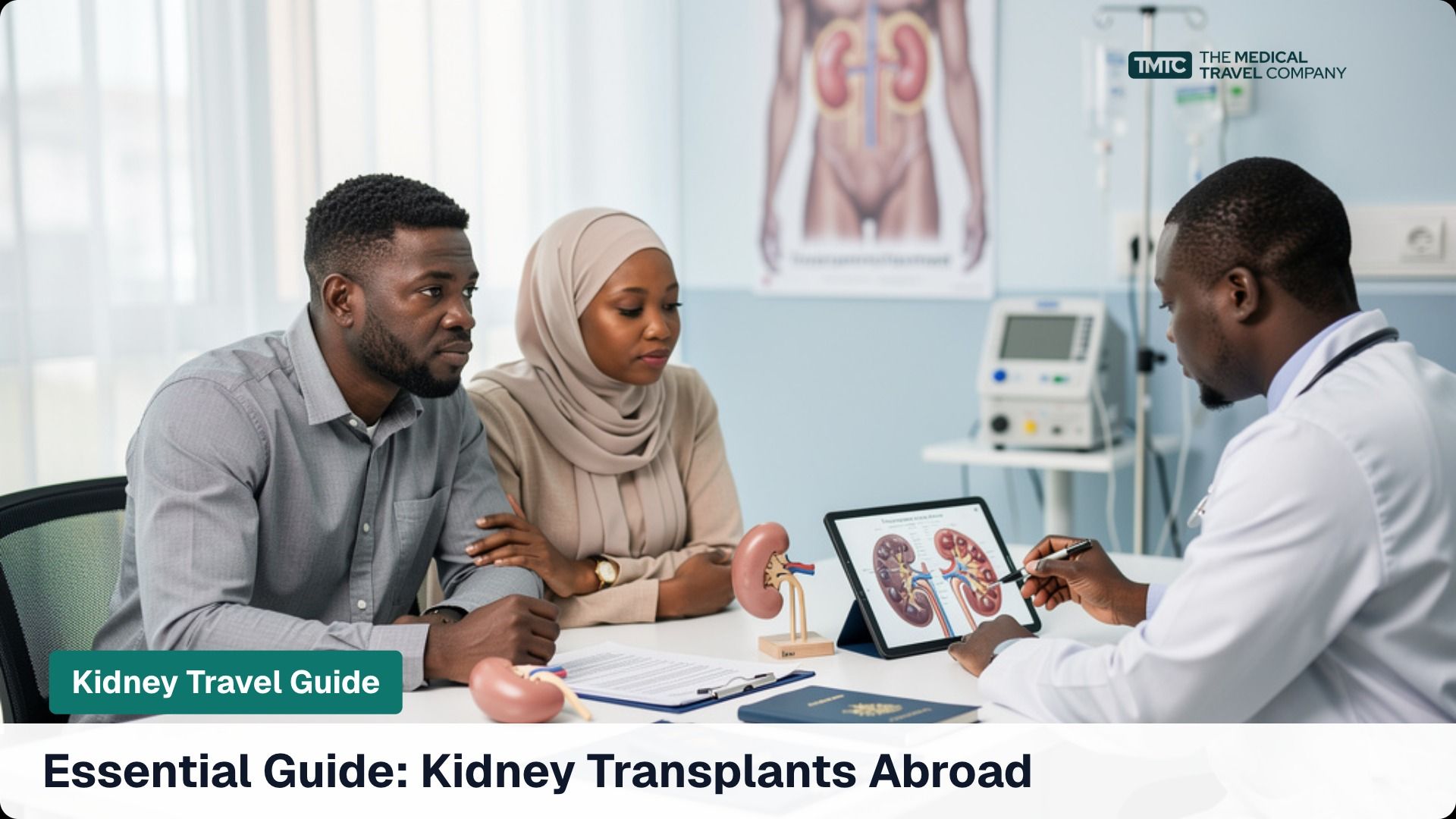
When your kidneys fail and dialysis isn't providing the quality of life you need, a transplant becomes your best option for returning to a normal, active life. For many Nigerian patients, traveling abroad for this life-changing procedure offers access to world-class care and shorter waiting lists. Understanding what lies ahead helps you make informed decisions and prepare thoroughly for your journey.
Understanding Kidney Transplants
What is a Kidney Transplant?
A kidney transplant replaces your damaged kidney with a healthy one from a donor. Unlike many other organ transplants, you can live a completely normal life with one functioning kidney. The new kidney takes over filtering waste and excess fluid from your blood, eliminating your need for dialysis.
Your damaged kidneys usually stay in place during the surgery. The surgeon places the new kidney in your lower abdomen, typically on the right side. This approach reduces surgical complexity and speeds recovery time.
Why Consider a Transplant?
Kidney transplants offer significant advantages over long-term dialysis. Studies show transplant recipients live longer and enjoy better quality of life compared to patients on dialysis. You'll have more energy, fewer dietary restrictions, and freedom from the time-consuming dialysis schedule.
Most transplant recipients return to work and regular activities within three to six months. Many describe feeling "normal" again for the first time since their kidney disease began. The improved quality of life often justifies the initial investment in traveling abroad for treatment when needed.
Transplant Process Overview
The transplant process begins with comprehensive medical evaluation to confirm you're healthy enough for surgery. Your transplant team runs blood tests, heart studies, cancer screenings, and psychological assessments. This evaluation typically takes several weeks to complete.
Once approved, you'll either wait for a deceased donor kidney or proceed with a living donor if one is available. Living donor transplants offer better outcomes and shorter waiting times. Your donor undergoes equally thorough testing to ensure their safety and compatibility.
Preparing for Your Journey Abroad
Choosing the Right Transplant Hospital
Research hospitals with strong transplant success rates and experience treating international patients. Look for centers accredited by international organizations and those offering comprehensive support services. The best facilities provide dedicated international patient coordinators who speak your language and understand your cultural needs.
Consider proximity to quality accommodations for your recovery period. You'll need to stay near the hospital for several weeks post-surgery. Some transplant centers partner with nearby hotels or provide patient housing specifically designed for transplant families.
For Nigerian patients seeking cancer treatment or other specialized care, many international medical facilities offer comprehensive packages that can include kidney transplant services as part of broader treatment plans.
Understanding Transplant Costs
Kidney transplant costs vary significantly by country and hospital. The surgery itself typically ranges from $50,000 to $300,000 depending on your destination. This includes pre-operative testing, the surgical procedure, hospital stay, and initial post-operative care.
Additional expenses include accommodation for you and your companion, flights, meals, and follow-up medications. Budget for a minimum six-week stay abroad, though some patients remain longer if complications arise. Many patients find affordable cardiology care and other specialized services available at the same facilities.
Research insurance coverage options before traveling. Some international insurers cover transplant procedures abroad, while others may require specific approvals. Create a detailed financial plan that includes contingency funds for unexpected expenses.
Finding a Donor Match
Living donor transplants provide the best outcomes, with kidneys typically lasting 15-25 years compared to 12-15 years for deceased donor kidneys. Family members often make ideal donors, but friends and altruistic donors can also be excellent matches.
Blood type compatibility is essential, though some centers perform incompatible transplants using special protocols. Your donor must be in excellent health with normal kidney function, appropriate age, and psychological readiness for the procedure.
The donor evaluation process mirrors your own assessment. Most healthy adults between 18-65 can donate safely. The donor's remaining kidney compensates fully, allowing them to live completely normal lives post-donation.
Navigating Transplant Surgery
What to Expect During the Procedure
Kidney transplant surgery typically takes three to five hours under general anesthesia. The surgeon makes an incision in your lower right abdomen, connects the new kidney to nearby blood vessels, and attaches the ureter to your bladder. Modern surgical techniques minimize scarring and reduce recovery time.
Your surgical team monitors you closely throughout the procedure. Most patients wake up in the recovery room feeling groggy but without significant pain. The new kidney often begins producing urine immediately, though some take several days to function fully.
You'll have several tubes and monitors initially, including a catheter, IV lines, and possibly a small drainage tube. These are temporary and removed as your recovery progresses. Most patients find the immediate post-operative period less challenging than expected.
Surgery Success Rate
Kidney transplant surgery has excellent success rates at experienced centers. One-year survival rates exceed 95% for recipients of living donor kidneys and about 90% for those receiving deceased donor kidneys. Five-year survival rates remain strong at approximately 90% and 80% respectively.
Success depends on multiple factors including your overall health, age, underlying kidney disease, and adherence to post-transplant medications. Patients who follow their treatment plan carefully and maintain regular follow-up achieve the best long-term outcomes.
Choosing an experienced transplant center significantly impacts your success rate. Centers performing more than 50 transplants annually typically achieve better outcomes than lower-volume programs. Don't hesitate to ask about specific success rates at your chosen facility.
Potential Risks and Complications
Like any major surgery, kidney transplants carry risks including bleeding, infection, and anesthetic complications. However, serious complications occur in less than 5% of cases at experienced centers. Your surgical team takes extensive precautions to minimize these risks.
Long-term risks center around immunosuppressive medications required to prevent rejection. These medications increase infection susceptibility and cancer risk slightly. Regular monitoring helps detect problems early when they're most treatable.
Rejection episodes affect about 20% of patients within the first year but usually respond well to treatment adjustments. Most rejection episodes don't cause permanent damage when caught early. Your transplant team will teach you warning signs to watch for.
Post-Transplant Recovery
Immediate Post-Surgery Care
Your hospital stay typically lasts 5-10 days depending on your recovery progress. During this time, your medical team monitors kidney function, adjusts medications, and watches for complications. Daily blood tests track how well your new kidney is working.
Pain management focuses on keeping you comfortable while encouraging early mobilization. Most patients walk the day after surgery and gradually increase activity. Physical therapy helps rebuild strength and endurance safely.
You'll learn about your new medication regimen before discharge. Immunosuppressive drugs prevent rejection but require precise timing and dosing. Your transplant pharmacist will review each medication's purpose, schedule, and potential side effects.
Long-term Recovery Tips
Recovery continues for several months after leaving the hospital. Most patients feel significantly better within six weeks but don't reach peak energy levels for three to six months. Patience with the gradual improvement process is essential.
Frequent follow-up appointments are crucial during the first year. Initially, you'll see your transplant team twice weekly, then monthly, then quarterly as your condition stabilizes. These visits monitor kidney function and adjust medications as needed.
Infection prevention becomes a lifelong priority due to immunosuppressive medications. Simple precautions like hand washing, avoiding crowds during flu season, and staying current with vaccinations help protect your health. Your team will provide specific guidelines.
Just as patients seeking affordable orthopaedic surgeries benefit from comprehensive post-operative care, kidney transplant recipients need ongoing support to maintain their new kidney's health long-term.
Lifestyle Changes After Transplant
A healthy lifestyle maximizes your transplant's longevity. Regular exercise, balanced nutrition, adequate sleep, and stress management all contribute to better outcomes. Your energy levels will improve dramatically compared to dialysis, enabling more active living.
Dietary restrictions are minimal compared to dialysis requirements. Focus on heart-healthy foods, maintain appropriate weight, and stay well-hydrated. Your dietitian will provide personalized guidelines based on your specific needs and any other health conditions.
Sun protection becomes more important due to increased skin cancer risk from immunosuppressive medications. Use sunscreen, wear protective clothing, and avoid peak sun hours. Regular skin examinations help detect problems early.
Real Stories and Testimonials
Patient Experiences
Many Nigerian patients have successfully undergone kidney transplants abroad, returning home with renewed energy and hope. These experiences highlight the importance of thorough preparation, choosing experienced medical teams, and maintaining realistic expectations about the recovery process.
Successful transplant recipients often emphasize the value of bringing a dedicated family member or friend for support. Having familiar faces during recovery provides emotional comfort and practical assistance with daily tasks during the healing process.
Expert Guidance for Your Journey
Medical professionals specializing in international kidney transplants stress the importance of starting the evaluation process early. Building relationships with your transplant team before surgery creates trust and ensures smooth communication throughout your treatment.
Transplant coordinators recommend maintaining detailed records of all medical information, test results, and medication changes. This documentation proves invaluable when coordinating care between international providers and your home medical team.
Many patients also benefit from connecting with other transplant recipients through support groups or online communities. These connections provide practical advice and emotional support from people who understand the unique challenges of medical travel.
Conclusion
A kidney transplant represents hope for returning to the life you enjoyed before kidney disease limited your activities. While traveling abroad for this procedure requires careful planning and significant commitment, the potential benefits often outweigh the challenges for patients facing end-stage kidney disease.
Success depends on choosing experienced medical teams, thorough preparation, and maintaining realistic expectations about the recovery process. The investment in world-class care abroad can provide decades of improved health and quality of life.
Whether you're exploring world-class fertility care or other specialized treatments, the principles of careful research, thorough preparation, and ongoing medical support apply to all international medical journeys.
Take time to research your options thoroughly, consult with multiple transplant centers, and build a strong support network for your journey. With proper preparation and expert guidance, your kidney transplant abroad can provide the fresh start you're seeking.
References:
- National Kidney Foundation - Information on kidney transplant procedures and success rates
- American Society of Transplantation - Guidelines for international transplant patients
- International Society of Nephrology - Global kidney disease statistics and treatment options
- Transplant Living (UNOS) - Comprehensive transplant education resources
- World Health Organization - International standards for organ transplantation
Related Articles



Ready to open the door to better health?