BPH Treatment Abroad: Affordable Laser Surgery Options for Nigerian Patients
Explore affordable BPH treatment abroad, including laser surgery options, costs, and expert guidance for Nigerian patients seeking relief from enlarged prostate symptoms.
Last Updated On 29 April 202611m


Medical professional with 10+ years’ experience in diagnosis, patient care, and clinical leadership.
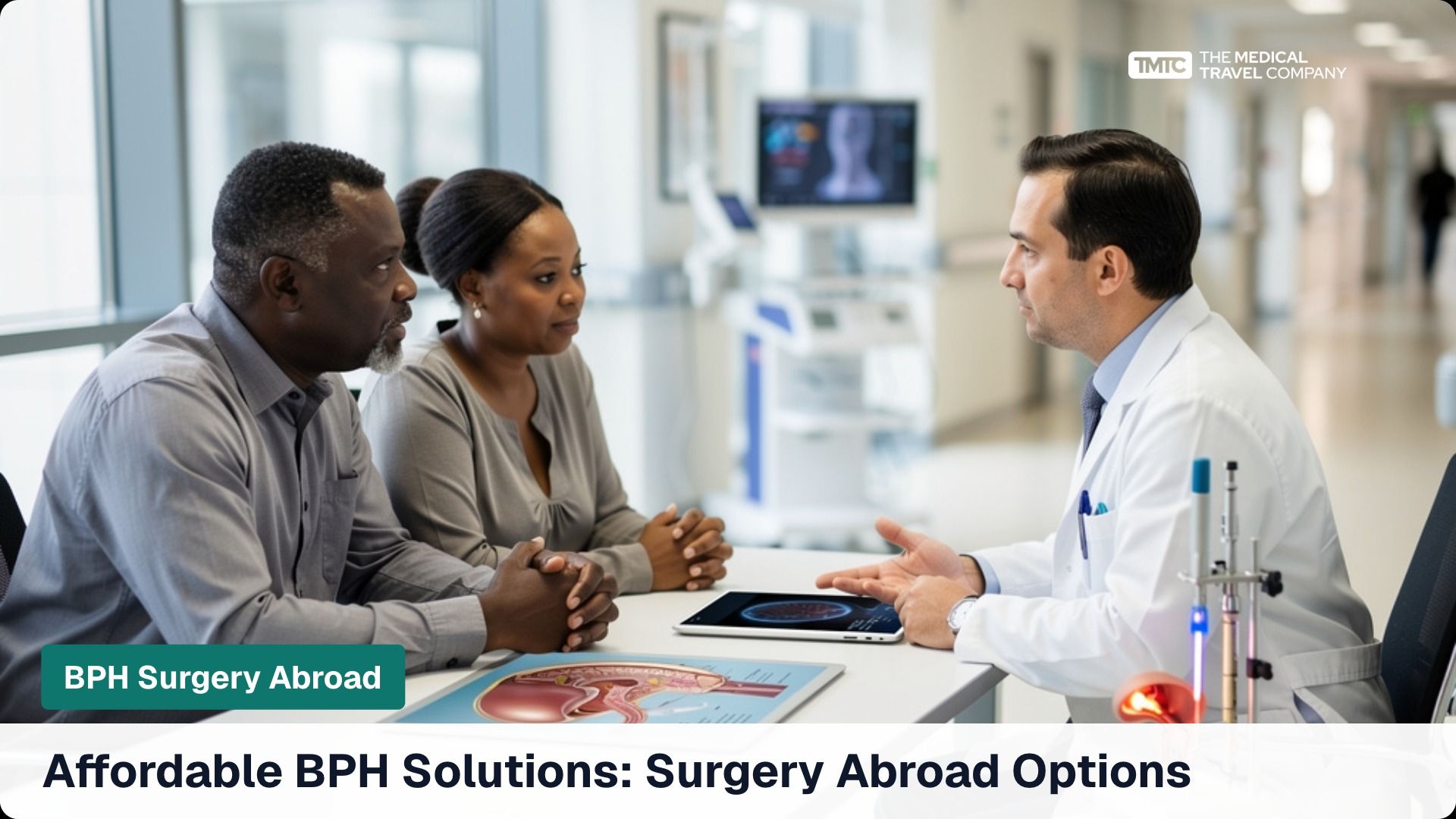
If you're waking up multiple times each night to urinate or struggling with a weak stream that takes forever, you're not alone. Benign Prostatic Hyperplasia affects millions of men worldwide, and while it's a common part of aging, it doesn't mean you have to suffer through it. For Nigerian men seeking relief from enlarged prostate symptoms, treatment abroad has become an increasingly attractive option, offering world-class care at affordable prices.
Understanding BPH and Its Symptoms
Benign Prostatic Hyperplasia, commonly known as BPH or enlarged prostate, occurs when the prostate gland gradually increases in size as men age. This enlargement isn't cancerous, but it can significantly impact your quality of life by pressing against the urethra and affecting urine flow.
What is BPH?
The prostate is a walnut-sized gland that surrounds the urethra, the tube that carries urine from your bladder. As you age, hormonal changes cause the prostate to grow larger. By age 60, about half of all men experience some degree of prostate enlargement, and this number rises to 90% by age 85.
Unlike prostate cancer, BPH doesn't spread to other parts of your body. However, the enlarged tissue can create a bottleneck effect, making it difficult for urine to pass through the urethra. This leads to the frustrating symptoms that many men experience but often dismiss as just "getting older."
Common Symptoms of Enlarged Prostate
The symptoms of BPH typically develop gradually and can significantly affect your daily routine. You might notice frequent urination, especially at night, which disrupts your sleep. Your urine stream may become weak or take a long time to start, and you might feel like your bladder isn't completely empty after urinating.
Other common symptoms include sudden urges to urinate that are difficult to control, dribbling at the end of urination, and straining to start urinating. Some men also experience pain during urination or notice blood in their urine, which requires immediate medical attention.
When to Seek Treatment
You should consult a healthcare provider when these symptoms start interfering with your daily life. If you're avoiding social activities because you're worried about bathroom access, or if you're losing sleep due to frequent nighttime urination, it's time to explore treatment options.
More urgent warning signs include complete inability to urinate, blood in urine, urinary tract infections, or kidney problems. These complications require immediate medical attention and may indicate that your BPH has progressed to a more serious stage.
Options for BPH Treatment Abroad
Many Nigerian men are discovering that seeking BPH treatment abroad offers significant advantages in terms of both quality and cost. Countries like India, Turkey, and Thailand have become popular destinations for urological procedures, providing access to cutting-edge technology and experienced specialists.
Why Consider Treatment Abroad?
The primary advantage of seeking BPH treatment abroad is access to world-class care at a fraction of the cost you'd pay in Western countries. Many international medical centers offer the same advanced laser technologies and minimally invasive procedures available in the US or Europe, but at significantly lower prices.
Additionally, wait times are typically much shorter abroad. While you might wait months for a specialist consultation in some healthcare systems, private international clinics often schedule procedures within weeks. This means you can get relief from your symptoms faster and return to your normal activities sooner.
Quality standards at leading international medical centers are often on par with or exceed those found domestically. Many facilities are accredited by international organizations and employ surgeons trained at prestigious institutions worldwide. For Nigerian patients, this represents an opportunity to access comprehensive prostate care that might not be readily available locally.
Types of Treatments Available
International medical centers offer the full spectrum of BPH treatments, from medication management to advanced surgical procedures. Medication therapy typically starts with alpha-blockers that relax prostate muscles or 5-alpha reductase inhibitors that actually shrink the prostate over time.
When medications aren't sufficient, surgical options include traditional TURP surgery, various laser procedures, and newer minimally invasive treatments like water vapor therapy or prostatic urethral lift. The choice depends on your prostate size, symptom severity, and overall health status.
Laser Surgery for BPH
Laser surgery has revolutionized BPH treatment, offering many advantages over traditional surgical approaches. These procedures use focused light energy to remove or destroy excess prostate tissue, providing relief with less bleeding, shorter recovery times, and fewer complications.
What is Prostate Laser Surgery?
Prostate laser surgery uses high-energy laser beams to remove or vaporize enlarged prostate tissue that's blocking urine flow. The laser is delivered through a thin scope inserted through the penis, allowing surgeons to precisely target problem areas without making any external incisions.
During the procedure, the laser energy either cuts away excess tissue or vaporizes it, depending on the specific technique used. The heat from the laser also seals blood vessels as it works, significantly reducing bleeding compared to traditional surgery. Most laser procedures take 60-90 minutes and can be performed under spinal or general anesthesia.
Types of Laser Surgery
Several types of laser surgery are available for BPH treatment. Photoselective vaporization of the prostate uses a green light laser to vaporize excess tissue, while holmium laser enucleation of the prostate removes tissue in larger pieces. Thulium laser procedures offer another option with excellent precision and minimal bleeding.
Each technique has specific advantages. Green light laser is excellent for men on blood thinners who can't stop their medications, while holmium procedures work well for very large prostates. Your urologist will recommend the best approach based on your prostate size, medical history, and specific symptoms.
Advantages of Laser Surgery
The benefits of laser surgery over traditional TURP surgery are significant. Recovery time is typically faster, with many men returning to normal activities within days rather than weeks. The risk of bleeding is much lower, making it safer for men taking blood-thinning medications.
Laser procedures also have lower rates of sexual side effects and incontinence compared to traditional surgery. The precise nature of laser technology allows surgeons to preserve more healthy tissue while effectively treating the enlarged areas. Most men experience immediate improvement in urination symptoms.
Cost of BPH Treatment Abroad
Understanding the financial aspect of BPH treatment abroad is crucial for making an informed decision. The cost savings can be substantial, often making advanced procedures accessible to patients who might not otherwise afford them.
Comparing Costs: Nigeria vs Abroad
While specific costs vary depending on the facility and procedure type, BPH treatment abroad typically costs 60-80% less than equivalent treatments in Western countries. For example, laser surgery that might cost $15,000-$20,000 in the US could be available for $3,000-$6,000 in top international medical centers.
Even when you factor in travel expenses, accommodation, and aftercare, the total cost often remains significantly lower than domestic options in many countries. This makes advanced laser procedures accessible to a broader range of patients seeking relief from BPH symptoms.
Breakdown of Costs for Different Procedures
| Procedure Type | Cost Range (USD) | Hospital Stay | Recovery Time |
|---|---|---|---|
| Medication Management | $200-500 | Outpatient | Ongoing |
| Green Light Laser | $3,000-5,000 | 1-2 days | 3-7 days |
| Holmium Laser Surgery | $4,000-6,000 | 1-2 days | 5-10 days |
| Traditional TURP | $2,500-4,000 | 2-3 days | 2-4 weeks |
| Minimally Invasive Options | $3,500-5,500 | Same day | 1-3 days |
These costs typically include the surgeon's fee, hospital charges, anesthesia, and immediate post-operative care. Additional expenses might include pre-operative tests, medications, extended accommodation if complications arise, and follow-up consultations.
Insurance Considerations
Before proceeding with treatment abroad, verify whether your insurance covers international medical procedures. Some insurance plans have provisions for overseas treatment, especially if the procedure isn't readily available locally or if there are significant cost savings.
Document everything carefully for insurance claims, including medical reports, receipts, and treatment summaries. Many patients find that even paying out-of-pocket abroad costs less than their insurance deductibles and co-payments for domestic treatment.
Recovery and Aftercare After BPH Surgery
Proper recovery planning is essential for successful BPH treatment abroad. Understanding what to expect during recovery helps you prepare adequately and ensures the best possible outcome from your procedure.
What to Expect Post-Surgery
Immediately after laser surgery, you'll have a catheter to help drain urine while swelling subsides. This typically remains in place for 12-48 hours, depending on the specific procedure. You might notice some blood in your urine for several days, which is normal as the treated tissue heals.
Most patients experience significant improvement in urination within days of surgery. However, it can take several weeks for all swelling to subside and for you to experience the full benefits of the procedure. Some temporary urgency or frequency is normal during the healing process.
Tips for a Smooth Recovery
Recovery Guidelines for BPH Surgery
- Drink plenty of water to help flush the urinary system
- Avoid heavy lifting (more than 10 pounds) for 2-3 weeks
- Take prescribed antibiotics to prevent infection
- Avoid driving for at least 24-48 hours after surgery
- Follow up with your surgeon as scheduled
- Monitor for signs of infection or complications
- Gradually return to normal activities as tolerated
Plan to stay near the medical facility for at least 3-5 days after surgery before traveling long distances. This allows time to ensure you're recovering properly and to address any immediate concerns that might arise.
Follow-Up Care Needs
Arrange for follow-up care both with your international surgeon and a local urologist back home. Most facilities provide detailed discharge instructions and can coordinate with your home healthcare providers to ensure continuity of care.
Keep all medical records, surgical reports, and post-operative instructions for your local doctor. This documentation is crucial for proper ongoing care and for addressing any questions that might arise during recovery.
Making the Right Decision for Your Health
Choosing the best BPH treatment approach requires careful consideration of your symptoms, lifestyle, and personal preferences. Working with experienced medical professionals helps ensure you receive a personalised treatment plan that addresses your specific needs.
Medication vs Surgery: What's Right for You?
Mild to moderate BPH symptoms often respond well to medication, which can be an excellent first-line treatment. Alpha-blockers like tamsulosin provide quick relief by relaxing prostate muscles, while 5-alpha reductase inhibitors like finasteride actually shrink the prostate over time.
Surgery becomes the preferred option when medications aren't effective, cause unacceptable side effects, or when complications like urinary retention occur. Men with severe symptoms or very large prostates often benefit more from surgical intervention than from medication alone.
The decision between different surgical approaches depends on factors like prostate size, your overall health, medications you're taking, and your preferences regarding recovery time. Expert urological evaluation in UK helps determine the most appropriate treatment approach for your specific situation.
How to Choose the Right Clinic Abroad
Selecting the right medical facility abroad requires research and due diligence. Look for hospitals with international accreditation, experienced urological teams, and strong track records in prostate surgery. Board-certified surgeons with specialized training in laser procedures typically provide the best outcomes.
Patient reviews and testimonials can provide valuable insights into the quality of care and patient experience. However, verify that reviews come from legitimate sources and reflect recent experiences, as medical practices can change over time.
Consider facilities that offer comprehensive care packages including pre-operative evaluation, surgery, post-operative monitoring, and assistance with travel arrangements. This coordinated approach ensures a smoother treatment experience and better outcomes.
Conclusion and Next Steps
BPH treatment abroad offers Nigerian men an excellent opportunity to access world-class care for enlarged prostate symptoms at affordable prices. With advanced laser surgery options, experienced international medical teams, and significant cost savings, treatment abroad can provide the relief you've been seeking.
The key to successful treatment abroad is thorough planning, choosing the right medical facility, and working with experienced healthcare providers who understand your specific needs. Whether you're dealing with frequent nighttime urination, weak stream, or other BPH symptoms, effective treatment options are available.
Don't let enlarged prostate symptoms continue to impact your quality of life. With proper evaluation and expert guidance, you can find a personalised treatment plan that provides lasting relief while offering excellent value for your healthcare investment.
References:
- Medical information in this article is based on current urological guidelines and research findings. Specific treatment recommendations should always be discussed with qualified healthcare providers who can evaluate your individual situation and medical history.
Related Articles

Ready to open the door to better health?