Bladder Cancer Treatment Abroad: A Comprehensive Guide for Nigerian Patients
Explore options for bladder cancer treatment abroad, including costs, survival rates, and personalized care plans tailored for Nigerian patients.
Last Updated On 29 April 20268m

Medical professional with 10+ years’ experience in diagnosis, patient care, and clinical leadership.
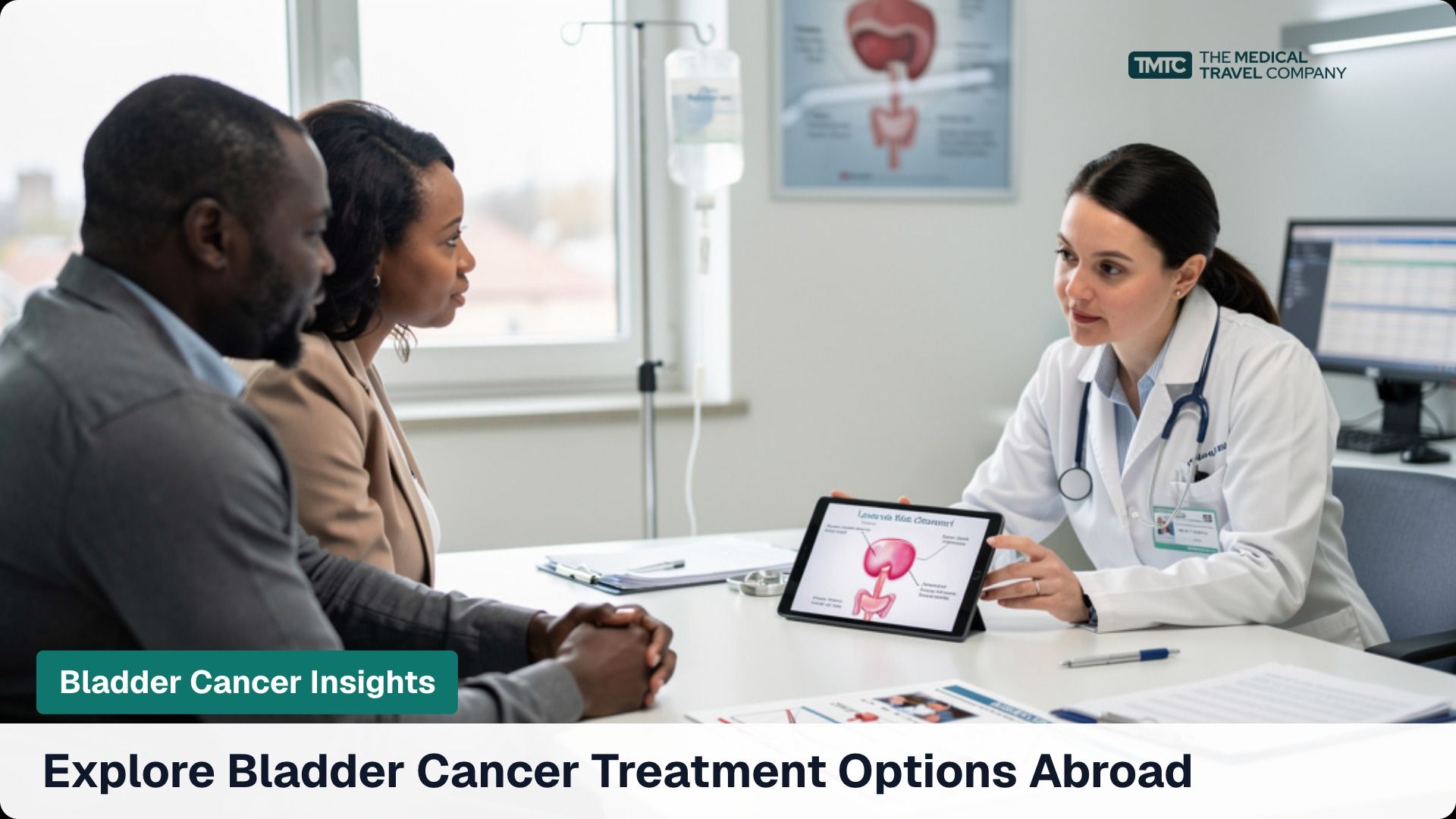
When you're facing a bladder cancer diagnosis, time becomes precious. Every day matters in your fight for recovery, and you need access to the best possible care. For many Nigerian patients, seeking bladder cancer treatment abroad opens doors to world-class facilities, advanced treatments, and potentially better outcomes at a fraction of the cost you'd expect.
The reality is that bladder cancer affects over 573,000 people worldwide each year, and early intervention dramatically improves your chances of beating this disease. While local healthcare options continue to develop, international treatment centers offer immediate access to cutting-edge therapies, experienced specialists, and comprehensive care packages designed specifically for international patients.
Understanding Your Bladder Cancer Diagnosis
Bladder cancer occurs when abnormal cells grow uncontrollably in your bladder lining. The most common type, transitional cell carcinoma, accounts for about 90% of all cases. Understanding your specific diagnosis helps you make informed decisions about treatment options.
The stage of your cancer determines your treatment path. Non-muscle invasive bladder cancer (stages 0 and 1) typically requires less aggressive treatment, while muscle-invasive cancer (stages 2 and 3) needs more comprehensive approaches. Metastatic bladder cancer (stage 4) requires specialized treatment plans that many international centers excel at providing.
Early signs of bladder cancer include blood in your urine, frequent urination, painful urination, and pelvic pain. If you've noticed these symptoms, don't wait. Quick action can mean the difference between simple outpatient procedures and complex surgical interventions. Learn more about new developments in bladder cancer treatment that might benefit your specific situation.
Why Consider Treatment Abroad?
Seeking bladder cancer treatment abroad isn't just about cost savings, though that's certainly a factor. It's about accessing immediate care from specialists who treat hundreds of bladder cancer cases each year.
International treatment centers often have shorter waiting times for procedures like TURBT (transurethral resection of bladder tumor), which can be crucial for preventing cancer progression. You'll find facilities equipped with the latest technology, including robotic surgery systems and advanced imaging equipment that might not be readily available locally.
Cost comparison reveals significant advantages too. While bladder cancer treatment in private Nigerian facilities can be expensive with limited options, countries like India, Turkey, and Thailand offer comprehensive care packages at 60-80% lower costs. These packages typically include accommodation, meals, airport transfers, and follow-up care, making your treatment journey smoother.
For comprehensive oncology care options, explore cancer treatment packages specifically designed for Nigerian patients, which include personalized treatment plans and expert guidance throughout your journey.
Treatment Options Available Internationally
Modern bladder cancer treatment involves several approaches, often combined for maximum effectiveness. Your treatment plan depends on your cancer stage, overall health, and personal preferences.
Surgical Treatments
TURBT procedure remains the gold standard for early-stage bladder cancer. During this minimally invasive surgery, doctors remove tumors through your urethra without external incisions. Most patients go home the same day or after an overnight stay.
For advanced cases, radical cystectomy removes your entire bladder and creates a new way for urine to leave your body. Robotic-assisted surgery, available at leading international centers, reduces recovery time and improves precision compared to traditional open surgery.
Chemotherapy and Immunotherapy
Chemotherapy for bladder cancer can be given directly into your bladder (intravesical) or through your bloodstream (systemic). Intravesical treatment targets cancer cells while minimizing side effects on the rest of your body.
Immunotherapy drugs like BCG (Bacillus Calmette-Guérin) help your immune system fight cancer cells more effectively. Newer immunotherapy options, including checkpoint inhibitors, are increasingly available at international treatment centers and show promising results for advanced bladder cancer.
Understanding Treatment Costs
Bladder tumor surgery costs vary significantly depending on the procedure complexity and your chosen destination. Here's what you can typically expect:
| Treatment Type | India (USD) | Turkey (USD) | Thailand (USD) | Nigeria Private (USD) |
|---|---|---|---|---|
| TURBT Procedure | $2,500-4,000 | $3,500-5,500 | $4,000-6,000 | $6,000-10,000 |
| Radical Cystectomy | $8,000-12,000 | $12,000-18,000 | $15,000-22,000 | $20,000-35,000 |
| Chemotherapy (6 cycles) | $3,000-5,000 | $4,500-7,000 | $5,500-8,500 | $8,000-15,000 |
| Immunotherapy (per cycle) | $800-1,200 | $1,200-1,800 | $1,500-2,200 | $2,500-4,000 |
These costs typically include hospital stays, surgeon fees, anesthesia, and basic medications. Additional expenses to budget for include pre-treatment diagnostics ($500-1,500), accommodation for companions ($30-100 per night), and follow-up consultations ($100-300 each).
Recovery after bladder surgery varies by procedure type. TURBT patients usually recover within 2-3 weeks, while radical cystectomy requires 6-8 weeks for full recovery. Planning for extended stays helps ensure you're fully healed before traveling home.
What to Expect During Recovery
Recovery is a gradual process that requires patience and proper support. Understanding what lies ahead helps you prepare mentally and physically for your healing journey.
Recovery Milestones and Care Steps
- Follow catheter care instructions exactly as provided by your medical team
- Attend all scheduled follow-up appointments, even if you feel well
- Monitor for signs of infection: fever, unusual discharge, or worsening pain
- Gradually increase physical activity as cleared by your doctor
- Maintain proper hydration (8-10 glasses of water daily unless restricted)
- Take prescribed medications on schedule, including pain management
- Plan for regular cystoscopy follow-ups every 3-6 months initially
Most international treatment centers provide comprehensive aftercare packages. These include 24/7 nursing support during your hospital stay, detailed discharge instructions in your preferred language, and direct access to your surgical team for any concerns that arise during recovery.
Physical therapy often plays a crucial role in your recovery, especially after major surgery. Many facilities include this in their treatment packages, helping you regain strength and mobility more quickly than you might recover on your own.
Understanding Survival Rates and Prognosis
Bladder cancer survival rates have improved significantly in recent years thanks to earlier detection and better treatments. The five-year survival rate for localized bladder cancer is approximately 96%, while regional spread drops this to about 70%.
Your individual prognosis depends on several factors: cancer stage at diagnosis, tumor grade, your overall health, and how well you respond to treatment. Age also plays a role, with younger patients typically having better outcomes.
Early detection dramatically improves your chances. When caught in stage 0 or 1, bladder cancer is highly treatable with excellent long-term outcomes. This is why recognizing early signs of bladder cancer and seeking prompt medical attention is so important.
Personalized treatment plans, increasingly available at international centers, take into account your specific cancer characteristics, genetic factors, and personal health history. This tailored approach often leads to better outcomes than one-size-fits-all treatment protocols.
Choosing the Right Medical Facility
Not all international treatment centers are created equal. You want facilities with specific expertise in bladder cancer treatment, not just general cancer care.
Look for hospitals accredited by international organizations like JCI (Joint Commission International) or similar bodies. These accreditations ensure the facility meets global standards for patient safety, care quality, and infection control.
Surgeon experience matters tremendously in cancer treatment. Ask about your surgeon's specific experience with bladder cancer cases, their complication rates, and patient outcomes. The best centers will gladly share this information and put you in touch with previous patients if desired.
Language support is crucial for clear communication about your care. Top facilities provide medical interpreters and have staff members who speak English fluently. Some even offer patient coordinators who speak local Nigerian languages.
Consider facilities that specialize in medical tourism and understand the unique needs of international patients. They typically offer comprehensive packages that include airport transfers, accommodation assistance, and help with local logistics.
Taking Your Next Steps Forward
Your journey to recovery starts with gathering information and making informed decisions. Don't let fear or uncertainty delay your treatment when excellent options are available.
Start by collecting your medical records, test results, and any imaging studies you've had done. International treatment centers need this information to provide accurate treatment recommendations and cost estimates.
Consider getting second opinions from multiple international centers. This helps you compare treatment approaches, costs, and facility capabilities. Most reputable centers offer free initial consultations for international patients.
Expert guidance makes this process much easier. Working with experienced medical travel coordinators ensures you choose the right facility, understand all costs upfront, and have support throughout your treatment journey. They can also help with practical matters like visa requirements, travel insurance, and accommodation arrangements.
Time is important in cancer treatment, but taking a few days to research your options thoroughly is time well spent. The right treatment center and approach can make a significant difference in your outcomes and overall experience.
Remember that seeking treatment abroad doesn't mean you're abandoning local medical support. Many patients work with both international treatment centers and local oncologists to ensure continuity of care when they return home.
References:
- American Cancer Society - Bladder Cancer Statistics and Treatment Guidelines
- International Agency for Research on Cancer - Global Cancer Observatory Data
- European Association of Urology - Bladder Cancer Treatment Protocols
- Journal of Clinical Oncology - Survival Rates and Treatment Outcomes
- Medical Tourism Association - International Treatment Cost Analysis
Related Articles

Ready to open the door to better health?