Knee Replacement Abroad for Kenyan Patients: Cost, Recovery, and Expert Insights
Explore affordable knee replacement options abroad for Kenyan patients including costs, recovery times, and best surgeons.
Last Updated On 29 April 20269m


Medical professional with 10+ years’ experience in diagnosis, patient care, and clinical leadership.
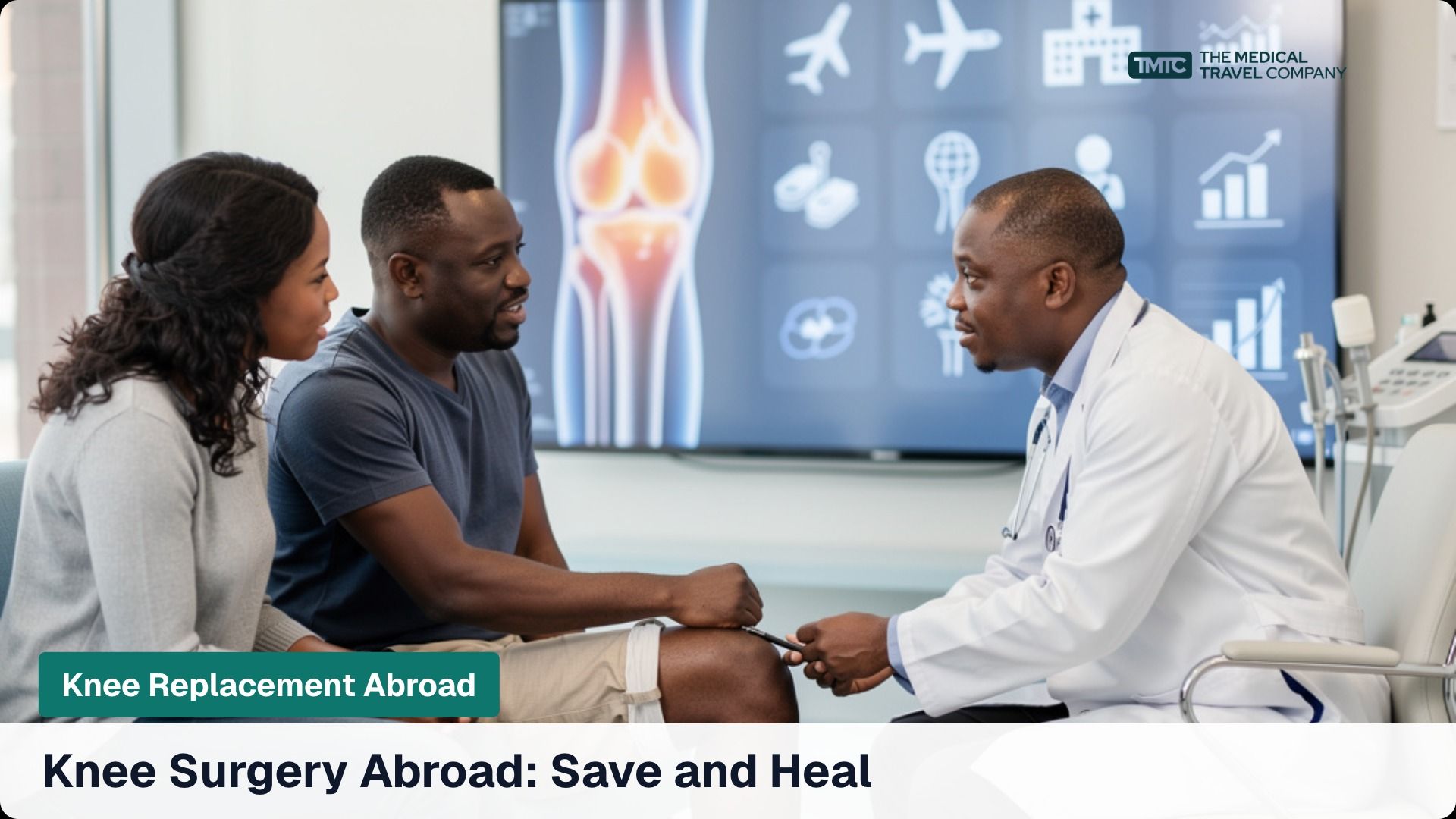
When knee pain becomes unbearable and conservative treatments aren't working, knee replacement surgery abroad offers Kenyan patients a chance at significant savings while receiving world-class care. Countries like India, Turkey, and Thailand have become trusted destinations where patients can access expert orthopedic surgeons and modern facilities at a fraction of the cost back home.
Why Kenyan Patients Choose Knee Replacement Surgery Abroad
Knee replacement surgery, also called knee arthroplasty, involves replacing damaged knee joint surfaces with artificial implants. This procedure can dramatically reduce pain and restore mobility for patients with severe arthritis, injury, or wear-and-tear damage.
The appeal of seeking treatment abroad goes beyond just cost savings. Many international hospitals offer shorter waiting times, access to the latest surgical techniques like robotic knee replacement, and comprehensive care packages that include accommodation and transportation. For Kenyan patients facing long public healthcare queues or high private treatment costs, medical tourism presents an attractive alternative.
Common concerns about traveling for surgery include language barriers, follow-up care, and quality standards. However, many international medical centers cater specifically to African patients, offering English-speaking staff and coordinated care plans that address these worries. Specialized knee replacement programs often include dedicated patient coordinators who guide you through every step of the process.
Understanding Knee Replacement Costs Abroad
Cost Comparison by Popular Destinations
The cost difference between Kenya and international destinations can be substantial. In Kenya, private knee replacement surgery typically costs between $8,000-$15,000. Meanwhile, top-quality treatment abroad often costs significantly less while maintaining high standards.
| Country | Surgery Cost (USD) | Hospital Stay | Key Benefits |
|---|---|---|---|
| India | $3,500 - $6,000 | 5-7 days | Advanced technology, English-speaking staff |
| Turkey | $4,000 - $7,500 | 5-6 days | European standards, cultural familiarity |
| Thailand | $5,000 - $8,500 | 6-8 days | Luxury facilities, tourism opportunities |
| Malaysia | $4,500 - $7,000 | 5-7 days | Islamic-friendly environment, excellent infrastructure |
These prices typically include surgeon fees, hospital charges, implant costs, and basic aftercare. However, you'll need to budget for additional expenses like flights, accommodation for accompanying family members, and extended stay costs if complications arise.
Hidden Costs to Consider
Beyond the surgery itself, factor in travel expenses (usually $800-$1,500 for flights), accommodation for recovery ($50-$150 per night), meals, local transportation, and potential extended stay costs. Some patients also choose to purchase international health insurance or travel medical coverage for added peace of mind.
Many hospitals offer all-inclusive packages that bundle surgery, accommodation, airport transfers, and even local sightseeing for accompanying family members. These packages often provide better value and eliminate the stress of coordinating multiple services independently.
Selecting the Right Surgeon and Hospital
What Makes a Top Knee Surgeon
The best knee surgeons abroad typically have international training, extensive experience with knee arthroplasty, and specialization in the latest techniques. Look for surgeons who have performed at least 200 knee replacements annually and hold certifications from recognized international medical bodies.
Board certification, fellowship training in joint replacement surgery, and published research in orthopedic journals indicate a surgeon's expertise. Many top surgeons also have experience treating international patients and understand the unique needs of African patients, including genetic factors that might influence implant selection.
Essential Criteria for Choosing Your Surgeon
- Board certification in orthopedic surgery
- Fellowship training in joint replacement
- Minimum 200 knee replacements performed annually
- Experience with robotic-assisted surgery techniques
- Positive patient testimonials from similar demographics
- Hospital affiliation with JCI or ISO accreditation
- Clear communication in English
- Transparent pricing and package details
Hospital Accreditation and Safety Standards
Choose hospitals with Joint Commission International (JCI) accreditation or equivalent international certifications. These standards ensure the facility meets global benchmarks for patient safety, infection control, and quality care. Many top hospitals also maintain ISO 9001 certification for quality management systems.
Patient testimonials provide valuable insights into the real experience of treatment. Look for reviews from patients with similar backgrounds and medical conditions. Many hospitals can connect you with previous patients who are willing to share their experiences directly.
Recovery Timeline and What to Expect
Initial Recovery Phase (0-6 weeks)
Your hospital stay knee replacement typically lasts 5-7 days, during which medical staff will monitor your progress and begin early mobilization. Most patients start walking with assistance within 24-48 hours after surgery, using walking aids like walkers or crutches.
Pain management during this phase involves a combination of medications, ice therapy, and gentle movement exercises. Many hospitals now use multimodal pain management protocols that minimize opioid use while effectively controlling discomfort. You'll work with physiotherapists daily to regain basic mobility and learn proper walking techniques.
Before traveling home, your surgeon will ensure you can safely navigate stairs, perform basic daily activities, and follow your medication regimen. Most patients can fly home 7-14 days after surgery, though some prefer staying longer for additional peace of mind. Similar recovery protocols apply to other joint replacement procedures.
Extended Recovery (6 weeks - 6 months)
Once home, your recovery continues with outpatient physiotherapy. The importance of physiotherapy after knee surgery cannot be overstated - it's essential for regaining full range of motion, strength, and confidence in your new knee. Most patients achieve 90% of their final outcome within 3-4 months.
Walking after knee surgery abroad follows a predictable progression. Most patients graduate from walker to canes within 2-4 weeks, and many can walk without aids by 6-12 weeks. However, everyone heals differently, and factors like age, overall fitness, and adherence to physiotherapy significantly impact recovery speed.
Returning to Daily Activities After Surgery
When Can You Walk Normally Again?
The timeline for walking after knee surgery varies, but most patients achieve these milestones: walking short distances with assistance by day 2-3, using a walker for 2-4 weeks, progressing to a cane for 4-8 weeks, and walking independently by 8-12 weeks. Some patients walk normally sooner, while others need more time.
Your new knee will continue improving for up to a year after surgery. Many patients notice gradual increases in walking distance, stair climbing ability, and overall confidence. Activities like swimming, cycling, and gentle hiking often become possible again, dramatically improving quality of life.
Post-Surgery Activity Guidelines
- Week 1-2: Short walks with walker, basic home activities
- Week 3-6: Longer walks with cane, driving short distances
- Week 6-12: Independent walking, return to desk work
- Month 3-6: Low-impact exercise, swimming, cycling
- Month 6-12: Most activities resumed, avoid high-impact sports
- Follow-up appointments at 6 weeks, 3 months, 1 year
Adapting Your Home and Lifestyle
Before surgery, prepare your home for recovery. Install grab bars in bathrooms, ensure adequate lighting, remove trip hazards like loose rugs, and arrange frequently used items at accessible heights. Many patients benefit from a raised toilet seat and shower chair during early recovery.
Your physiotherapist will teach specific exercises to perform at home, focusing on range of motion, strength building, and functional movements. Consistency with these exercises significantly impacts your final outcome and helps prevent complications like stiffness or muscle weakness.
Alternative Treatments and Future Innovations
Non-Surgical Knee Pain Treatment Options
Before considering surgery abroad, explore conservative treatments. These include physical therapy, anti-inflammatory medications, weight management, activity modification, and injections like corticosteroids or hyaluronic acid. While these approaches can't cure severe arthritis, they might delay the need for surgery.
Some patients benefit from newer treatments like platelet-rich plasma (PRP) therapy or stem cell treatments, though research on their long-term effectiveness remains limited. Other orthopedic conditions might also require different treatment approaches before considering surgical options.
Robotic Surgery and Advanced Techniques
Many international centers now offer robotic knee replacement benefits, including improved precision, better implant positioning, and potentially faster recovery. Robotic-assisted surgery allows surgeons to create personalized surgical plans based on detailed 3D imaging of your specific anatomy.
The future of knee surgery includes advances in implant materials, minimally invasive techniques, and personalized medicine approaches. Some centers offer patient-specific implants designed from your exact anatomy, though these options typically cost more than standard implants.
Making Your Decision and Next Steps
Choosing knee replacement abroad requires careful consideration of your specific situation, financial resources, and support system. The potential savings are significant, but success depends on thorough research, realistic expectations, and commitment to your recovery process.
Start by consulting with orthopedic specialists to confirm you're a good candidate for surgery. Get multiple opinions, both locally and from international centers, to compare recommendations and approaches. Most reputable medical tourism providers offer virtual consultations to assess your case before you travel.
Consider factors like your age, overall health, available support during recovery, and ability to travel for follow-up care if needed. Some complications might require local medical attention, so ensure you have access to qualified orthopedic care in Kenya for ongoing support.
When ready to move forward, request detailed treatment plans, cost breakdowns, and references from previous patients. Reputable providers should be transparent about all aspects of your care and willing to answer detailed questions about the process.
Remember that successful knee replacement abroad requires active participation in your recovery, adherence to physiotherapy recommendations, and patience as your body heals. With proper planning and realistic expectations, many Kenyan patients achieve excellent outcomes while saving substantial money compared to local private treatment options.
References:
- This article synthesizes current medical knowledge and best practices for knee replacement surgery abroad, drawing from established orthopedic surgical protocols and medical tourism industry standards to provide accurate, helpful guidance for Kenyan patients considering this treatment option.
Related Articles

Ready to open the door to better health?