Fertility Surgeries Abroad for Kenyan Patients: Top Options and Expected Outcomes
Explore world-class fertility surgery options abroad for Kenyan patients, including costs and benefits of various procedures.
Last Updated On 29 April 20268m

Medical professional with 10+ years’ experience in diagnosis, patient care, and clinical leadership.
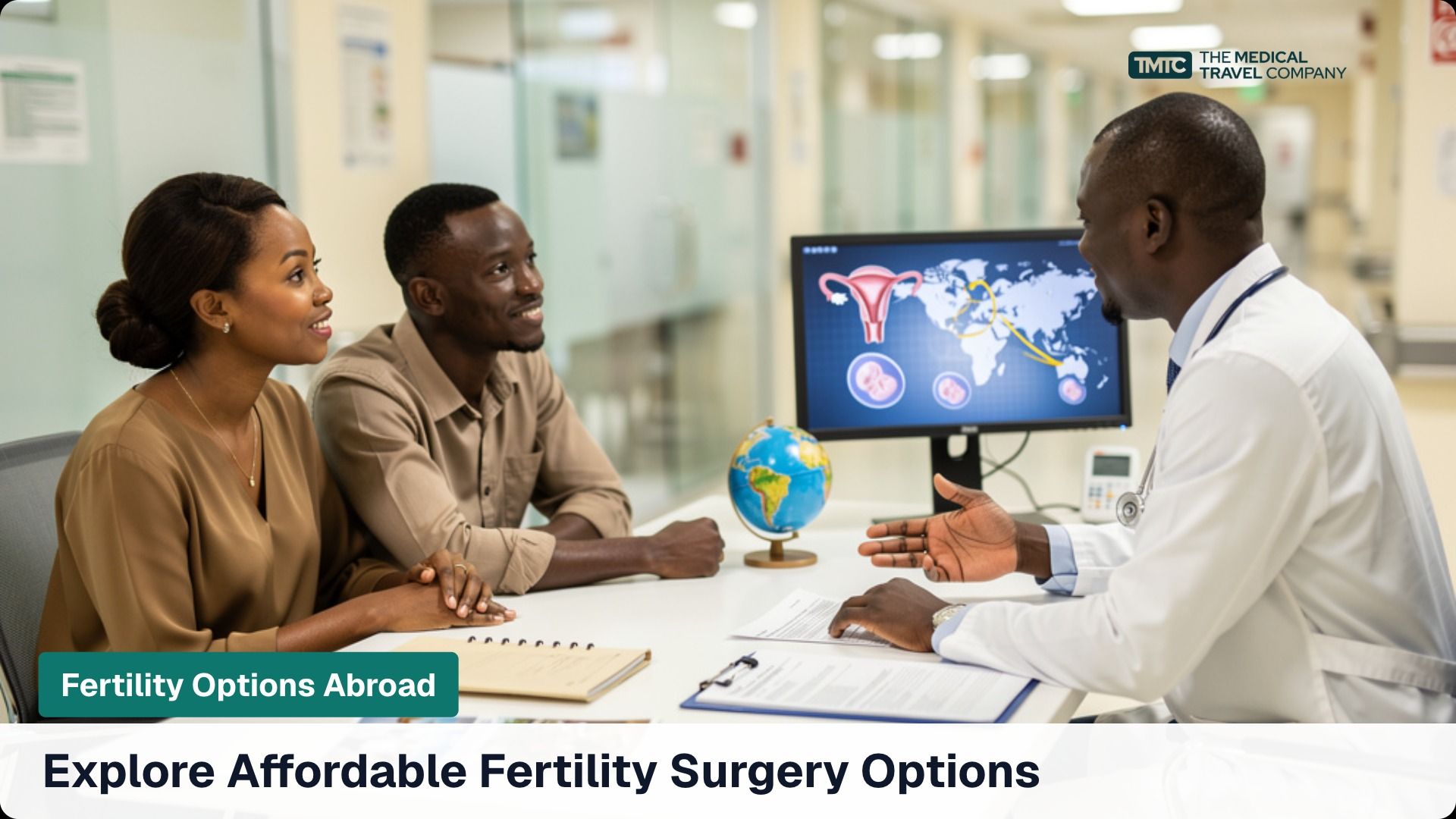
When fertility challenges leave you feeling overwhelmed, surgical options abroad can offer new hope and world-class solutions at affordable costs. For many Kenyan couples struggling with conception, reproductive surgery performed by expert specialists in leading medical destinations has become a pathway to parenthood.
Fertility surgery abroad isn't just about cost savings - though you can save up to 50% compared to similar procedures in Western countries. It's about accessing cutting-edge techniques, shorter waiting times, and personalised treatment plans from internationally trained surgeons who specialise exclusively in reproductive health.
Understanding Fertility Surgeries and Why Patients Choose Treatment Abroad
Fertility surgery encompasses minimally invasive procedures designed to correct physical barriers to conception. These surgeries address conditions like endometriosis, uterine fibroids, blocked fallopian tubes, and structural abnormalities that prevent natural pregnancy or reduce the success of assisted reproductive treatments like IVF for Kenya couples.
The decision to seek treatment abroad often comes down to three key factors: expertise, affordability, and timing. Many fertility specialists abroad have completed advanced training at world-renowned institutions and focus exclusively on reproductive surgery. This specialisation means they perform hundreds of these procedures annually, leading to higher success rates and fewer complications.
Cost considerations also play a significant role. While fertility treatments in Kenya are growing, the options remain limited and expensive. Seeking surgery abroad through established medical tourism providers allows you to access world-class care at a fraction of the cost, often including accommodation, airport transfers, and comprehensive aftercare support.
Most Common Fertility Surgery Options for Kenyan Patients
Laparoscopic Fertility Surgery
Laparoscopic fertility surgery represents the gold standard for treating many reproductive conditions with minimal invasiveness. This keyhole surgery technique uses tiny incisions and a small camera to visualise and repair internal structures without large surgical cuts.
The procedure effectively treats endometriosis, removes ovarian cysts, opens blocked fallopian tubes, and corrects structural abnormalities. Recovery time is typically 1-2 weeks, compared to 4-6 weeks for traditional open surgery. Success rates vary by condition, but studies show 40-60% of women conceive naturally within 12 months of laparoscopic treatment for endometriosis.
Hysteroscopy Procedures
Hysteroscopy allows surgeons to examine and treat the inside of your uterus using a thin, lighted telescope inserted through the cervix. This outpatient procedure requires no incisions and can often be completed under local anaesthesia.
Common hysteroscopic treatments include removing uterine polyps, dividing uterine septums, and treating intrauterine adhesions. The procedure typically takes 15-45 minutes, and most women return to normal activities within 2-3 days. When performed for specific indications, hysteroscopy can improve pregnancy rates by 15-20% for women undergoing IUI treatment.
Fibroid Removal Surgery
Uterine fibroids affect up to 70% of women by age 45, and certain types can significantly impact fertility. Myomectomy - surgical removal of fibroids while preserving the uterus - can restore normal uterine function and improve conception chances.
The surgical approach depends on fibroid size, number, and location. Laparoscopic myomectomy works best for smaller fibroids, while larger ones may require open surgery. Success rates are encouraging: studies show 40-50% of women conceive within two years of myomectomy, with the highest success rates in women under 35.
| Surgery Type | Typical Recovery Time | Impact on Fertility / Success Rate | Best For |
|---|---|---|---|
| Laparoscopic Surgery | 1–2 weeks | 40–60% pregnancy rate improvement | Endometriosis, ovarian cysts, fallopian tube blockages |
| Hysteroscopy | 2–3 days | 15–20% fertility improvement | Uterine polyps, uterine septum, intrauterine adhesions |
| Fibroid Removal (Myomectomy) | 2–6 weeks | 40–50% fertility improvement | Submucosal and intramural fibroids affecting fertility |
| Tubal Surgery | 1–3 weeks | 20–40% pregnancy rate | Blocked or damaged fallopian tubes |
Understanding the Costs of Reproductive Surgery Abroad
Reproductive surgery costs vary significantly depending on the procedure complexity, hospital location, and included services. However, the savings compared to similar treatments in Western countries remain substantial across all procedure types.
Laparoscopic fertility surgery typically ranges from $2,000-$4,500, including hospital fees, surgeon costs, and basic accommodation. Hysteroscopy procedures are generally less expensive, ranging from $800-$2,000 depending on the complexity of treatment required. Fibroid removal costs depend on the surgical approach and fibroid characteristics, typically falling between $2,500-$5,500.
These costs often include comprehensive packages covering pre-operative consultations, surgery, hospital stay, medications, and follow-up appointments. Many medical tourism providers also include airport transfers, accommodation for recovery, and coordinator services to ensure a seamless experience throughout your treatment journey.
Financing options make treatment more accessible for many couples. Some providers offer payment plans, while certain insurance policies may cover portions of the treatment, especially if surgery is deemed medically necessary rather than elective. It's worth exploring all financial options before making your decision.
Proven Benefits of Fertility Surgery
The benefits of fertility surgery extend beyond simply improving conception chances. These procedures can alleviate painful symptoms, reduce the risk of pregnancy complications, and improve overall reproductive health for years to come.
Endometriosis Surgery Outcomes
Endometriosis surgery provides both fertility and quality-of-life benefits. Studies consistently show that laparoscopic treatment of mild to moderate endometriosis doubles natural conception rates compared to no treatment. Beyond fertility improvements, 70-80% of women experience significant pain reduction after surgery.
The surgery also improves success rates for assisted reproductive treatments. Women who undergo endometriosis surgery before fertility-enhancing therapies show 15-25% higher pregnancy rates compared to those who proceed directly to IVF without surgical treatment.
Long-term Fertility Improvement
Fertility surgery creates lasting improvements in reproductive function. Unlike medications that require ongoing use, surgical corrections address underlying structural problems permanently. This means the benefits continue for years after the procedure, giving you multiple opportunities to conceive naturally.
Research shows that 60-70% of successful pregnancies following fertility surgery occur within the first 18 months post-operation. However, conception can continue to occur naturally for several years after surgery, making it a worthwhile investment in your long-term reproductive health.
Key Benefits of Fertility Surgery
- Addresses root causes of infertility permanently
- Improves natural conception chances by 40-60%
- Enhances success rates of assisted reproductive treatments
- Reduces painful symptoms associated with reproductive conditions
- Creates lasting improvements in reproductive function
- May prevent pregnancy complications in the future
Selecting the Right Clinic and Surgeon
Choosing the right clinic requires careful research into credentials, experience, and patient outcomes. Look for facilities with international accreditation from organisations like Joint Commission International (JCI) or similar bodies that maintain strict quality standards.
Your surgeon should be board-certified in reproductive endocrinology or gynaecological surgery with specific training in fertility procedures. Ask about their annual procedure volumes - surgeons who perform 50+ fertility surgeries yearly typically achieve better outcomes than those who do these procedures occasionally.
Patient testimonials and success rates provide valuable insights, but make sure these statistics are current and relevant to your specific condition. The best clinics will provide detailed outcome data and connect you with former patients who consent to share their experiences.
Communication is crucial throughout your treatment journey. Choose providers who offer comprehensive support services including pre-treatment consultations, treatment coordination, and post-operative follow-up care. This support network becomes especially important when you return to Kenya for recovery and ongoing fertility treatments.
Planning Your Fertility Surgery Journey
Successful fertility surgery abroad requires careful planning and preparation. Start by obtaining all relevant medical records, including recent fertility tests, imaging studies, and previous treatment history. This documentation helps your surgical team develop the most appropriate treatment plan.
Schedule your surgery during a time when you can dedicate 2-3 weeks to recovery without work or family pressures. Most procedures require 3-7 days of initial recovery abroad, followed by 1-2 weeks of limited activity once you return home.
Pre-operative preparation may include stopping certain medications, completing additional tests, or beginning preparatory treatments. Your surgical team will provide specific instructions based on your individual case and chosen procedure.
Essential Preparation Steps
- Gather complete medical records and test results
- Obtain travel insurance that covers medical procedures
- Arrange work leave for 2-3 weeks minimum
- Plan accommodation for recovery period
- Identify local follow-up care providers in Kenya
- Complete required pre-operative tests and consultations
Post-operative care is crucial for optimal outcomes. Establish relationships with Kenyan healthcare providers who can monitor your recovery and coordinate any additional fertility treatments. Many surgical centres maintain relationships with local doctors to ensure continuity of care after you return home.
A Word From the TMTC Team
We've helped couples access world-class fertility care at affordable prices. Our comprehensive support includes everything from initial consultation to post-treatment follow-up, ensuring you receive personalised treatment plans and expert guidance throughout your journey to parenthood.
Taking the step toward fertility surgery abroad represents an investment in your future family. With proper planning, expert surgical care, and comprehensive support services, many couples find that international treatment provides the solution they've been seeking. Whether you're considering world-class fertility care options or exploring specific surgical interventions, the combination of expertise, affordability, and comprehensive care makes treatment abroad an increasingly popular choice for Kenyan families.
References:
- This article was compiled using current medical literature and established clinical guidelines for fertility surgery procedures. Specific outcome data and success rates mentioned reflect peer-reviewed studies and established medical protocols for reproductive surgical interventions.
Related Articles

Ready to open the door to better health?