Breast Cancer Treatment in India for Kenyan Patients: Costs, Options and What to Expect
Explore breast cancer treatment in India for Kenyan patients, including surgery options, costs, specialist hospitals, recovery and TMTC support.
Published on 3 November 202610m



Medical content writer with dental expertise (BDS, MSc in F. Odont.), focused on cross-border healthcare.
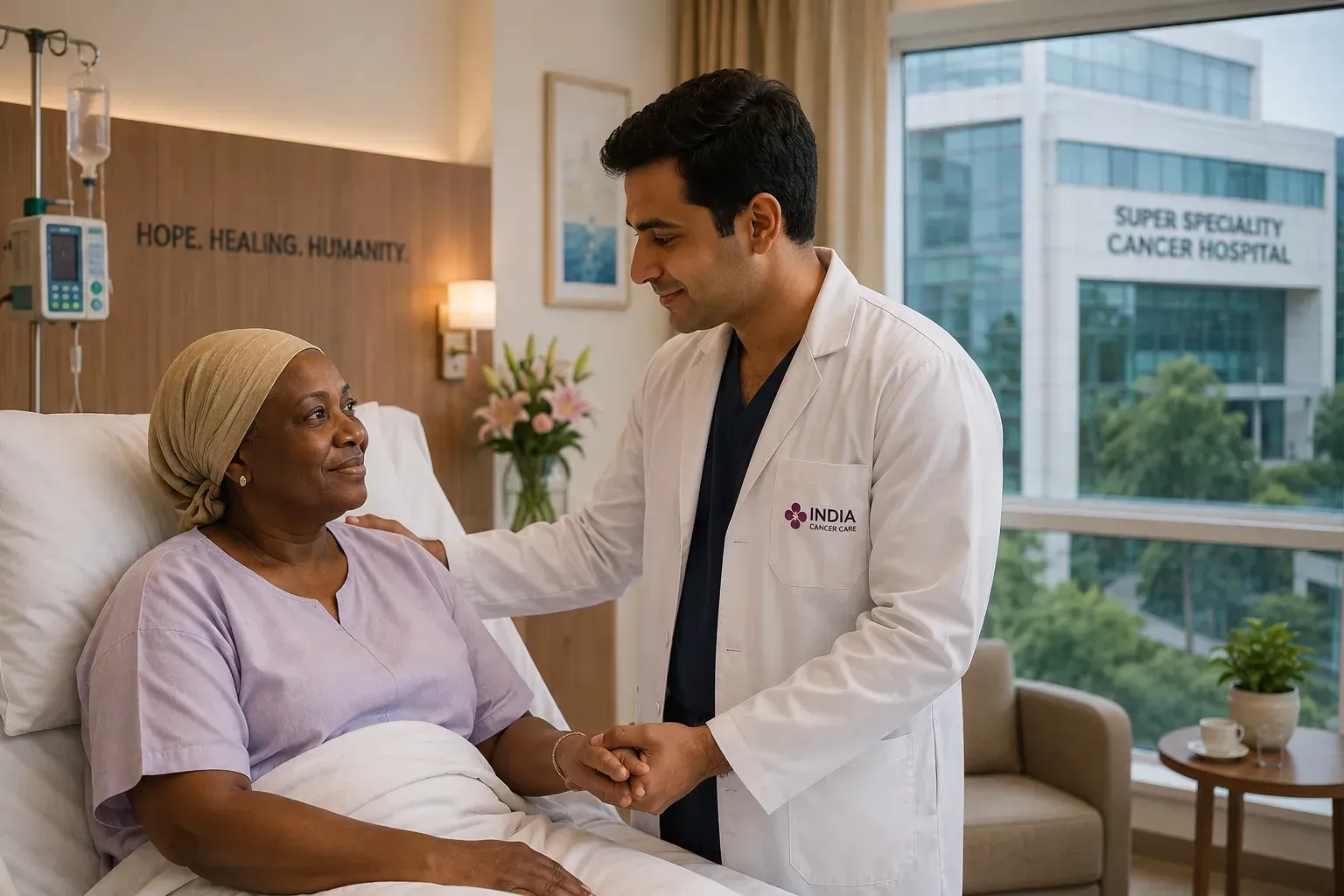
A breast cancer diagnosis can bring difficult decisions for patients and their families. Understanding the available treatments, finding the right specialist and managing the financial implications are all important parts of the journey. For patients in Kenya considering treatment abroad, India offers access to specialist cancer care, surgical oncology and multidisciplinary treatment at established hospitals.
The Medical Travel Company (TMTC) helps Kenyan patients explore breast cancer treatment options in India by coordinating specialist consultations, hospital arrangements, travel planning and recovery support. This guide covers breast cancer treatment options, indicative costs, how to choose a hospital, and what Kenyan patients should consider before travelling to India.
Understanding Breast Cancer and Its Treatment
Breast cancer develops when abnormal cells in breast tissue grow uncontrollably and form a tumour. It can affect women of different ages and, although less common, men as well. Early diagnosis and appropriate treatment can make a significant difference to treatment options and outcomes.
According to the International Agency for Research on Cancer's GLOBOCAN 2022 estimates, Kenya recorded approximately 7,243 new breast cancer cases, making it the most frequently diagnosed cancer among women in the country.
Treatment depends on several factors, including the size and location of the tumour, whether cancer has spread to nearby lymph nodes or other organs, the patient's general health and the tumour's biological characteristics.
Common treatment approaches include:
- Surgery: Breast-conserving surgery removes the tumour along with a margin of surrounding tissue, while a mastectomy involves removing the entire breast. The appropriate procedure depends on the diagnosis and individual circumstances.
- Chemotherapy: Uses medicines to destroy cancer cells or prevent them from multiplying. It may be recommended before surgery to reduce tumour size or afterwards to lower the risk of recurrence.
- Radiotherapy: Uses targeted radiation to destroy remaining cancer cells. It is commonly recommended after breast-conserving surgery and may also be advised after mastectomy in selected cases.
- Hormone therapy: Certain breast cancers are sensitive to hormones such as oestrogen or progesterone. Medicines that block hormone activity or reduce hormone production may be prescribed.
- Targeted therapy and immunotherapy: These treatments target specific characteristics of cancer cells or help the immune system recognise and attack cancer. Their suitability depends on the tumour's subtype and test results.
Not every patient needs all these treatments. An oncologist will recommend an individualised plan after reviewing the diagnostic reports, cancer stage and receptor status.
Breast Cancer Treatment Cost in India for Kenyan Patients
The cost of breast cancer treatment varies depending on the stage of the disease, the type of surgery, hospital facilities and whether additional treatment such as chemotherapy or radiotherapy is required.
For Kenyan patients comparing treatment options, the following table provides an indicative cost comparison:
| Treatment | India (TMTC) | Kenya | Another Destination |
|---|---|---|---|
| Breast cancer surgery | $3,000 | $4,000 | $9,000 |
All prices are in USD. TMTC's price is a base rate, and the final cost may vary depending on the specialist's treatment plan and the patient's clinical requirements. Kenya and other destination figures are indicative comparison prices.
The figures suggest that breast cancer surgery in India through TMTC may cost less than the comparison prices in Kenya and another destination. However, patients should compare the actual procedures and services included in each quotation rather than relying on the headline figure alone.
What Affects the Total Cost of Breast Cancer Treatment?
The overall cost may depend on:
- Initial consultations, mammograms, ultrasounds, MRI scans and biopsies.
- Histopathology and receptor testing, including ER, PR and HER2 status.
- The type and complexity of surgery, including breast-conserving surgery or mastectomy.
- Lymph node assessment or removal, where required.
- Breast reconstruction, if recommended or requested.
- Hospital admission, anaesthesia, medicines and post-operative monitoring.
- Additional chemotherapy, radiotherapy, targeted therapy or hormone therapy.
- Recovery support, accommodation, travel and follow-up consultations.
A surgical quotation does not necessarily cover the entire course of cancer treatment. Kenyan patients should request an itemised estimate that clearly explains what is included, what is excluded and which additional expenses may arise.
How to Choose the Best Hospital for Breast Cancer Treatment in India
Choosing a cancer hospital requires more than comparing prices or facilities. The right hospital should have the specialists and clinical services required for the patient's specific diagnosis.
When evaluating hospitals in India, Kenyan patients should consider:
- Specialist experience: Check the breast surgeon's and oncologist's experience with the recommended procedure and the particular type of breast cancer.
- Multidisciplinary care: Breast cancer treatment may involve surgical oncologists, medical oncologists, radiation oncologists, radiologists and pathologists. Coordinated decision-making helps ensure that different aspects of treatment are considered.
- Hospital accreditation: Look for recognised credentials such as Joint Commission International (JCI) or National Accreditation Board for Hospitals and Healthcare Providers (NABH). Accreditation helps assess institutional standards but does not guarantee an individual treatment outcome.
- Diagnostic facilities: Access to reliable imaging, biopsy, histopathology and molecular testing is important for confirming the diagnosis and selecting appropriate treatment.
- A clear treatment plan: The hospital should explain the proposed treatment, available alternatives, potential risks, expected recovery and follow-up requirements.
- International patient support: Consider whether the arrangements include medical coordination, accommodation, airport transfers, interpretation and assistance with follow-up care.
TMTC works with partner hospitals in India, including Fortis, Medanta, Artemis, MAX and Apollo. Patients can explore specialists and hospitals based on their medical records and treatment requirements. The specific hospital, doctor and proposed treatment should always be confirmed before travel.
Is Breast Cancer Treatment in India Safe for Kenyan Patients?
India has established cancer centres offering surgical oncology, chemotherapy, radiotherapy and other specialised treatments. However, safety depends on the individual hospital, treating team, diagnostic accuracy and the quality of care before and after treatment.
Kenyan patients considering breast cancer treatment in India should:
- Verify the hospital's current JCI or NABH accreditation status.
- Review the qualifications and experience of the treating oncologist and breast surgeon.
- Ask whether a multidisciplinary team will review the case.
- Understand the proposed treatment and the reasons for recommending it.
- Clarify how complications, unexpected findings and changes to the treatment plan will be managed.
- Establish how medical records and follow-up care will be coordinated after returning to Kenya.
Patients should also ensure that their pathology reports and receptor testing are reviewed before committing to surgery. A second opinion may be useful when there is uncertainty about the diagnosis or recommended procedure.
What Do Kenyan Patients Need for Breast Cancer Treatment in India?
Planning ahead can make travelling for cancer treatment more manageable. Kenyan patients considering treatment in India should prepare the following:
- Gather medical records: Collect biopsy and histopathology reports, mammograms, ultrasound and MRI reports, imaging files, receptor test results, previous treatment summaries and current prescriptions. Bring original pathology slides or tissue blocks if the treating hospital requests them for review.
- Request a specialist consultation: Share the available records with the Indian oncology team. The specialist will assess the diagnosis and determine whether additional investigations or a revised treatment plan are needed.
- Obtain an itemised estimate: Ask for a breakdown of surgery, hospital admission, medicines, investigations, additional treatment and recovery arrangements.
- Arrange a medical visa: Kenyan nationals should check the latest Indian visa requirements through the official Indian visa portal. Confirm the appropriate visa category, supporting medical documents and any requirements for accompanying family members before booking travel.
- Plan accommodation and travel: Arrange flights, accommodation and local transport for the patient and companion. Allow sufficient time for consultations, investigations, hospital admission and recovery.
It is advisable to finalise the medical arrangements and visa documentation before making non-refundable travel bookings.
How Long Should Kenyan Patients Stay in India for Breast Cancer Surgery?
The length of stay depends on the type of surgery, the patient's recovery, whether reconstruction is required and whether additional treatment is planned.
Patients undergoing breast cancer surgery may need to remain in India for approximately 2-3 weeks, although more complex cases can require a longer stay. The timeline may include:
- Initial consultation and pre-operative investigations.
- Hospital admission and surgery.
- Post-operative monitoring and wound assessment.
- Recovery at an aftercare facility, where arranged.
- Follow-up consultation and medical clearance before flying home.
Patients requiring chemotherapy or radiotherapy may need a different travel plan, as these treatments can involve multiple sessions over several weeks. The treating specialist should provide an estimated timeline based on the individual treatment plan.
How TMTC Supports Kenyan Patients During Breast Cancer Treatment
Travelling abroad for cancer care involves several arrangements beyond the medical procedure itself. Patients and their families may need help coordinating consultations, understanding treatment estimates, arranging accommodation and planning recovery.
TMTC supports Kenyan patients exploring breast cancer treatment in India through:
- Medical record review: Assistance with collecting and sharing medical reports for specialist assessment.
- Specialist consultations: Coordination with Indian oncologists and surgeons based on the patient's diagnosis and treatment requirements.
- Hospital arrangements: Assistance in exploring suitable partner hospitals and obtaining treatment estimates.
- Travel coordination: Support with medical visa documentation, flights, airport transfers and local transport.
- Accommodation and aftercare: Arrangements for the patient and companion, including a stay at TMTC's aftercare facility following hospital discharge, as included in the agreed package.
- 24/7 medical support: Access to on-site medical assistance at the aftercare facility, with recovery support and personalised nutrition.
- Follow-up coordination: Assistance with consultations and communication between the treating team in India and doctors in Kenya.
The aftercare plan should be discussed before travel so patients understand the services included, the expected duration of recovery and the arrangements for medical clearance.
Follow-Up Care After Breast Cancer Treatment: Returning to Kenya
Breast cancer care does not end after surgery or hospital discharge. Patients may need ongoing monitoring, medication, radiotherapy, chemotherapy or hormone therapy depending on the diagnosis and treatment received.
Before returning to Kenya, patients should collect:
- The final histopathology report and receptor status.
- Operation notes and discharge summary.
- Copies of relevant scans and imaging reports.
- Details of medicines, dosages and possible side effects.
- A written follow-up and surveillance plan.
- Recommendations for any additional treatment required.
These records help the patient's local oncologist understand the treatment already completed and plan the next stages of care.
TMTC coordinates follow-up consultations with the treating team in India and helps patients communicate with their local doctors after returning home. Ongoing cancer surveillance and treatment should continue under the guidance of a qualified oncology team.
Explore Breast Cancer Treatment Options in India with TMTC
A breast cancer diagnosis can be overwhelming, particularly when patients are also considering treatment in another country. Understanding the available procedures, specialist expertise, costs and recovery arrangements can help make the decision more manageable.
For Kenyan patients considering breast cancer treatment in India, TMTC can help review medical records, explore suitable specialists and hospitals, and coordinate the treatment journey from consultation to recovery.
Contact TMTC to discuss your medical reports and request an individual treatment estimate.
Medical disclaimer: This article is for general information only and is not a substitute for medical advice. Breast cancer treatment, risks, recovery and outcomes vary depending on the individual diagnosis and clinical circumstances. A qualified specialist must assess each patient before recommending treatment. Published prices are indicative and subject to confirmation following medical review.
References
- International Agency for Research on Cancer. (2024). Kenya: Global Cancer Observatory, GLOBOCAN 2022. https://gco.iarc.who.int/media/globocan/factsheets/populations/404-kenya-fact-sheet.pdf
- National Cancer Institute. (n.d.). Breast cancer treatment (PDQ®) – Patient version. https://www.cancer.gov/types/breast/patient/breast-treatment-pdq
- National Cancer Institute. (n.d.). Breast cancer surgery. https://www.cancer.gov/types/breast/treatment/surgery
- World Health Organization. (2026, July 3). Breast cancer. https://www.who.int/news-room/fact-sheets/detail/breast-cancer
cancer treatment in IndiaBreast Cancer
Medically Reviewed By:
Dr Piyush Das
Experience: 10+ Years
Department: General Practitioner, Industrial Health & Occupational Medicine
Ready to open the door to better health?