Medical content writer with dental expertise (BDS, MSc in F. Odont.), focused on cross-border healthcare.
Prostate cancer treatment has advanced tremendously, but even the most modern therapies can fail if they’re in the wrong hands. The hospital you choose, the experience of your doctors, and the protocols they follow often have a bigger impact on your recovery than the treatment itself. One wrong choice can lead to complications, delayed healing, or unnecessary stress, and nobody wants that.
With so many hospitals claiming to be the best and specialists marketing themselves as experts, how do you separate the true leaders from the rest? Not all centres deliver the same results. Some consistently achieve world-class outcomes with minimal risk, while others fall short, even with the same treatments. Your health deserves more than guesswork.
In this guide, we’ll show you how to spot the top hospitals and doctors for prostate cancer care. From identifying centres that specialise in this disease to finding doctors with proven expertise, you’ll learn exactly what to look for so you can make a confident choice and maximise your chances of a smooth, complication-free recovery. Don’t leave your treatment to chance.
The Team Behind Prostate Cancer Care
When prostate cancer is suspected, your journey usually begins with a urologist, the specialist responsible for the urinary system and male reproductive organs. The urologist performs initial tests such as a digital rectal exam (DRE), PSA blood test, and imaging scans like MRI or ultrasound, and may recommend a prostate biopsy to confirm the diagnosis. Once cancer is confirmed, a multidisciplinary team comes together to plan your treatment, ensuring that every decision is guided by expertise and experience.
A medical oncologist oversees systemic treatments such as hormone therapy, chemotherapy, or targeted therapy, especially in advanced cases, while a radiation oncologist designs and delivers precise radiotherapy to target cancer cells while protecting healthy tissue.
Pathologists and radiologists play crucial roles in analysing biopsy samples and imaging scans to determine the type, stage, and aggressiveness of the cancer.
Supporting this core team are surgeons, often trained in minimally invasive or robotic-assisted techniques, who perform operations aimed at removing cancer effectively with minimal complications and faster recovery. Nurse specialists or patient navigators guide patients through appointments and care plans, while nutritionists advise on diet to support recovery and overall health. Physiotherapists help restore strength and mobility after treatment, and psychologists or counsellors provide emotional support to help patients and families cope with stress and lifestyle changes. At leading hospitals, all these specialists work together closely, reviewing each case and creating a personalised, coordinated care plan, ensuring that from diagnosis to post-treatment recovery, patients receive seamless, comprehensive, and expert care.
The Role of Your GP Before and After Specialist Treatment
For many UK patients, prostate cancer care doesn’t start and end with the specialist team. A GP plays a central role in continuity, helping patients prepare for treatment decisions, coordinating tests and documentation, and supporting recovery once surgery or radiotherapy is complete. Importantly, follow-up after treatment is ongoing, not optional: PSA monitoring and symptom review are essential for detecting recurrence early and managing side effects over time.
At TMTC, patients can access a private GP before specialist treatment and continue with post-operative checks and follow-up under the continuity of the same private GP. This consistent point of contact helps patients transition smoothly between treatment in India and longer-term care back in the UK.
A Closer Look at Recognised Prostate Cancer Hospitals in India
Not all hospitals offering prostate cancer treatment deliver the same level of care. Centres known for consistent outcomes tend to share a common set of strengths rather than relying on any single technology or procedure.
Leading prostate cancer hospitals in India typically offer:
Dedicated Urology & Oncology Teams - Dedicated teams of urologists, medical oncologists, and radiation oncologists with extensive experience in diagnosing and treating prostate cancer at all stages, from early, localised disease to advanced and metastatic cases. These teams are skilled in selecting appropriate treatment pathways based on tumour characteristics, patient age, overall health, and long-term quality-of-life considerations.
Advanced Medical Technology - The availability of modern diagnostic tools, such as high-resolution MRI, PET scans, and advanced biopsy techniques, ensures accurate staging and treatment planning. Treatment options often include minimally invasive and robotic-assisted prostate surgery, state-of-the-art radiotherapy systems, hormone therapy, chemotherapy, and newer targeted or precision-based therapies when clinically appropriate.
Coordinated & Personalised Care - Leading centres follow a multidisciplinary care model in which urologists, radiation oncologists, medical oncologists, radiologists, pathologists, and rehabilitation specialists collaborate closely. Regular tumour board discussions allow specialists to review each case collectively and design personalised treatment plans that balance cancer control with functional outcomes such as urinary and sexual health.
International Quality Accreditations - Accreditations such as JCI (Joint Commission International) and NABH (National Accreditation Board for Hospitals & Healthcare Providers) indicate that the hospital follows globally recognised standards for patient safety, infection control, clinical governance, and ethical medical practices. These certifications provide additional reassurance regarding the quality of care and hospital infrastructure.
End-to-End Care & Follow-Up - Recognised hospitals offer integrated services under one roof, including diagnostics, surgery, radiotherapy, systemic treatments, and structured post-treatment follow-up. This continuity of care supports smoother recovery, effective monitoring for recurrence, management of treatment-related side effects, and long-term survivorship planning.
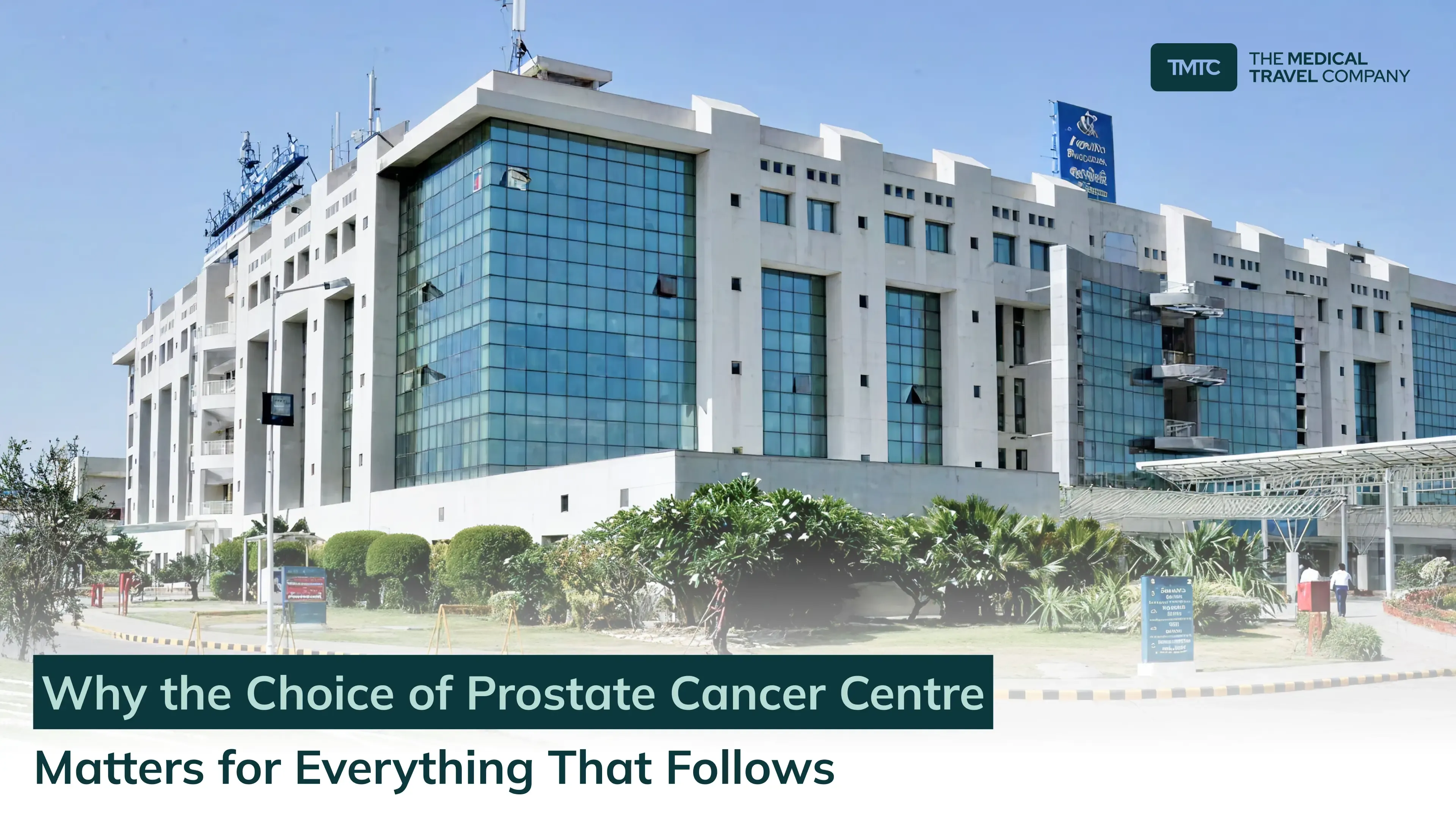
Hospital groups such as Fortis, Max Healthcare, Apollo Hospitals, Artemis Hospital, Medanta and Marengo Asia Hospitals are frequently chosen for prostate cancer treatment because they bring together clinical expertise, advanced technology, and coordinated care within a single healthcare system. These hospital networks typically offer experienced urology and oncology teams, access to modern diagnostic and treatment facilities, and established multidisciplinary care pathways across their centres. For patients, this integrated approach results in more accurate diagnosis and treatment planning, reduced risk of complications, continuity of care across different treatment stages, and a smoother, more supported recovery journey with structured follow-up and rehabilitation services.
Understanding Your Prostate Cancer Treatment Options
Prostate cancer treatment is highly individualised, with therapy selected based on cancer stage, tumour aggressiveness, patient age, and overall health. Leading prostate cancer treatment centres offer multiple treatment options and design personalised plans that focus on effective cancer control while preserving quality of life.
Surgery (Prostatectomy): This procedure removes the prostate gland and is usually recommended for localised or locally advanced prostate cancer. Many leading hospitals now offer minimally invasive and robotic-assisted prostatectomy, which allows for precise surgery with smaller incisions, less blood loss, shorter hospital stays, faster recovery, and better outcomes for urinary continence and sexual function compared to traditional open surgery.
Hormone Therapy: Hormone therapy works by reducing or blocking testosterone, a hormone that fuels prostate cancer growth. It is often used for advanced or metastatic prostate cancer and may also be combined with radiotherapy for higher-risk cases. Hormone therapy can be delivered through medications or surgical methods and is carefully monitored to manage side effects while effectively slowing disease progression.
Chemotherapy: Chemotherapy is typically used for advanced or metastatic prostate cancer, particularly when the disease no longer responds to hormone therapy. These medications circulate throughout the body to target rapidly dividing cancer cells. Treatment is administered in cycles and closely supervised by oncology teams to balance cancer control with effective management of side effects.
Robotic Surgery: Some of the larger hospitals deploy the Da Vinci robot to perform this precision surgery with fewer complications. It is a form of minimally invasive surgery where the surgeon operates through small incisions using robotic arms that translate hand movements into precise, tremor-filtered motions.
Radiotherapy: Radiotherapy uses high-energy radiation to destroy cancer cells or prevent them from growing. It may be used as a primary treatment for localised prostate cancer, as an alternative to surgery, or in combination with hormone therapy for more aggressive disease. Advanced radiotherapy technologies, such as image-guided and intensity-modulated techniques, allow precise targeting of the prostate while minimising damage to surrounding healthy tissues.
In cases of late-stage aggressive cancer, patients may require expensive hormone treatment through NHS oncology services, and sometimes radiotherapy as part of longer-term control and symptom management.
Leading centres also offer newer treatment modalities, including targeted therapies, advanced radiotherapy techniques, and precision-based treatment planning guided by modern imaging. These approaches help further personalise care, especially for complex or high-risk cases.
Prostate Cancer Specialists Making a Difference
While advanced hospitals and technology are essential, prostate cancer outcomes are also shaped by the experience of the treating specialist. Doctors who manage a high volume of prostate cancer cases develop greater precision in diagnosis, surgery, and
post treatment care
, which directly impacts recovery and long-term quality of life. While team-based care is essential, outcomes are also influenced by the experience of individual specialists leading that care.
Listed below are some of India’s leading urology specialists, with extensive experience in prostate cancer treatment and a strong track record of successful outcomes.
Dr Anil Mandhani (Fortis Hospitals) is known for his extensive experience in urologic oncology, particularly in the surgical management of prostate cancer.
His work emphasises precision surgery and patient-centred recovery, helping reduce complications while maintaining functional outcomes.
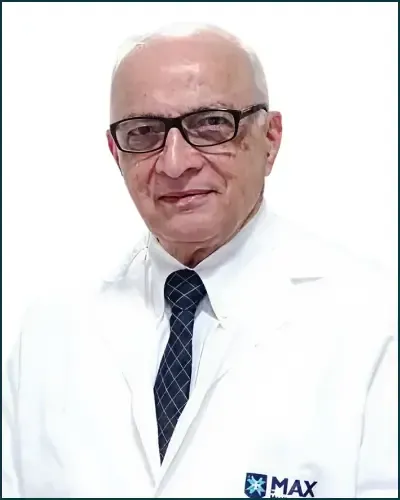
Dr (Prof.) Rajesh Ahlawat (Max Healthcare) is regarded as a pioneer in minimally invasive and robotic urological surgery in India.
With decades of experience and a strong academic background, he has played a key role in advancing complex prostate cancer surgeries, particularly for patients seeking minimally invasive options with faster recovery.
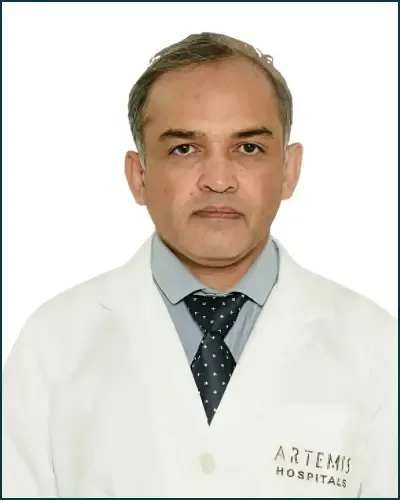
Dr Rajiv Yadav (Artemis Hospital) is recognised for his expertise in robotic-assisted prostate cancer surgery and modern urology practices.
His approach focuses on accurate cancer removal while preserving urinary and sexual function wherever possible, an important consideration for long-term quality of life.
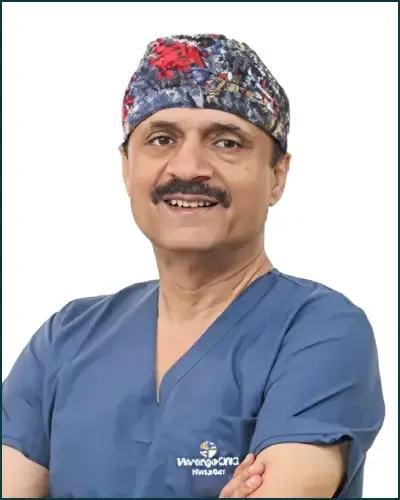
Dr Rajeev Sood (Marengo Asia Hospital) is known for advanced urology care and kidney transplant expertise.
His key specialisations include renal transplantation, green laser prostate surgery, penile implantation, laparoscopic urology, and uro-oncology.
These specialists work within multidisciplinary hospital systems, ensuring treatment decisions are carefully tailored and supported by coordinated follow-up care. For patients choosing where to receive treatment, access to an experienced prostate cancer specialist within accredited hospitals adds meaningful confidence and predictability to the care journey.
Why Experience Matters for Success Rates and Recovery
Success rates in prostate cancer treatment depend on multiple interconnected factors, including hospital experience, volume of cases treated, and the quality of post-treatment care. Research has consistently shown that higher hospital and surgeon volumes are associated with better clinical outcomes in prostate cancer management. Similarly, patients who receive radiotherapy at centres treating a high number of prostate cancer cases tend to achieve better survival outcomes. According to a large study conducted using the National Cancer Database, the five-year overall survival rate was approximately 90.1% at high-volume radiation centres, compared with 88.2% at low-volume centres, even after adjusting for clinical and demographic factors.
Recovery outcomes are further influenced by the use of minimally invasive techniques, effective pain control, and early rehabilitation. Leading hospitals prioritise faster recovery by encouraging early mobility, providing structured follow-up care, and closely monitoring patients after treatment. This experienced and comprehensive approach helps reduce complications, shorten recovery time, and improve long-term quality of life.
Post-treatment care is equally critical in sustaining long-term success. In India, the focus is often on completing the operation, and patients then return to the NHS for ongoing care and monitoring. TMTC’s private GP continuity enables that transition by ensuring follow-up planning, documentation, and ongoing check-ins are in place before and after the patient returns home. This continued surveillance not only supports early detection of changes but also provides patients with reassurance and confidence throughout their recovery and survivorship journey.
TMTC's Aftercare Centre in Gurgaon, India
How Patients Can Navigate the Choice With Confidence
Choosing the right prostate cancer specialist and hospital requires careful evaluation of several key factors. Patients should look for specialists with dedicated experience in prostate cancer and hospitals that offer comprehensive treatment options under one roof. Accreditation by JCI and NABH is an important indicator of global standards in patient safety and clinical quality.
It is also essential to consider the hospital’s success rate, availability of advanced technology such as robotic surgery, and access to multidisciplinary care. Support services, including rehabilitation, counselling, and long-term follow-up, play a significant role in the overall treatment experience and recovery.
By selecting a hospital that combines expert doctors, modern infrastructure, and patient-focused care, individuals can make informed decisions that support better outcomes and peace of mind throughout their prostate cancer treatment journey.
For patients navigating these decisions, especially those seeking treatment across cities or countries, having experienced guidance can make the process significantly easier. As a medical travel and care coordination provider, The Medical Travel Company (TMTC) supports patients in identifying suitable prostate cancer specialists and accredited hospitals based on individual medical needs. From medical opinion coordination and hospital selection to treatment planning, travel assistance, and post-treatment follow-up, TMTC helps patients move through their prostate cancer care journey with clarity, continuity, and confidence.