Essential Tips to Prevent Prostate Cancer: A Guide for Men in the UK
Discover effective strategies to reduce your prostate cancer risk. Learn essential prostate health tips, screening, and lifestyle changes for men in the UK.
Last Updated On 17 April 202610m


Medical professional with 10+ years’ experience in diagnosis, patient care, and clinical leadership.
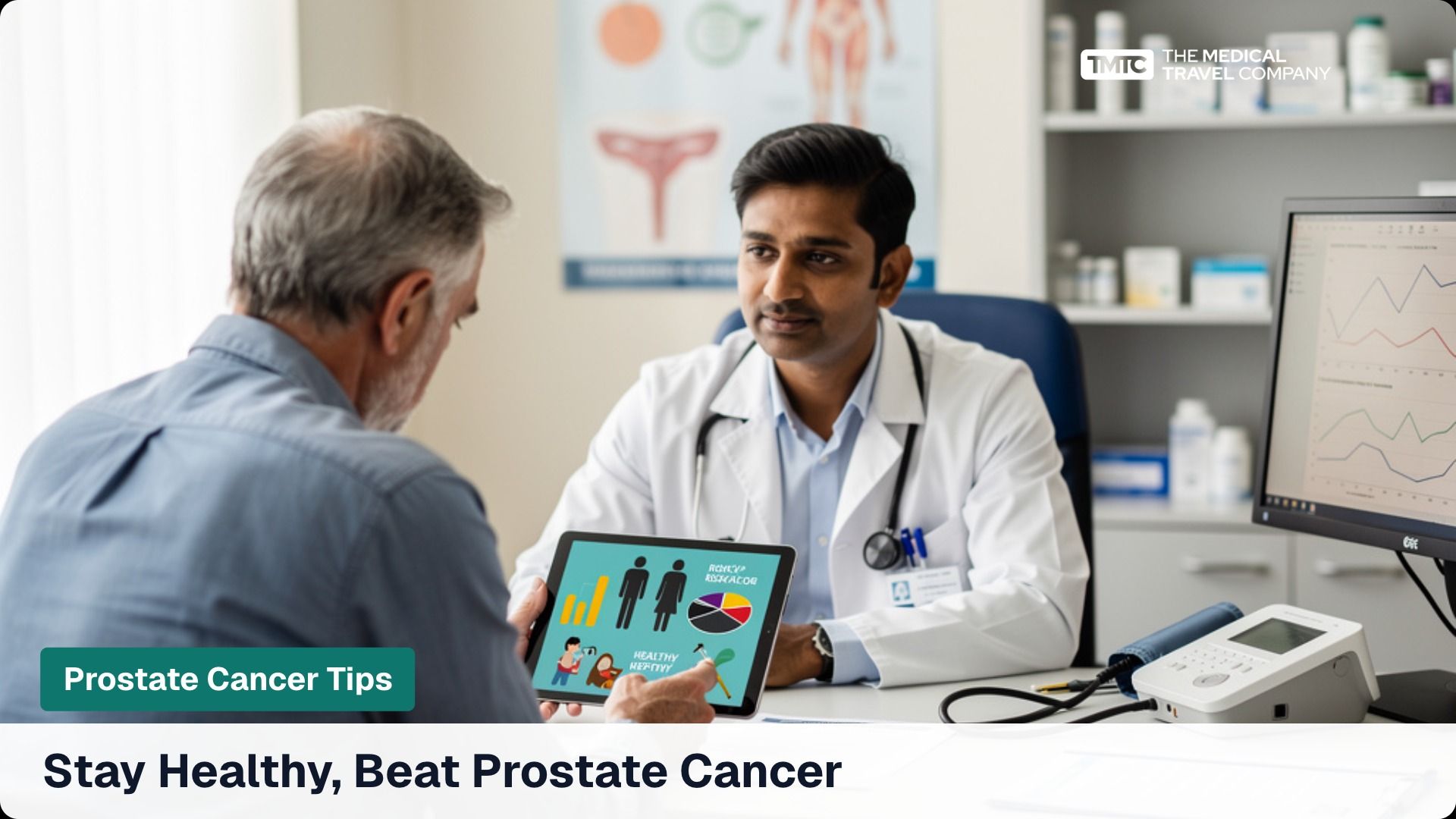
Prostate cancer affects one in eight men in England, making it the most commonly diagnosed cancer in men across the UK. If you're a Black man, your risk jumps to one in four. These statistics from the Thames Valley Cancer Alliance might feel overwhelming, but here's what you need to know: many prostate cancers grow slowly and can be successfully managed when caught early.
While you can't change your age, family history, or ethnicity, you have more control over your prostate health than you might think. The right lifestyle choices, regular screening, and understanding your risk factors can significantly impact your chances of developing prostate cancer or catching it in its early, more treatable stages.
Understanding Your Prostate Cancer Risk
Your prostate is a walnut-sized gland that sits below your bladder and surrounds the tube that carries urine out of your body. Its main job is to produce the fluid that carries sperm. As you age, it's normal for your prostate to grow larger, but prostate cancer develops when cells in this gland start growing uncontrollably.
Age is the biggest risk factor you can't control. Most prostate cancers develop in men over 65, though they can occur earlier. Your ethnicity also plays a role - Black men face higher rates of prostate cancer and are more likely to develop aggressive forms of the disease, according to research from Patient.info.
Family history matters too. If your father or brother had prostate cancer, your risk doubles. Having multiple relatives with prostate, breast, or ovarian cancer can indicate inherited gene mutations that increase your susceptibility. If you're concerned about family history, discuss genetic counselling with your GP to better understand your risk.
1. Build a Prostate-Healthy Diet
What you eat can influence your prostate cancer risk. While no single food prevents cancer, research suggests certain dietary patterns may offer protection. Mayo Clinic research indicates that men who eat diets high in fat, particularly animal fats, may face increased risk.
Focus on filling your plate with vegetables and fruits rich in antioxidants. Tomatoes contain lycopene, a compound that gives them their red colour and may help protect against prostate cancer. Cooked tomatoes in pasta sauces, soups, and stews provide more available lycopene than raw ones. Cruciferous vegetables like broccoli, cauliflower, and Brussels sprouts contain compounds that support your body's natural detoxification processes.
Consider swapping red meat for fish twice a week. Fatty fish like salmon, mackerel, and sardines provide omega-3 fatty acids that may reduce inflammation. If you're following a plant-based diet, nuts, seeds, and legumes offer protein along with beneficial minerals like selenium and zinc that support prostate health.
Green tea deserves a place in your daily routine. Studies suggest the polyphenols in green tea may help slow prostate cancer cell growth. Aim for 2-3 cups daily, but avoid drinking it with iron-rich meals as it can interfere with iron absorption.
2. Stay Physically Active
Regular exercise doesn't just help you maintain a healthy weight - it may directly reduce your prostate cancer risk. Research from Mayo Clinic shows that physical activity helps regulate hormones, boost immune function, and reduce inflammation throughout your body.
You don't need to become a marathon runner to see benefits. Aim for at least 150 minutes of moderate-intensity exercise weekly - that's just 30 minutes, five days a week. Brisk walking, cycling, swimming, or playing tennis all count. If you're new to exercise, start with 10-minute walks after meals and gradually increase your activity level.
Strength training twice weekly can help you maintain muscle mass and bone density as you age, while also supporting healthy hormone levels. Even bodyweight exercises like push-ups, squats, and planks performed at home can make a difference.
If you have existing health conditions or haven't exercised in years, speak with your GP before starting a new fitness routine. They can help you design a safe programme that fits your current fitness level and health status.
3. Maintain a Healthy Weight
Carrying excess weight, particularly around your midsection, may increase your risk of developing aggressive prostate cancer. Obesity can alter hormone levels and increase inflammation, creating an environment where cancer cells might thrive.
Focus on sustainable weight management rather than crash diets. Small changes like portion control, eating more slowly, and choosing whole foods over processed options can help you achieve and maintain a healthy weight. Track your waist measurement - for most men, keeping it under 94cm (37 inches) reduces health risks.
If weight loss feels overwhelming, remember that even modest reductions can improve your health. Losing 5-10% of your body weight can lower inflammation markers and improve hormone balance. Consider working with a registered dietitian who can help you create a personalised plan that fits your lifestyle and preferences.
4. Get Regular Prostate Screening
Early detection saves lives, and prostate screening gives you the best chance of catching cancer when it's most treatable. The NHS doesn't run a national prostate cancer screening programme like it does for breast and cervical cancer, but you can request a PSA (prostate-specific antigen) test from your GP.
The PSA test measures levels of a protein produced by your prostate. Elevated levels don't automatically mean cancer - they can indicate infection, inflammation, or an enlarged prostate. However, tracking PSA levels over time helps doctors spot concerning changes that warrant further investigation.
Most experts recommend discussing PSA testing with your GP starting at age 50 if you're at average risk. If you're Black or have a family history of prostate cancer, consider starting these conversations at 45. NICE guidelines support this approach to risk-stratified screening.
Before your PSA test, avoid ejaculation for 48 hours and don't cycle or do heavy exercise that day, as these activities can temporarily raise PSA levels. If your results are elevated, your doctor might recommend a repeat test, additional imaging, or referral to a urologist for further evaluation.
For men seeking comprehensive prostate cancer care, including advanced screening and treatment options, understanding your full range of diagnosis and treatment options can help you make informed decisions about your healthcare journey.
5. Limit Alcohol and Avoid Smoking
While moderate alcohol consumption might not significantly increase prostate cancer risk, heavy drinking can compromise your immune system and increase inflammation throughout your body. If you drink, stick to recommended guidelines: no more than 14 units per week, spread over at least three days.
Smoking doesn't appear to increase prostate cancer risk directly, but it does worsen outcomes if you do develop the disease. Smokers with prostate cancer face higher risks of the cancer spreading and are more likely to die from the disease. If you smoke, quitting at any age improves your overall health and cancer survival odds.
Need help quitting? Your GP can prescribe nicotine replacement therapy, medications, or refer you to local stop-smoking services. Many people need several attempts to quit successfully, so don't get discouraged if previous efforts haven't worked.
6. Manage Stress and Prioritise Sleep
Chronic stress weakens your immune system and increases inflammation, potentially creating conditions that favour cancer development. While you can't eliminate stress completely, you can develop healthier ways to manage it.
Regular exercise doubles as stress relief, but also consider meditation, deep breathing exercises, or yoga. Even 10 minutes of mindfulness daily can lower stress hormones and improve your mental wellbeing. Many free apps and YouTube videos can guide you through basic relaxation techniques.
Quality sleep supports your immune system and helps your body repair cellular damage. Aim for 7-9 hours nightly and maintain consistent bedtime routines. Avoid screens for an hour before bed, keep your bedroom cool and dark, and limit caffeine after 2 PM to improve sleep quality.
7. Know the Warning Signs
Early prostate cancer often causes no symptoms, which is why screening is so important. However, as the disease progresses, you might notice changes in your urination patterns, such as difficulty starting or stopping the flow, weak stream, or frequent nighttime urination.
Blood in your urine or semen, persistent pelvic discomfort, or unexplained erectile dysfunction can also signal prostate problems. While these symptoms more commonly indicate benign conditions like an enlarged prostate or infection, they warrant medical evaluation.
Don't wait if you notice concerning changes. Early investigation of symptoms often leads to better outcomes, whether the cause is cancer or another treatable condition. Your GP can perform initial tests and refer you to specialists if needed.
Understanding Controversial Prevention Claims
You might have heard claims about ejaculation frequency affecting prostate cancer risk. Some research from WebMD suggests that men who ejaculate more frequently may have lower prostate cancer risk, but the evidence isn't strong enough to make specific recommendations.
Similarly, while some studies suggest vitamin E or selenium supplements might reduce prostate cancer risk, larger trials have shown no benefit and potentially increased risks of other cancers. Save your money and focus on getting nutrients from whole foods rather than supplements unless your doctor identifies specific deficiencies.
Finasteride, a medication used to treat enlarged prostates and hair loss, may reduce prostate cancer risk but could increase the chance of developing high-grade tumours. Only consider this option after thorough discussion with your doctor about the benefits and risks for your specific situation.
Taking Action: Your Next Steps
Preventing prostate cancer isn't about making dramatic lifestyle overhauls overnight. Small, consistent changes in your diet, exercise habits, and health monitoring can significantly impact your long-term risk. Start with one or two changes that feel manageable - perhaps adding more vegetables to your meals or taking a 20-minute walk after dinner.
Schedule a conversation with your GP about prostate screening, especially if you're approaching 50 or have risk factors like family history. They can help you understand your individual risk profile and create an appropriate monitoring schedule. Remember, early detection provides the best outcomes and most treatment options.
If you're concerned about prostate cancer risk or need comprehensive evaluation and treatment options, expert guidance can help you navigate your choices. Advanced prostate cancer treatment options are available when you need them, offering world-class care with personalised treatment plans that put your needs first.
Don't let fear or embarrassment prevent you from taking charge of your prostate health. The steps you take today - whether it's improving your diet, increasing physical activity, or scheduling that screening appointment - are investments in your future wellbeing. Your prostate health is worth the effort, and you don't have to manage it alone.
For additional support and information, consider connecting with healthcare providers who specialise in prostate cancer care and can offer expert guidance tailored to your specific needs and circumstances.
References:
- Thames Valley Cancer Alliance - Prostate Cancer- Statistics on prostate cancer incidence in the UK
- Patient.info - Why are Black men more likely to die from prostate cancer?- Research on ethnic disparities in prostate cancer
- Mayo Clinic - Prostate cancer prevention: Ways to reduce your risk- Evidence-based prevention strategies
- Mayo Clinic - Cancer prevention: 7 tips to reduce your risk- General cancer prevention guidelines including exercise benefits
- NICE - Prostate Cancer UK Best Practice Pathway- Official guidelines for prostate cancer screening and management
- WebMD - Does Ejaculation Cause or Prevent Prostate Cancer?- Research on controversial prevention claims
Related Articles




Ready to open the door to better health?