Affordable Dental Implants Abroad for Zimbabwean Patients: Cost, Procedure & Results
Discover affordable and world-class dental implants abroad for Zimbabweans. Learn about costs, procedures, and recovery for tooth replacement.
Last Updated On 29 April 20269m


Medical professional with 10+ years’ experience in diagnosis, patient care, and clinical leadership.
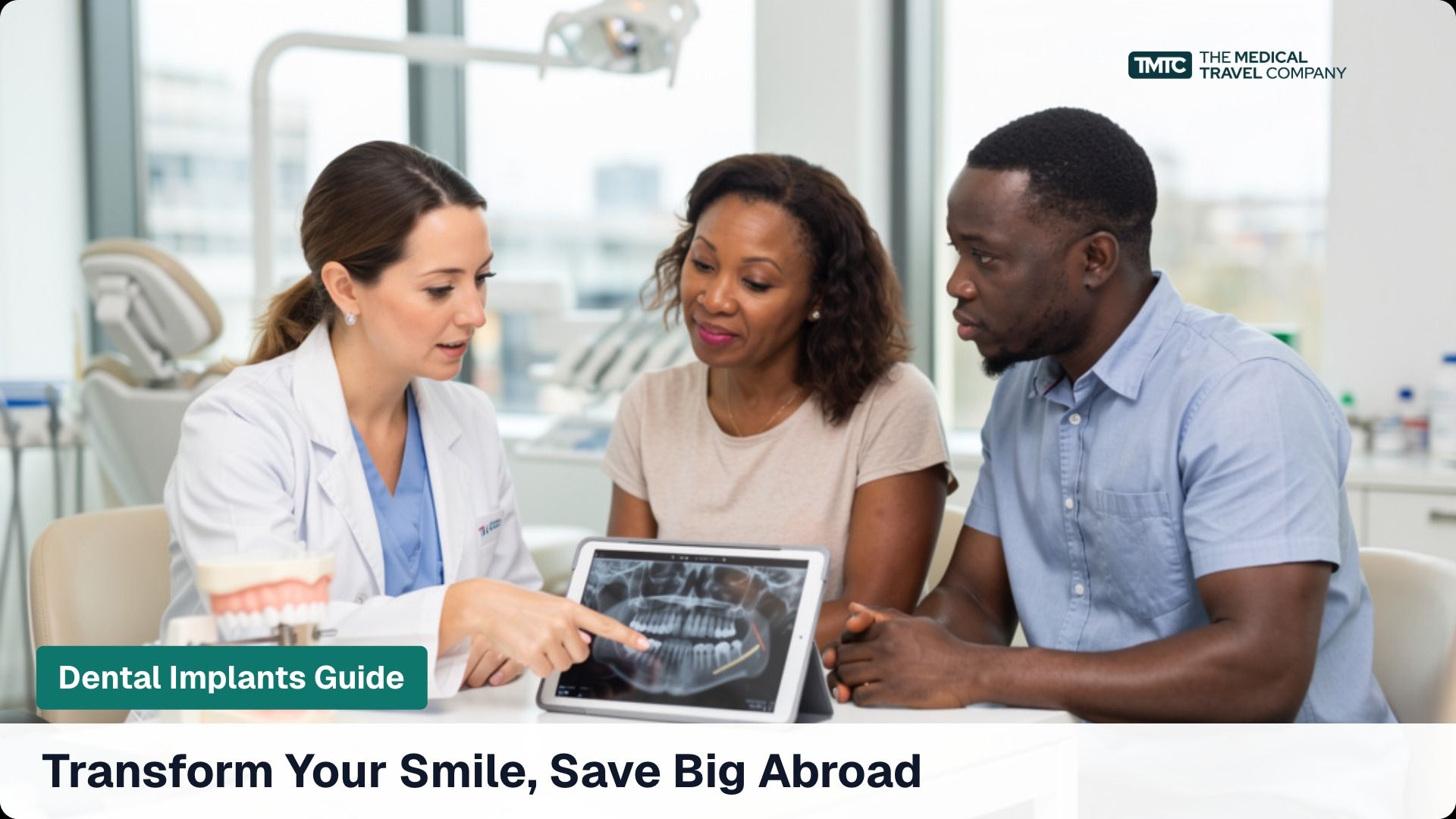
Missing teeth affect more than just your smile. They impact your ability to eat, speak clearly, and feel confident in social situations. While Zimbabwe's healthcare system has made significant strides, dental care accessibility remains a challenge for many patients seeking advanced treatments like dental implants.
Dental implants abroad offer a practical solution for Zimbabweans who want world-class tooth replacement at affordable prices. Countries like India, Thailand, and Turkey provide expert dental care with significant cost savings, often 50-70% less than local private options. This comprehensive guide explores everything you need to know about getting dental implants overseas.
What Are Dental Implants and Why Choose Them?
A dental implant is a titanium post that's surgically placed into your jawbone to replace a missing tooth root. This artificial root supports a crown, bridge, or denture, creating a permanent solution that looks and functions like your natural teeth.
Unlike removable dentures or bridges that rely on adjacent teeth, implants stand independently. They preserve your jawbone structure and prevent the facial sagging that often occurs with missing teeth. The titanium material naturally fuses with your bone through a process called osseointegration, creating a stable foundation that can last decades with proper care.
For Zimbabwean patients comparing treatment options, dental implants offer superior long-term value compared to bridges or dentures. While bridges typically last 10-15 years and require replacement of healthy tooth structure, implants can last 25+ years with proper maintenance.
Why Zimbabweans Choose Dental Implants Abroad
The global dental tourism industry has grown exponentially, with dental procedures ranking among the top medical tourism specialties. For many Zimbabweans, seeking dental care abroad isn't just about cost savings - it's about accessing world-class facilities and experienced specialists.
Several factors drive this trend. Limited local specialists, long waiting times, and high private practice costs make overseas treatment attractive. Additionally, many international dental clinics use the latest technology and materials that may not be readily available locally.
| Country | Average Single Implant Cost | Full Mouth Cost | Travel Distance from Zimbabwe |
|---|---|---|---|
| India | $800-1,200 | $8,000-12,000 | 6-8 hours |
| Thailand | $1,000-1,500 | $10,000-15,000 | 8-10 hours |
| Turkey | $600-1,000 | $6,000-10,000 | 8-12 hours |
| South Africa | $1,200-2,000 | $12,000-20,000 | 2-3 hours |
| Zimbabwe (Private) | $2,000-3,500 | $20,000-35,000 | Local |
These destinations offer significant savings while maintaining international quality standards. Many clinics serving medical tourists are accredited by organizations like JCI (Joint Commission International) and employ dentists trained in Europe or North America.
Breaking Down Dental Implant Costs Abroad
Understanding the full cost structure helps you budget effectively and avoid unexpected expenses. The total investment includes the implant procedure, crown placement, and potential additional treatments.
A single dental implant abroad typically costs between $600-1,500, compared to $2,000-3,500 in Zimbabwe's private sector. However, the final price depends on several factors including the clinic's location, surgeon's experience, and your specific treatment needs.
| Cost Component | India | Thailand | Turkey |
|---|---|---|---|
| Initial consultation | $50-100 | $75-150 | $50-100 |
| CT scan/X-rays | $100-200 | $150-250 | $100-180 |
| Implant placement | $400-600 | $500-800 | $300-500 |
| Crown placement | $300-500 | $400-600 | $250-400 |
| Bone graft (if needed) | $200-400 | $300-500 | $200-350 |
For patients requiring full mouth dental implants, the savings become even more substantial. A complete restoration that might cost $30,000+ locally could be completed abroad for $8,000-15,000, including travel expenses.
Additional costs to consider include flights ($800-1,500), accommodation ($30-100 per night), local transportation, and meals. Many clinics offer package deals that include airport transfers and nearby hotel arrangements.
The Dental Implant Procedure: Step by Step
Understanding the treatment process helps you prepare mentally and physically for your dental journey abroad. The procedure typically involves multiple stages over several months.
Initial Consultation and Treatment Planning
Your journey begins with a comprehensive examination, including 3D CT scans to assess your bone density and plan implant placement. The surgeon reviews your medical history, discusses your goals, and creates a personalized treatment plan. This initial visit typically takes 2-3 hours and determines if you need any preparatory treatments.
Many clinics now offer virtual consultations using your local X-rays and photographs. This allows you to understand your treatment options and receive cost estimates before traveling.
Surgical Implant Placement
The surgery itself usually takes 1-2 hours per implant under local anesthesia. The surgeon makes a small incision in your gum, creates a precise hole in the jawbone, and places the titanium implant. For patients who are anxious, sedation options are available.
If you need bone grafting due to insufficient bone density, this procedure happens first. Bone grafts for dental implants require additional healing time, extending your treatment timeline by 3-6 months.
Post-Surgery Recovery Guidelines
- Take prescribed antibiotics exactly as directed to prevent infection
- Apply ice packs for 15-20 minutes every hour during the first day
- Eat soft foods for the first week, avoiding hard or chewy items
- Don't smoke or use tobacco products as they slow healing significantly
- Gently rinse with warm salt water starting 24 hours after surgery
- Attend all follow-up appointments to monitor healing progress
Crown Placement and Final Restoration
After 3-6 months of healing, you'll return for crown placement. The surgeon takes impressions to create your custom crown, which typically requires 1-2 additional days. Some clinics offer same-day crowns using CAD/CAM technology.
This second trip usually lasts 3-5 days, allowing time for any adjustments needed for proper fit and bite alignment. Your new tooth should look and feel completely natural once the process is complete.
Success Rates and Long-Term Outcomes
Dental implant success rates consistently exceed 95% in healthy patients when performed by experienced surgeons. Studies show that proper implant placement and patient compliance with aftercare protocols are crucial for long-term success.
Factors that influence success include your overall health, oral hygiene habits, smoking status, and the quality of your jawbone. Patients with uncontrolled diabetes or heavy smokers face higher risks of implant failure.
Most implant complications occur within the first year, typically due to infection or inadequate bone integration. However, with proper care, dental implants can last 25+ years, making them the most cost-effective tooth replacement option over time.
To maximize your implant's lifespan, maintain excellent oral hygiene with daily brushing and flossing. Use a soft-bristled toothbrush and non-abrasive toothpaste to protect the implant surface. Regular dental cleanings every 6 months help prevent peri-implantitis, an infection around the implant similar to gum disease.
Recovery Timeline and What to Expect
Understanding the healing process helps you plan your time abroad and set realistic expectations. Recovery happens in distinct phases, each with specific care requirements.
The first 24-48 hours involve managing post-surgical discomfort and swelling. Most patients experience mild to moderate pain that responds well to over-the-counter pain relievers. Swelling peaks around day 2-3, then gradually subsides over the following week.
Initial soft tissue healing occurs within 1-2 weeks, allowing you to return to normal eating habits gradually. However, the critical osseointegration process where the implant bonds with your bone takes 3-6 months. During this time, you'll typically wear a temporary restoration if the implant is in the visible smile zone.
Plan to stay in your destination country for 7-10 days after surgery for the initial healing phase and any necessary follow-up appointments. Advanced dental care abroad includes comprehensive aftercare instructions and 24/7 emergency contact information.
Choosing the Right Clinic and Surgeon
Selecting the right dental clinic abroad requires careful research beyond just comparing prices. Look for facilities with international accreditations, experienced implant specialists, and comprehensive patient support services.
Start by verifying the surgeon's credentials and training. Many top international dentists have completed residencies or fellowships in Europe, North America, or Australia. Check for board certifications in oral surgery or periodontics, which require specialized implant training.
Review before-and-after photos of actual patients, read verified reviews from international patients, and ask for references from previous Zimbabwean patients if possible. Reputable clinics will gladly provide this information and answer your questions thoroughly.
Consider the clinic's technology and facilities. Modern dental clinics should have digital X-ray systems, 3D CT scanners, and computer-guided implant placement technology. These tools improve precision and reduce complications.
Making Your Decision: Next Steps
If you're considering dental implants abroad, start by consulting with a local dentist to assess your oral health and discuss your treatment options. They can provide X-rays and medical records that overseas clinics will need for treatment planning.
Research multiple destinations and clinics before making your decision. Request detailed treatment plans and cost breakdowns from at least 2-3 facilities. Many clinics offer virtual consultations to help you understand your options without traveling first.
Consider your personal circumstances, including available vacation time, travel comfort level, and support system at home during recovery. Some patients prefer destinations with shorter flight times, while others prioritize maximum cost savings.
Remember that dental implants are a long-term investment in your health and quality of life. While cost is important, prioritize quality care and experienced surgeons over the lowest price. The small additional investment in a reputable clinic often prevents complications that could cost much more to fix later.
With proper planning and realistic expectations, getting dental implants abroad can provide you with a beautiful, functional smile while saving thousands of dollars. The combination of expert care, advanced technology, and significant cost savings makes dental tourism an attractive option for many Zimbabwean patients seeking tooth replacement solutions.
References:
-
Zimbabwe National Health Strategy 2021-2025- Information on healthcare accessibility challenges in Zimbabwe
-
The Top 10 Medical Tourism Specialties and Procedures- Data on dental tourism industry growth and trends
-
Incorporating Implant Dentistry into Undergraduate Dental Curriculum- Research on dental implant success rates and best practices
Ready to open the door to better health?