What to Eat With Gallbladder Stones: Essential Diet Tips for UK Patients
Discover effective diet tips for managing gallbladder stones in the UK. Learn what foods to include and avoid for optimal gallbladder health.
Last Updated On 17 April 20269m


Medical professional with 10+ years’ experience in diagnosis, patient care, and clinical leadership.
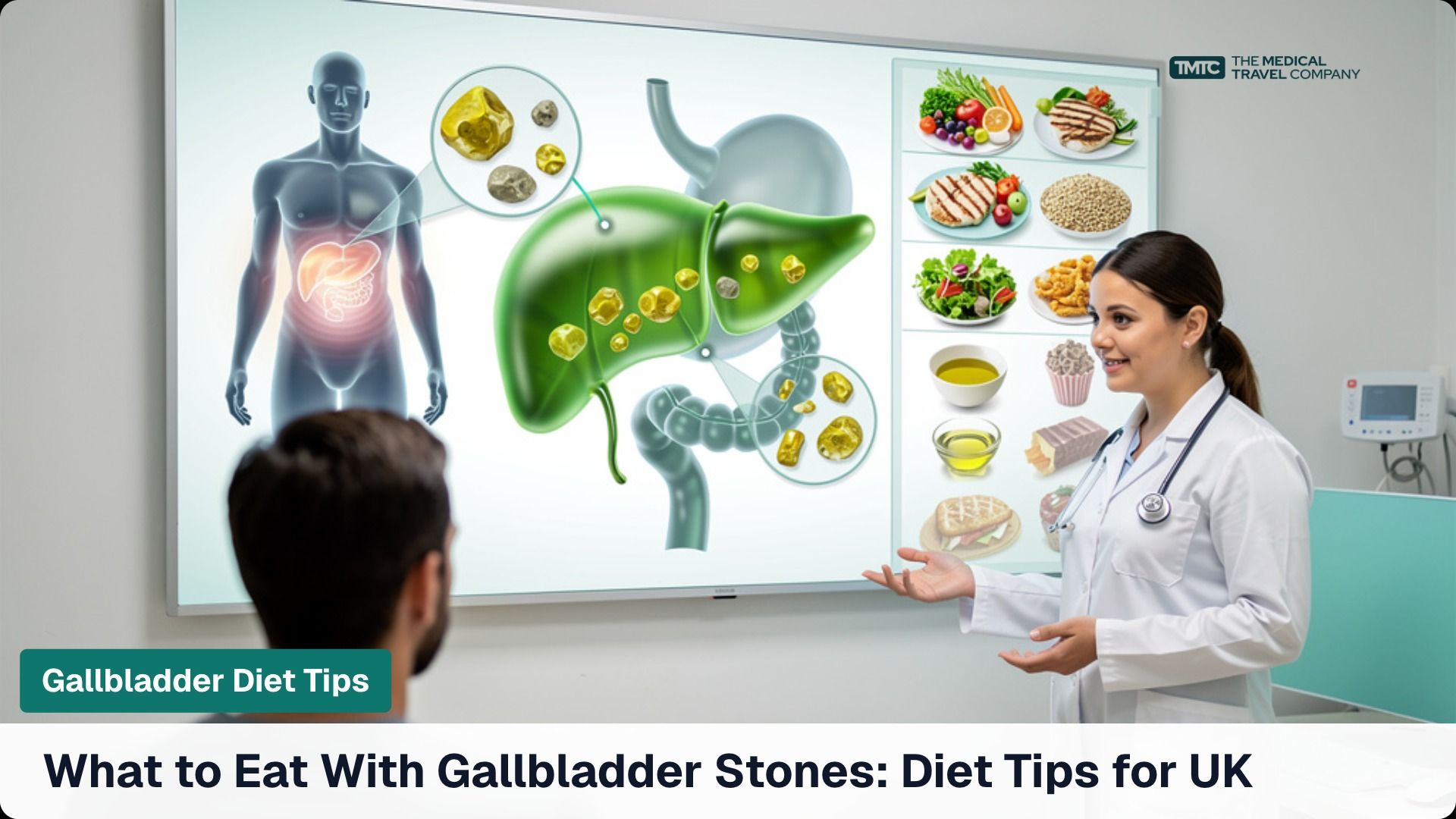
Living with gallbladder stones can feel overwhelming, especially when you're unsure about what you can safely eat. If you've been diagnosed with gallstones, you're not alone - this condition affects millions of people across the UK. The good news is that making smart dietary choices can help manage your symptoms and support your overall gallbladder health.
Understanding Gallbladder Stones and Their Impact
Gallstones are small, hardened deposits that form in your gallbladder when bile becomes too concentrated. The gallbladder is a small, pear-shaped organ located under your liver that stores and releases bile to help digest fats.
Most gallstones form when there's too much cholesterol in your bile, creating stones that can range from tiny grains to golf ball-sized deposits. Gallstones are more common as you get older, with obesity and pregnancy also increasing the risk.
While many people with gallstones experience no symptoms, others may face severe abdominal pain, especially after eating fatty foods. This happens when a gallstone blocks one of the bile ducts, preventing proper digestion and causing significant discomfort.
Why Diet Matters for Gallbladder Health
Your diet plays a crucial role in managing gallstone symptoms. When you eat foods high in fat, your gallbladder contracts to release bile into your small intestine. If you have gallstones, this contraction can trigger pain and discomfort.
Following a low-fat diet can help reduce the frequency and severity of gallstone attacks by minimising gallbladder contractions. This doesn't mean eliminating all fats from your diet, but rather choosing the right types and amounts.
Understanding which foods trigger symptoms and which ones support healthy digestion can help you create a personalised eating plan that works for your lifestyle. For complex cases requiring medical intervention, world-class care is available through expert guidance from specialists who understand the unique needs of UK patients.
Essential Foods to Include in Your Gallbladder Diet
Building a gallbladder-friendly diet starts with choosing foods that support healthy digestion without triggering painful symptoms. Focus on these key food groups to nourish your body while protecting your gallbladder.
High-Fibre Foods for Better Digestion
Fibre-rich foods help regulate digestion and may reduce your risk of developing more gallstones. Aim to include plenty of fruits and vegetables in your daily meals, choosing a variety of colours to ensure you're getting different nutrients.
Excellent high-fibre choices include apples, pears, berries, broccoli, Brussels sprouts, and leafy greens like spinach and kale. These foods not only support gallbladder health but also provide essential vitamins and antioxidants that promote overall wellbeing.
Lean Proteins That Won't Trigger Symptoms
Protein is essential for your health, but choosing the right sources makes all the difference. Choose moderate amounts of lean meat, fish, eggs and pulses such as beans and lentils.
Focus on skinless chicken, turkey, fish (especially oily fish like salmon and mackerel twice a week, eggs, tofu, and legumes. These proteins provide the nutrients you need without the high-fat content that can trigger gallbladder contractions.
Healthy Fats in Moderation
While you need to limit fat intake, completely avoiding all fats isn't healthy or sustainable. Small amounts of healthy fats from sources like olive oil, avocados, nuts, and seeds can be included in your diet when consumed mindfully.
Start with very small portions - perhaps a teaspoon of olive oil for cooking or a few nuts as a snack - and monitor how your body responds. Gradually increase portions if you tolerate them well.
| Food Group | Good Choices | Portion Guidelines |
|---|---|---|
| Fruits & Vegetables | Apples, berries, leafy greens, broccoli | 5-7 portions daily |
| Lean Proteins | Skinless chicken, fish, eggs, beans | Palm-sized portions |
| Whole Grains | Oats, brown rice, wholemeal bread | 3-4 portions daily |
| Healthy Fats | Olive oil, nuts, avocado | Small amounts only |
| Dairy | Low-fat milk, yoghurt, cottage cheese | 2-3 portions daily |
Foods to Strictly Avoid with Gallstones
Knowing which foods to avoid is just as important as knowing what to eat. These foods commonly trigger gallbladder attacks and should be eliminated or significantly limited in your diet.
High-Fat Foods That Trigger Pain
Foods high in saturated and trans fats are the primary culprits behind gallstone attacks. Fried foods, fatty cuts of meat, full-fat dairy products, and processed foods should be avoided entirely during symptomatic periods.
This includes foods like fish and chips, burgers, sausages, cream, butter, cheese (except low-fat varieties), and rich desserts. Even seemingly healthy foods like nuts and avocados should be consumed very sparingly due to their high fat content.
Processed and Refined Foods
Highly processed foods often contain hidden fats and additives that can worsen gallbladder symptoms. Ready meals, packaged snacks, biscuits, and fast food should be avoided whenever possible.
These foods also tend to be low in fibre and nutrients, offering little nutritional value while potentially triggering painful episodes. Instead, focus on whole, unprocessed foods that you can prepare at home.
Foods to Avoid with Gallstones
- Fried foods (chips, fried chicken, doughnuts)
- High-fat dairy (cream, full-fat milk, rich cheeses)
- Fatty meats (bacon, sausages, lamb)
- Processed foods (ready meals, packaged snacks)
- Rich desserts (chocolate, pastries, ice cream)
- Spicy foods that may trigger symptoms
- Excessive caffeine and alcohol
Creating Your Daily Meal Plan
Building a sustainable gallbladder diet doesn't mean sacrificing flavour or satisfaction. With careful planning, you can create delicious, nutritious meals that support your health while managing symptoms effectively.
Sample Daily Menu Structure
Start your day with a breakfast of porridge made with skimmed milk and topped with fresh berries. For lunch, try grilled chicken breast with a large salad dressed with a small amount of olive oil and lemon juice, served with wholemeal bread.
Dinner might include baked fish with steamed vegetables and brown rice, followed by a piece of fresh fruit. Between meals, snack on low-fat yoghurt or a small handful of plain rice cakes.
Meal Preparation Tips
Cooking methods matter as much as ingredient choices. Steam, grill, bake, or poach your foods instead of frying. Use herbs and spices for flavour rather than relying on fatty sauces or dressings.
Prepare meals in advance when possible, as this helps you avoid the temptation of ordering takeaway or reaching for processed convenience foods when you're busy or tired.
| Meal | Good Options | Cooking Methods |
|---|---|---|
| Breakfast | Porridge, low-fat yoghurt with fruit, wholemeal toast | No cooking needed or gentle warming |
| Lunch | Grilled chicken salad, vegetable soup, jacket potato | Grilling, steaming, baking |
| Dinner | Baked fish, roasted vegetables, lean meat stir-fry | Baking, roasting, light stir-frying |
| Snacks | Fresh fruit, rice cakes, herbal tea | No cooking required |
The Critical Role of Hydration
Staying properly hydrated supports your gallbladder function and overall digestive health. Water helps keep bile from becoming too concentrated, which may reduce your risk of forming additional gallstones.
Aim for at least 8 glasses of water daily, more if you're active or during warm weather. Herbal teas, diluted fruit juices, and clear broths can contribute to your fluid intake, but water should be your primary choice.
Limit caffeinated drinks and avoid alcohol, as both can worsen gallbladder symptoms in some people. If you enjoy coffee or tea, try to keep it to one or two cups daily and monitor how your body responds.
When to Seek Professional Help
While dietary changes can significantly help manage gallstone symptoms, some situations require immediate medical attention. Severe pain that doesn't improve with dietary modifications, persistent nausea and vomiting, or signs of infection need prompt evaluation.
If you're struggling to create a suitable diet plan or have other health conditions that complicate your nutritional needs, consider consulting with a registered dietitian. They can provide personalised guidance that takes into account your specific circumstances and preferences.
For patients requiring surgical intervention, minimally invasive procedures are available through expert care that combines world-class treatment with affordable healthcare options. Many UK patients find that accessing specialist treatment abroad provides both excellent outcomes and significant cost savings compared to private treatment at home.
Long-term Success with Your Gallbladder Diet
Managing gallstones through diet is a long-term commitment, but it becomes easier with time and practice. Start by making gradual changes rather than completely overhauling your eating habits overnight.
Keep a food diary to track which foods trigger symptoms and which ones you tolerate well. This personalised approach helps you fine-tune your diet based on your body's specific responses rather than following generic guidelines alone.
Remember that everyone's tolerance levels differ. Some people can handle small amounts of certain fats without problems, while others need to be more restrictive. Work with your healthcare team to find the approach that works best for your individual situation.
Key Points for Gallbladder Diet Success
- Focus on low-fat, high-fibre foods to reduce gallbladder contractions
- Choose lean proteins and whole grains as your dietary foundation
- Stay well-hydrated with water as your primary beverage choice
- Avoid fried foods, fatty meats, and high-fat dairy products
- Monitor your individual response to different foods through a food diary
- Seek professional help when dietary changes aren't sufficient
Living with gallstones doesn't mean giving up enjoyable meals or feeling restricted forever. With the right knowledge and support, you can create a sustainable eating plan that manages your symptoms while nourishing your body. Whether you're managing symptoms through diet alone or considering treatment options, remember that expert guidance and affordable healthcare solutions are available to support your journey to better health.
References:
-
Cambridge University Hospitals NHS Foundation Trust - Dietary advice for patients with gallstones- Information on gallbladder function and dietary management
-
Royal Berkshire NHS Foundation Trust - Dietary advice for patients with gallstones- Risk factors and symptoms of gallstones
-
Western Sussex Hospitals NHS Foundation Trust - Dietary advice for people with gallstones- Low-fat diet recommendations for symptom management
-
University Hospitals Birmingham NHS Foundation Trust - Dietary Advice for People with Gallstones- Specific food recommendations and portion guidelines
-
NHS Lanarkshire - Dietary advice for people with Gallstones- Protein recommendations and dietary modifications
Related Articles




Ready to open the door to better health?