Understanding Cupping Therapy: Benefits, Procedure, and Safety
Explore how cupping therapy works, its benefits, safety, and who should avoid it. Discover the ease of this ancient healing method today!
Last Updated On 17 April 202610m


Medical professional with 10+ years’ experience in diagnosis, patient care, and clinical leadership.
Have you ever wondered why Olympic swimmers like Michael Phelps competed with distinctive circular bruises across their shoulders? Those telltale marks came from cupping therapy, an ancient healing practice that's experiencing a remarkable resurgence in modern wellness circles. This traditional treatment has moved far beyond elite athletic recovery into mainstream healthcare, offering promising benefits for everyday pain relief and overall wellness.
Cupping therapy creates suction on your skin using specialized cups, promoting blood flow and potentially relieving various health conditions. While the circular bruises might look alarming, they're simply evidence of increased circulation working to heal underlying tissues. Let's explore how this fascinating therapy works and whether it might be right for you.
What Is Cupping Therapy?
Cupping is a therapy used in traditional Chinese medicine (TCM) to remove stagnation and stimulate the flow of qi, the vital energy believed to circulate through your body. This ancient practice dates back thousands of years, with variations found across Egyptian, Middle Eastern, and Chinese cultures.
The fundamental principle behind cupping involves creating negative pressure on specific areas of your body. When practitioners place cups on your skin and create suction, it draws blood to the surface, potentially breaking up blockages and promoting healing. Cleveland Clinic explains that cupping therapy is an ancient healing method that may ease back pain, neck pain, headaches and other issues.
Modern cupping has gained significant popularity, especially after high-profile athletes showcased their cupping marks during international competitions. However, this isn't just a trendy wellness fad - it's a time-tested practice with growing scientific interest in its therapeutic potential.
How Does Cupping Therapy Work?
The Cupping Procedure Explained
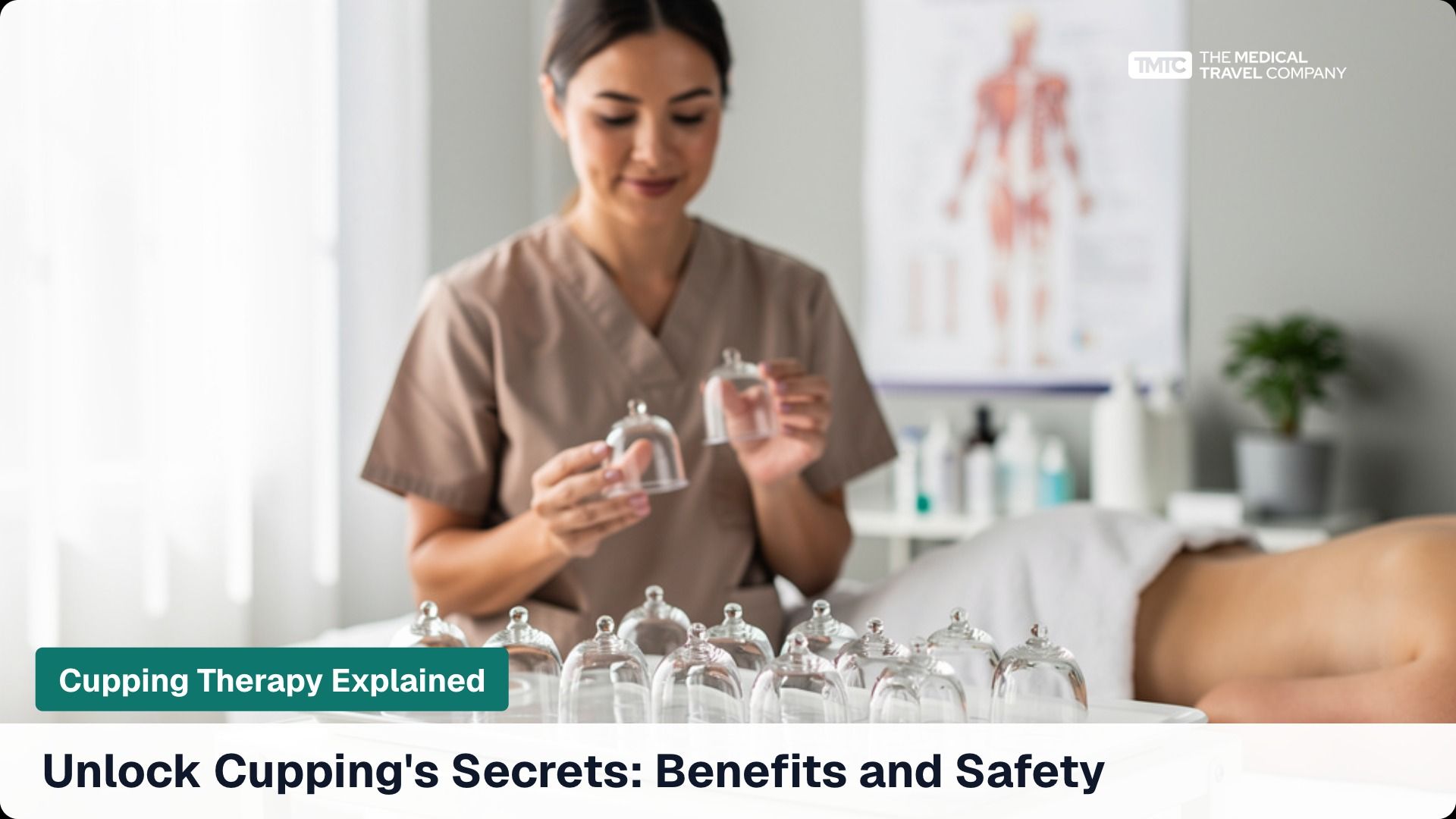
During a cupping session, your practitioner will place specially designed cups on targeted areas of your skin. These cups can be made from glass, plastic, bamboo, or silicone. The magic happens when they create suction inside the cup, either by heating the air inside or using a mechanical pump to remove air.
The suction effect pulls your skin upward into the cup, creating that distinctive dome shape. The technique consists of placing a plastic, glass or silicone cup on the skin, normally in painful areas or at acupuncture points, using a suction pump to generate negative pressure. Most sessions last between 5 to 20 minutes, depending on your specific condition and treatment goals.
You'll feel a tight pulling sensation, but it shouldn't be painful. Many people describe it as similar to a deep tissue massage. The cups may remain stationary, or your practitioner might move them across your skin in a technique called "sliding cupping."
How Cupping Promotes Healing
The suction created by cupping increases blood circulation to the treated area. This enhanced blood flow brings fresh oxygen and nutrients to your tissues while helping remove metabolic waste products. The process may also stimulate your lymphatic system, supporting your body's natural detoxification processes.
From a traditional Chinese medicine perspective, cupping helps restore the proper flow of qi throughout your body. TCM practitioners believe that when qi becomes blocked or stagnant, it can lead to pain, illness, and dysfunction. By creating suction and promoting circulation, cupping aims to break up these blockages and restore balance.
Research suggests that cupping may also trigger your body's inflammatory response in a controlled way, potentially activating healing mechanisms. Our wellness therapy video overview demonstrates how various complementary treatments work together to support your overall health.
The Benefits of Cupping Therapy
Physical Benefits
Cupping therapy offers several potential physical benefits that have attracted both athletes and everyday wellness seekers. Research indicates that cupping may help with chronic pain conditions, including back pain, neck pain, and muscle tension.
Many people turn to cupping for sports recovery and injury prevention. The increased circulation can help reduce muscle soreness after intense workouts and may speed up healing from minor injuries. Athletes often report feeling more flexible and experiencing less stiffness after cupping sessions.
Additional physical benefits may include headache relief, improved skin health, and better sleep quality. Some practitioners also use cupping to address respiratory conditions like asthma or bronchitis, though more research is needed to confirm these specific benefits.
Mental and Emotional Benefits
Beyond physical relief, cupping therapy can provide significant mental and emotional benefits. The relaxation response triggered during treatment helps activate your parasympathetic nervous system, promoting a state of calm and reducing stress hormones.
Many patients report feeling deeply relaxed during and after cupping sessions, similar to the effects of meditation or deep tissue massage. This stress relief can have cascading positive effects on your overall health, potentially improving immune function and emotional wellbeing.
The mindful aspect of cupping therapy - taking time to focus on your body and healing - can also provide mental health benefits. Regular sessions may help you develop better body awareness and stress management skills.
Cupping Therapy Procedures: What to Expect
Different Types of Cupping Techniques
Several cupping techniques are available, each offering unique benefits depending on your needs. Dry cupping is the most common method, using only suction without any incisions. This gentle approach is perfect for beginners and those seeking general wellness benefits.
Wet cupping, also known as hijama therapy, involves making small incisions before applying the cups. This technique aims to draw out small amounts of blood along with toxins, though it requires specialized training and sterile conditions. Fire cupping uses heat to create suction, while modern practitioners often prefer mechanical pumps for more precise control.
Moving cupping or massage cupping involves sliding the cups across your skin while maintaining suction. This technique combines the benefits of cupping with massage-like movements, making it particularly effective for muscle tension and fascial restrictions.
What to Expect During Your First Cupping Session
- Initial consultation about your health history and goals
- Explanation of the cupping process and what you'll feel
- Positioning on a comfortable treatment table
- Placement of cups on targeted areas for 5-20 minutes
- Gentle removal of cups and assessment of your response
- Post-treatment care instructions and scheduling follow-ups
Choosing the Right Type for You
Your choice of cupping technique should depend on your specific health goals, comfort level, and practitioner's recommendations. If you're new to cupping or have sensitive skin, dry cupping offers a gentle introduction to this therapy. Those seeking deeper detoxification effects might consider wet cupping under proper medical supervision.
Athletes and people with chronic muscle tension often benefit most from moving cupping techniques. The combination of suction and movement can address fascial adhesions and improve tissue mobility more effectively than stationary cups alone.
Always discuss your health conditions, medications, and treatment goals with a qualified practitioner. They can recommend the most appropriate cupping style and customize the treatment intensity to match your needs and tolerance levels.
Safety and Side Effects of Cupping Therapy
Common Side Effects
The most visible side effect of cupping therapy is temporary bruising at the treatment sites. These circular marks can last anywhere from a few days to a couple of weeks, depending on your skin sensitivity and the intensity of the treatment.
These bruises aren't harmful - they're simply evidence of increased blood flow to the surface of your skin. The discoloration typically starts as dark red or purple and gradually fades to yellow before disappearing completely. Some people experience mild soreness or skin irritation at the cupping sites.
Other potential side effects include temporary dizziness, especially if you're dehydrated or haven't eaten recently. Some people may feel tired after their first session as their body responds to the increased circulation and potential release of toxins.
Who Should Avoid Cupping Therapy
While cupping is generally safe for most people, certain conditions require caution or complete avoidance. People with bleeding disorders, those taking blood-thinning medications, and individuals with severe heart conditions should avoid cupping.
Pregnant women should not receive cupping therapy, especially on the abdomen or lower back. People with active infections, open wounds, or inflamed skin conditions at the treatment site should wait until these issues resolve before trying cupping.
If you have diabetes, kidney disease, or other chronic conditions, consult with your healthcare provider before starting cupping therapy. While these conditions don't automatically disqualify you, they may require modified treatment approaches or additional precautions.
Always seek treatment from qualified practitioners who maintain proper hygiene standards and use sterile equipment. This is especially important for wet cupping techniques that involve breaking the skin.
Finding Quality Cupping Therapy
When considering cupping therapy, expert guidance makes all the difference in your experience and results. Look for practitioners who have specialized training in cupping techniques and understand how to integrate this therapy with your overall wellness plan.
“We believe in providing world-class care through personalized treatment plans that address each patient's unique needs. Our expert guidance ensures you receive safe, effective cupping therapy as part of a comprehensive approach to your health and wellness.” - TMTC Patient Care Coordinator
Quality practitioners will take time to understand your health history, current concerns, and treatment goals before recommending cupping therapy. They should explain the process thoroughly, discuss potential side effects, and create a personalized treatment plan that fits your needs and comfort level.
The best cupping therapy experiences combine ancient wisdom with modern safety standards. Practitioners should use sterile equipment, maintain clean treatment environments, and stay current with the latest research on cupping techniques and applications.
Your Next Steps with Cupping Therapy
Cupping therapy offers a unique approach to pain relief, stress reduction, and overall wellness that has stood the test of time. Whether you're dealing with chronic pain, looking to enhance athletic recovery, or simply seeking natural stress relief, cupping might be a valuable addition to your healthcare routine.
The key to success with cupping therapy lies in working with experienced practitioners who can provide expert guidance tailored to your specific needs. A personalized treatment plan ensures you receive the maximum benefits while minimizing any risks or discomfort.
Remember that cupping therapy works best as part of a comprehensive wellness approach. Combined with proper nutrition, regular exercise, and other healthy lifestyle choices, cupping can help you achieve optimal health and well-being through affordable healthcare solutions that prioritize your individual needs.
If you're ready to explore how cupping therapy might benefit your health, start by consulting with qualified practitioners who can assess your suitability for treatment and design a seamless experience that supports your wellness goals.
References
- MedicineNet - Cupping Therapy: Types, Benefits, Process & Side Effects- Traditional Chinese medicine principles and qi flow
- Cleveland Clinic - Cupping Therapy: Definition, Types & Benefits- Medical overview and safety considerations
- Everyday Health - Possible Health Benefits of Cupping Therapy- Research on chronic pain benefits
- WebMD - What Is Cupping Therapy? Uses, Benefits, Side Effects- Dry cupping techniques and procedures
- Banner Health - Cupping Therapy: The Pros, Cons and How It Works- Contraindications and safety warnings
- BMJ Open - Effects of dry cupping on pain, function and quality of life- Clinical research on cupping mechanisms and applications
Ready to open the door to better health?